
Used 2011 Forklifts For Sale in New York
Compare used 2011 forklifts for sale in New York by load capacity, tire type, battery or engine condition, and corrosion from winter yard service.
Selling a used 2011 forklift? List your used 2011 forklift for sale and reach thousands of commercial buyers.
Used 2011 Forklifts in New York
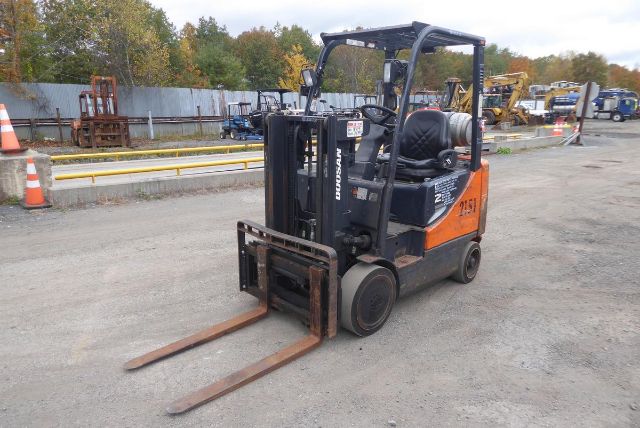
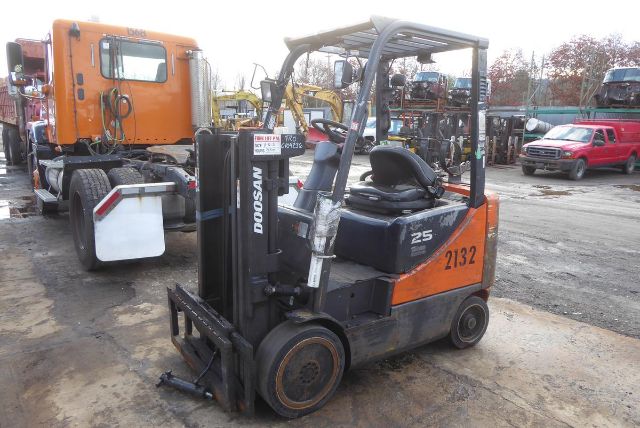
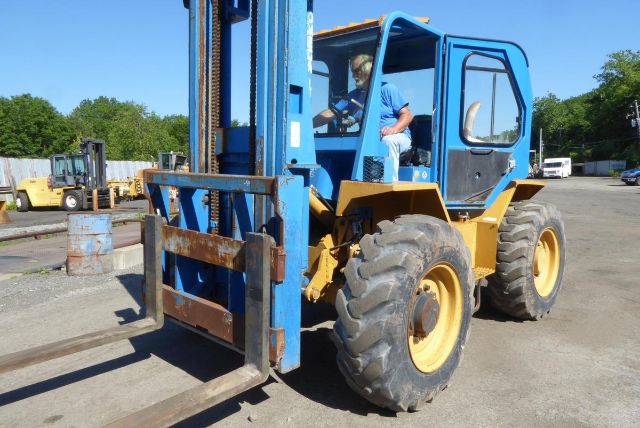
At roughly fifteen years old, a 2011 fork truck needs a condition-based inspection rather than an hour-meter comparison. Confirm the serial number and service history, and compare recorded hours with pedal, seat, and mast wear. Have a qualified technician check fork heels, carriage play, mast rollers, lift chains, cylinder drift, steering linkage, and braking under controlled operating conditions. On propane units, inspect for fuel-system leaks and test cold starting; on diesels, investigate hard starting, blowby, and coolant contamination. Electric models need battery age, load-test results, charger compatibility, and connector condition checked. Confirm parts support for the specific model before accepting major engine, transmission, or controller repairs.
New York winter service adds corrosion and traction concerns, especially on machines used around salted loading areas. Inspect the frame, battery compartment, brake components, and electrical connectors for corrosion, and test cold-weather starting and cab heat where fitted. A 2011 diesel forklift's emissions equipment must be identified from its engine label and hardware, not assumed from its model year; off-road engine standards differed from highway truck rules.
Frequently Asked Questions about Used 2011 Forklifts in New York
Do I need a forklift license to operate a used forklift in New York?
New York workplace forklift operators need employer-required training and evaluation, not a state-issued forklift driver's license. OSHA requires training appropriate to the forklift and workplace, followed by an operating evaluation before authorization. Employers must evaluate operator performance at least once every three years and provide refresher training when specified triggers occur, including unsafe operation or assignment to a different truck type.
How much fork wear is too much on a used 2011 forklift?
A 10% reduction from original fork thickness is the standard removal-from-service threshold for forklift forks. That much wear can reduce fork capacity by about 20%. Have a qualified inspector measure the blades near the heels against the correct original dimensions and check for cracks, bending, damaged hooks, and failed positioning locks. Welding or straightening damaged forks without manufacturer-approved procedures is not an acceptable repair.
Can I put a different battery in a 2011 electric forklift?
A replacement electric forklift battery must meet the truck manufacturer's voltage, compartment, connector, and battery-weight requirements. Battery weight often forms part of the forklift's counterweight, so a lighter replacement can compromise stability even if the truck runs. Match amp-hour capacity and charging requirements to the duty cycle, and obtain manufacturer approval before converting an older lead-acid truck to lithium power.
What mast should I choose for loading enclosed trailers?
A free-lift mast is usually the better choice for forklift work inside enclosed trailers because the forks can rise before the mast extends upward. Compare lowered mast height, overhead guard height, and free-lift height with the actual trailer doorway and interior clearance. Also verify that the dockboard, trailer floor, and secured trailer can support the loaded forklift's concentrated wheel loads.
What weight should I use when arranging transport for a used forklift?
Use the forklift's verified operating weight, including its installed battery or fuel equipment and attachments, rather than its lifting capacity. Electric forklift batteries and heavy masts can make shipping weight substantially different between otherwise similar models. Give the carrier overall dimensions and ground clearance, and confirm trailer capacity, axle loading, loading method, and any New York route or permit requirements before dispatch.