
Used 2008 Equipment For Sale in New York
Browse used 2008 trucking equipment for sale in New York, including work-ready commercial trucks, trailers, and support equipment.
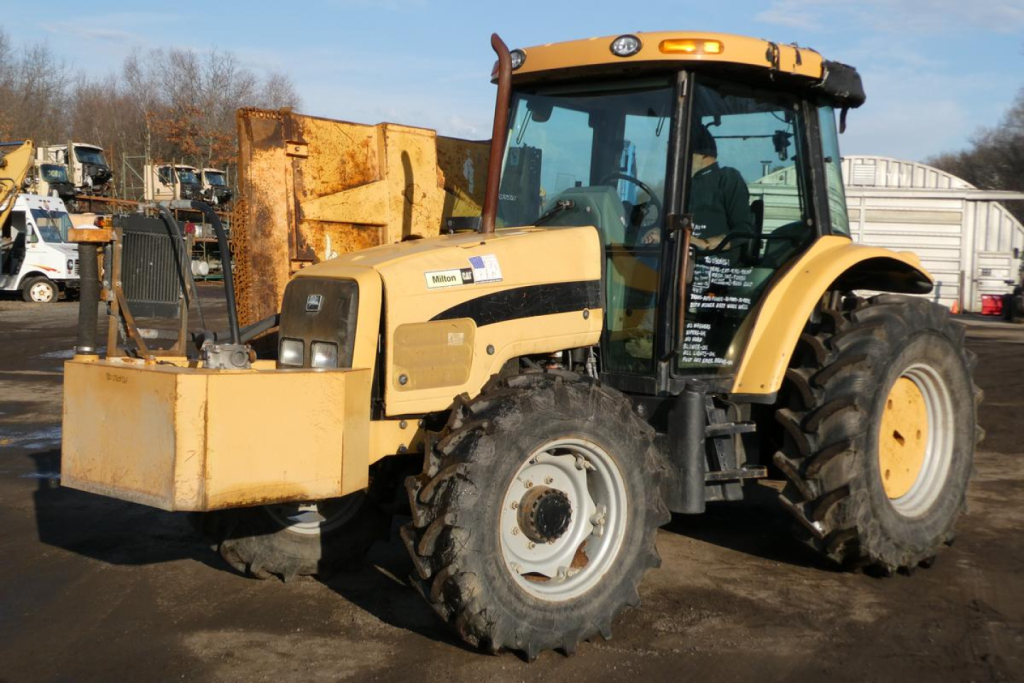
2008 Challenger MT455B
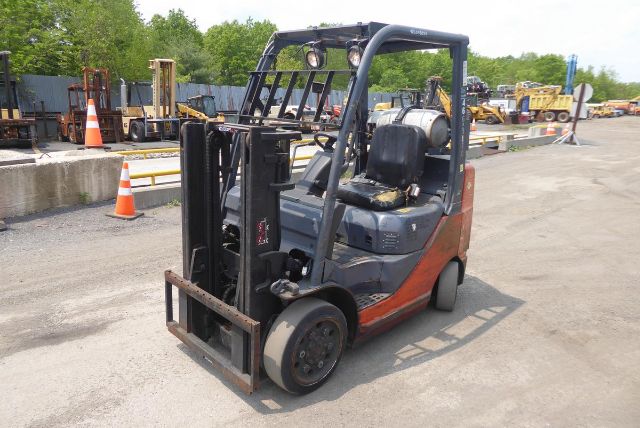
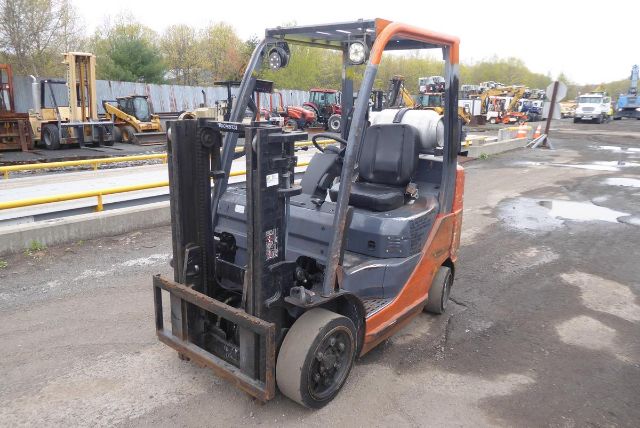
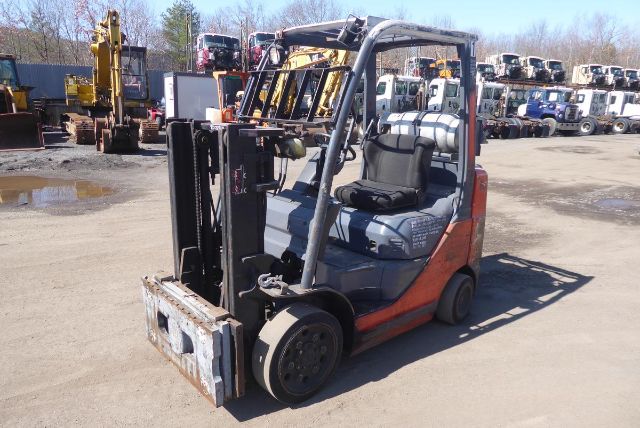
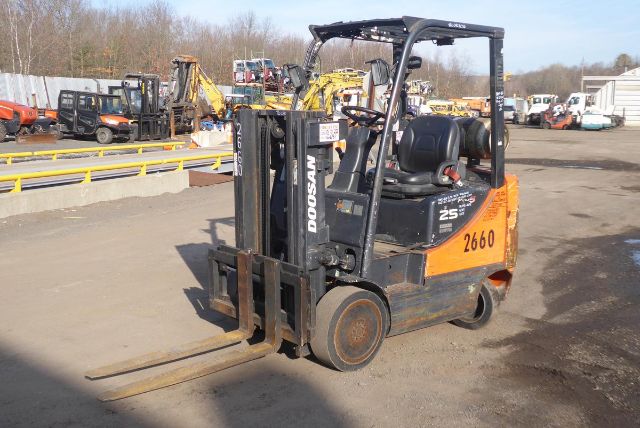
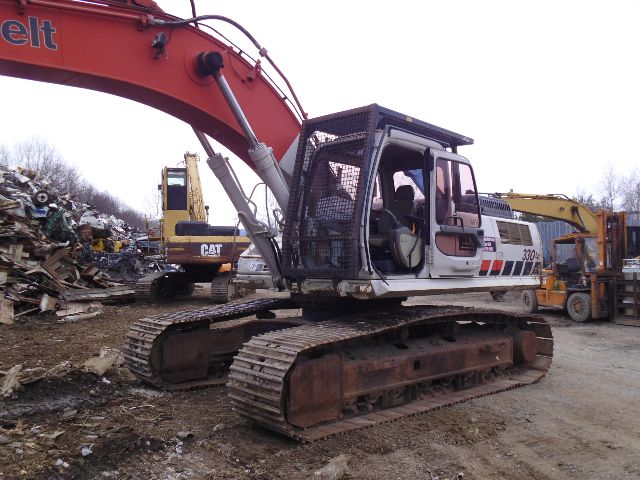
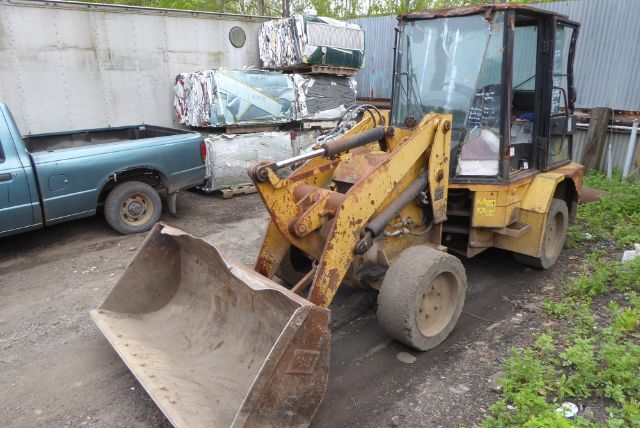
Selling a used 2008 equipment? List your used 2008 equipment for sale and reach thousands of commercial buyers.
Used 2008 Equipment in New York
The smartest way to shop 2008 used trucking equipment is by application first, then by spec. On trucks, buyers typically focus on engine platform, transmission type, axle ratings, wheelbase, PTO setup, suspension, and body compatibility. On trailers, common decision points include GVWR, axle configuration, deck or body construction, floor condition, brake type, and tire condition. On support equipment such as forklifts, loaders, or yard machines, capacity, mast or lift height, attachment options, hydraulic response, and hour meter readings usually matter more than age alone. A well-kept 2008 unit with documented service, dry cylinders, solid tires or usable rubber, and no major structural issues can be a better buy than a newer unit with poor maintenance.
New York buyers should pay close attention to corrosion, especially on undercarriages, crossmembers, battery boxes, hydraulic lines, wiring connectors, and cab mounts. If the equipment has operated in municipal, warehouse, port, construction, or snow-season service, inspect for rust scale, patched repairs, and wear points tied to heavy-cycle use. Diesel emissions rules can also affect the buying decision on certain 2008-powered equipment, so it is important to confirm engine family, aftertreatment configuration if equipped, and any local or fleet compliance requirements before purchase. For forklift and material-handling applications, fuel type, indoor versus outdoor use, solid versus pneumatic tires, turning radius, and fork or attachment sizing should be matched closely to the facility and load profile.
The best 2008 trucking equipment purchases are usually the ones with a clear job match and an honest condition profile. Look for signs of consistent ownership such as clean fluid samples if available, tight mast or boom operation, smooth transmission engagement, straight frame rails, even tire wear, and complete safety systems. On older equipment, replacement-part availability and technician familiarity are also worth considering, since proven platforms often remain attractive specifically because they are easier to service and less expensive to own. If the unit’s specs line up with the work and the condition supports the price, used 2008 trucking equipment can still deliver dependable commercial value.
Frequently Asked Questions about Used 2008 Equipment in New York
What should I inspect first on used 2008 trucking equipment?
Start with the major cost items: engine or powertrain condition, transmission operation, frame or chassis integrity, hydraulic system performance if applicable, brake function, tire condition, and signs of corrosion. On older equipment, maintenance records, visible leaks, weld repairs, electrical issues, and hour or mileage consistency can tell you more than the model year alone. A 2008 unit with strong service history and no major structural problems is often a better investment than a newer machine with deferred maintenance.
Is 2008 model year equipment still a practical choice for commercial use?
Yes, 2008 equipment can still be a practical commercial choice when the application is right and the condition is verified. Many buyers target this age range because it can offer lower capital cost, simpler systems on some platforms, and strong parts familiarity in the field. The key is to buy on usable life, not just price. A detailed inspection should confirm that wear components, emissions-related systems where applicable, and structural elements still support the intended workload.
Why does location in New York matter when buying used trucking equipment?
New York operating conditions can have a major effect on used equipment condition. Winter road salt, freeze-thaw cycles, urban stop-and-go driving, and heavy-duty municipal or industrial work can speed up rust, wiring corrosion, brake wear, and hydraulic-line deterioration. Buyers should inspect underbody surfaces, crossmembers, fasteners, cab mounts, and electrical connections carefully. Regional use history can be just as important as make, model, or year.
What specs matter most when comparing different types of used trucking equipment?
The most important specs depend on the equipment class, but the principle is the same: match the machine to the job. For trucks, focus on engine, transmission, axle ratings, suspension, wheelbase, and PTO or body setup. For trailers, look at GVWR, axle spread, deck or body condition, and brake system. For forklifts or yard equipment, buyers usually compare lift capacity, mast height, fork dimensions, fuel type, tire type, and hydraulic functions. Specs should support the actual load, route, and duty cycle rather than just general capability.
How important are parts and service support on a 2008 unit?
Parts and service support are critical on older equipment because downtime can erase any savings from a lower purchase price. Well-known platforms often hold value because technicians already understand them and replacement parts are easier to source through OEM and aftermarket channels. Before buying, it is smart to confirm availability of common wear parts, hydraulic components, engine parts, electronic modules if equipped, and any application-specific attachments. Strong support can make a 2008 machine far more practical to own long term.