
Used Lifts - Telescopics For Sale
Used lifts - telescopics for sale: compare capacity at reach, inspect boom wear and hydraulics, and verify attachment compatibility before buying.
Selling a used lifts - telescopic? List your used lifts - telescopic for sale and reach thousands of commercial buyers.
Used Lifts - Telescopics
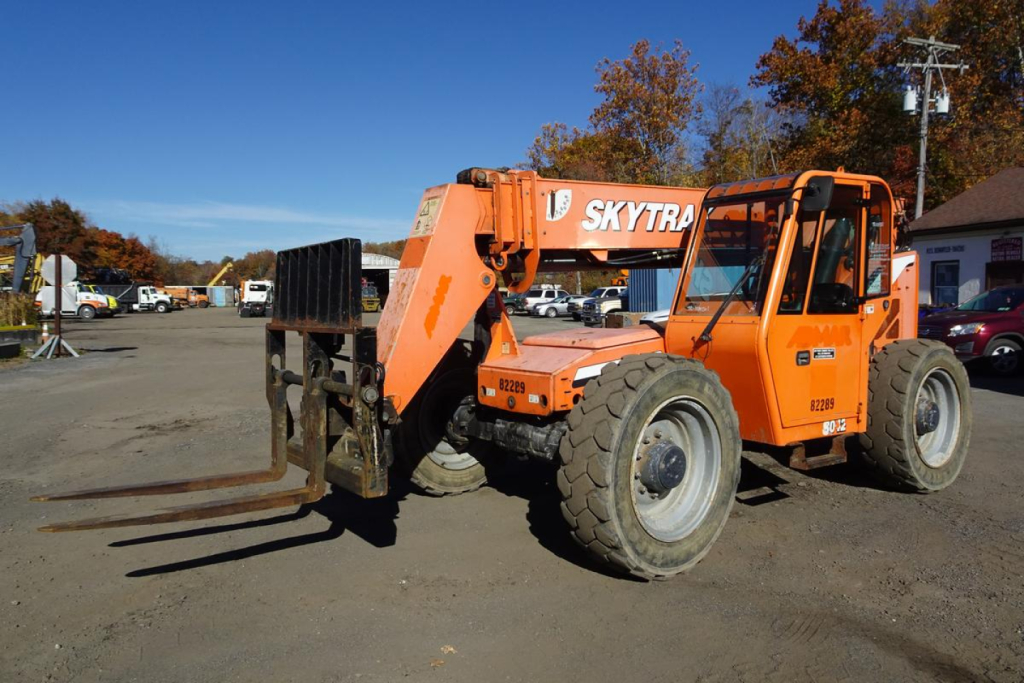
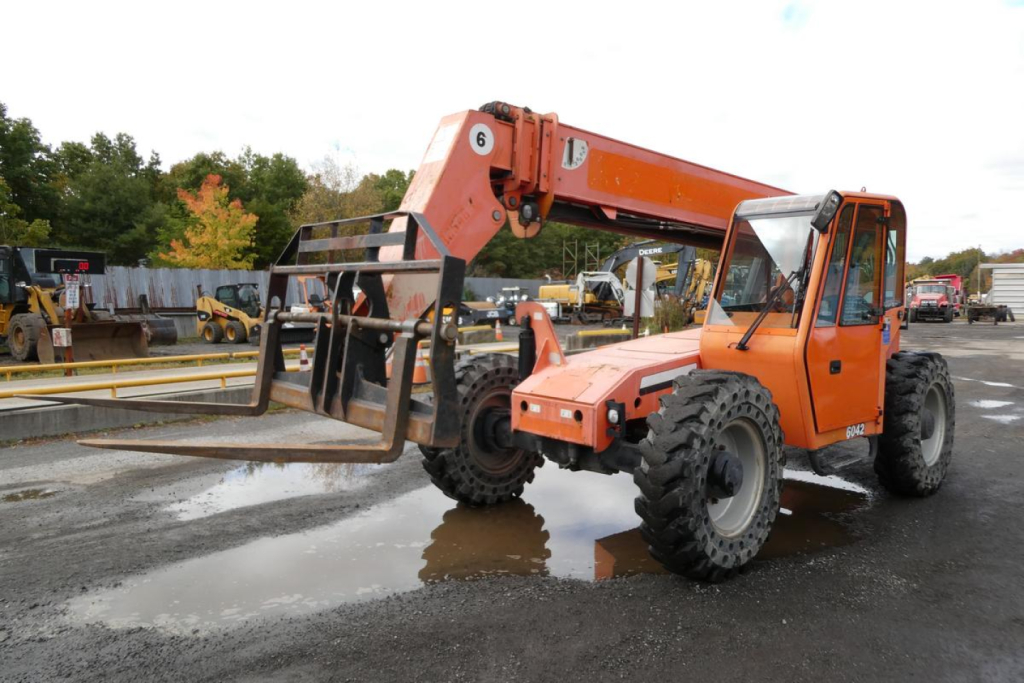
On a used machine, inspect boom sections, wear pads, pins, bushings, forks, and carriage locks for damage or excessive play. Have a qualified operator test boom extension and hydraulic holding under a controlled load within the chart, following the manufacturer's procedure, and check steering alignment in every mode. Compare hour-meter readings with service records and ECM hours where available, then verify hydraulic, axle, and transmission maintenance. Across makes such as JLG, Genie, JCB, and Manitou, confirm the serial-number-specific manuals, parts support, and attachment compatibility. For U.S. and Canadian winter work, inspect cold-start equipment, cab heat, and hoses, and plan for reduced traction on frozen ground.
Frequently Asked Questions about Used Lifts - Telescopics
Can I haul a used telehandler on a bumper-pull trailer?
Many full-size telehandlers require a heavy equipment trailer and suitably rated tow vehicle rather than a typical bumper-pull setup. Calculate actual transport weight with forks, attachments, fuel, and tie-down gear, then verify trailer payload, axle ratings, hitch rating, and combined weight limits. Measure loaded height and width before routing the move, and check commercial licensing, securement, and permit requirements in each U.S. state or Canadian province traveled.
Do used telehandlers need DEF?
A used telehandler needs DEF only when its engine uses a DEF-based selective catalytic reduction system. Nonroad Tier 4 emissions technology varies by engine family and power rating, and a diesel particulate filter does not automatically mean the machine uses DEF. Read the engine emissions label and operator's manual, inspect any aftertreatment system for faults or tampering, and confirm local operating requirements before purchasing.
Is a truck-mounted forklift the same as a telehandler?
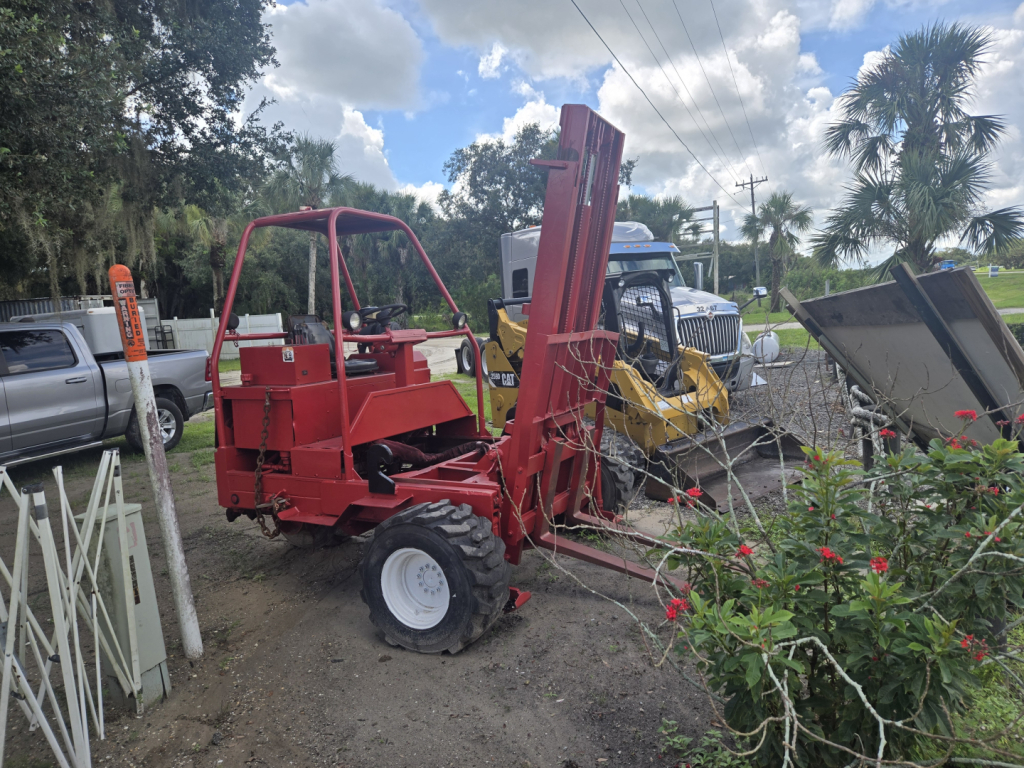
No. A conventional truck-mounted piggyback forklift is built around delivery unloading and typically uses a mast, while a telehandler uses an extending boom for forward reach and elevated placement. Some truck-mounted machines offer reach features, so verify the actual lifting mechanism and load chart rather than relying on the category name. For a piggyback machine, confirm the truck or trailer mounting kit, rear axle loading, and transport dimensions.
Do telehandler operators need certification in the U.S. and Canada?
U.S. employers must ensure telehandler operators receive powered industrial truck training and evaluation appropriate to the machine and workplace. OSHA requires operator performance evaluation at least once every three years, with refresher training triggered by unsafe operation, an accident or near miss, or relevant equipment or workplace changes. Canadian training and competency requirements vary by province and territory. A training card does not replace employer authorization or familiarization with the specific telehandler and attachments.
What should I check during a used telehandler test drive?
Test a used telehandler both cold and fully warmed up, because transmission slip and weak hydraulics may become more apparent at operating temperature. Check forward and reverse engagement, each travel range, service and parking brakes, and all steering modes in a clear area. Watch for delayed engagement, driveline vibration, axle noise, overheating, or hydraulic chatter. Have a qualified technician investigate faults before treating normal hour-meter readings as evidence of sound condition.