
Used 2007 Toyota Forklifts For Sale
Used 2007 Toyota forklifts for sale: compare mast clearance, rated capacity, transmission condition, and service history before choosing a lift truck.
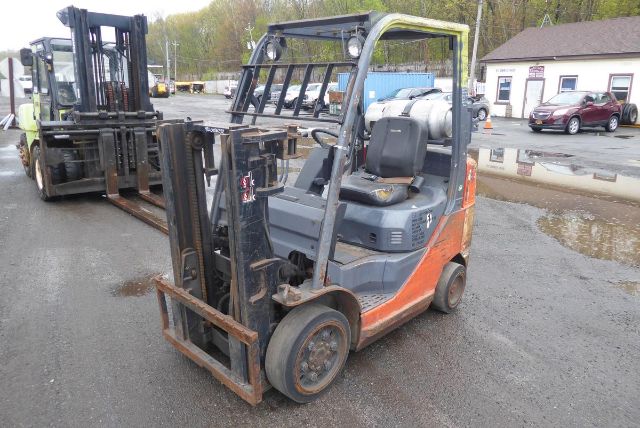
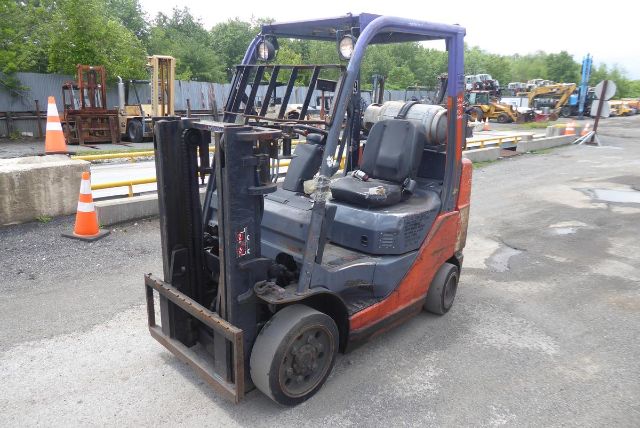
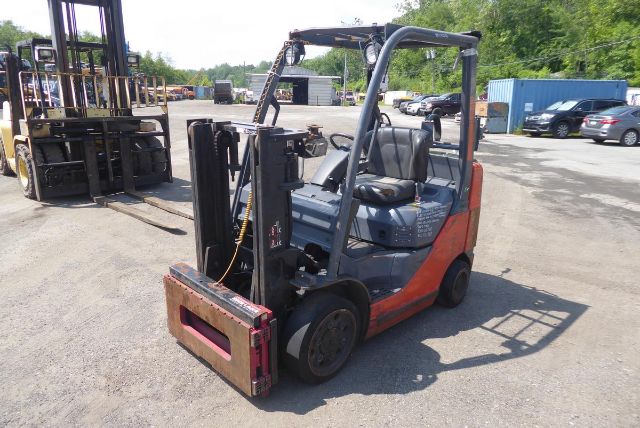
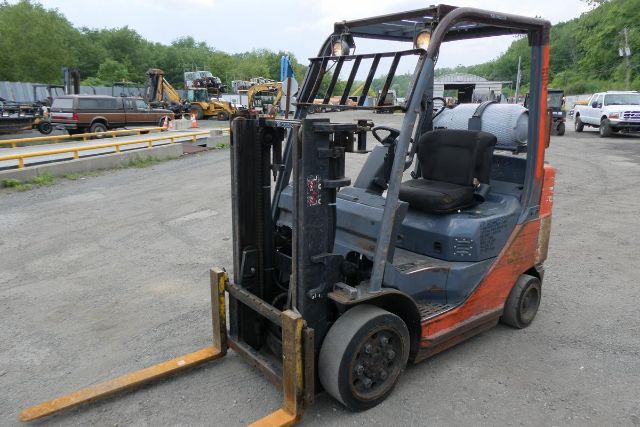
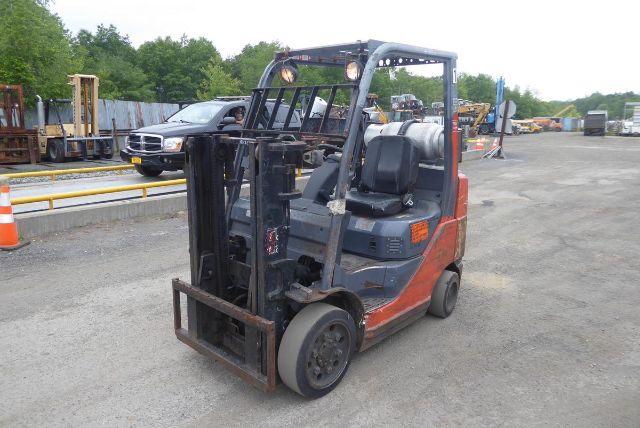
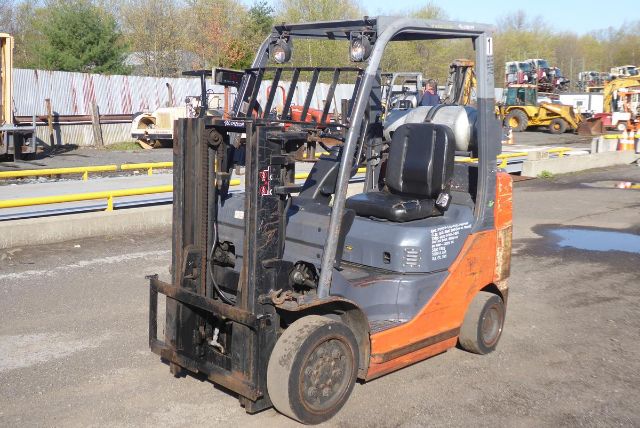
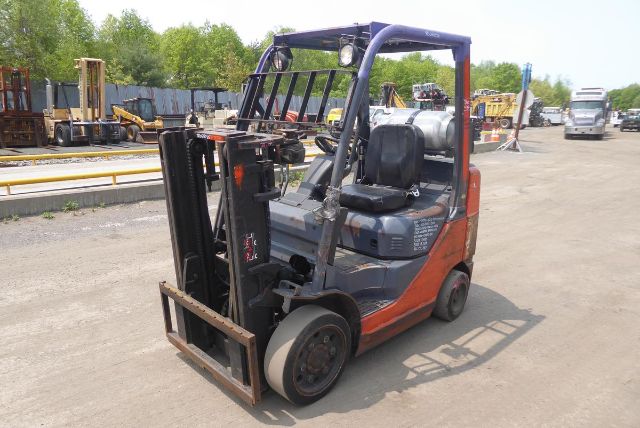
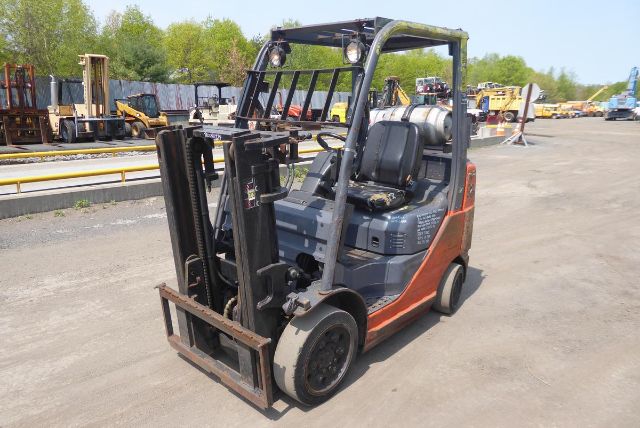
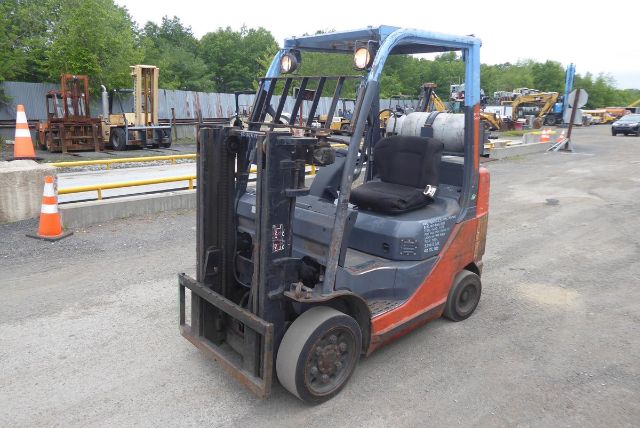
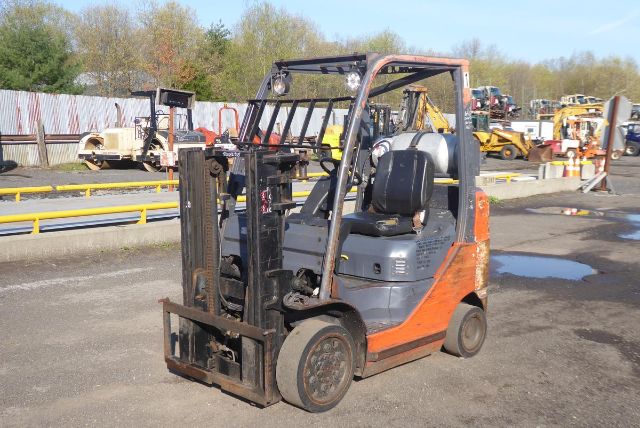
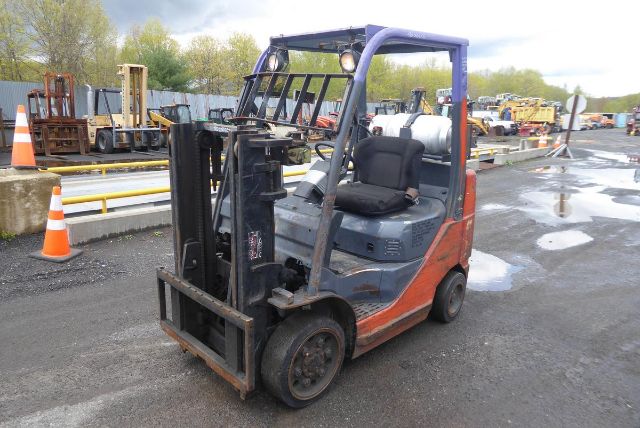
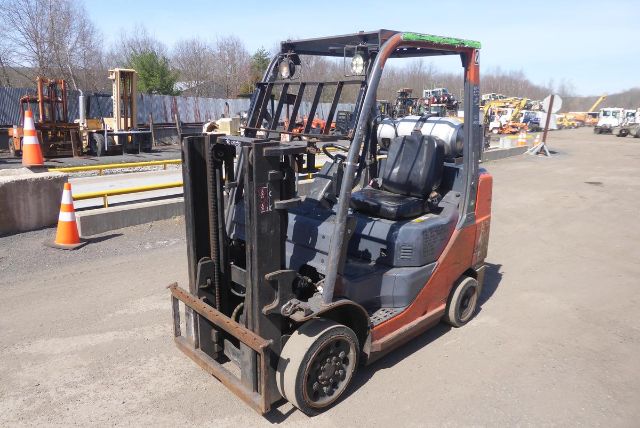
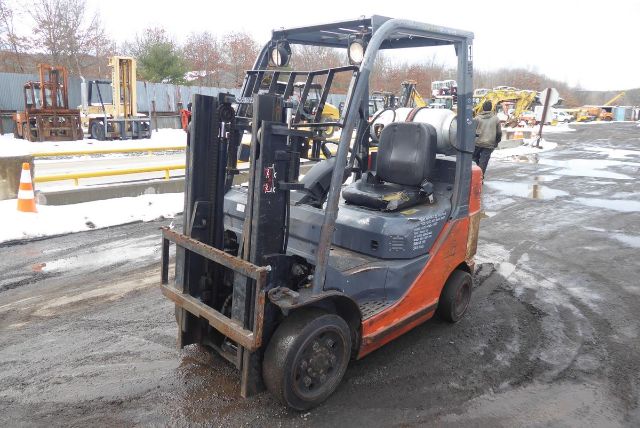
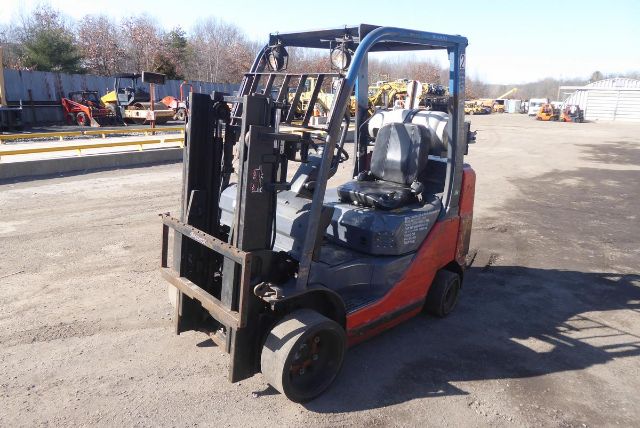
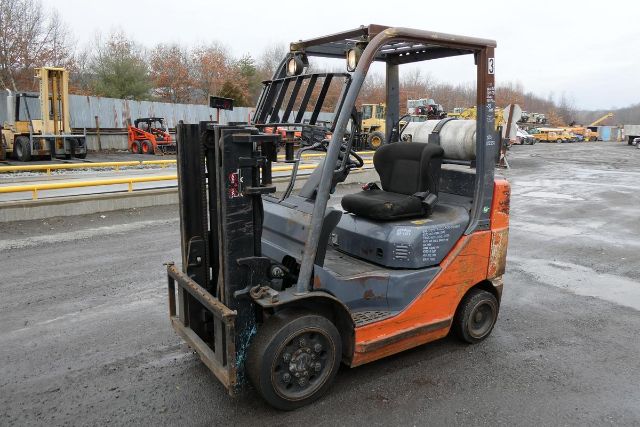
Selling a used 2007 toyota forklift? List your used 2007 toyota forklift for sale and reach thousands of commercial buyers.
Used 2007 Toyota Forklifts
Measure lowered mast height against door openings and trailer clearance, then check maximum fork height and free lift against the actual job. An attachment or longer load center can reduce usable capacity, so match the data plate to the installed mast, forks, and sideshifter. Check right-angle stacking requirements as well as truck width; a lift truck that clears the doorway may still be unsuitable for the aisle.
On a 2007 machine, reconcile hour-meter readings with service records, pedal wear, and controller or engine diagnostic history where supported. Have a qualified technician check cold starting, hot forward and reverse engagement, service and parking brakes, steering play, mast-chain wear, and cylinder drift. Verify lifting performance under a controlled load after safety checks. Inspect Toyota's System of Active Stability components where equipped rather than assuming an illuminated warning is only a switch fault. Across the US and Canada, check frame and electrical corrosion from salt exposure and cold-storage work. Indoor propane operation requires adequate ventilation and carbon monoxide controls.
Frequently Asked Questions about Used 2007 Toyota Forklifts
Can a 2007 Toyota 8FGCU25 lift 5,000 pounds with any attachment?
No. A 2007 Toyota 8FGCU25 can handle 5,000 pounds only when its capacity plate authorizes that weight at the specified load center and lift height. The model's nominal rating commonly uses a 24-inch load center. A clamp, fork positioner, or load extending farther forward can reduce capacity. Require a legible capacity plate that accounts for the installed attachment rather than calculating an allowable load from the model number.
How much fork wear is too much on a used 2007 Toyota forklift?
A 10% loss of original fork thickness is a common removal-from-service threshold for forklift forks. Have a qualified inspector measure the fork heel with proper gauges and check for cracks, unequal tip heights, excessive bending, and damaged retaining locks. Replacement forks on a 2007 Toyota forklift must match the carriage mounting class, required capacity, and load dimensions; a pair that merely fits the carriage is not enough.
Do I need a CDL to operate a 2007 Toyota forklift?
A CDL is not normally required to operate a 2007 Toyota forklift within a private workplace, but operator training and employer authorization are required. In the United States, OSHA requires powered industrial truck training and an operator performance evaluation at least once every three years, with refresher training under specified circumstances. Canadian requirements follow the applicable provincial or territorial occupational safety rules. Public-road operation raises separate licensing and equipment requirements.
What should I check before buying a 2007 Toyota electric forklift?
Battery condition is the main ownership-cost check on a 2007 Toyota electric forklift. Request a battery load test, inspect the tray for corrosion and leakage, and confirm usable runtime for the intended shift. Battery voltage, dimensions, connector, and minimum weight must meet the truck's specifications. Verify that the charger matches the battery chemistry and capacity and that its input voltage and phase match the building's electrical supply.