
Used Excavators For Sale in New York
Shop used excavators for sale in New York. Compare operating weight, undercarriage, boom setup, hydraulics, and attachment capability.
Learn more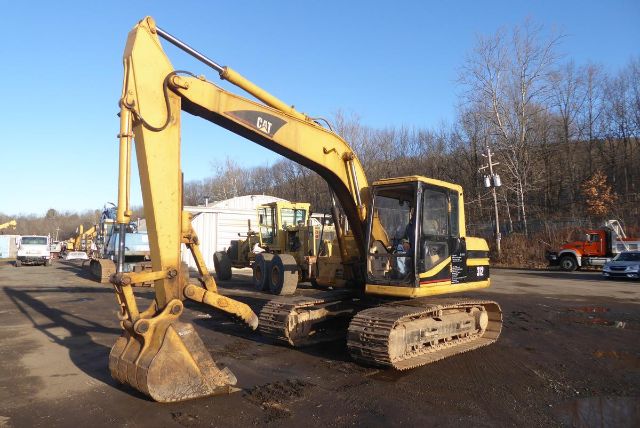
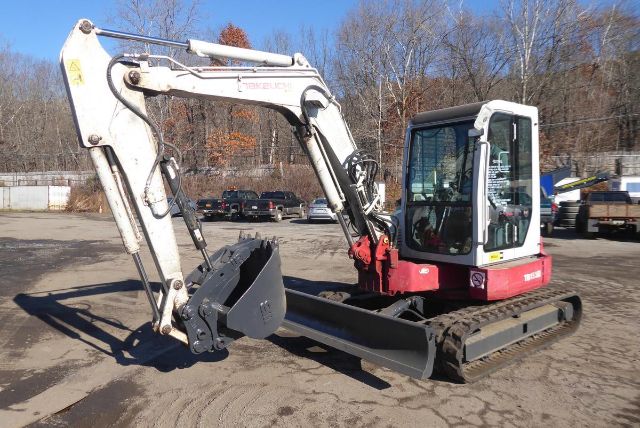
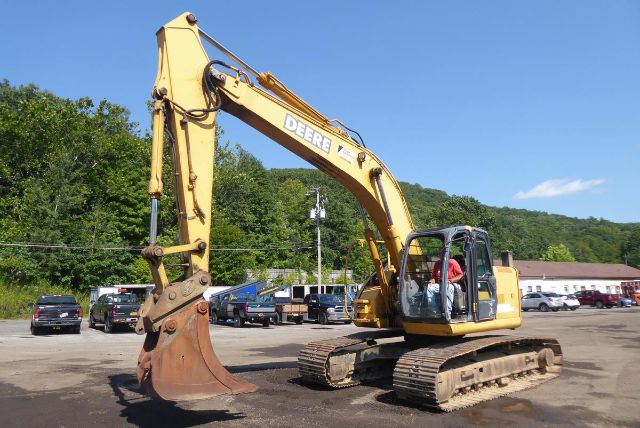
Showing 13 to 15 of 15 results
Have used excavators equipment to sell? List it here to reach thousands of buyers.
About Used Excavators in New York
Operating weight is usually the fastest way to narrow the field. Mid-size and heavy excavators in the 40,000 to 70,000 pound range are common on commercial excavation, roadwork, and utility jobs, with boom lengths, stick lengths, and bucket size affecting reach, breakout force, and truck loading performance. Buyers should compare long carriage versus compact radius layouts, pad width, roller condition, sprocket wear, and overall undercarriage life remaining. On used machines, undercarriage percentage has a major effect on true ownership cost, especially on older units where rails, pads, rollers, and idlers can quickly change the economics of the purchase.
Hydraulic condition matters as much as engine hours. A used excavator should be evaluated for cylinder seepage, main pump response, swing bearing play, house rotation smoothness, boom and stick pin wear, and any weakness in travel motors or auxiliary circuits. Machines equipped with a third valve or extra lines on the boom are more flexible for thumbs, breakers, compactors, and quick coupler setups. Enclosed cabs, joystick controls, hydrostatic drive systems, and quick disconnect buckets are common features in this category, but the real value is in how tight the pins are, how dry the cylinders stay under load, and how consistently the machine tracks, swings, and digs through a full work cycle.
Older used excavators can still be productive if they match the job and are priced with repairs in mind. Buyers should look closely at service records, hour meter credibility, cold-start behavior, blow-by, cooling system performance, and structural areas such as boom foot, stick base, turntable, and carbody. In New York, transport width and shipping length also deserve attention, especially for moves through dense metro corridors or for contractors working across multiple counties. A well-bought used excavator can deliver strong value, but the best purchase is usually the machine with the clearest maintenance history, the healthiest hydraulics, and the least deferred undercarriage and pin-and-bushing work for its size class.
Frequently Asked Questions
What should I check first on a used excavator?
Start with the undercarriage, hydraulic system, and structural wear points. Undercarriage replacement is one of the biggest ownership costs on a crawler excavator, so rail wear, roller condition, sprockets, idlers, and pad life matter immediately. After that, check for cylinder leaks, weak travel motors, slow hydraulic response, swing bearing play, and looseness in boom, stick, and bucket pins. A machine can run and still need major spending if these areas are worn out.
How important are hours on a used excavator?
Hours matter, but they do not tell the full story by themselves. A higher-hour excavator with documented maintenance, a solid undercarriage, and tight hydraulics is often a better buy than a lower-hour machine with neglected service and heavy structural wear. Buyers should compare hour meter reading with overall wear in the cab, linkage, house bearing, and undercarriage to judge whether the machine's condition matches the claimed use.
What size excavator is best for utility and site work?
For general utility trenching, site development, and loading trucks, many buyers look in the mid-size to heavy range because those machines balance reach, digging force, and attachment capability. The right size depends on trench depth, haul road conditions, trailer capacity, and access limitations. On tighter urban jobs in New York, transport width and tail swing can be just as important as operating weight.
Are extra hydraulic lines and a third valve worth having?
Yes, if the machine will run more than a standard bucket. Extra hydraulic lines and a third valve expand attachment compatibility for hydraulic thumbs, breakers, compactors, grapples, and specialty tools. On a used excavator, these features can save expensive retrofit costs and improve resale appeal, but buyers should still test the circuits under load and inspect hoses, couplers, and valve function for leaks or weak performance.
What is different about a truck-mounted excavator compared with a crawler excavator?
A truck-mounted excavator, including many Gradall-style units, combines excavating capability with road mobility. That can be useful for municipal, railroad, roadside, and utility work where the machine must move between locations without a lowboy for every short trip. A crawler excavator usually offers better off-road stability and conventional digging performance on rough ground, so the better choice depends on how much of the work is travel versus stationary excavation.