
Used Gradall Excavators For Sale in New York
Browse used Gradall excavators for sale in New York. Compare wheeled excavator specs, boom design, hydraulic condition, hours, and truck-mounted layouts.
Selling a used gradall excavators? List your used gradall excavators for sale and reach thousands of commercial buyers.
Used Gradall Excavators in New York
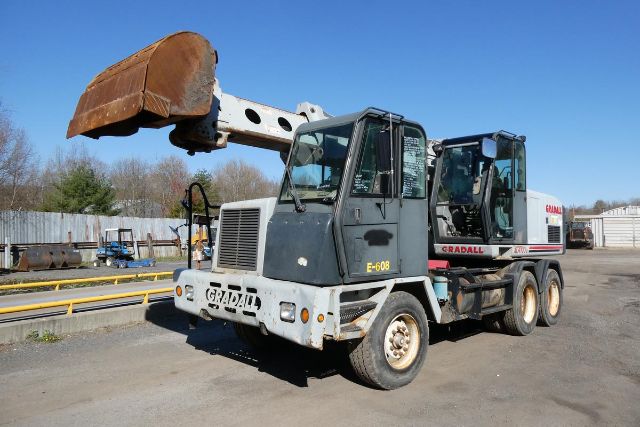
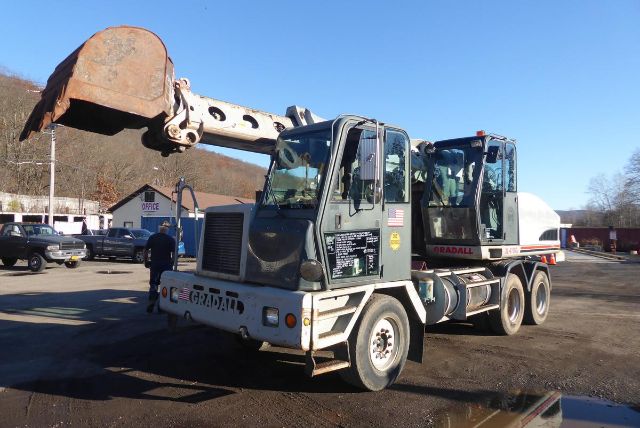
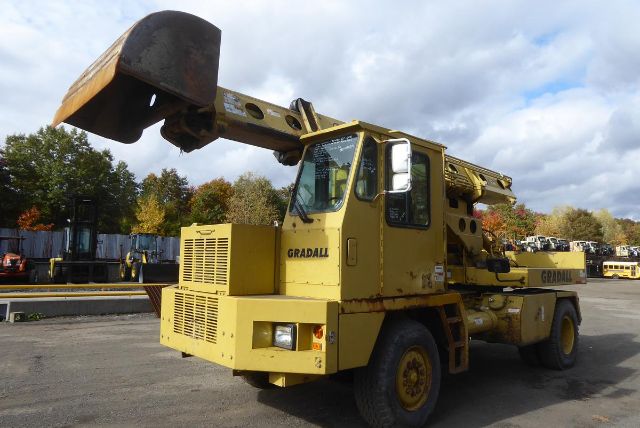
A major buying point on a used Gradall is the upper structure and boom system. Unlike a standard excavator with a fixed boom and stick, Gradall machines are known for a full-tilting telescopic boom that can excavate below grade, shape slopes, clean ditches, and work under guardrails or around obstacles with less repositioning. Common units in this class include older G-series machines and later XL-series models such as the XL4100 II and XL4100 III. Typical specs can include diesel engines from Cummins or Mercedes, manual or automatic transmissions depending on the carrier, tandem rear axles, beam suspension, and operating weights often in the mid-30,000 to 50,000-pound range. Bucket sizes, edge style, and tooth setup matter because these machines are often bought for a narrow application rather than general excavation.
On a used machine, hydraulic condition is usually the make-or-break issue. Cylinder seepage, weak drive motors, stabilizer performance, swing function, and boom extension under load deserve close attention. Because many Gradall excavators run the hydraulic system from the truck engine, buyers should evaluate both the excavation side and the carrier side together. Engine hours and odometer readings both matter, as do transmission operation, axle condition, tire size and wear, frame integrity, and the condition of outriggers or stabilizers. An I-beam frame, highway gearing, and tire configuration can affect how well the machine travels between sites and how stable it feels once set up on the job.
For buyers comparing used Gradall excavators for sale, the key is matching the machine to the work mix. A contractor doing drainage and roadside maintenance may prioritize boom articulation, travel speed, and easy bucket changes. A municipal buyer may focus more on service history, hydraulic tightness, and parts support. A machine with moderate hours but strong hydraulics can be more valuable than one with lower hours and unresolved seepage or drive issues. Gradall excavators are also commonly referred to as wheeled excavators or truck-mounted excavators, but their boom design makes them distinctly different from many standard wheel excavators. The best choice is the one with a sound carrier, responsive hydraulics, and attachment setup that fits the kind of excavation, shaping, and maintenance work it will actually see.
Frequently Asked Questions about Used Gradall Excavators in New York
What makes a Gradall excavator different from a standard excavator?
A Gradall excavator is best known for its telescoping, tilting boom design, which gives it a different working range and motion than a conventional boom-and-stick excavator. That design makes Gradall machines especially effective for ditching, slope shaping, roadside maintenance, and working around barriers or under structures. Many Gradall units are also mounted on wheeled or truck-style carriers, so they can travel between jobs faster than a crawler excavator.
What should I inspect first on a used Gradall excavator?
Start with the hydraulic system, because that is where repair costs can escalate quickly. Check boom cylinders, stabilizer cylinders, hoses, swing operation, extension function, and hydraulic drive performance under load. After that, inspect the carrier engine, transmission, axles, tires, frame, and any signs of structural cracking or chronic leaks. On these machines, the excavation system and the truck chassis need to be evaluated as one package.
Are used Gradall excavators good for road and municipal work in New York?
Yes, used Gradall excavators are a strong fit for road departments, municipalities, bridge crews, drainage contractors, and utility work where frequent jobsite moves are common. Their wheeled configuration and highway-capable carrier help reduce transport needs on certain assignments, while the boom design works well for shoulder repair, ditch cleaning, culvert work, and right-of-way maintenance. Buyers should still verify local operating requirements, axle ratings, and transport compliance for the exact machine configuration.
Do hours or miles matter more on a used Gradall excavator?
Both matter, because a Gradall combines excavation equipment wear with carrier chassis wear. Engine hours help show how much time the hydraulic and upper structure systems have spent working, while odometer miles indicate road use on the carrier, drivetrain, and running gear. A complete evaluation looks at both numbers along with maintenance history, hydraulic response, and overall machine condition.
What attachments and bucket details matter on a used Gradall?
Bucket width, depth, edge style, and tooth configuration matter because many Gradall excavators are purchased for a specific task such as ditching, grading, cleanup, or utility excavation. A smooth-edge bucket may be better for shaping and finish work, while a toothed bucket is better for digging and breaking into compacted material. Buyers should also confirm attachment fitment, coupler style if equipped, and the condition of pins, bushings, and bucket linkage.