
Used Caterpillar Excavators For Sale in New York
Browse used Caterpillar excavators for sale in New York. Compare Cat models by operating weight, undercarriage, hydraulics, reach, and bucket setup.
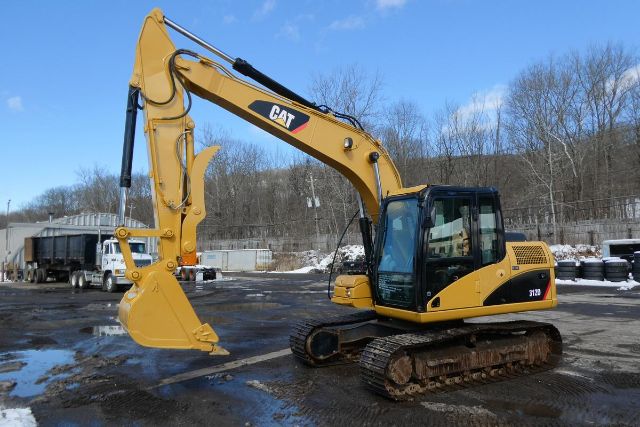
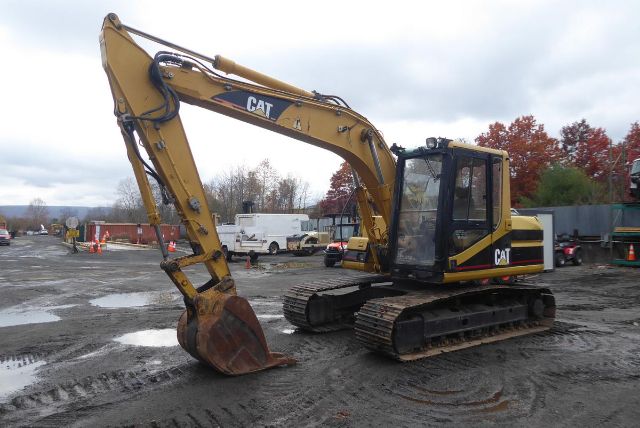
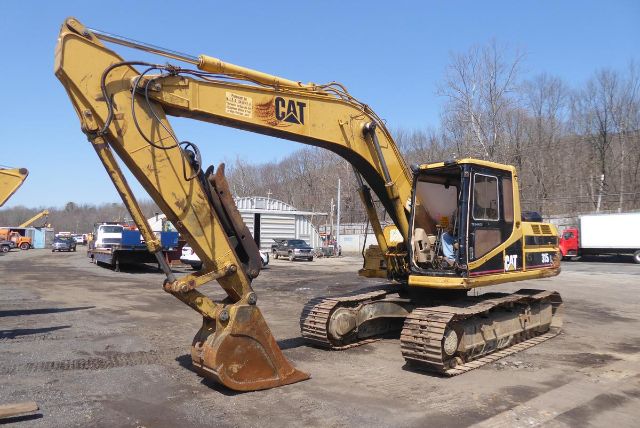
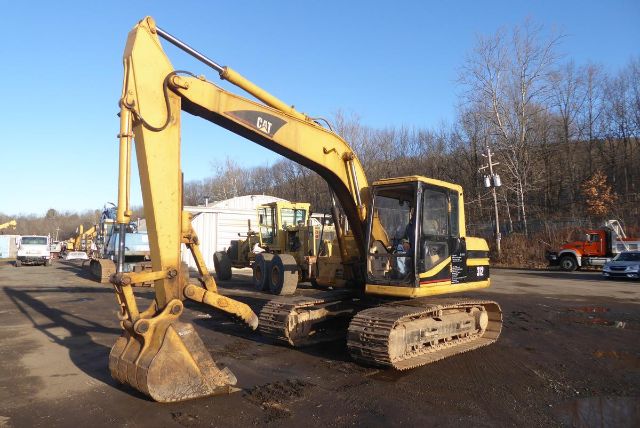
Selling a used caterpillar excavators? List your used caterpillar excavators for sale and reach thousands of commercial buyers.
Used Caterpillar Excavators in New York
A buyer should start with size class and undercarriage condition before looking at anything else. Common used Cat excavators in this category often fall into the roughly 28,000 to 36,000 pound range, with boom and stick combinations suited for general excavation, trenching, and truck loading. Track pad width, roller count, sprocket wear, and remaining undercarriage life have a direct impact on ownership cost. On older machines, pin and bushing wear, bucket condition, final drives, swing bearing play, and hydraulic cylinder seepage are all high-value inspection points. A machine that starts clean, tracks straight, and has tight linkage can be a better buy than one with lower hours but deferred maintenance.
Hydraulic configuration is another major separator in used Caterpillar excavators. Auxiliary hydraulics, additional valve circuits, and a hydraulic thumb expand the machine well beyond basic digging. That setup is valuable for handling pipe, concrete, stumps, demolition debris, and other irregular material. Buyers should also confirm joystick response, swing smoothness, travel speed under load, and how the machine performs at full operating temperature. On used Cat excavators, engine type, mechanical versus electronic fuel systems, and cab features such as heat, air conditioning, and visibility can matter as much as the headline horsepower number, especially for crews running long shifts.
Cat excavators are also known as tracked excavators or crawler excavators, and they are commonly matched with general-purpose buckets, trench buckets, thumbs, and specialty attachments depending on the work mix. For a used purchase, the best value usually comes from matching the machine to the actual application rather than buying strictly on year or hour meter. A contractor focused on sewer and water may prioritize stick length and trenching control, while a site contractor may care more about bucket capacity, lift stability, and cycle times. In a market like New York, where access, trucking, and jobsite surfaces vary widely, transport dimensions, tail swing, and ground pressure should be reviewed alongside the usual engine and hydraulic checks.
Frequently Asked Questions about Used Caterpillar Excavators in New York
What should I inspect first on a used Caterpillar excavator?
Start with the undercarriage, hydraulics, and structural wear points. Track chains, pads, rollers, idlers, and sprockets are expensive wear items, so remaining undercarriage life can change the real purchase cost significantly. Then check boom, stick, bucket linkage, pins, and bushings for play, inspect cylinders and hoses for leaks or seepage, and confirm the machine starts well, tracks straight, swings smoothly, and has consistent hydraulic power when fully warmed up.
What size used Cat excavator is most common for general construction work?
Mid-size Caterpillar excavators are common for general construction because they balance reach, digging force, truck loading ability, and jobsite mobility. Machines in the approximate 28,000 to 36,000 pound class are often used for utility work, foundation digging, grading support, drainage, and site preparation. This size range is large enough for productive excavation but still practical for many contractors that move equipment regularly between jobs.
Are older mechanical Cat excavators still a good buy?
They can be, especially for buyers who value simpler engines and straightforward serviceability. Older mechanical-injection Cat excavators can be attractive when they have solid maintenance history, good undercarriage life, and tight hydraulics. The tradeoff is that age-related wear becomes more important than the hour meter alone, so issues such as final drive seepage, cylinder leaks, worn linkage, weak starting, and cooling system condition need to be evaluated carefully.
Why do auxiliary hydraulics and a hydraulic thumb matter on a used excavator?
Auxiliary hydraulics and a thumb make the excavator more versatile and can improve job profitability. With the right plumbing and valve setup, the machine can handle more than bucket work, including material handling, demolition, land clearing, and pipe placement. A hydraulic thumb is especially useful for gripping concrete, rock, brush, and irregular debris, and it can reduce the need for a second machine on smaller jobs.
What matters most when buying a used Caterpillar excavator for work in New York?
Transport dimensions, operating weight, and suitability for mixed job conditions should be high on the list. New York contractors often work in confined urban sites, soft ground, road projects, and utility corridors, so width, tail swing, track setup, and ground pressure can affect access and productivity. Local parts support, cold-weather starting performance, cab heat and AC, and the machine's ability to handle long travel distances on uneven jobsites are also practical considerations.