
Caterpillar Excavators For Sale
Browse Caterpillar excavators for sale, including popular mid-size models with tracked undercarriages, hydrostatic drive, digging power, and jobsite versatility.
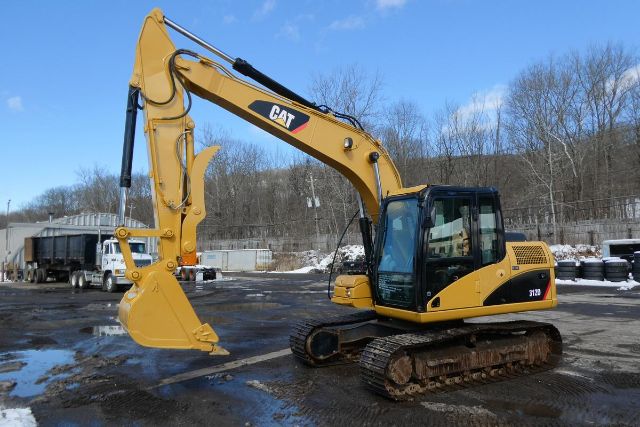
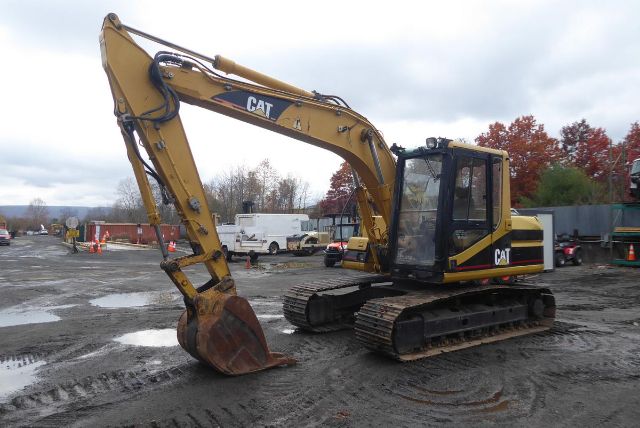
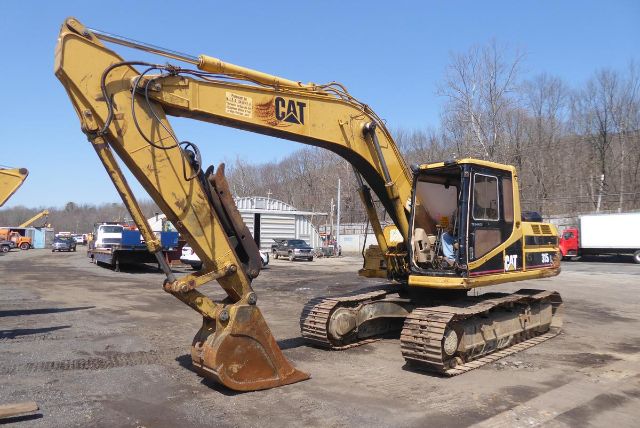
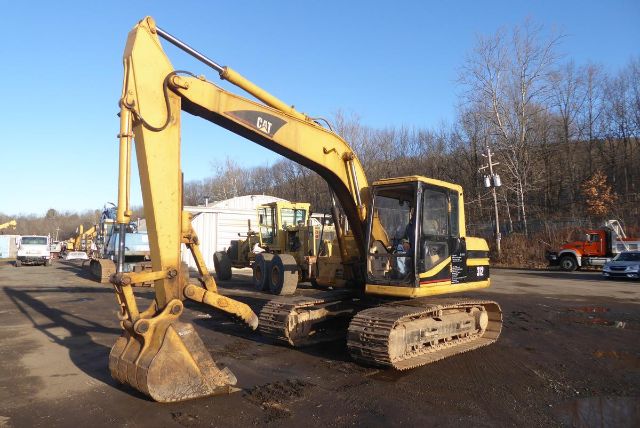
Selling a caterpillar excavators? List your caterpillar excavators for sale and reach thousands of commercial buyers.
Caterpillar Excavators
For most buyers, the key decision starts with operating weight, tail swing, and transport dimensions. Many Caterpillar excavators in this class fall around 28,000 to 36,000 pounds, with widths commonly in the 8-foot to 9-foot range. That makes them large enough for production work but still manageable for regional hauling with the right trailer setup and permitting. Common configurations include hydrostatic travel, enclosed cab, joystick controls, triple grouser pads, standard boom and stick combinations, and general purpose buckets with digging teeth. Machines may also be equipped with a hydraulic thumb, auxiliary hydraulics, quick coupler, or additional valve circuits for attachments.
Condition matters more than decals on a used excavator. Buyers should pay close attention to undercarriage wear, including track pads, rollers, idlers, sprockets, and overall ground contact. Pins and bushings, bucket linkage, swing bearing condition, and cylinder seepage are also major cost points. On older Caterpillar excavators, it is common to see cosmetic wear, some looseness in the front end, or minor hydraulic leaks, but excessive play, weak travel, hard starting, or poor steering response can point to more expensive repairs. Hour meter readings help frame value, but service history, cold start behavior, and hydraulic performance under load usually tell more about the machine than hours alone.
Cat excavators also tend to hold buyer interest because operators know the control layout and owners can usually source parts, service information, and attachments without much trouble. A buyer comparing listings should look at engine type, horsepower, boom and stick length, bucket size, cab equipment, and attachment readiness, then weigh those specs against undercarriage life and hydraulic condition. A well-matched Caterpillar excavator can handle daily digging and truck loading work for years, provided the machine’s wear points are understood up front and transport requirements fit the intended operation.
Frequently Asked Questions about Caterpillar Excavators
What size Caterpillar excavator is best for general construction and utility work?
For general construction, trenching, and site work, many buyers target Cat excavators in the mid-size range, often around 28,000 to 36,000 pounds. Machines in this class offer a good balance of digging depth, lifting capability, truck loading reach, and transportability. They are large enough for serious production work but still practical for contractors moving equipment between jobs on a regular basis.
What should I inspect first on a used Caterpillar excavator?
Start with the undercarriage, hydraulic system, and front end wear. Track condition, rollers, idlers, and sprockets can add significant ownership cost if they are near the end of service life. Check for seepage or active leaks at boom, stick, and bucket cylinders, then inspect pins and bushings for excess movement. After that, evaluate engine starting, travel function, swing performance, and hydraulic power under load.
Are older Caterpillar excavators still a good buy?
Older Caterpillar excavators can still be a solid purchase if the machine has been maintained and the wear components are honestly represented. Many older Cat models are valued for mechanical simplicity and familiar controls. The main risk is deferred maintenance, especially in the undercarriage, hydraulics, cooling system, and swing components. Age alone is less important than operating condition, service records, and how the machine performs during inspection.
What attachments are commonly used on Caterpillar excavators?
Common attachments include general purpose buckets, trench buckets, hydraulic thumbs, quick couplers, hammers, and specialty tools that use auxiliary hydraulics. A hydraulic thumb is especially useful for demolition debris, pipe handling, land clearing, and material sorting. Buyers should confirm valve setup, coupler compatibility, and hydraulic flow requirements before assuming an excavator is attachment-ready.
How important is transport size when buying a Caterpillar excavator?
Transport size is a major buying factor because operating weight, width, and boom configuration affect trailer choice, legal routing, and permit needs. Many mid-size Cat excavators can be hauled efficiently, but the exact setup depends on regional regulations and total combined weight with the trailer and tractor. Buyers who move machines frequently should compare shipping length, width, cab height, and operating weight before making a final decision.