
Caterpillar Equipment For Sale in New York
Browse Caterpillar trucking equipment for sale in New York, including durable used machines known for strong diesel power and jobsite reliability.
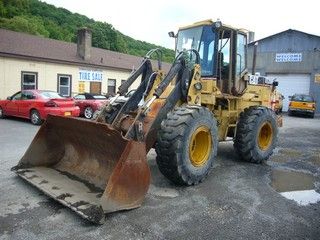
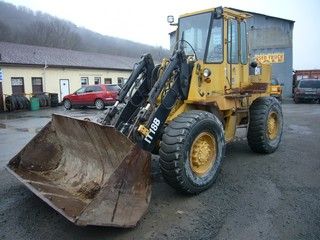
Showing 29 to 30 of 30 results
Have caterpillar equipment to sell? List it here to reach thousands of buyers.
Caterpillar Equipment in New York
For buyers comparing older and newer Cat equipment, engine and hydraulic condition usually matter more than paint or cosmetics. Many used Caterpillar machines are mechanically driven, simple to diagnose, and still attractive to contractors, truck fleets, quarries, snow operations, municipal departments, and material yards. Common checkpoints include hour meter readings, cylinder seepage, articulation or center pin wear, transmission shift quality, tire size and condition, and the condition of quick couplers, forks, buckets, blades, or other work tools. On wheel loaders and integrated toolcarriers, buyers should pay close attention to lift arm pins and bushings, third-function hydraulics, quick-disconnect systems, and whether the machine has been used primarily for loading, pallet handling, or snow and aggregate work.
In New York, application matters because equipment may be exposed to road salt, freeze-thaw cycles, and seasonal snow demand. That makes cab condition, heater operation, glass condition, corrosion, and tire suitability more important than they might be in milder regions. Buyers looking at loaders often compare operating weight, horsepower, bucket width, fork capacity, overall width for yard or site access, and transport considerations. Larger Cat equipment can deliver excellent breakout force and stability, but hauling requirements, bridge limits, and local permitting may affect what makes sense for a fleet. Smaller Caterpillar units can be a better fit for tight sites, municipal work, feed yards, landscape supply, and support roles around trucking terminals.
Caterpillar equipment is also known by buyers for long production runs and broad model recognition, which helps when sourcing used attachments, service information, and replacement components. A well-kept older Cat can still be a productive machine if the drivetrain is sound, the hydraulics respond correctly, and structural wear is within reason. For most buyers, the best value is found by matching the machine to the actual duty cycle, not by chasing the biggest model. Loader linkage style, attachment compatibility, cab configuration, and overall operating weight should all line up with the work the machine will do every day.
Frequently Asked Questions about Caterpillar Equipment in New York
What should I inspect first on used Caterpillar trucking equipment?
Start with the major systems that are expensive to repair: engine, transmission, hydraulics, axles, and structural wear points. Check for hard starting, blow-by, fluid contamination, weak hydraulic response, cylinder leakage, articulation looseness, and irregular shifting. On loader-type equipment, pin and bushing wear, center joint condition, bucket or fork wear, and tire condition can quickly change the true cost of ownership.
Are older Caterpillar machines still a good buy?
Yes, many older Caterpillar machines remain productive because Cat built a large number of durable mechanical and early electronic models with strong parts support. The key is condition, not just age. A machine with honest hours, clean service history, solid hydraulics, and a healthy drivetrain can be a better purchase than a newer unit with neglected maintenance or excessive structural wear.
Why is Caterpillar popular in the used equipment market?
Caterpillar has strong brand recognition because the machines are widely used across construction, trucking support, aggregates, municipalities, and industrial yards. Buyers value the availability of parts, widespread technician familiarity, and the reputation for rugged frames, dependable diesel engines, and good resale demand. That broad support network often reduces downtime and makes used Cat equipment easier to own long term.
What matters most when choosing a Caterpillar loader or support machine in New York?
In New York, buyers should weigh machine size, cab condition, heating performance, tire setup, and corrosion exposure alongside the usual power and hydraulic checks. Snow handling, salt exposure, and cold-weather starts are real operating factors. A machine that fits the site, starts reliably in winter, and has a sealed cab with working heat may be more valuable than a larger unit with better paper specs.
How do I match Caterpillar equipment size to my operation?
Match the machine to material type, loading height, travel distance, site width, and transport requirements. Larger machines offer more capacity, stability, and production, but they also bring higher fuel use, more tire cost, and heavier hauling demands. Smaller Caterpillar units can be more efficient for tight yards, local material handling, truck terminal support, and municipal work where maneuverability matters as much as raw capacity.