
1993 Caterpillar Equipment For Sale in New York
Shop 1993 Caterpillar equipment for sale, including durable used Cat machines known for strong hydraulics, parts support, and jobsite versatility.
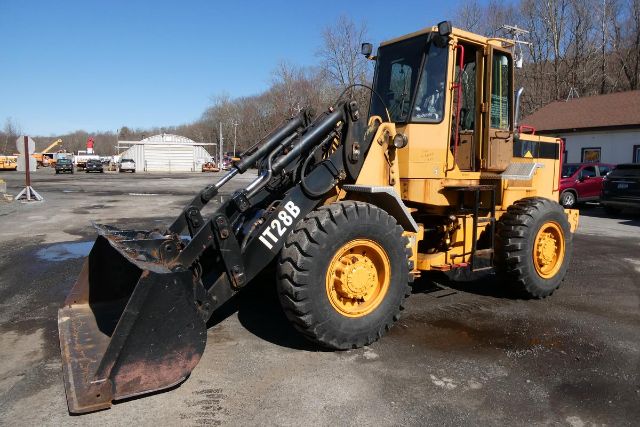
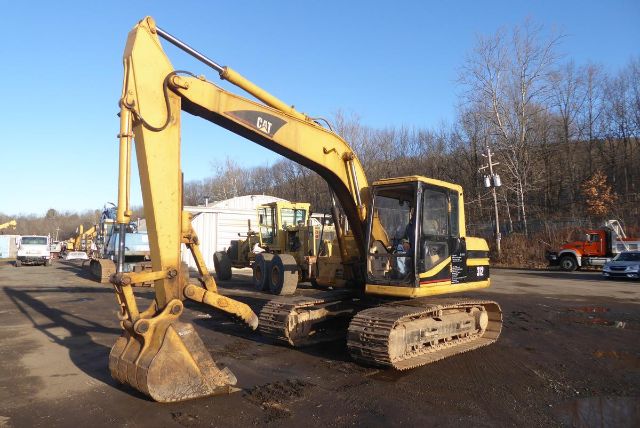
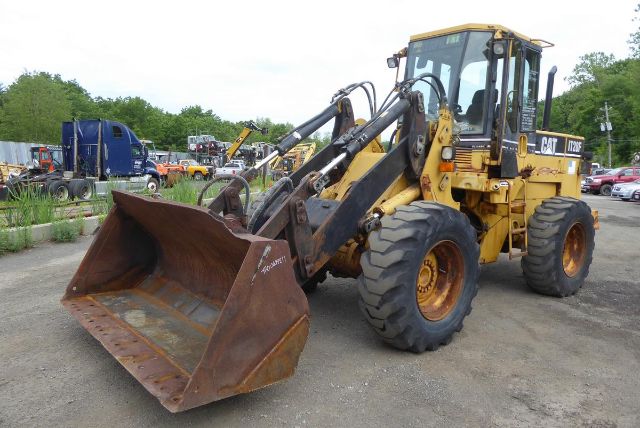
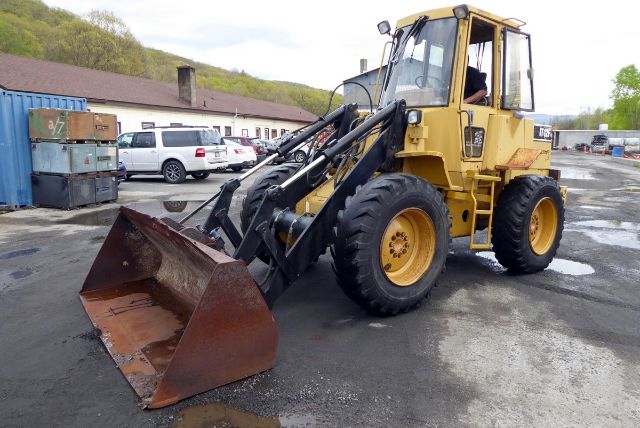
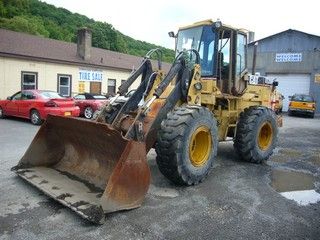
Selling a 1993 caterpillar equipment? List your 1993 caterpillar equipment for sale and reach thousands of commercial buyers.
1993 Caterpillar Equipment in New York
For buyers comparing older Cat equipment, condition matters far more than model year alone. Engine family, transmission response, articulation or steering wear, hydraulic cylinder condition, pin and bushing play, brake performance, and tire or undercarriage life should all be evaluated closely. On wheel loaders and integrated toolcarriers from this period, common decision points include operating weight, horsepower, bucket or fork compatibility, quick coupler style, and whether the machine has an enclosed cab, heat, or functioning air conditioning. Many 1993 Caterpillar machines were built for heavy daily use, so meter readings need to be considered alongside service records, cold-start behavior, smoke, blow-by, and signs of leakage around pumps, valve bodies, finals, and cylinders.
Caterpillar equipment from the early 1990s is common in municipal work, snow operations, material handling, recycling yards, small quarries, feed lots, and general construction support. Buyers often like these machines for their stable operating platforms, strong breakout force, and attachment flexibility, especially on toolcarrier and loader configurations with quick disconnects. In New York and other Northeast markets, it is smart to look for corrosion on frames, cab floors, electrical connections, hydraulic lines, and wheel rims due to winter exposure and road salt. Cold-weather starting aids, heater performance, tire condition, and brake response can also be more important in this region than they would be in southern markets.
A good 1993 Caterpillar machine can still be a cost-effective asset if the basic iron is sound. Cat remains one of the best-supported brands for replacement parts, service information, and aftermarket wear items, which helps keep older equipment productive. Buyers should confirm attachment dimensions, tire size, transport dimensions, and machine weight before purchase, especially if the unit will move between jobsites or replace an existing fleet machine. The best value in this category usually comes from equipment with honest hours, dry hydraulics, tight pins, predictable transmission engagement, and a clear maintenance history rather than simply the lowest upfront price.
Frequently Asked Questions about 1993 Caterpillar Equipment in New York
Is 1993 Caterpillar equipment still a practical buy for working use?
Yes, many 1993 Caterpillar machines are still practical for farms, yards, snow work, material handling, and light to medium construction support if they have been maintained properly. The main advantages are simpler mechanical diesel engines, less electronic complexity, and strong parts availability compared with many other older brands. The real buying decision should come down to current condition, service history, hydraulic performance, drivetrain health, and structural wear rather than age by itself.
What should I inspect first on a used 1993 Caterpillar machine?
Start with the engine, hydraulics, transmission, and the machine's main structural wear points. Look for cold-start quality, smoke under load, blow-by, oil or coolant contamination, hydraulic leaks, slow or weak cylinder function, loose pins and bushings, brake issues, and abnormal noises from axles, finals, or articulation joints. Tires or undercarriage can add significant replacement cost, so those items should be checked early in the evaluation along with cab condition and the functionality of lights, gauges, and controls.
Are parts still available for 1993 Caterpillar equipment?
In many cases, yes. Caterpillar has long-standing dealer support, and many wear parts, filters, seals, hoses, brake components, and engine service items remain available through OEM and aftermarket channels. Availability can vary by model and serial range, so it is smart to verify parts support using the serial number before buying, especially for cab components, hydraulic pumps, electronic controls, or hard-to-source attachment hardware.
Why do buyers still look for older Caterpillar equipment instead of newer machines?
Older Caterpillar equipment appeals to buyers who want lower acquisition cost and fewer emissions-related systems to maintain. Early 1990s machines are often considered easier to troubleshoot in-house, especially by owners with experienced mechanics or operators who prefer mechanical injection engines and straightforward hydraulics. For certain applications, an older Cat can deliver strong value if uptime, attachment fit, and serviceability matter more than the latest cab features or fuel-saving technology.
Does location matter when buying 1993 Caterpillar equipment in New York?
Yes, regional use and climate can affect long-term condition. In New York, buyers should pay extra attention to rust, corrosion, frozen or repaired pins, cab floor deterioration, wiring condition, heater performance, and signs of salt exposure on rims, steps, hydraulic tubes, and body panels. A machine that starts well in cold weather, has strong brakes, and shows clean hydraulic and electrical condition can be worth a premium in Northeast service.