
1993 Caterpillar Wheel Loaders For Sale in New York
Shop 1993 Caterpillar wheel loaders for material handling, yard work, and loading jobs. Compare models, specs, attachments, and operating condition.
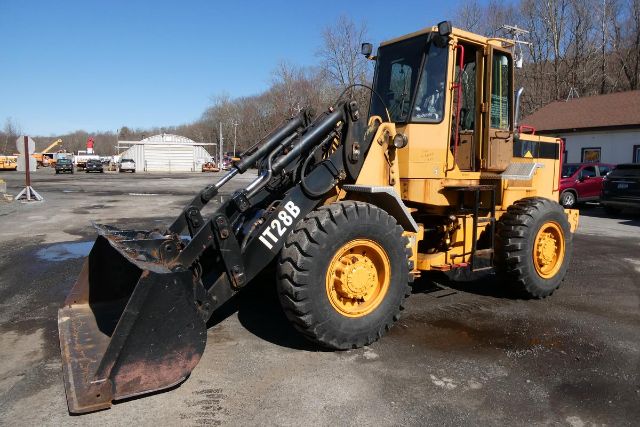
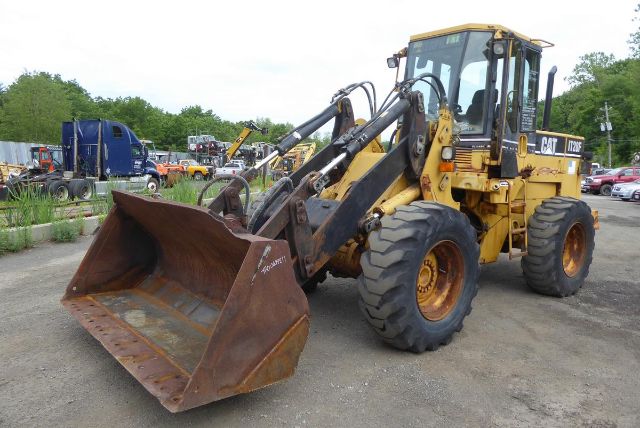
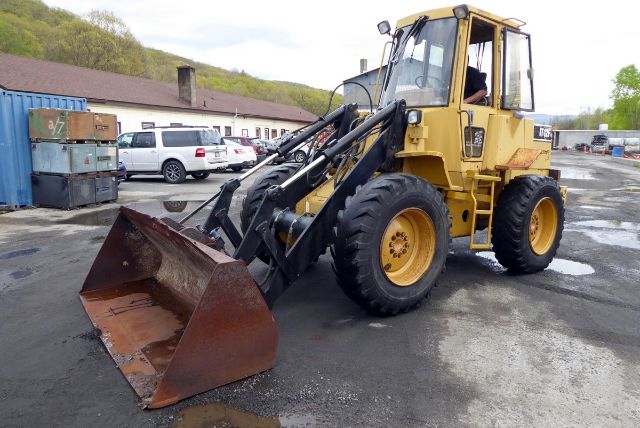
Selling a 1993 caterpillar wheel loaders? List your 1993 caterpillar wheel loaders for sale and reach thousands of commercial buyers.
1993 Caterpillar Wheel Loaders in New York
For most buyers, the key decision is whether a standard wheel loader or an integrated toolcarrier fits the work. A conventional loader is generally better for bulk material loading with the right bucket geometry and breakout force. A Cat IT series machine is designed to handle forks, buckets, and other front attachments more efficiently, which makes it useful in yards, pipe handling, palletized material work, and mixed-duty applications. Quick couplers, auxiliary hydraulics, ride control, and a dry, tight front linkage matter if the machine will switch between attachments or travel with loads.
On a 1993 Caterpillar wheel loader, common checkpoints include the 3116 engine on mid-size models, automatic or powershift transmission behavior under load, cold-start performance, axle noise, steering cylinder leakage, and pin and bushing wear at the loader arms and center articulation. Tire size and type also affect value and suitability. Bias or radial 20.5-25 and similar tire packages are common on this class, and replacement cost is significant enough to factor into the purchase. Bucket condition matters too. Look for cutting edge life, floor plating, side wear, heel wear, and signs the bucket matches the machine’s intended application rather than simply fitting the coupler.
In New York, buyers often use older Cat wheel loaders in scrap yards, quarries, landscape supply, municipal fleets, farms, transfer stations, and snow operations. Cab condition, heater performance, glass, wipers, and brake integrity carry extra weight in a four-season market. A 1993 machine can still earn its keep in secondary loading, yard support, and attachment work, but it should be evaluated as a working asset, not just a low-entry-price purchase. Service records, hour meter credibility, and a thorough inspection of leaks, weld repairs, frame condition, and hydraulic cylinder health will usually tell you more than the model badge alone.
Frequently Asked Questions about 1993 Caterpillar Wheel Loaders in New York
What should I inspect first on a 1993 Caterpillar wheel loader?
Start with the major cost areas: engine, transmission, hydraulics, brakes, axles, and articulation joint. Check for hard starting, excessive blow-by, weak hydraulic lift, delayed transmission engagement, steering looseness, and leaks at cylinders or drivetrain components. On an older Cat loader, pin and bushing wear, bucket wear, and tire replacement cost can also materially affect the real purchase value.
What is the difference between a Caterpillar wheel loader and a Cat IT toolcarrier?
A standard wheel loader is set up primarily for loading aggregate, soil, snow, or other bulk material with loader-style linkage. A Cat IT, or integrated toolcarrier, is designed for more attachment-oriented work and typically offers better fork visibility and compatibility with quick-coupled tools such as forks, buckets, and specialized front attachments. Buyers doing mixed yard work often prefer the IT configuration, while buyers focused on digging into piles may prefer a conventional loader setup.
Are 1993 Caterpillar wheel loaders easier to maintain than newer models?
In many cases, yes. Machines from this period commonly use mechanical diesel engines and simpler control systems, which can reduce diagnostic complexity compared with later electronically managed equipment. That said, age introduces its own maintenance demands. Hoses, seals, brakes, wiring, steering components, and hydraulic joints may all need attention, so simplicity does not mean low maintenance.
How important are tires and bucket condition on an older wheel loader?
They are critical because they directly affect near-term ownership cost. Loader tires in common sizes such as 17.5-25 or 20.5-25 are expensive to replace, and mismatched or heavily worn tires can indicate deferred maintenance. A bucket with worn cutting edges, thin floors, patch plating, or excessive side wear may still work, but repair costs and productivity losses should be considered before purchase.
Is a 1993 Caterpillar wheel loader still suitable for commercial use in New York?
Yes, if the machine’s condition matches the job. Older Cat loaders are still used in municipal work, snow handling, scrap operations, farms, and material yards across New York. Buyers should place extra emphasis on cold-weather starting, cab heat, brake performance, and general reliability, especially if the machine will be expected to run through winter or support daily production.