
1993 Caterpillar Wheel Loaders For Sale
Shop 1993 Caterpillar wheel loaders. Compare IT-series specs, operating weights, attachment setups, cab options, and common service points.
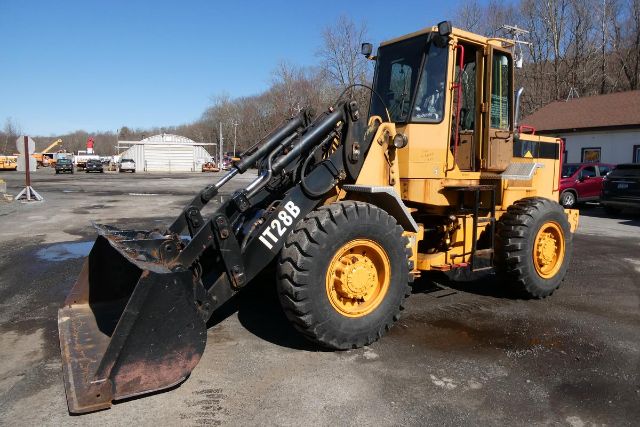
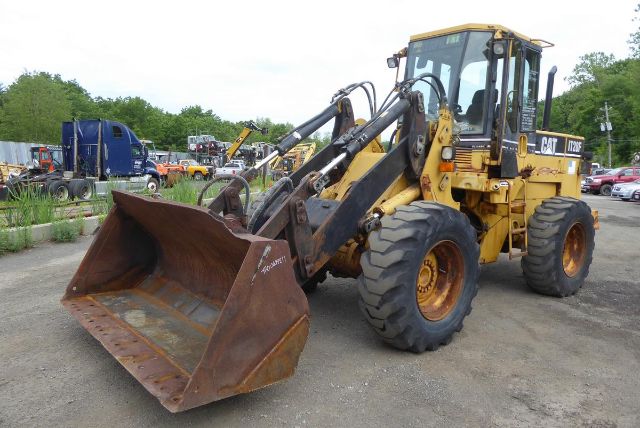
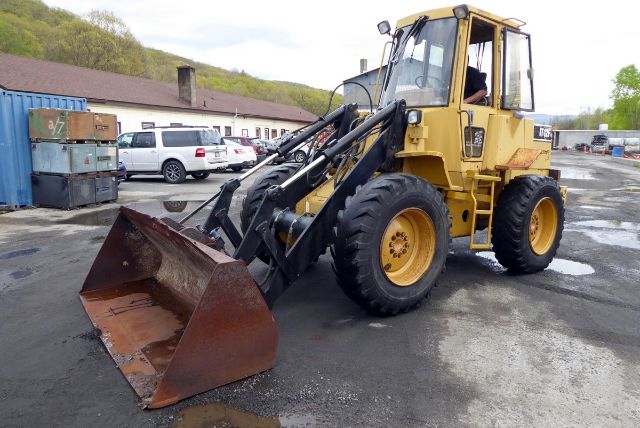
Selling a 1993 caterpillar wheel loaders? List your 1993 caterpillar wheel loaders for sale and reach thousands of commercial buyers.
1993 Caterpillar Wheel Loaders
These machines typically fall into the mid-size loader range used in construction, feed yards, lumber operations, scrap handling, municipal work, and aggregate yards. Common specs in this era include mechanical diesel engines, powershift or automatic transmissions, enclosed cabs, and tire sizes suited to the machine's weight class and intended surface conditions. On 1993 models, operating weight, hinge pin height, bucket capacity, and breakout force matter more than decals or cosmetic appearance. A loader that spends its life loading trucks has different wear patterns than one used with forks in a pipe yard or on a farm. Tire condition, center pin wear, articulation joint play, hydraulic cylinder seepage, and drivetrain engagement under load are usually stronger indicators of value than hour meter reading alone.
Caterpillar loaders from the early 1990s are known for straightforward, serviceable designs, but age makes inspection discipline important. Buyers should check cold starting behavior, cooling system pressure, transmission shift quality in every gear, brake response, axle noise, hydraulic pump performance, and steering smoothness through full articulation. Machines with quick couplers and ride control can be more versatile and productive, especially where one loader has to switch between bucket work and fork work during the same shift. Cab condition also matters more than many buyers expect. Functional heat, good glass, working gauges, and a tight seat and control layout can make a difference in operator retention and daily uptime.
For many buyers, a 1993 Caterpillar wheel loader is a value play when a newer emissions-era machine is not necessary. Mechanical engines are attractive to fleets and owner-operators who want simpler diagnostics and easier field service. The tradeoff is that component condition becomes the whole story. A well-kept 1993 Cat loader with documented engine, transmission, or center-hitch work can still be a productive machine for stockpile loading, site support, snow work, recycling, and general material handling. The best purchase decisions in this category usually come from matching lift needs, bucket or fork application, and parts support to the exact model rather than buying only by price or horsepower.
Frequently Asked Questions about 1993 Caterpillar Wheel Loaders
What is the difference between a 1993 Caterpillar wheel loader and a 1993 Caterpillar IT toolcarrier?
A standard wheel loader is generally optimized for bucket work and earthmoving, while a Caterpillar IT, or Integrated Toolcarrier, is designed for broader attachment use and material handling. IT models commonly offer geometry and coupler setups that work well with forks, buckets, and specialty tools. If the machine will spend a lot of time loading pallets, handling pipe, feed, lumber, or bundled materials, an IT configuration is often the better fit. If the primary job is loading aggregate, dirt, or snow with a bucket, a standard linkage machine may be the simpler choice.
What should I inspect first on a used 1993 Caterpillar wheel loader?
Start with articulation and loader linkage wear, transmission function, hydraulic performance, and cooling system condition. Center pins, frame joints, bucket pins, and bushings can be expensive wear points if they are badly neglected. Run the machine through every gear, check steering lock-to-lock, raise and curl the attachment under load, and look for weak hydraulics, delayed shifts, or driveline noise. Tire condition and matching tread depth also matter because replacement rubber in loader sizes can significantly affect total ownership cost.
Are 1993 Caterpillar wheel loaders expensive to maintain?
Maintenance cost depends more on condition and application history than on age alone. Many 1993 Cat loaders use mechanical diesel engines and relatively straightforward systems, which can simplify troubleshooting and field repairs compared with newer electronically managed equipment. The larger expenses usually come from neglected structural wear, transmission problems, axle repairs, hydraulic pump issues, or cooling system faults. A machine with recent documented service on major components can be a better long-term buy than a cheaper loader that still needs drivetrain or center-hitch work.
What jobs are 1993 Caterpillar wheel loaders best suited for?
These loaders are commonly used for aggregate handling, yard loading, farm and feed operations, snow removal, recycling, municipal work, and general site support. The right application depends on operating weight, bucket size, lift capacity, tire setup, and whether the machine has a quick coupler or auxiliary hydraulics. Mid-size Cat loaders from this period are often a practical choice for buyers who need a durable production machine without paying for newer emissions technology or advanced electronics.
Is hour meter reading the most important factor when buying a 1993 Cat wheel loader?
No. Hour meter reading helps establish usage, but it should not outweigh component condition, service history, and visible wear. An older loader with moderate hours can still have severe center pin wear, weak hydraulics, or transmission issues if it was poorly maintained. A higher-hour machine with documented engine work, dry cylinders, good tires, and tight articulation can be the stronger purchase. On this equipment class, inspection results usually tell you more than the meter.