
1993 Caterpillar Equipment For Sale
Browse 1993 Caterpillar trucking equipment with specs, common applications, ownership tips, and buyer guidance for older Cat machines.
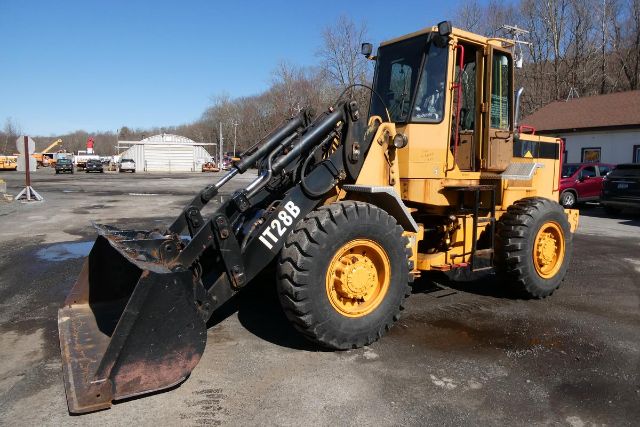
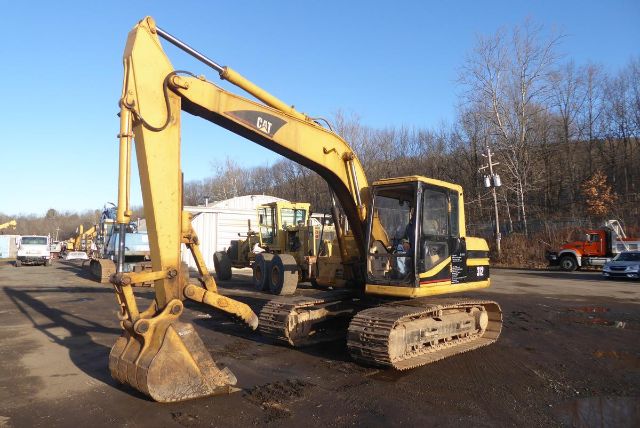
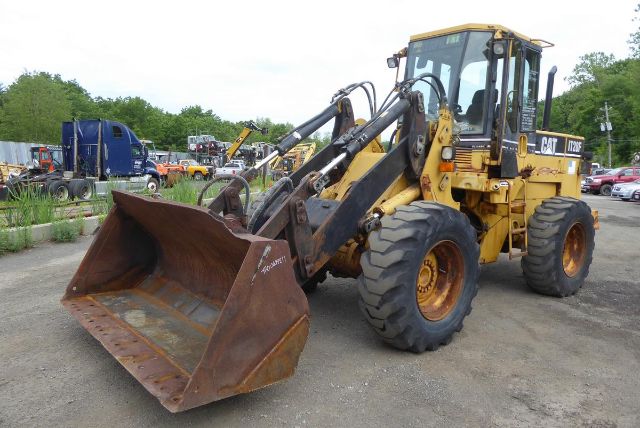
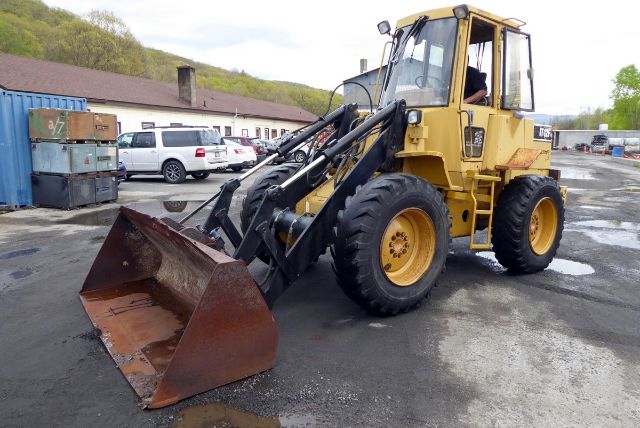
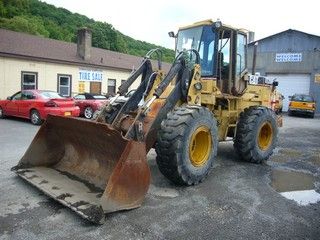
Selling a 1993 caterpillar equipment? List your 1993 caterpillar equipment for sale and reach thousands of commercial buyers.
1993 Caterpillar Equipment
The Caterpillar name in this age range shows up across several equipment classes that support trucking and material handling, including wheel loaders, excavators, forklifts, and other jobsite support machines. Wheel loaders are common for aggregate yards, scrap handling, snow work, and truck loading. Key specs to compare include operating weight, horsepower, bucket capacity, tire size, quick coupler setup, auxiliary hydraulics, and whether the machine has ride control or a third valve for forks and attachments. On excavators, buyers typically focus on operating weight, boom and stick configuration, pad width, undercarriage life, and pin and bushing wear. On older forklifts and yard support machines, mast height, lift capacity, fork dimensions, transmission response, and steer axle condition matter more than paint or cosmetic appearance.
Condition is everything on 1993 Caterpillar equipment. Buyers should pay close attention to cold-start behavior, blow-by, hydraulic seepage versus active leaks, articulation or boom play, brake response, and driveline engagement in forward and reverse. On loaders, look at center pins, bucket edge wear, cylinder condition, axle seals, and tire replacement cost, especially on solid or large L-series tires. On excavators, inspect the swing bearing, track frame wear, roller condition, sprockets, and the percentage of undercarriage life remaining. On forklifts and industrial units, confirm mast operation under load, chain condition, tilt cylinder performance, and tire type. A machine that runs well but shows normal seepage and moderate structural wear can still be a workable value if the major iron is sound and the service history supports it.
For buyers comparing older Caterpillar equipment for sale, the practical question is how the machine will be used over the next few years. A lower-cost 1993 unit can make sense for seasonal work, backup duty, farm use, recycling, or a yard where utilization is steady but not high enough to justify newer equipment pricing. It also helps to verify transport dimensions, operating weight, attachment compatibility, and the availability of local Cat dealer or aftermarket parts support before purchase. Well-kept Caterpillar equipment from this period still carries a reputation for durability, but the best buy is the one with honest wear, matching specs, and a clear fit for the job.
Frequently Asked Questions about 1993 Caterpillar Equipment
Is 1993 Caterpillar equipment still a good buy for commercial use?
It can be, especially for buyers who need durable iron at a lower acquisition cost and have realistic expectations about age-related wear. Many 1993 Caterpillar machines are valued for mechanical engines, simpler systems, and strong parts recognition. The real issue is condition, not just model year. A well-maintained unit with solid hydraulics, good driveline performance, and acceptable wear at the pins, bushings, tires, or undercarriage can still be productive in yard, farm, loading, or light contractor service.
What should I inspect first on older Caterpillar wheel loaders and excavators?
Start with the expensive wear areas and core powertrain components. On wheel loaders, inspect articulation joints, boom and bucket pins, cylinders, axle seals, brakes, transmission engagement, and tire condition. On excavators, check undercarriage percentage, swing bearing play, final drives, boom and stick pin wear, hydraulic cylinder leakage, and engine cold-start behavior. Structural repairs and major hydraulic or driveline work can quickly change the economics of an older machine.
Are parts still available for 1993 Caterpillar equipment?
Parts availability is often better than buyers expect, but it depends on the model and the exact component. Caterpillar has long supported many legacy platforms, and there is also a strong aftermarket for filters, seals, undercarriage parts, engine components, and common wear items. Before buying, it is smart to confirm serial number-based parts support, attachment compatibility, and whether any machine-specific hydraulic, transmission, or electronic components have become expensive or difficult to source.
Why do buyers still look for older Caterpillar machines with mechanical diesel engines?
Mechanical diesel engines are popular because they are generally easier to troubleshoot, less dependent on sensors and control modules, and familiar to many independent mechanics. For operations in remote areas, seasonal fleets, and owner-managed businesses, that simplicity can reduce downtime and make field repairs more practical. That does not eliminate the need for inspection, but it is one reason older Cat equipment remains active in secondary markets.
How do I know if a 1993 Caterpillar machine fits my operation?
Match the machine to the material, cycle time, transport limits, and annual hours you expect to run. For a loader, compare bucket size, lift capacity, machine width, and tire cost against the material you handle and the trucks you load. For an excavator, consider digging reach, operating weight, track width, and undercarriage condition relative to the worksite. For forklifts and yard support units, verify mast height, fork size, turning radius, and surface conditions. Older equipment makes the most sense when the duty cycle, maintenance plan, and budget all line up.