
1995 Caterpillar Equipment For Sale in New York
Shop 1995 Caterpillar equipment listings in New York. Compare models, operating weights, engine types, hydraulics, undercarriage, and attachment setup.
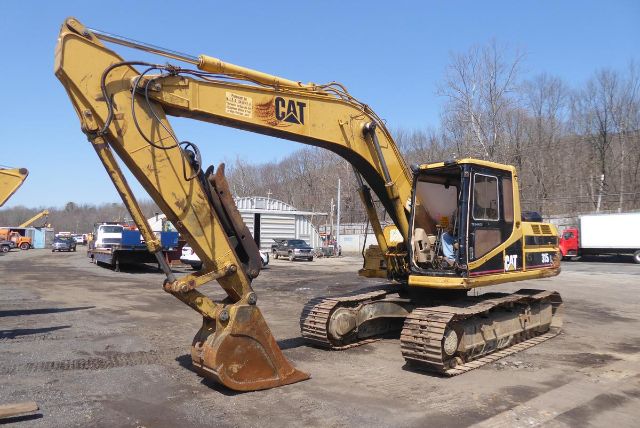
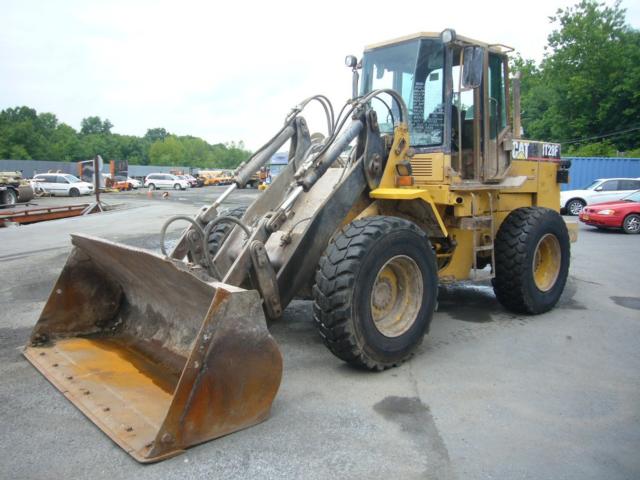
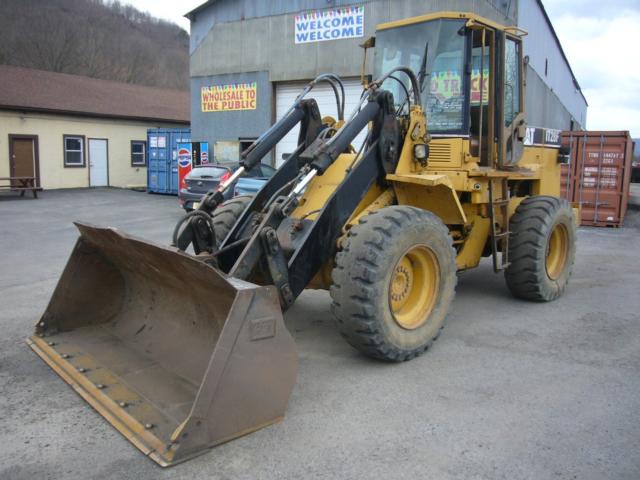
Selling a 1995 caterpillar equipment? List your 1995 caterpillar equipment for sale and reach thousands of commercial buyers.
1995 Caterpillar Equipment in New York
The biggest buying decision is matching the machine category to the job, then checking the wear points that matter for that class. On loaders, inspect articulation joints, center pins, bucket linkage, lift arm bushings, axle seals, tire condition, and transmission engagement under load. On graders, look closely at circle wear, moldboard movement, articulation, steering response, tandem condition, and ripper operation. On skid steers and compact equipment, pay attention to hydrostatic drive performance, auxiliary hydraulics, quick coupler function, lift arm play, and cab condition. Across all 1995 Caterpillar equipment, engine cold start, blow-by, fluid contamination, cylinder seepage, and evidence of regular grease intervals tell you more than paint ever will.
Caterpillar machines from the mid-1990s often show up with mechanical-injection diesel engines, powershift or hydrostatic drivetrains depending on the model, and attachment setups that still fit common jobsite needs. Buyers in New York should also consider climate and regional use. Freeze-thaw cycles, road salt, and winter operation can accelerate corrosion in cab floors, steps, electrical connections, brake components, and hydraulic lines. Tire condition matters on wheel loaders, graders, and skid steers, but in this region it is just as important to inspect rims, valve stems, and bead areas for rust damage. If the machine has worked in snow removal or municipal duty, check for high idle hours, repeated cold starts, and wear from frequent directional changes.
A strong 1995 Caterpillar unit can still be a practical buy if the fundamentals are right. Prioritize clear serial identification, accurate hour meter context, available maintenance records, and a thorough inspection of engine, hydraulics, drivetrain, and frame. Replacement parts support for many Cat models remains a major advantage, but buyers should still verify undercarriage parts, loader linkage components, hydraulic pumps, and cab or body panels for the exact machine. The best value usually comes from a machine with honest cosmetic wear, tight pins, responsive hydraulics, and a drivetrain that pulls cleanly through every gear rather than a freshly painted unit with unresolved mechanical issues.
Frequently Asked Questions about 1995 Caterpillar Equipment in New York
What should I inspect first on 1995 Caterpillar equipment?
Start with the engine, hydraulics, drivetrain, and structural wear points. A 1995 Caterpillar machine is old enough that condition matters far more than age alone. Check cold-start behavior, exhaust quality, blow-by, hydraulic cylinder leakage, pump response, transmission shift quality, axle or final drive leaks, and play in pins, bushings, articulation joints, or moldboard components depending on the machine type. A solid inspection should also include frame repairs, welds, hour meter credibility, and evidence of regular preventive maintenance.
Is 1995 Caterpillar equipment still a good buy for working fleets?
It can be, especially for buyers who want durable iron with simpler systems and no modern emissions aftertreatment. Many 1995 Cat machines remain productive in secondary markets, farm use, municipal work, aggregate yards, and smaller contractor fleets. The key is buying on condition and supportability. A well-maintained machine with good hydraulics, strong drivetrain performance, and accessible parts can deliver useful service life, while a neglected one can quickly become expensive in repairs and downtime.
Are parts still available for 1995 Caterpillar machines?
Parts support is one of the main reasons older Caterpillar equipment remains in demand. Many common service items, engine components, filters, seals, hoses, undercarriage parts, and linkage wear items are still available through Cat channels or the aftermarket, but availability depends on the exact model and serial number arrangement. Before buying, confirm support for machine-specific items such as hydraulic pumps, transmission parts, cab glass, electronic modules if equipped, and specialized attachments or coupler components.
What matters most when buying 1995 Caterpillar equipment in New York?
Regional wear is a major factor. Machines used in New York often see harsh winters, salt exposure, wet conditions, and frequent cold starts. Inspect the underside, cab structure, steps, battery box, wheel rims, hydraulic tubing, and electrical connections for corrosion. If the machine handled snow or municipal work, look for excessive shuttle shifting wear, long idle time, and rust in areas that are expensive to restore. Good brakes, functioning heaters, and reliable starting performance are especially important in this market.
How do I judge value on older Caterpillar equipment?
Value comes from remaining service life, not just purchase price. Compare hours only after considering the type of work performed, maintenance records, rebuild history, tire or undercarriage condition, and the cost of immediate repairs. A machine with cosmetic wear but tight linkage, dry cylinders, strong compression, and smooth hydraulic response often represents better value than a cleaner unit with weak pumps, sloppy pins, or transmission issues. Always factor transport size, operating weight, attachment compatibility, and local service support into the total cost of ownership.