
1995 Caterpillar Equipment For Sale
Browse 1995 Caterpillar trucking equipment listings and compare specs, engines, hours, attachments, condition, and operating costs.
Selling a 1995 caterpillar equipment? List your 1995 caterpillar equipment for sale and reach thousands of commercial buyers.
1995 Caterpillar Equipment
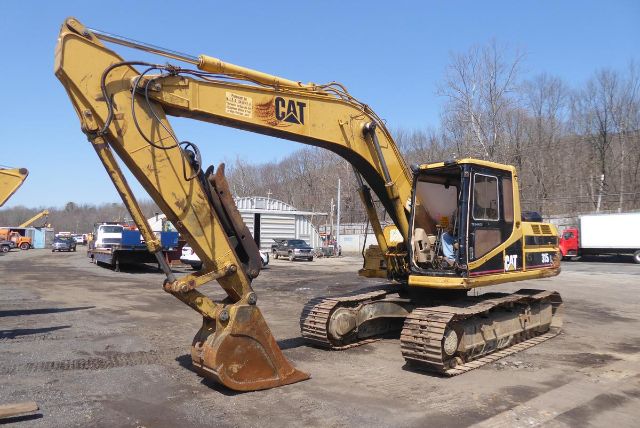
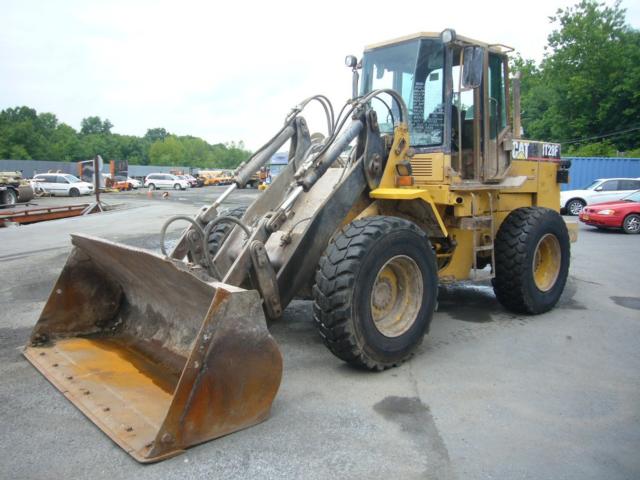
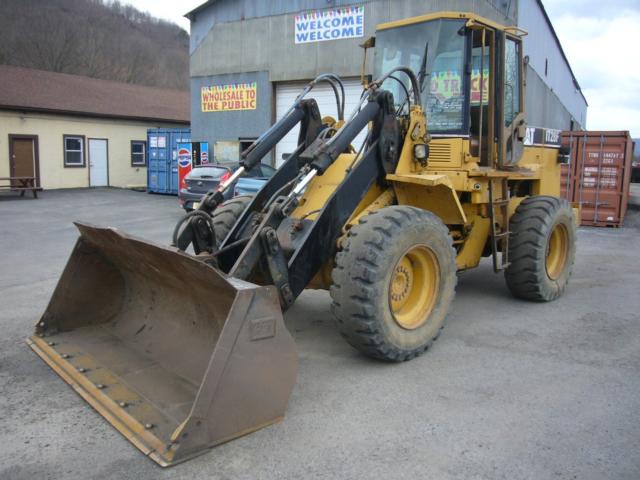
For buyers comparing 1995 Caterpillar units, the key specs depend on the machine type, but the decision points stay consistent. Start with engine model, horsepower, operating weight, transmission type, tire or undercarriage condition, and attachment configuration. On loaders, check bucket size, quick coupler setup, auxiliary hydraulics, articulation play, and axle or transmission performance under load. On excavating equipment, pay close attention to boom and stick wear, bucket pin fit, final drives, swing bearing condition, track life, and any seepage at hydraulic cylinders. Hour meter readings are useful, but on older Cat equipment the quality of maintenance usually tells you more than the number alone.
A 1995 Caterpillar machine can fit contractors, material handlers, farms, quarries, and mixed-use operations that need dependable iron without the higher acquisition cost of newer equipment. Cat models from this era are known for solid breakout force, stable hydraulic performance, and components that are still widely understood by independent shops. Buyers should still inspect for common age-related issues such as cylinder leaks, worn pins and bushings, tired undercarriages, cracked weld repairs, cooling system neglect, and non-working air conditioning in enclosed cabs. If the unit has a quick-attach setup or extra hydraulic lines, that can add real value by expanding attachment options and improving utilization.
Resale value on older Caterpillar equipment tends to hold up better than many competing brands when the machine is complete, functional, and properly maintained. That makes inspection discipline important. Look for cold-start behavior, blow-by, smoke under load, transmission shift quality, brake response, steering performance, and signs of contamination in hydraulic or engine oil. A careful buyer will also verify serial number tags, check for parts availability by model, and compare the machine's current setup to the intended application. On 1995 Caterpillar equipment, the best purchase is usually the one with the strongest mechanical condition, the fewest deferred repairs, and the clearest service record.
Frequently Asked Questions about 1995 Caterpillar Equipment
What should I look for first when buying 1995 Caterpillar equipment?
Start with the major cost items: engine condition, hydraulic system performance, drivetrain function, structural integrity, and service history. On older Caterpillar machines, wear in pins, bushings, cylinders, undercarriage components, articulation joints, and tires can change the true cost of ownership quickly. A machine that starts clean, runs smoothly, and shows consistent maintenance records is usually a better buy than one with lower hours but obvious neglect.
Are 1995 Caterpillar machines still practical to own and maintain?
Yes, many are still practical if the machine has been maintained and parts support remains available for the model. One advantage of mid-1990s Caterpillar equipment is that many units use simpler mechanical engines and less complicated electronic controls than newer machines. That can make diagnostics and repairs more manageable for independent shops and fleet maintenance teams, but buyers should still confirm parts access for model-specific hydraulic, drivetrain, and cab components.
How important are hours on a 1995 Caterpillar machine?
Hours matter, but they should not be the only factor. On equipment of this age, a higher-hour machine with documented maintenance, tight pins, dry cylinders, and strong hydraulic performance can be a better investment than a lower-hour unit with poor upkeep. Meter accuracy can also be harder to verify on older machines, so condition, wear patterns, and repair history often provide a more reliable picture of remaining service life.
What common problem areas show up on older Caterpillar loaders and excavating equipment?
Common issues include hydraulic cylinder seepage, looseness in pins and bushings, worn cutting edges or bucket components, undercarriage wear on tracked machines, transmission hesitation, axle leaks, cooling system problems, and cracked or plated structural repairs. Non-working air conditioning and general cab wear are also common on 1995 models. These issues are not unusual by themselves, but they should be priced into the machine because they affect uptime and refurbishment cost.
Does attachment setup affect the value of 1995 Caterpillar equipment?
Yes, attachment configuration can materially affect both value and productivity. A machine equipped with a hydraulic quick coupler, forks, auxiliary hydraulic lines, thumbs, or additional bucket options may offer more jobsite flexibility and better utilization. Buyers should confirm that attachment wear, coupler fit, and hydraulic function are in good condition, because a useful setup only adds value if it is ready to work.