
Used Case Equipment For Sale in New York
Browse used Case trucking equipment for sale, including work-ready machines known for durable drivetrains, serviceable designs, and proven jobsite value.

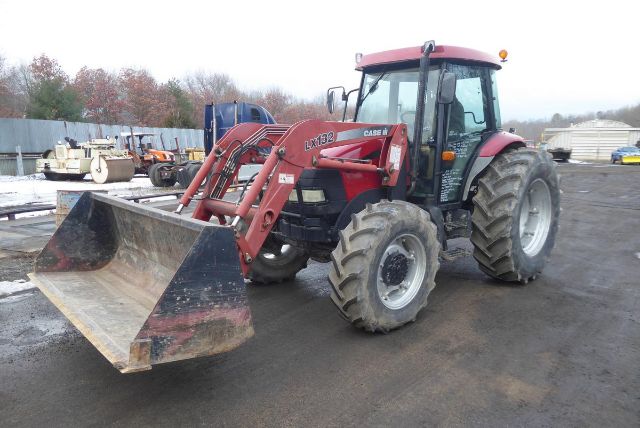
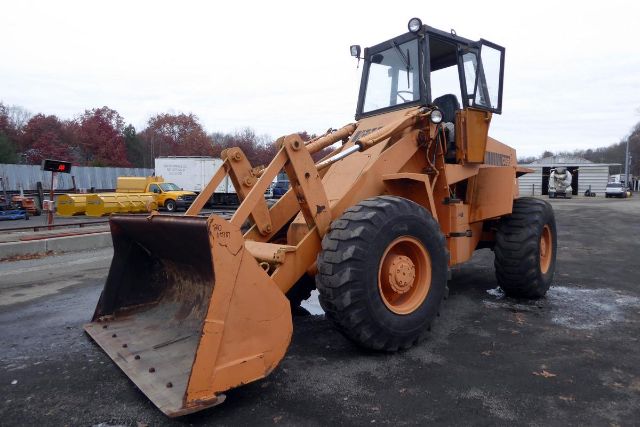
Selling a used case equipment? List your used case equipment for sale and reach thousands of commercial buyers.
Used Case Equipment in New York
The most important buying decision is matching the machine to the work cycle. A Case wheel loader should be evaluated around operating weight, bucket width and capacity, breakout force, tire size, articulation condition, hydraulic response, and loader arm pin and bushing wear. A Case tractor or tractor-loader package should be judged by horsepower, PTO requirements, transmission type, 2WD or 4WD configuration, hydraulic flow, three-point hitch capability, and loader attachment condition. On used units, hour meter accuracy is not always guaranteed, so condition often tells more than the meter. Buyers should pay close attention to cold-start behavior, engine blow-by, transmission engagement, brake function, steering play, axle seals, cylinder seepage, and any looseness at center pins, boom pivots, or loader mounts.
Case equipment is commonly powered by diesel engines with a reputation for usable low-end torque and good field service access. Older machines may use simpler mechanical fuel systems and limited electronics, which can be attractive for buyers maintaining equipment in-house. Newer used Case machines may offer more refined cabs, better visibility, stronger hydraulic performance, and operator-friendly controls that matter in long shifts. Tire condition, undercarriage wear where applicable, cab integrity, glass, HVAC operation, and attachment compatibility all affect real ownership cost. For trucking-related buyers, transport dimensions, machine weight, and loading configuration matter just as much as horsepower, especially when the equipment will be moved regularly between jobs.
A strong used Case purchase usually comes down to maintenance history, structural condition, and application fit. Look for signs of regular greasing, clean hydraulic oil, consistent engine service, and repairs done correctly rather than cosmetically. Check weld areas around buckets, loader towers, hitch points, and frame sections for past damage or hard use. If the machine will support a trucking or site-development fleet, prioritize dependable starts, predictable hydraulic performance, safe braking, and easy parts sourcing over cosmetic appearance. Case remains a practical choice for buyers who need equipment that can work immediately and be repaired without excessive downtime.
Frequently Asked Questions about Used Case Equipment in New York
What types of used Case equipment are most common in trucking and fleet-related operations?
Used Case equipment commonly found around trucking and fleet operations includes wheel loaders, backhoes, agricultural tractors, and tractor-loader combinations. These machines are often used for yard maintenance, material handling, loading aggregate, clearing sites, snow work, and general support work at construction and agricultural locations. Wheel loaders are especially common where bulk material must be moved quickly, while tractors with loaders are popular for lighter-duty property and support tasks.
What should I inspect first on a used Case wheel loader or tractor?
Start with the engine, transmission, hydraulics, and structural wear points. On a wheel loader, inspect articulation joints, center pins, boom pins, bucket edge wear, cylinder leaks, steering response, brake function, and tire condition. On a tractor, focus on engine starting, clutch or transmission operation, front axle condition on 4WD units, hydraulic lift performance, PTO operation if equipped, and loader frame integrity. Visible seepage, excessive play in pins and bushings, and uneven tire wear can reveal more than the hour meter alone.
Are older used Case machines still practical to own?
Older used Case machines can still be very practical if the application matches the machine and the unit has been maintained properly. Many older models are valued for mechanical simplicity, easier troubleshooting, and lower acquisition cost. They can be a strong fit for seasonal use, backup fleet duty, or operations with in-house technicians. The key is to verify parts availability for the specific model, evaluate wear at major components, and avoid units with unresolved drivetrain, hydraulic, or structural issues.
How important are transport weight and dimensions when buying used Case equipment?
Transport weight and dimensions are critical if the equipment will be moved between jobsites. Width, overall height, operating weight, and attachment size affect trailer selection, permit requirements, route planning, and loading efficiency. A machine that fits the workload but creates hauling complications can raise operating costs quickly. Buyers using lowboys, tag trailers, or detachable trailers should compare the machine's real transport setup, not just base machine specifications.
Why do many buyers consider used Case equipment a good value?
Used Case equipment is often considered a good value because it balances purchase price, durability, and serviceability. Many models are built for hard use and have broad acceptance across construction and agricultural markets, which helps with parts sourcing and resale. Buyers often find that a well-kept Case machine delivers reliable hydraulic and drivetrain performance without the higher entry cost of newer equipment. That makes the brand attractive for fleets focused on productivity, practical maintenance, and controlled capital spending.