
Used Case Equipment For Sale
Browse used Case equipment for sale, including backhoes, wheel loaders, and tractors known for durable construction and jobsite versatility.

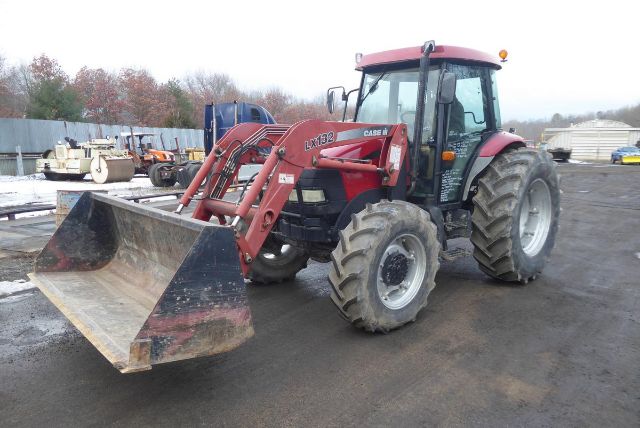
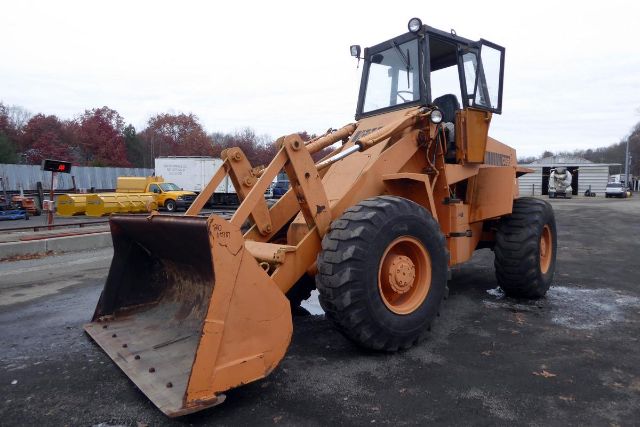

Selling a used case equipment? List your used case equipment for sale and reach thousands of commercial buyers.
Used Case Equipment
The first buying decision is usually application-specific. A used Case backhoe loader is often chosen for utility work, site prep, trenching, loading, and general-purpose fleet use because it can handle multiple tasks with one machine. A Case wheel loader is a better fit for aggregate yards, snow handling, bulk material movement, and high-cycle loading. Case agricultural tractors show up in mixed-use fleets that need loader work, towing, mowing, or property maintenance. On older units, buyers should pay close attention to engine cold-start behavior, transmission engagement, brake response, steering play, pin and bushing wear, hydraulic cylinder seepage, and the condition of loader arms, buckets, cutting edges, and frame articulation points. Hour meter accuracy can be inconsistent on older used machines, so overall wear condition matters as much as stated hours.
Common specs vary widely by model, but buyers can expect diesel engines, powershift or manual transmissions depending on the machine class, 2WD or 4WD configurations, enclosed or open operator stations, and attachment compatibility that can add major value. On loader and backhoe platforms, hydraulic flow, lift capacity, breakout force, bucket width, and ride control are worth checking closely if production matters. On tractors, PTO operation, 3-point hitch function, auxiliary hydraulics, front loader condition, and tire size should be matched to the intended workload. Cab equipment also matters in the used market. Heat, air conditioning, glass condition, seat wear, controls, and instrument function can tell you a lot about how a machine was maintained.
A good used Case machine is usually one that shows consistent serviceability rather than cosmetic perfection. Look for evidence of routine fluid changes, dry final drives, solid center pins or articulation joints, responsive hydraulics under load, and minimal structural welding in high-stress areas. If the machine will support a trucking or construction fleet, transport dimensions, operating weight, and trailer compatibility should be reviewed before purchase, especially on older wheel loaders and backhoes that may require specific hauling permits or heavier trailers. Buyers comparing multiple used Case units should focus less on age alone and more on the match between machine type, attachment setup, undercarriage or tire condition, and the actual work the equipment needs to perform.
Frequently Asked Questions about Used Case Equipment
What types of used Case equipment are most common in fleet and contractor operations?
The most common used Case equipment in contractor, municipal, agricultural, and support fleet operations includes backhoe loaders, wheel loaders, compact track loaders, skid steers, excavators, and agricultural tractors. Backhoes are especially common because they combine digging, loading, and light material handling in one machine. Wheel loaders are typically selected for bulk material handling, snow work, and yard production. Tractors are common in mixed-use operations that need towing, mowing, loader work, or property maintenance.
What should I inspect first on a used Case backhoe or wheel loader?
Start with the hydraulic system, pins and bushings, steering response, transmission engagement, brake performance, and structural integrity of the boom, loader arms, and frame. Check for cylinder leaks, excessive play at pivot points, cracked welds, uneven tire wear, and signs of hard starting or blow-by. On articulated loaders, center joint condition is a major wear point. On backhoes, look closely at swing function, stabilizers, bucket linkage, and hoe pins because repair costs can add up quickly if these areas are worn.
Are parts and service still available for older used Case equipment?
Parts availability for used Case equipment is generally strong compared with many legacy brands because Case has a long production history and broad dealer recognition. Common maintenance items, filters, seals, hoses, and many drivetrain or hydraulic components are still obtainable for a wide range of models. Availability can narrow on very old machines or low-production variants, so it is smart to confirm support for model-specific components, cab glass, electronics, or transmission parts before buying an older unit.
How important are hours when buying used Case equipment?
Hours matter, but they should not be treated as the only indicator of value or remaining life. On older used Case machines, hour meters may have been replaced, may not work, or may not tell the full story. A lower-hour machine with poor maintenance can be a worse purchase than a higher-hour machine with documented service and tight components. Wear in the hydraulics, drivetrain, loader linkage, tires, and operator controls usually gives a more accurate picture of real condition than the meter alone.
Can used Case equipment be practical for a trucking business?
Yes, especially for trucking companies involved in construction, site development, municipal work, snow removal, or farm-related hauling. Used Case equipment often serves as support machinery for loading, unloading, digging, grading, and property maintenance rather than as highway transport equipment itself. The key is to match the machine to the business role, then verify haul weight, transport width, and trailer compatibility so the equipment fits into the fleet’s existing logistics and compliance requirements.