
Dozers & Crawler Tractors For Sale in New York
Shop dozers and crawler tractors for grading, site prep, and earthmoving. Compare blade types, undercarriage, horsepower, weight, and track setup.

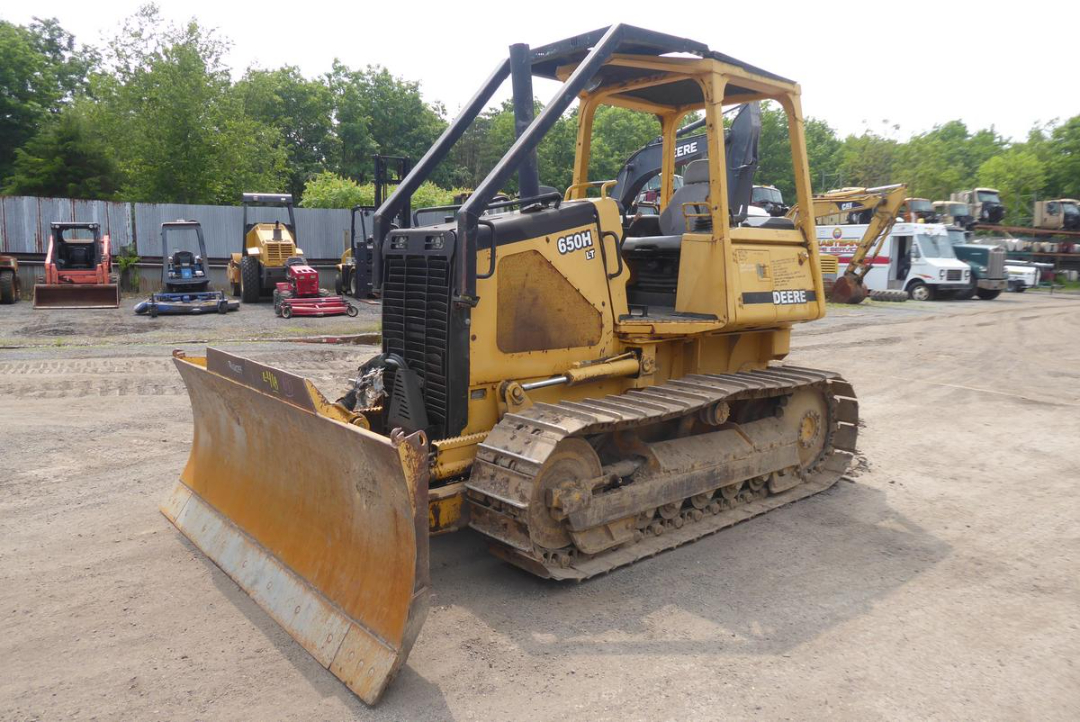
Selling a dozers & crawler tractors? List your dozers & crawler tractors for sale and reach thousands of commercial buyers.
Dozers & Crawler Tractors in New York
Dozers and crawler tractors are built for traction and controlled blade work where wheeled equipment loses efficiency. Common applications include land clearing, house pad preparation, road building, backfilling, slope shaping, drainage work, and material spreading. Smaller and mid-size units are often chosen for residential and utility work because they transport more easily and can work in tighter footprints. Larger machines bring more blade capacity, drawbar pull, and production for heavy dirt moving. Buyers typically look at operating weight, net horsepower, transmission type, blade configuration, track width, ground pressure, and overall transport dimensions before narrowing down a machine.
Blade setup matters because it changes how the machine fits the job. Straight blades are typically used for pushing and fine grading, while PAT or 6-way blades add angle and tilt for shaping, crowning, ditching, and finish work. Some crawler tractors are configured more for drawbar and ripper work than finish grading, so rear attachments and hydraulic plumbing are worth confirming. Track style also affects performance. Wider pads lower ground pressure for softer ground, while narrower pads can improve penetration and maneuverability in firmer material. Hydrostatic drive is common on many mid-size dozers because it offers smooth control and precise grading response, while larger machines may use powershift designs suited to heavier production work.
In New York, transport width, jobsite access, and seasonal ground conditions can all influence the right machine. Buyers working in softer soil, wet conditions, or mixed rural and suburban sites often pay close attention to track shoe width and machine balance. Cab versus open ROPS, heat and defrost, and visibility around the blade also matter in colder climates and long workdays. Across this category, the best buying decisions usually come down to matching blade type, undercarriage condition, operating weight, and control system to the actual mix of grading, clearing, and earthmoving the machine will handle.
Frequently Asked Questions about Dozers & Crawler Tractors in New York
What is the difference between a dozer and a crawler tractor?
A dozer is generally a crawler tractor equipped with a front blade for pushing, grading, and shaping material. The term crawler tractor refers to the tracked machine itself, which may also be configured with rear rippers, winches, or drawbar applications. In the marketplace, the terms are often used together because most buyers are shopping for a tracked tractor with a blade.
What should I inspect first on a used dozer or crawler tractor?
Start with the undercarriage, because it is one of the highest-cost wear areas on any tracked machine. Check rails, pins and bushings, sprockets, rollers, idlers, pads, and track adjusters for wear or damage. After that, inspect blade pins and bushings, hydraulic cylinders for leaks, final drives, steering response, transmission performance, and signs of excessive engine blow-by or coolant and oil contamination.
Is a 6-way blade better than a straight blade?
A 6-way blade, often called a PAT blade, gives the operator angle, tilt, and lift functions for finish grading, ditch shaping, and contour work. A straight blade is simpler and often preferred for direct pushing and bulk material movement. The better choice depends on whether the machine will spend more time in production pushing or in shaping and finish work.
How important are operating weight and track width on a crawler tractor?
Operating weight and track width affect traction, flotation, grading stability, and transport requirements. Heavier machines usually provide better pushing power and blade penetration, but they also increase hauling demands and can be less practical on tighter jobsites. Wider tracks lower ground pressure and help in soft or wet ground, while narrower tracks may work better in firmer material and can simplify transport.
Are hydrostatic dozers better than powershift dozers?
Hydrostatic dozers are valued for smooth modulation, easier direction changes, and precise control in grading applications. Powershift machines are often favored for heavier production work and straightforward service familiarity in larger classes. Neither is automatically better in every case. The right choice depends on the size of machine, the type of material being moved, and whether the priority is finish control or sustained heavy pushing.