
Dozers & Crawler Tractors For Sale
Compare dozers and crawler tractors by operating weight, blade type, undercarriage, and hydrostatic drive for grading, clearing, and site prep.

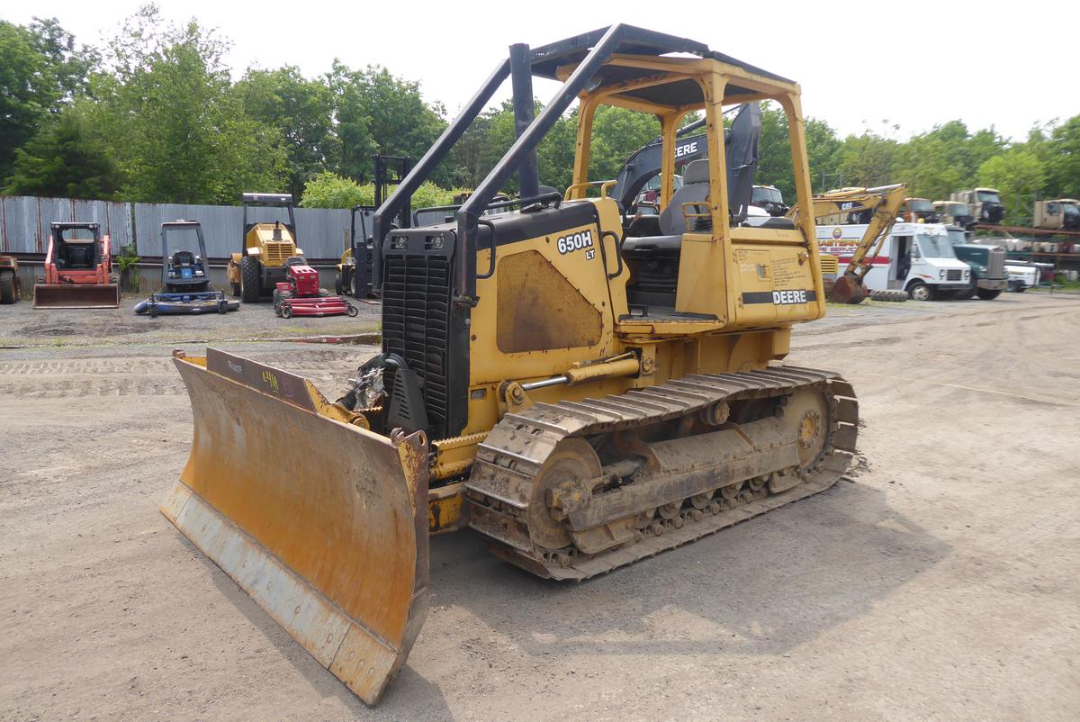
Selling a dozers & crawler tractors? List your dozers & crawler tractors for sale and reach thousands of commercial buyers.
Dozers & Crawler Tractors
One of the most important buying decisions is the undercarriage. Rails, pins, bushings, rollers, idlers, sprockets, and track pads determine how well a dozer holds grade and how much money it will take to put the machine to work. A used dozer can look serviceable and still be near the end of its undercarriage life, so wear percentage matters as much as engine hours. Track shoe width and grouser style also affect performance. Wider pads can improve flotation in softer ground, while narrower setups may be better in harder material or tighter applications. Buyers should also compare hydrostatic versus powershift drive layouts, especially if finish grading, backdragging control, and operator ease are priorities.
Blade setup changes the machine's usefulness. A straight blade is efficient for pushing and slot dozing, while a 6-way PAT blade adds angle and tilt for shaping slopes, finish work, and general versatility. Crawler tractors equipped for grading often appeal to contractors who need one machine to clear, spread, and trim without moving into a motor grader size class. ROPS style, enclosed versus open operator station, visibility, and controls also matter in day-to-day use, particularly in hot climates, wooded work, or jobs that require frequent reverse travel. Engine horsepower should be considered alongside blade capacity and machine balance, not as a standalone number.
Common brands in this segment include John Deere, Caterpillar, Case, Komatsu, and Liebherr. Buyers comparing used dozers and crawler tractors should pay close attention to final drives, steering response, blade pin and bushing wear, hydraulic cylinder leaks, and evidence of frame or equalizer bar repairs. Service access, parts support, and transport dimensions are practical factors that affect ownership just as much as specs on paper. A well-matched crawler tractor can be a high-value tool for contractors, farmers, utility crews, and land improvement operations that need steady traction, accurate grading, and dependable pushing power.
Also known as: Bulldozer, Crawler Dozer, Track-Type Tractor
Frequently Asked Questions about Dozers & Crawler Tractors
What is the difference between a dozer and a crawler tractor?
The terms are often used interchangeably, but a crawler tractor refers to the tracked machine itself, while a dozer usually refers to a crawler tractor equipped with a front blade for pushing and grading. In used equipment listings, both names commonly describe the same class of machine. The key buying point is not the label, but the machine's operating weight, blade type, undercarriage condition, and drive system.
Why is undercarriage condition so important on a used dozer?
Undercarriage wear is one of the biggest ownership costs on a crawler machine. Rails, rollers, sprockets, idlers, pins, and bushings wear together, and replacement can be expensive relative to the value of an older machine. A dozer with moderate engine hours can still require major undercarriage work if it has spent time in abrasive material or was not maintained correctly. Buyers should ask for measured wear percentages and inspect for uneven wear, loose components, and poor track adjustment.
What blade type is best for a crawler tractor?
The best blade depends on the job mix. A PAT or 6-way blade is popular because it can raise, lower, angle, and tilt, which makes it useful for finish grading, shaping ditches, and general site work. A straight blade is simpler and effective for pushing material efficiently. If the machine will spend most of its time in land clearing, rough grading, or farm maintenance, versatility may matter more than maximum push volume.
Is hydrostatic drive better than powershift in a dozer?
Hydrostatic drive gives smooth speed control, easy directional changes, and fine grading precision, which is why many smaller and mid-size crawler dozers use it. Powershift designs are still valued for durability and familiar operation in some applications. Neither is automatically better for every buyer. The right choice depends on the operator's preference, the type of grading work, and the expected maintenance history of the machine being considered.
What should I inspect first on a used dozer or crawler tractor?
Start with the undercarriage, then move to the blade, hydraulics, steering function, and final drives. Check for leaks at tilt and angle cylinders, play in blade pins and bushings, abnormal noises during turns, and signs of weak track tension or uneven wear. A walk-around should also include the ROPS, frame, belly pans, and evidence of repairs around high-stress areas. A machine that starts easily and pushes well can still need costly chassis work, so structural and wear-item inspection comes before cosmetic appearance.