
Cabover Trucks For Sale in Florida
Browse cabover trucks for sale in Florida. Compare maneuverability, body lengths, diesel specs, GVWR classes, and delivery-ready features.
Selling a cabover truck? List your cabover truck for sale and reach thousands of commercial buyers.
Cabover Trucks in Florida
The first buying decision is usually capacity matched to body and route. Many cabover trucks in this class are Class 3 through Class 5 models with diesel power, automatic transmissions, single rear axles, and wheelbases selected around common 14-foot to 20-foot van bodies. Popular setups include Isuzu NPR and NPR HD, plus medium-duty cabovers such as the Peterbilt 220. Typical specs buyers compare include GVWR, front and rear axle ratings, wheelbase, rear axle ratio, suspension type, brake system, and tire size. A 16-foot van body with roll-up rear door, wood floor, E-track, scuff liners, and a liftgate is a common package for parcel, furniture, appliance, and route delivery work. If the truck will spend most of its time in stop-and-go service, pay close attention to transmission behavior, brake condition, cooling system health, and idle-hour wear in addition to mileage.
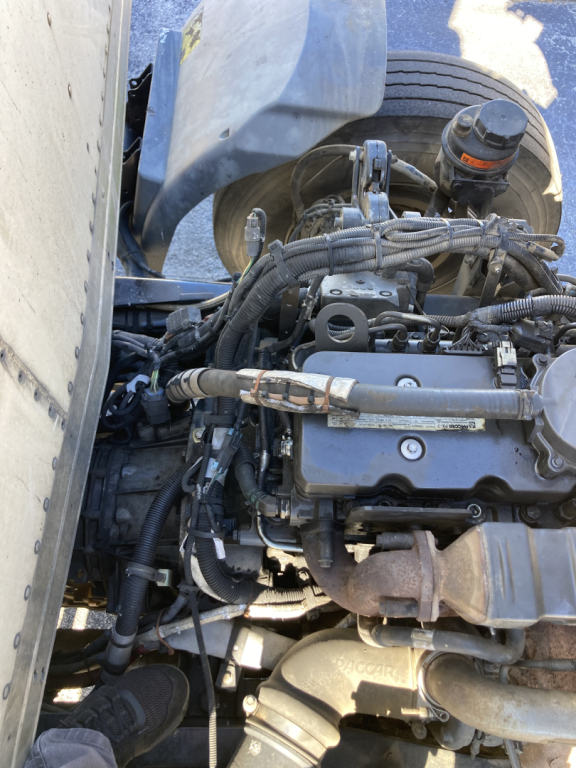
Service access is different on a cabover than on a conventional truck, so the tilt-cab mechanism, latch condition, and maintenance history deserve a close look. Diesel cabovers often use smaller displacement engines in the roughly 190 to 220 horsepower range, which is usually adequate for city work when the truck is spec'd correctly, but performance can change quickly if the body is overloaded or the axle ratio is too tall for the route. Emissions components are another key inspection point on used cabovers, especially NOx sensors, DEF systems, and regeneration history on newer diesel models. Buyers should also evaluate cab ergonomics for multi-stop work, including visibility, step-in height, steering wheel adjustment, HVAC performance, seat wear, and door operation, because driver fatigue shows up fast on dense delivery routes.
Body condition often matters as much as chassis condition. Check the box roof, corner caps, door frame, threshold plate, floor rot, sidewall damage, and signs of repeated dock impact. For Florida use, look closely for corrosion around the liftgate, electrical connections, body mounts, and lower cab areas exposed to humidity and coastal air. A good cabover truck should be easy to maneuver, correctly rated for the payload, and practical to service with the body and equipment you need already in place. Buyers comparing cabover trucks for sale usually get the best result by matching body length, payload, axle ratio, and route density before focusing on brand preference alone.
Frequently Asked Questions about Cabover Trucks in Florida
What is the main advantage of a cabover truck?
The main advantage of a cabover truck is maneuverability. Because the cab sits over the engine and front axle, the truck has a shorter overall length for the same body size, which improves turning radius and makes it easier to work in tight urban areas, loading docks, alleys, and crowded commercial zones. That is why cabovers are widely used for local delivery, route service, and vocational work where space is limited.
Are cabover trucks good for box truck and delivery applications?
Yes. Cabover trucks are one of the most common platforms for box trucks and other straight truck applications. They pair well with 14-foot, 16-foot, and similar medium-duty van bodies because they maximize usable body length while keeping the wheelbase compact. Features such as roll-up doors, liftgates, E-track, scuff liners, translucent roofs, and wood floors are common on delivery-focused cabover setups.
What should I inspect on a used diesel cabover truck?
Focus on emissions system history, engine and transmission operation, tilt-cab function, brake condition, suspension wear, and body integrity. On diesel models, buyers should verify the condition of DEF-related components, NOx sensors, and regeneration history, since emissions repairs can become expensive. Also inspect the box floor, roof, rear frame, liftgate, and lower cab structure for corrosion, impact damage, and signs of hard route use.
Do cabover trucks ride differently than conventional trucks?
Yes. A cabover typically places the driver over the front axle, so the ride can feel firmer and more direct than a conventional truck with a long hood. That is normal and usually acceptable in local and regional service, especially when maneuverability is the priority. The tradeoff is that visibility and tight-space control are usually better, which many delivery and vocational operators value more than ride comfort.
Which specs matter most when comparing cabover trucks for sale?
The most important specs are GVWR, wheelbase, body length, engine output, transmission type, rear axle ratio, brake system, and suspension. Those specs determine how well the truck handles payload, stop-and-go traffic, ramp work, and route density. Buyers should also confirm practical details such as door opening height, floor condition, liftgate rating, tire size, and whether the body equipment matches the freight or service work the truck will actually perform.