
Water Trucks For Sale in Texas
Water trucks for sale in Texas for dust control, roadwork, construction, and municipal use. Compare tank size, pump setup, GVWR, and spray systems.
No exact matches found for your search
Showing Water Trucks instead.
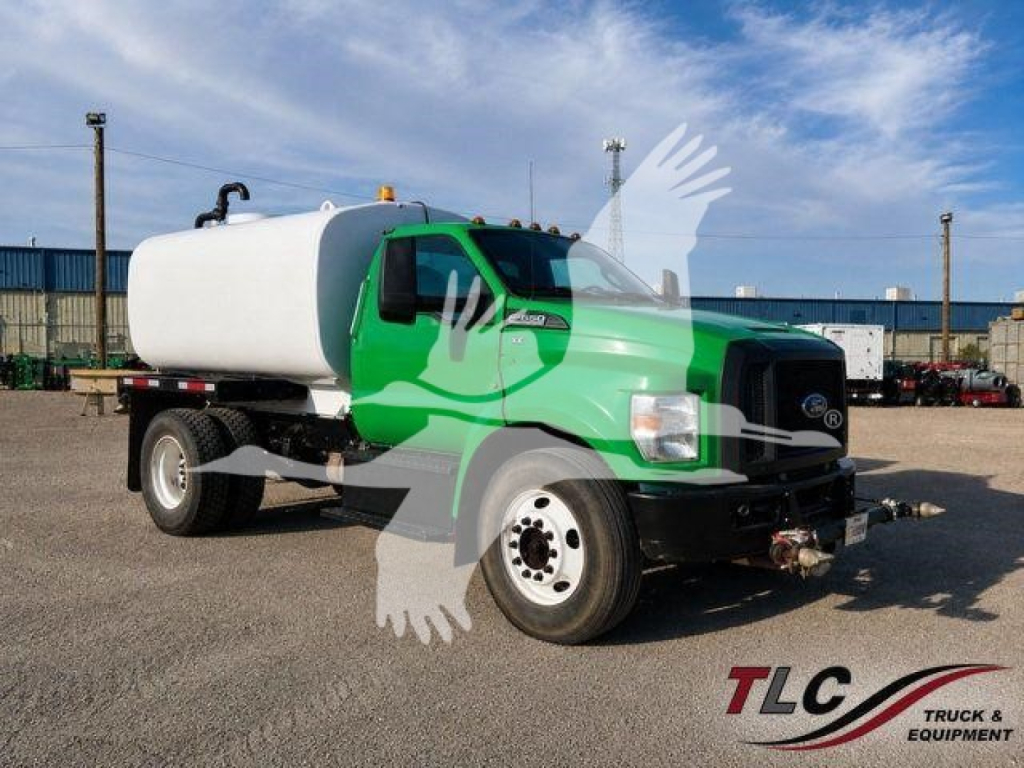
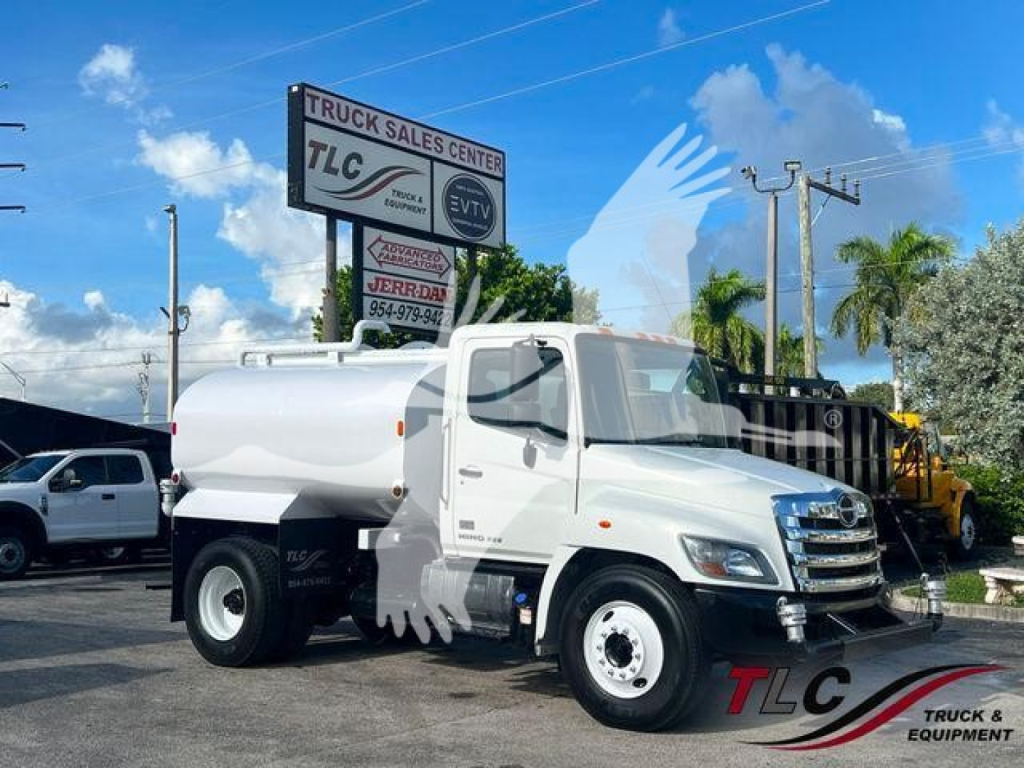
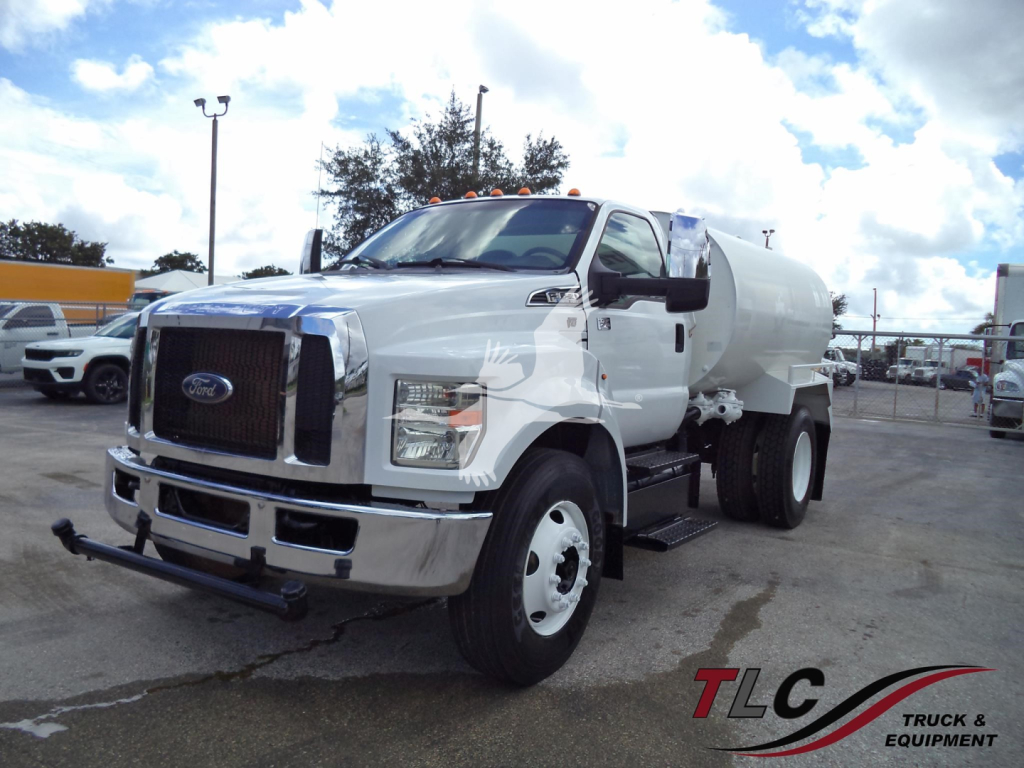
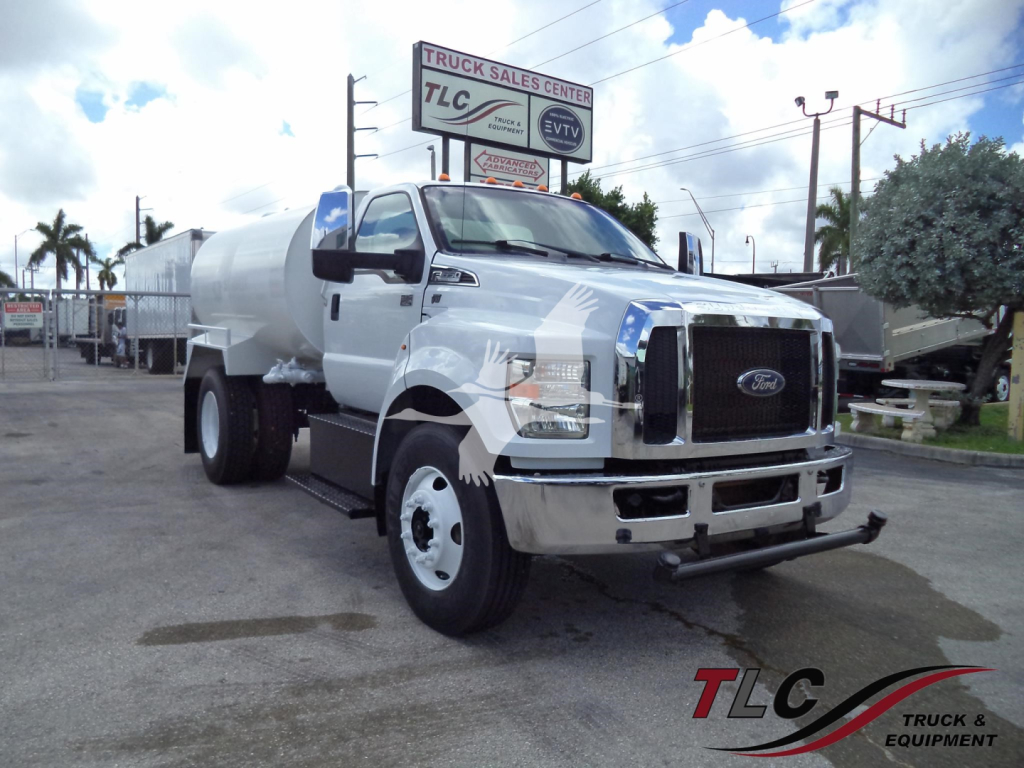
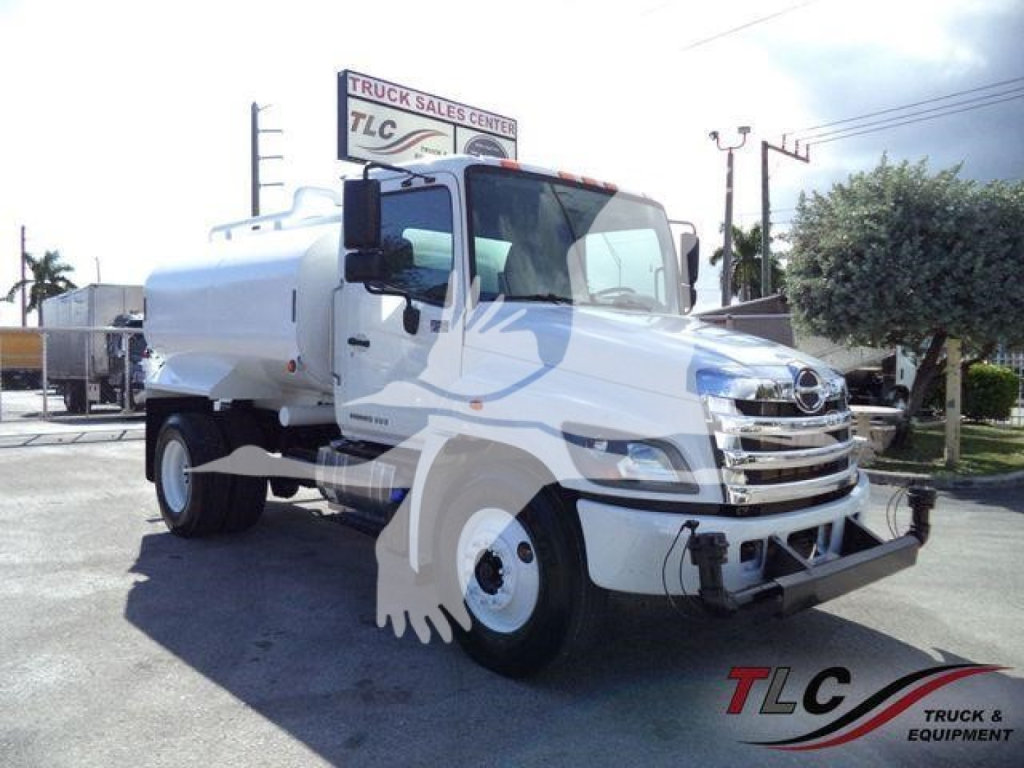
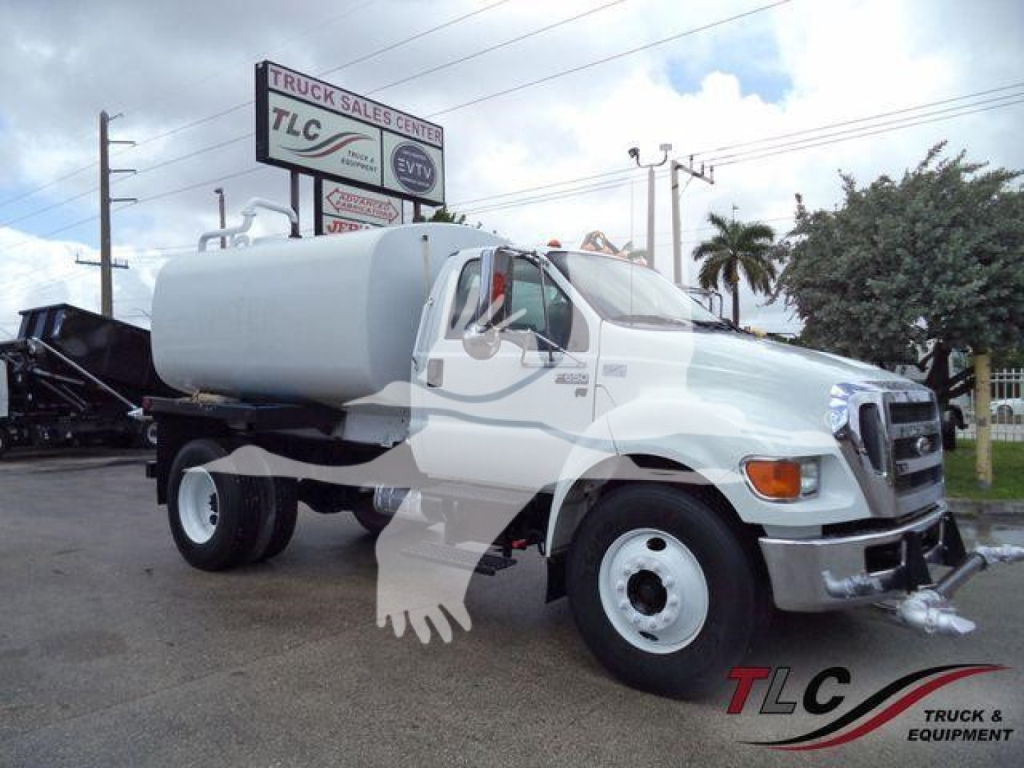
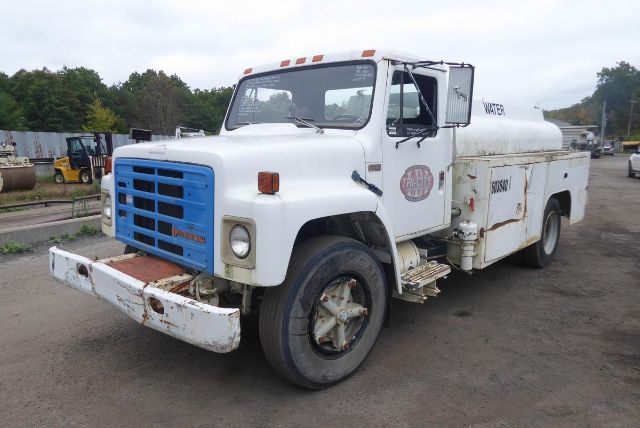
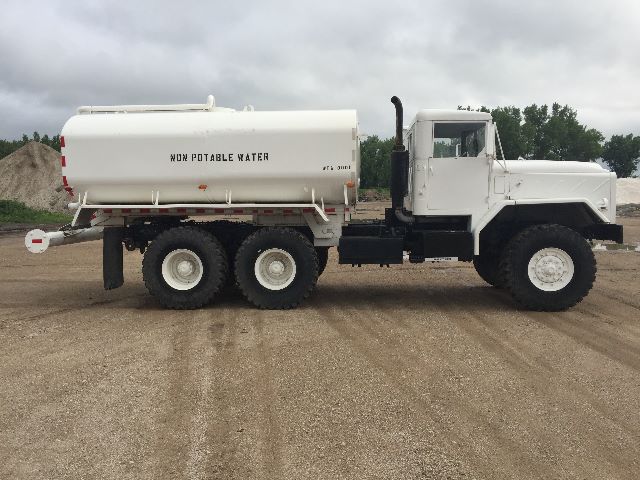
Selling a water truck? List your water truck for sale and reach thousands of commercial buyers.
Water Trucks in Texas
Tank construction and spray equipment matter as much as the truck itself. Steel tanks are common for rugged vocational use, and internal baffles are critical for controlling water surge and improving stability when the tank is partially filled. Buyers should pay close attention to pump size, spray head layout, and control options. A typical water truck may be equipped with front, side, and rear spray bars, plus a hose reel or front cannon for targeted application. Centrifugal pump setups are common for dust suppression and general spraying, but the best spec depends on whether the truck will be used for road wetting, trench work, aggregate yards, or municipal flushing. If the truck will spend a lot of time on uneven terrain, stability, plumbing protection, and simple service access are worth prioritizing.
On the chassis side, many water trucks use automatic transmissions, diesel engines in the medium to high horsepower range, and vocational rear suspensions designed to handle shifting loads and rough surfaces. A 33,000-pound GVWR single-axle truck is a practical fit for lighter construction and municipal use, while heavier tandem-axle trucks with 58,000-pound class GVWR ratings are better suited for larger tanks and off-road job demands. Wheelbase, axle ratings, rear ratio, brake type, and suspension all affect how the truck performs when fully loaded. In Texas, heat, long idle time, and stop-and-go vocational service also make cooling system condition, PTO integration, and reliable pump operation important buying points.
A good water truck spec matches refill access, daily cycle count, and application method. If the truck will mainly control dust on short runs, a lighter and more maneuverable unit may deliver better overall efficiency than a larger truck. If the goal is high-volume spraying on roadbuilding, landfill, quarry, or energy-sector work, a larger tank and heavier chassis usually pencil out better. Buyers comparing water trucks should look beyond gallon rating alone and evaluate the complete package: tank material, baffling, spray system coverage, pump capacity, axle setup, and how well the chassis is matched to the body. Also known as water tank trucks or dust control trucks, these units earn their value through uptime, predictable spray performance, and safe handling with a live load.
Frequently Asked Questions about Water Trucks in Texas
What size water truck is best for construction or dust control work?
The right size depends on site size, refill availability, and how often the truck needs to spray. A 2,000-gallon single-axle water truck is a common choice for tighter jobsites, municipal work, and shorter routes where maneuverability matters. A 4,000-gallon or larger tandem-axle water truck is usually better for roadbuilding, quarry, landfill, and large construction projects where fewer refill trips improve productivity. Tank size should always be matched to GVWR, axle capacity, and the actual application rate needed on the job.
What features are most important on a water truck?
The most important features are tank capacity, internal baffling, pump type and size, spray configuration, and chassis ratings. Good baffling helps control surge and improves handling when the tank is partially full. Buyers should also check for front, rear, and side spray heads, hose reels, water cannons, PTO-driven or frame-mounted pumps, and easy-to-service plumbing. On the truck side, axle ratings, suspension, wheelbase, transmission type, and engine horsepower all affect how well the unit carries a full water load and performs in vocational service.
Are steel water tanks better than other tank materials?
Steel water tanks are popular because they are durable and well suited for demanding construction and municipal environments. They generally hold up well to rough roads, daily vocational use, and body-mounted spray systems. The tradeoff is weight, since steel tanks are typically heavier than some alternative materials. For many buyers, the deciding factor is not just material but overall tank build quality, including baffling, weld quality, plumbing layout, and corrosion protection.
Do I need a single-axle or tandem-axle water truck?
A single-axle water truck is usually the better fit for lower-capacity tanks, urban routes, and jobsites where turning radius and overall size matter. Tandem-axle water trucks are preferred when the application requires a larger tank, more off-road stability, or heavier-duty vocational service. They typically offer higher GVWR, stronger rear suspension capacity, and better support for 4,000-gallon class bodies and above. The choice should be based on legal weight, terrain, expected water volume, and how the truck will be used day after day.
How does a water truck pump and spray system affect performance?
The pump and spray system determine how effectively the truck applies water and how flexible it is across different jobs. A properly sized pump supports steady pressure for spray bars, hose work, and water cannons without sacrificing reliability. Front sprays are useful for road wetting, rear sprays help with dust control behind the truck, and side sprays can widen coverage. Buyers should make sure the pump, controls, valves, and nozzle layout are matched to the intended use, because a truck with the right tank size can still underperform if the spray system is not correctly spec'd.