
Vanguard Reefer Trailers For Sale in Illinois
Shop Vanguard reefer trailers for sale in Illinois. Compare 53-foot specs, refrigeration units, floors, suspensions, and door options.
No exact matches found for your search
Showing Reefer Trailers in Illinois instead.

Selling a vanguard reefer trailer? List your vanguard reefer trailer for sale and reach thousands of commercial buyers.
Vanguard Reefer Trailers in Illinois
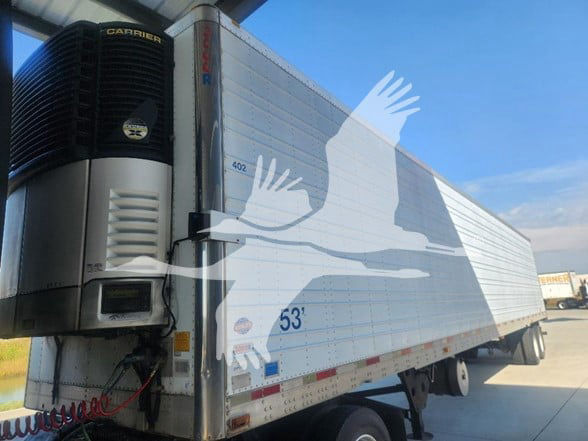
A typical Vanguard refrigerated trailer uses an aluminum body with lined and insulated walls, a ducted or chute-style air delivery setup, and a heavy-duty aluminum floor designed to move air under the load while standing up to pallet jack traffic. Common buyer checkpoints include interior height, floor type, scuff liner or scuff plate coverage, stainless front radius panels, stainless rear frame components, and swing door seal condition. Rear vents, cold chutes, side skirts, and tire inflation systems are all features that can add value depending on the lane. Sliding tandems remain important for bridge law compliance and dock flexibility, especially for regional carriers working mixed warehouse networks.
The reefer unit deserves close attention, but experienced buyers know the trailer shell is just as critical. A strong unit paired with poor insulation, damaged lining, or a worn floor will struggle to hold setpoint and fuel efficiency. Check for evaporator and return air performance, hours on the unit, service history, door alignment, and signs of moisture intrusion around the front wall, roof seams, and door frame. Air ride suspension is common on late-model Vanguard reefers and helps protect sensitive freight while reducing trailer shock. Buyers comparing operating cost should also look at tire size, aerodynamic equipment, and whether the trailer is equipped for fleet maintenance programs with standardized wheels, inflation systems, and refrigeration controls.
For buyers in Illinois, spec should match freight more than geography alone. Frozen and ice cream work may justify a higher-output unit and tighter interior condition standards, while produce and general grocery freight may put more emphasis on airflow management and multi-stop durability. If cross-dock work is common, door hardware, threshold condition, and floor wear become especially important. Vanguard reefers are often chosen by fleets and owner-operators who want a straightforward refrigerated trailer with familiar 53-foot dimensions, mainstream parts support, and specs that fit both over-the-road and regional foodservice applications.
Frequently Asked Questions about Vanguard Reefer Trailers in Illinois
What should I look at first when buying a used Vanguard reefer trailer?
Start with the refrigeration unit, trailer body integrity, and floor condition. Unit hours, maintenance records, and the ability to hold setpoint under load matter, but so do insulation quality, door seals, lining condition, and signs of water intrusion. A reefer trailer can have a serviceable unit and still be expensive to own if the shell leaks temperature, the floor is weak, or the doors do not seal correctly.
Are Vanguard reefer trailers typically 53 feet long?
Yes. The most common configuration in the market is a 53-foot long, 102-inch wide refrigerated trailer with a 13-foot 6-inch overall height. That size works for standard refrigerated freight, dock compatibility, and highway compliance. Buyers should still confirm interior dimensions, especially if freight includes high-cube palletized products or strict cube planning.
How important is floor type in a reefer trailer?
Floor type is critical because it affects both airflow and durability. Heavy-duty aluminum duct floors are common because they allow cold air to move under the freight while handling repeated forklift and pallet jack use. A damaged or worn floor can hurt temperature consistency, slow loading, and create costly repair needs, especially in grocery and foodservice operations.
What reefer unit brands are commonly found on Vanguard refrigerated trailers?
Vanguard reefer trailers are commonly paired with major refrigeration systems such as Thermo King and Carrier Transicold, depending on original spec and fleet preference. Buyers should evaluate the specific unit model, cooling capacity, fuel use, controller type, and local service support. Parts access and technician familiarity can have a direct effect on uptime.
Do features like side skirts and tire inflation systems matter on a reefer trailer?
They can. Side skirts may improve fuel economy on highway lanes, and automatic tire inflation systems can help reduce irregular wear, roadside downtime, and heat-related tire issues. These features do not replace core reefer performance, but they can improve operating cost over time for fleets running steady miles.