
Vanguard Flatbed Trailers For Sale in Illinois
Browse Vanguard flatbed trailers with specs that matter, including 48-foot decks, spread axles, air ride, frame ratings, and cargo securement features.
No exact matches found for your search
Showing Flatbed Trailers in Illinois instead.
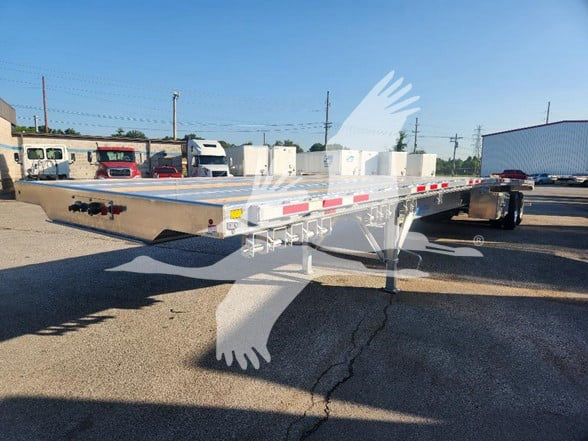
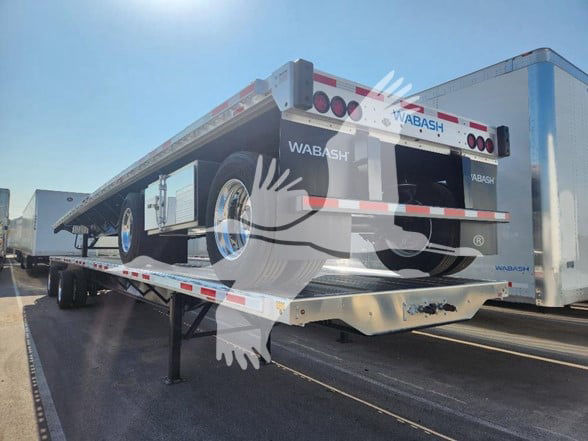
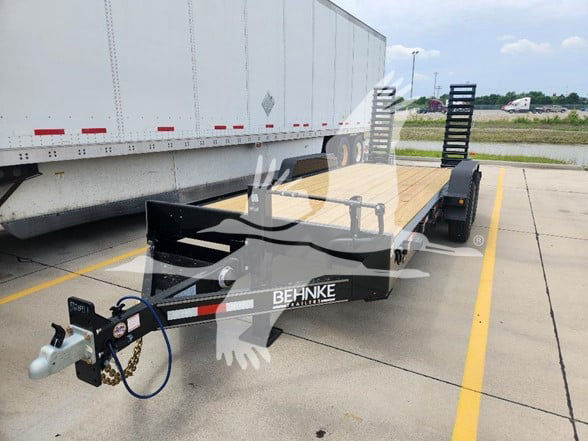
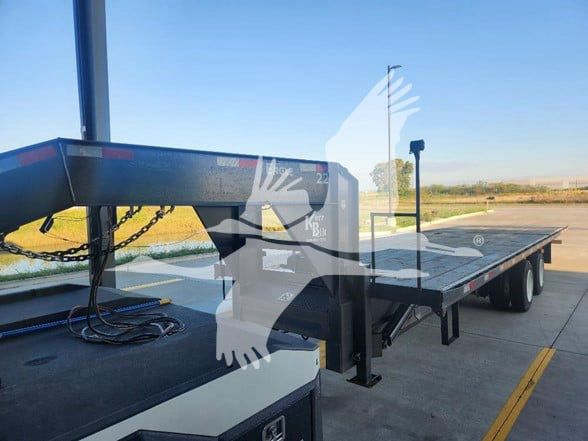
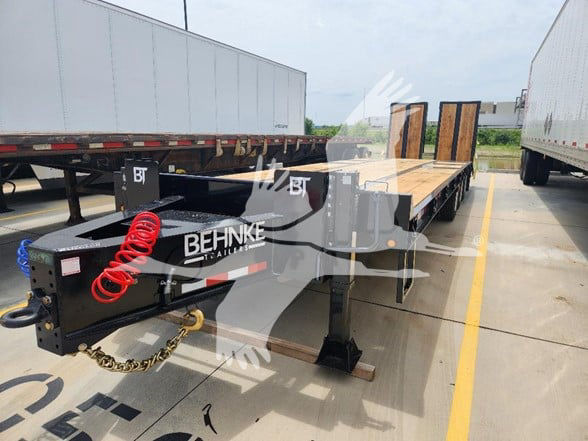
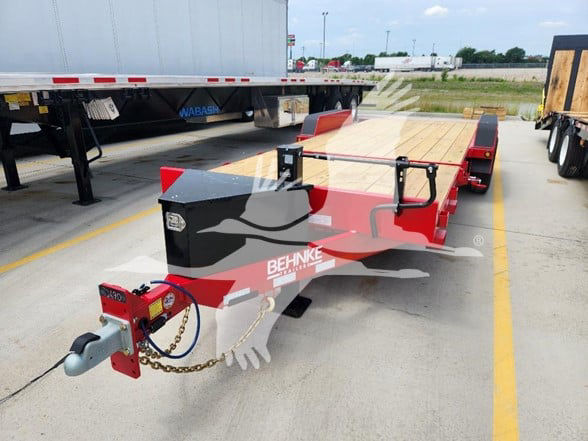


Selling a vanguard flatbed trailer? List your vanguard flatbed trailer for sale and reach thousands of commercial buyers.
Vanguard Flatbed Trailers in Illinois
On a Vanguard flatbed, the details that affect daily use matter more than the brand decal on the nose. Many buyers look for spread axle configurations for weight distribution and load placement flexibility, especially when hauling dense freight. Air ride suspension is another important spec because it helps protect sensitive cargo and improves ride quality compared with mechanical setups. Frame ratings, concentrated load ratings, camber design, and crossmember construction deserve close attention if the trailer will see coils, machinery, or other high-point loads. Steel flatbeds are popular for durability and repairability, while overall trailer weight still matters if payload is a priority.
Cargo securement features should be inspected carefully on any flatbed trailer in this class. Stake pockets on regular centers, rub rails, winches, chain spools, and trailer deck condition all directly affect how efficiently a driver can secure freight. Buyers should also check hanger construction, landing gear, wheel-end specs, brake setup, tire condition, and lighting. In northern states like Illinois, corrosion resistance can be especially important, so galvanized components and overall finish quality are worth a hard look if the trailer will spend time in winter road conditions.
A Vanguard flatbed trailer is usually chosen for versatility. It can handle everything from jobsite deliveries to contracted industrial freight, provided the trailer's ratings match the intended cargo. The best buying decision comes down to freight profile and operating style: lightweight freight may prioritize tare weight, dense freight may prioritize frame strength and axle placement, and mixed-fleet operations often prioritize standard 48-foot specifications that are easy to dispatch and maintain. For many buyers, the right flatbed is the one that combines solid structural ratings, practical securement options, and a suspension package suited to the freight it will haul every week.
Frequently Asked Questions about Vanguard Flatbed Trailers in Illinois
What are the most important specs to compare on a Vanguard flatbed trailer?
The most important specs are deck length, deck width, axle spread, suspension type, tare weight, and frame rating. Buyers should also compare concentrated load ratings, crossmember spacing, securement hardware, and deck material or deck condition. These details determine how the trailer handles dense freight, how easily loads can be positioned, and how much usable payload remains after trailer weight is factored in.
Is a 48-foot Vanguard flatbed trailer a good general-purpose size?
Yes. A 48-foot flatbed is one of the most common and versatile open-deck trailer lengths in the market. It works well for steel, lumber, equipment, construction materials, and palletized freight while fitting common dispatch requirements and legal dimensions. For many fleets, a 48-foot by 102-inch flatbed is the standard choice because it can cover a broad mix of freight without narrowing load opportunities.
Why do buyers choose a spread axle flatbed trailer?
A spread axle flatbed helps distribute weight across the trailer and gives more flexibility in load placement. That can be useful for longer freight, heavier point loads, and applications where bridge laws or axle loading need careful management. Spread axle designs can also improve stability, but they may increase tire scrub in tight turns, so the trailer's operating environment should be considered along with the freight type.
What securement features should I look for on a flatbed trailer?
Stake pockets, rub rails, sliding winches or fixed winches, chain ties, and a sound trailer deck are the core securement features to inspect. Pocket spacing matters because it affects strap placement and load versatility. Buyers should also look at the condition of the rub rail, the usability of chain spool areas, and whether the trailer setup matches the cargo they plan to haul most often. Securement convenience directly affects loading speed, compliance, and driver efficiency.
Are steel flatbed trailers a good choice for Midwest operation?
Steel flatbed trailers are a strong choice for demanding freight and can be practical in Midwest service because they are durable and generally straightforward to repair. In states like Illinois, buyers should pay close attention to corrosion resistance, finish quality, and galvanized components such as hangers or related hardware. Winter exposure, road salt, and year-round weather can have a major effect on long-term maintenance costs, so structural condition and corrosion protection should be part of the buying decision.