
Vanguard Flatbed Trailers For Sale
Shop Vanguard flatbed trailers with common specs, deck options, axle setups, and payload considerations for freight hauling needs.
No exact matches found for your search
Showing Flatbed Trailers instead.
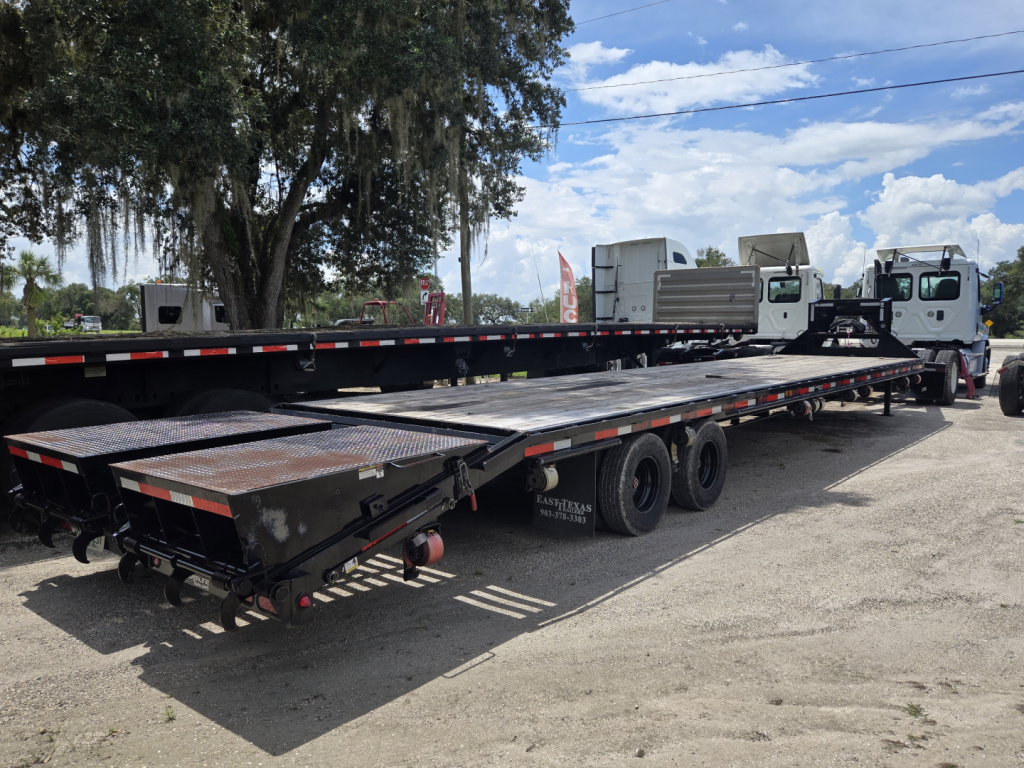
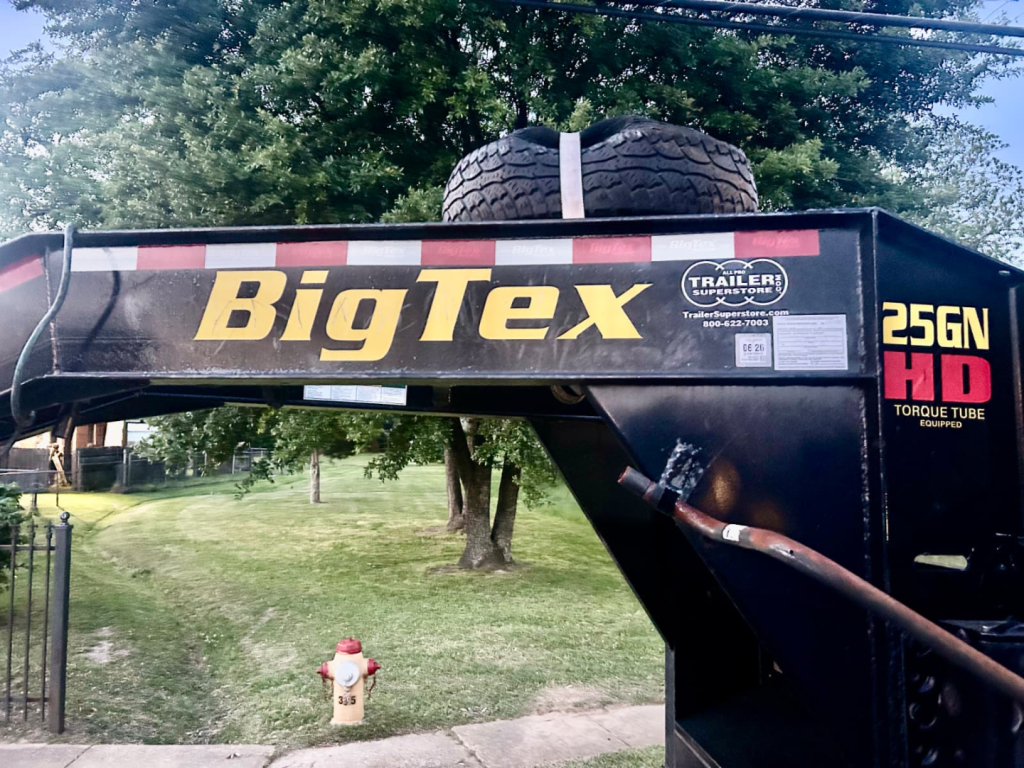
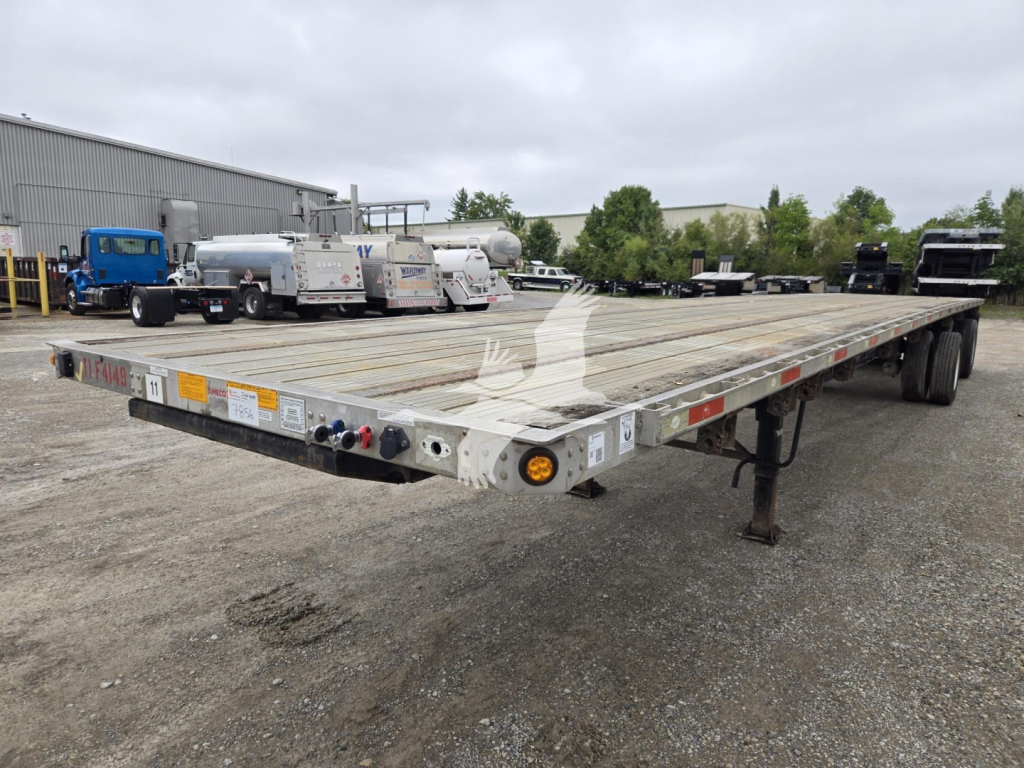
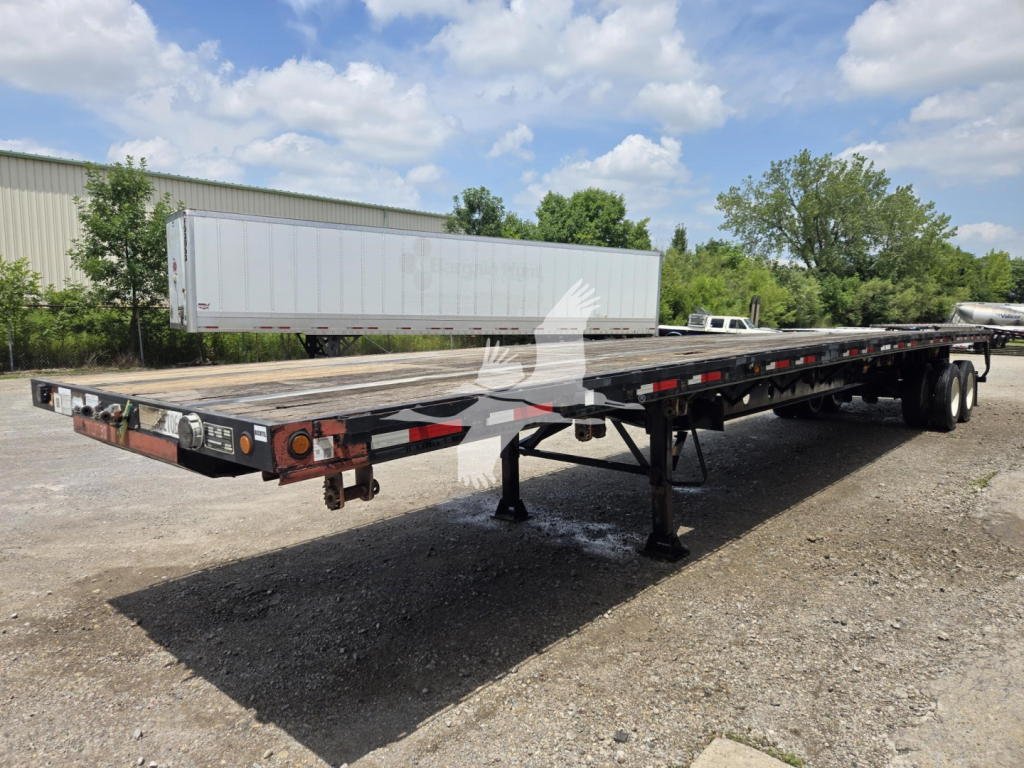
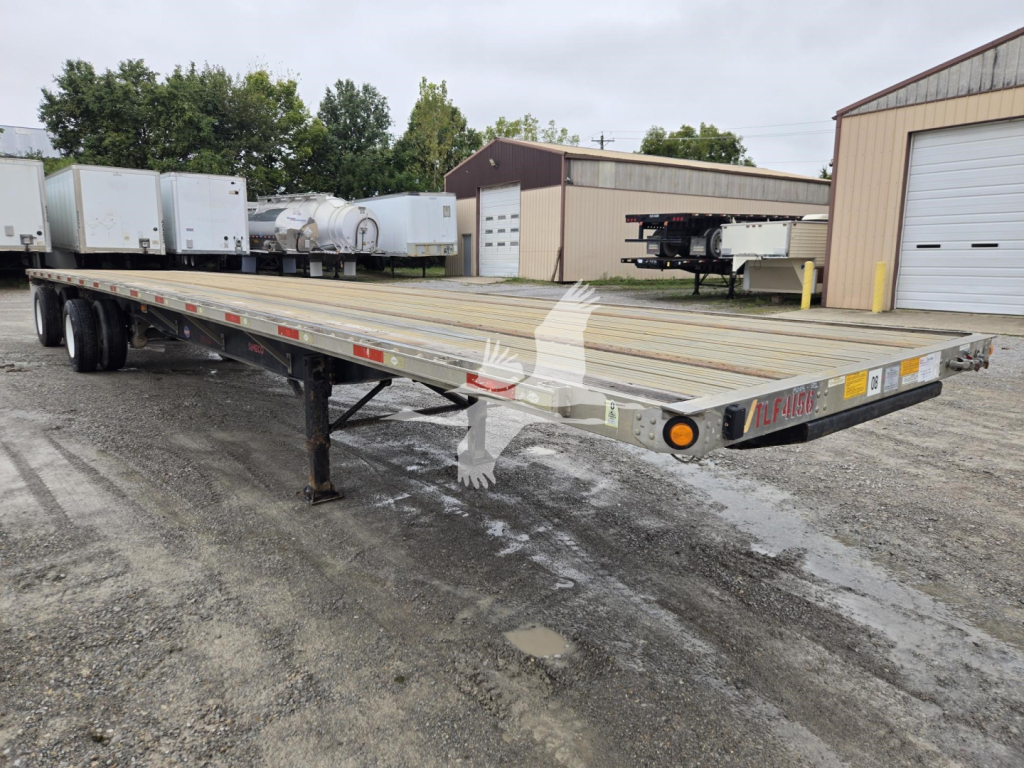
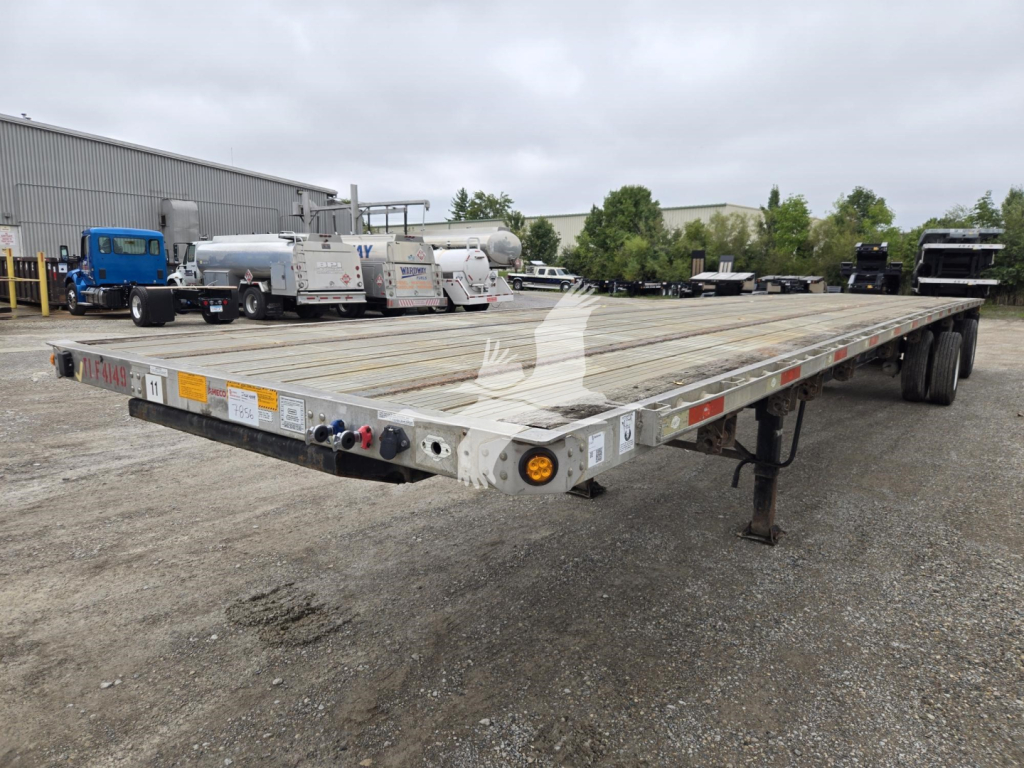
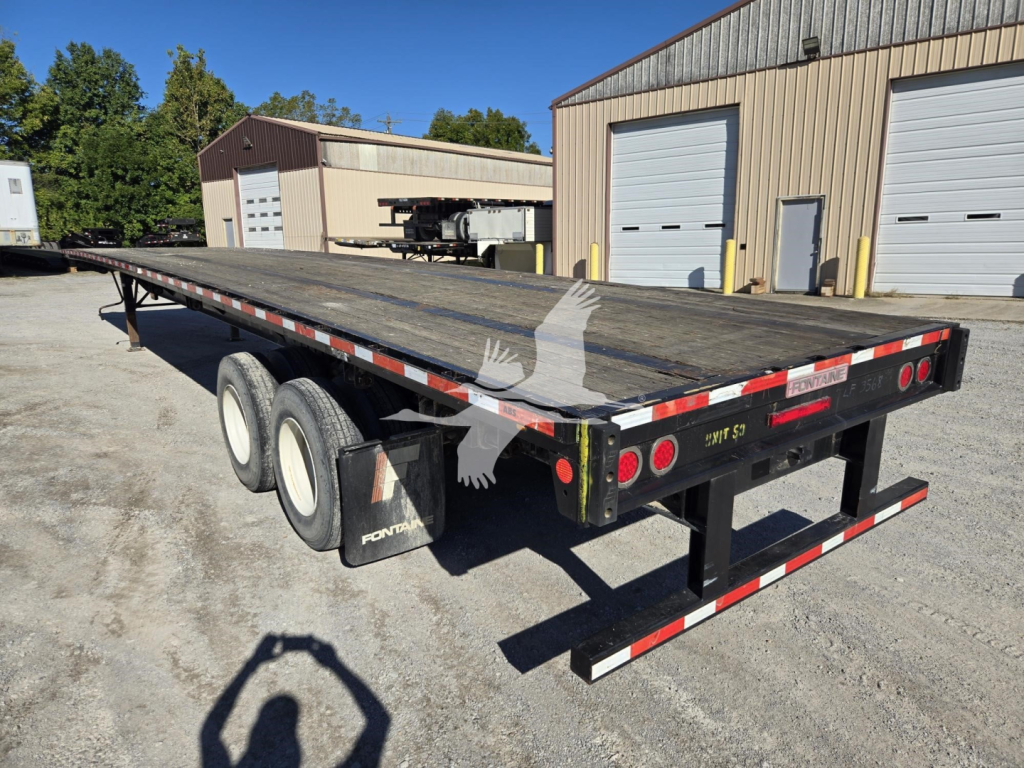
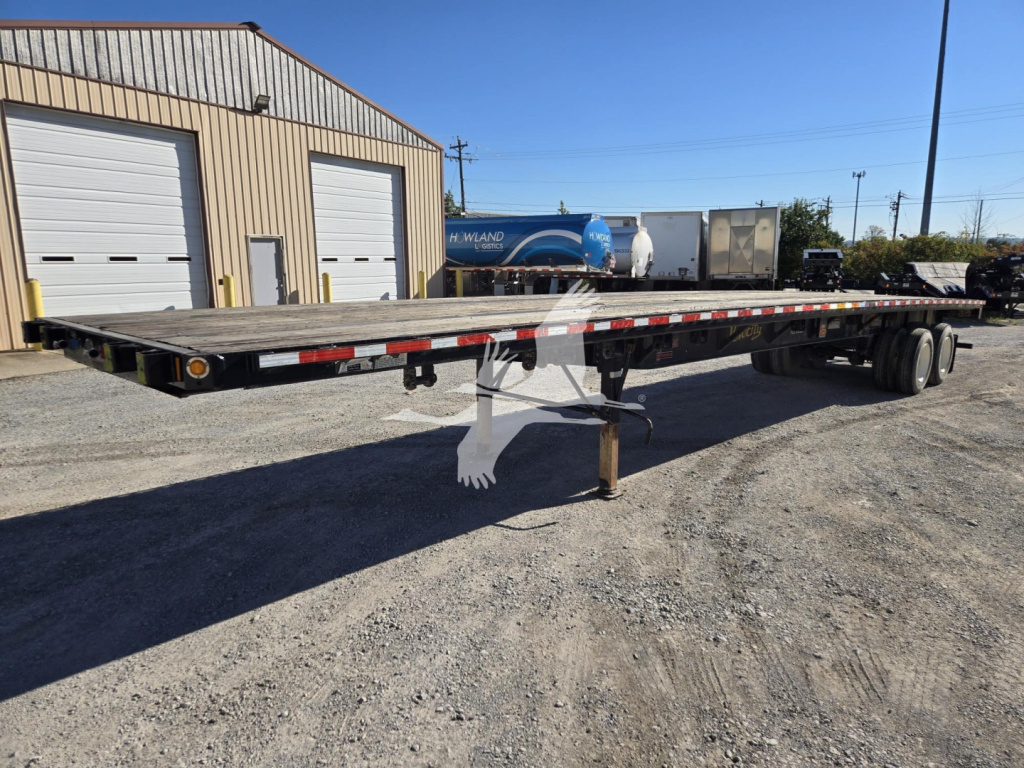
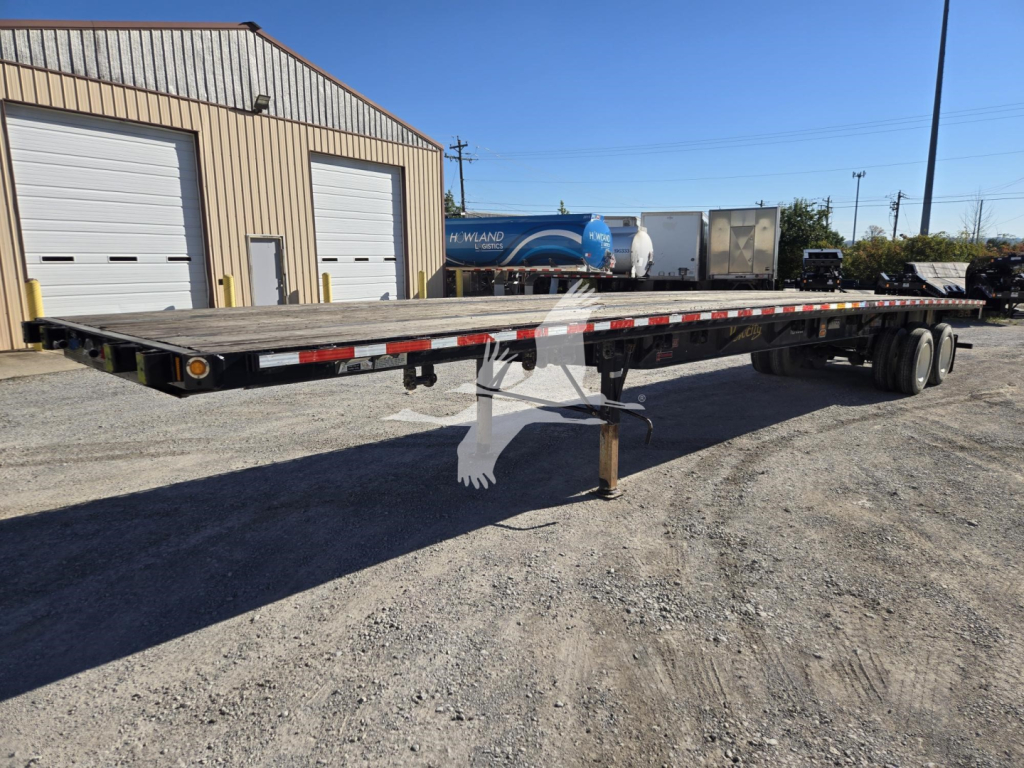
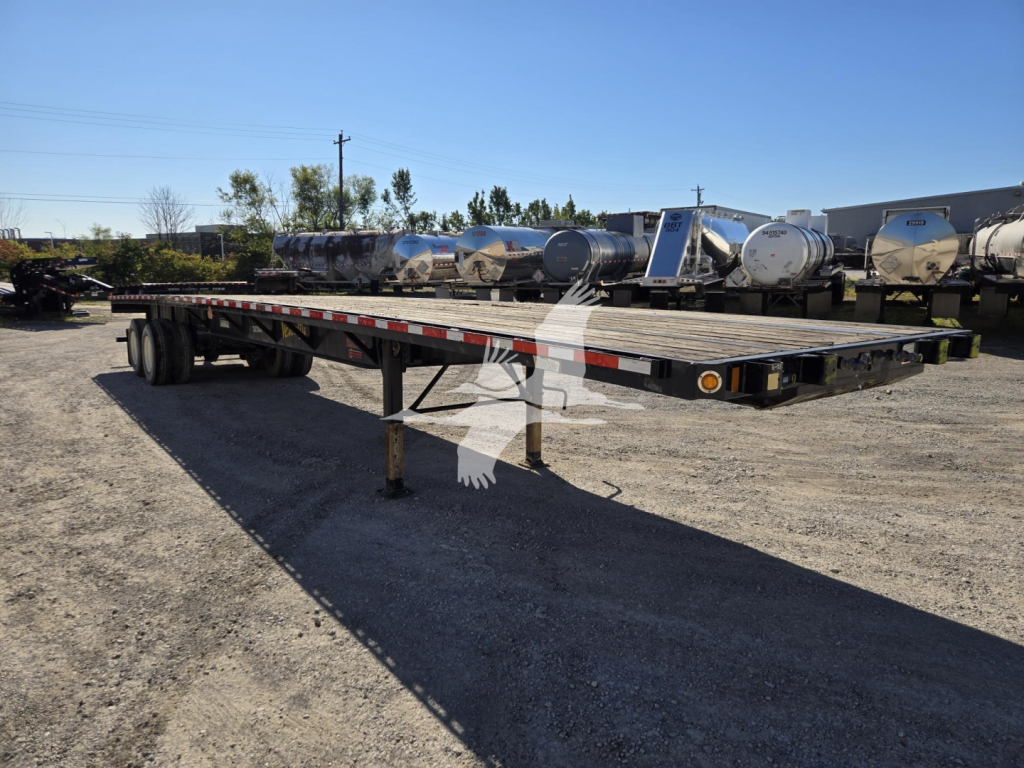
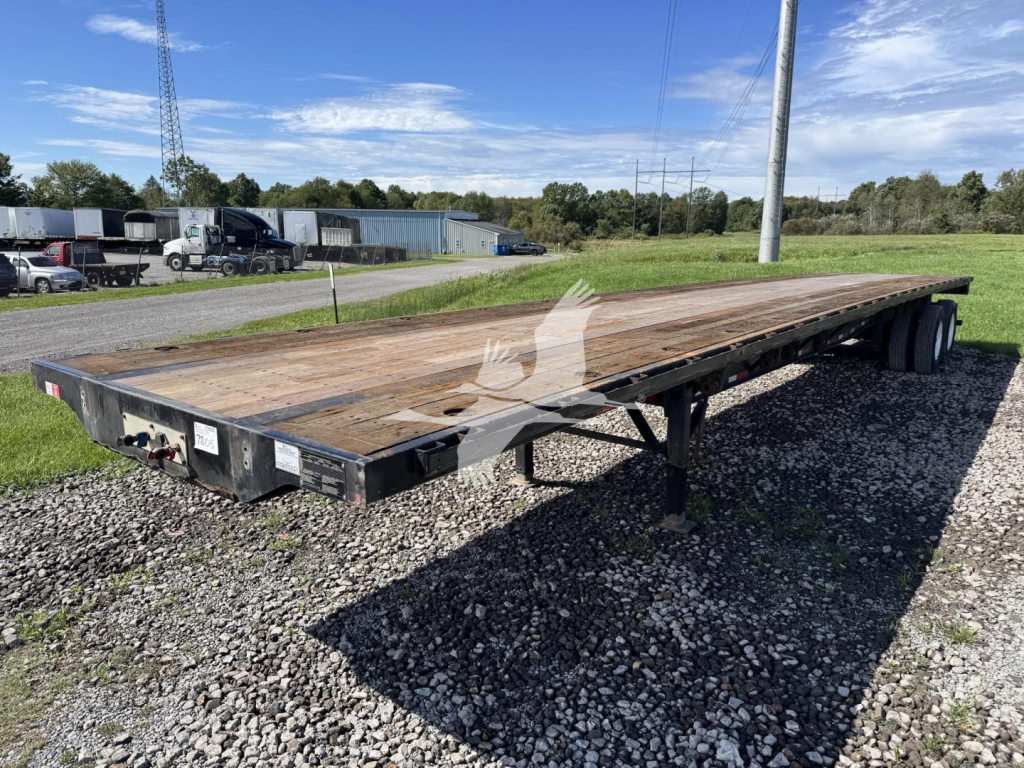
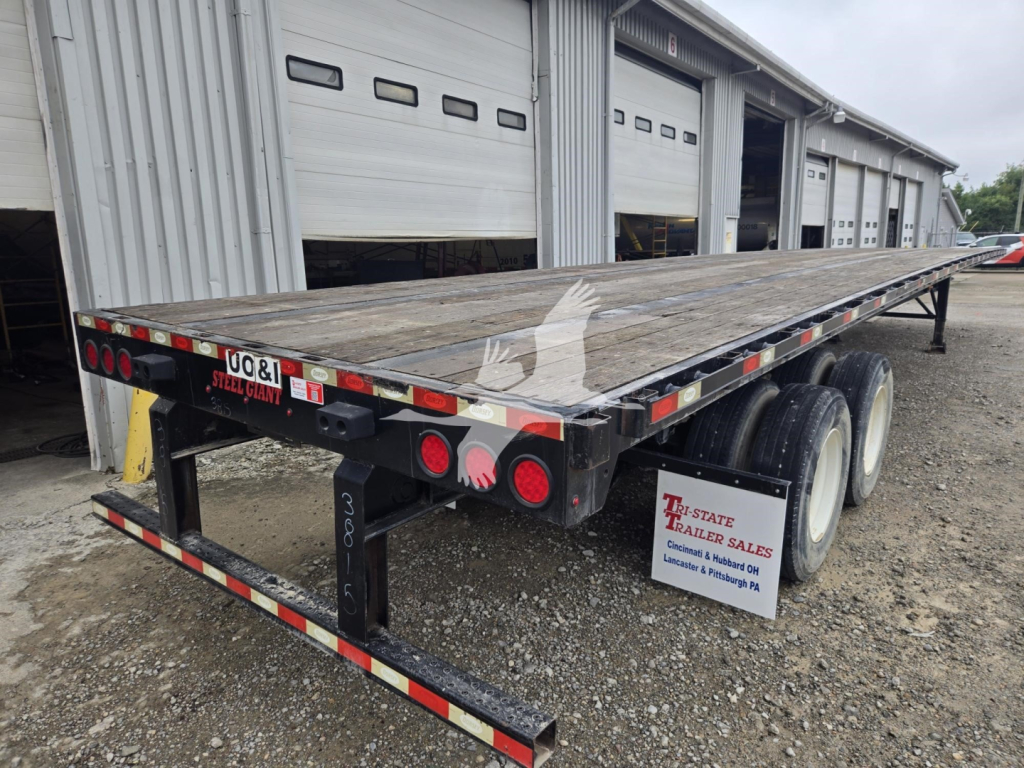
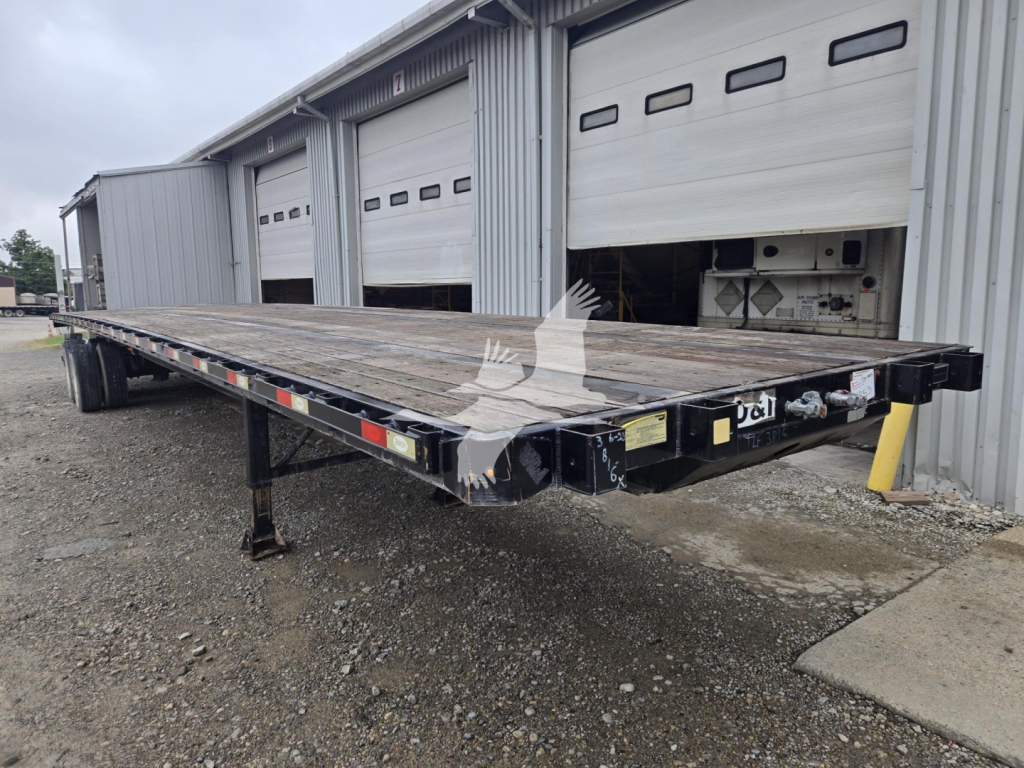
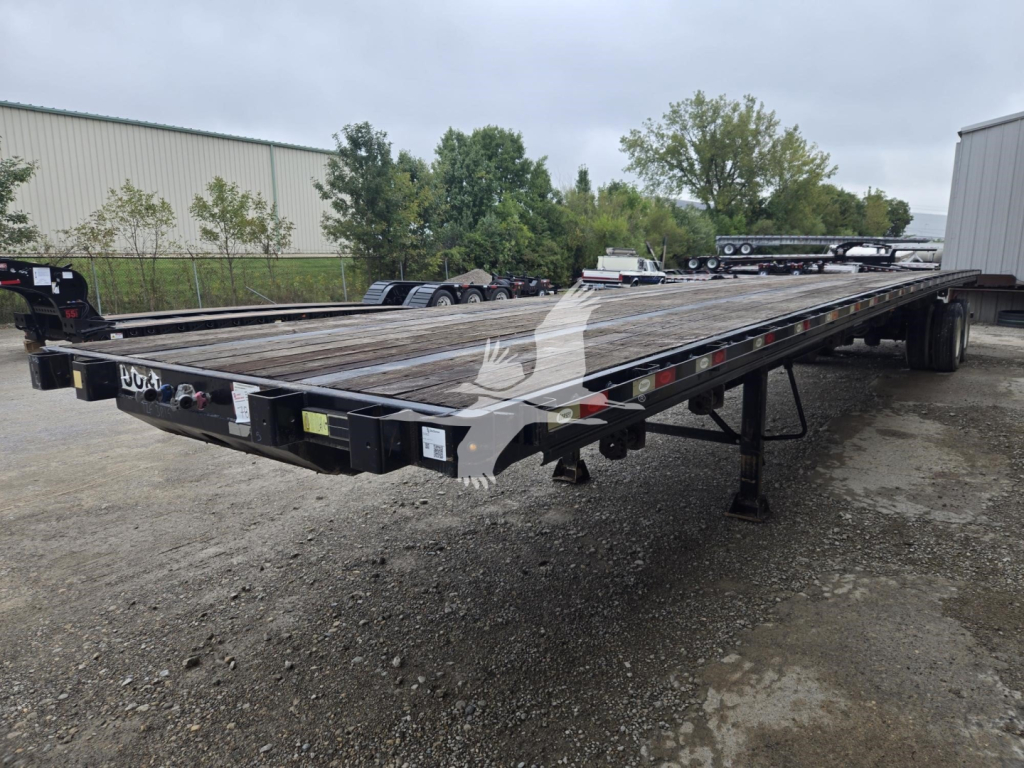
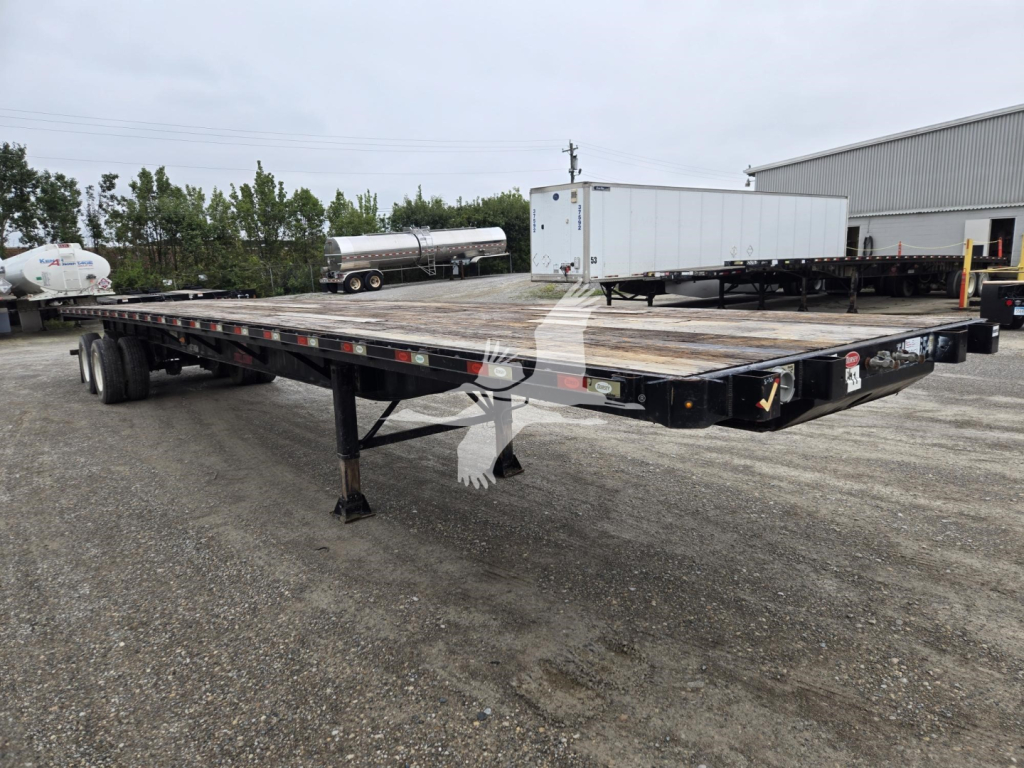
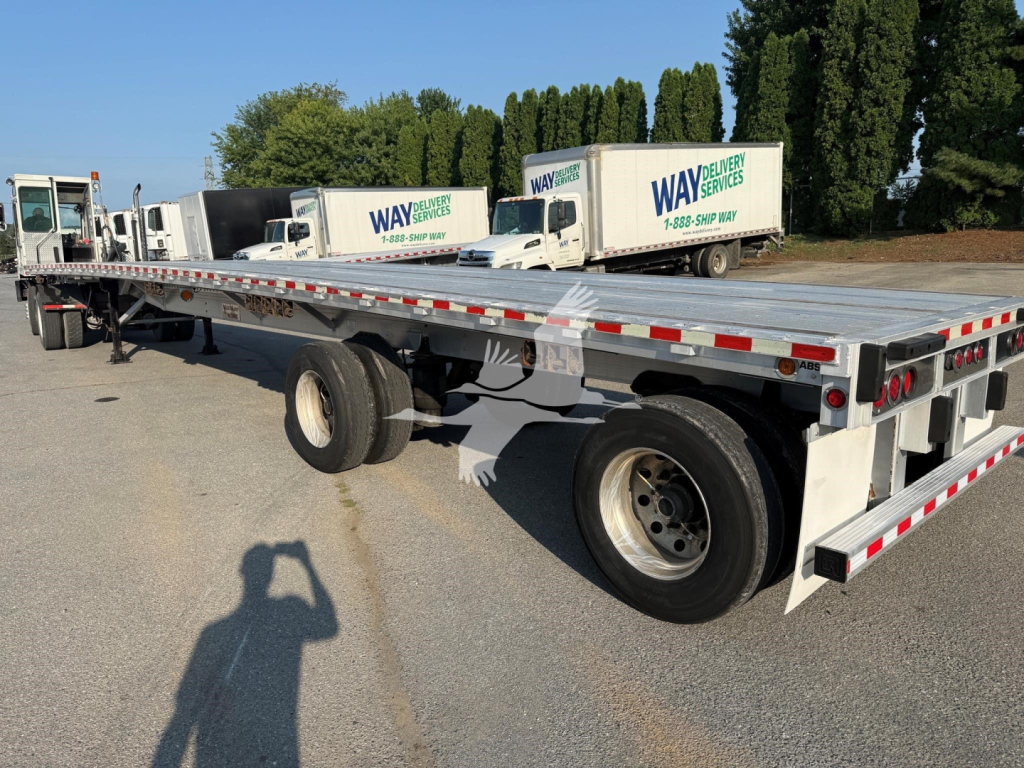
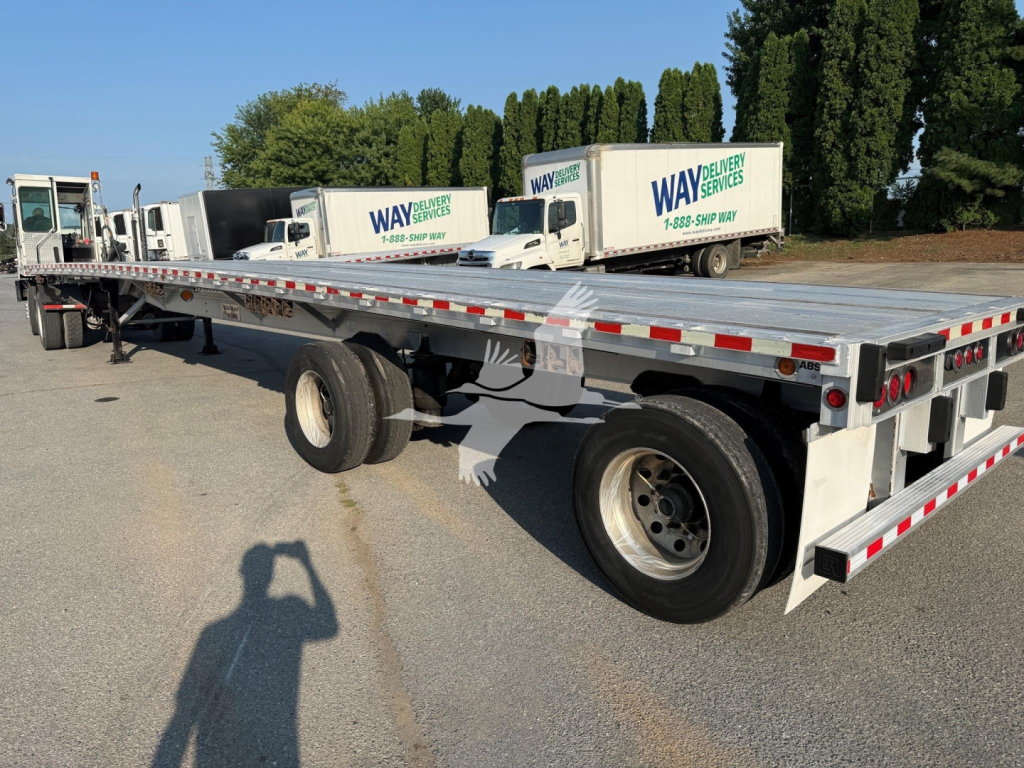
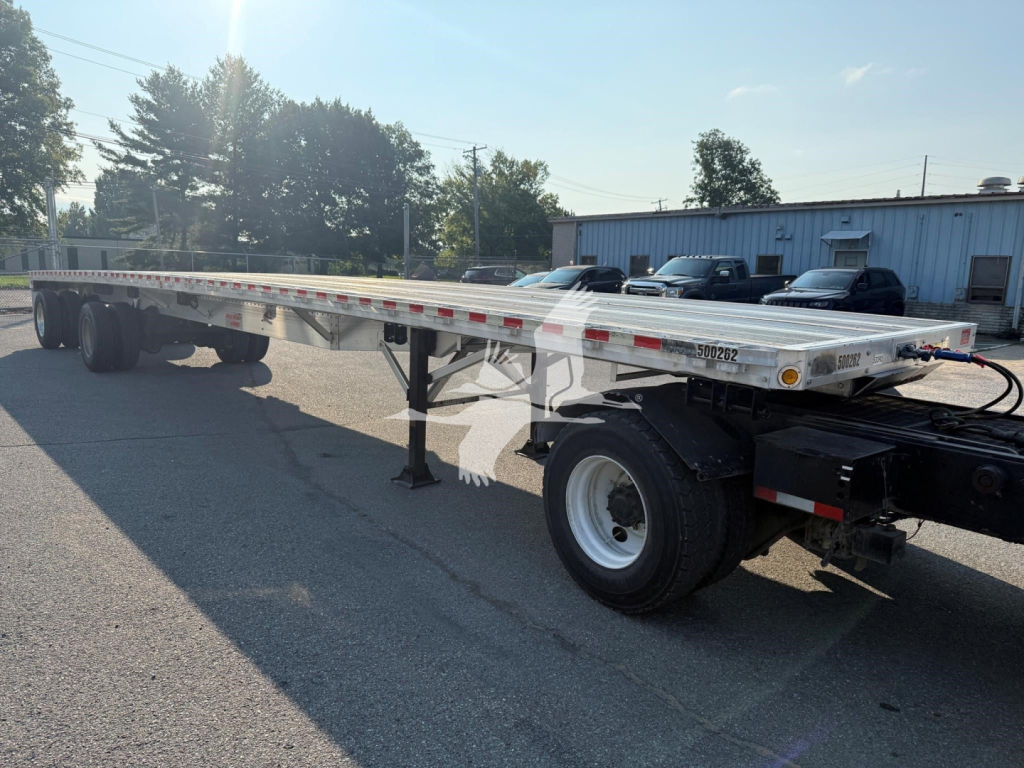
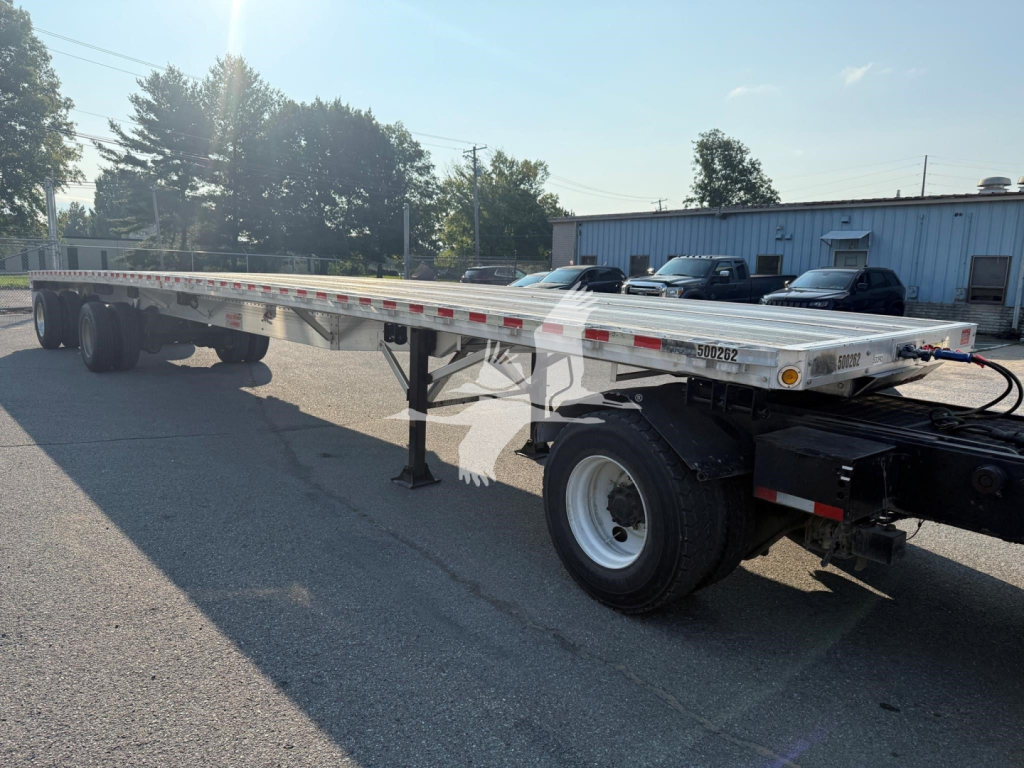
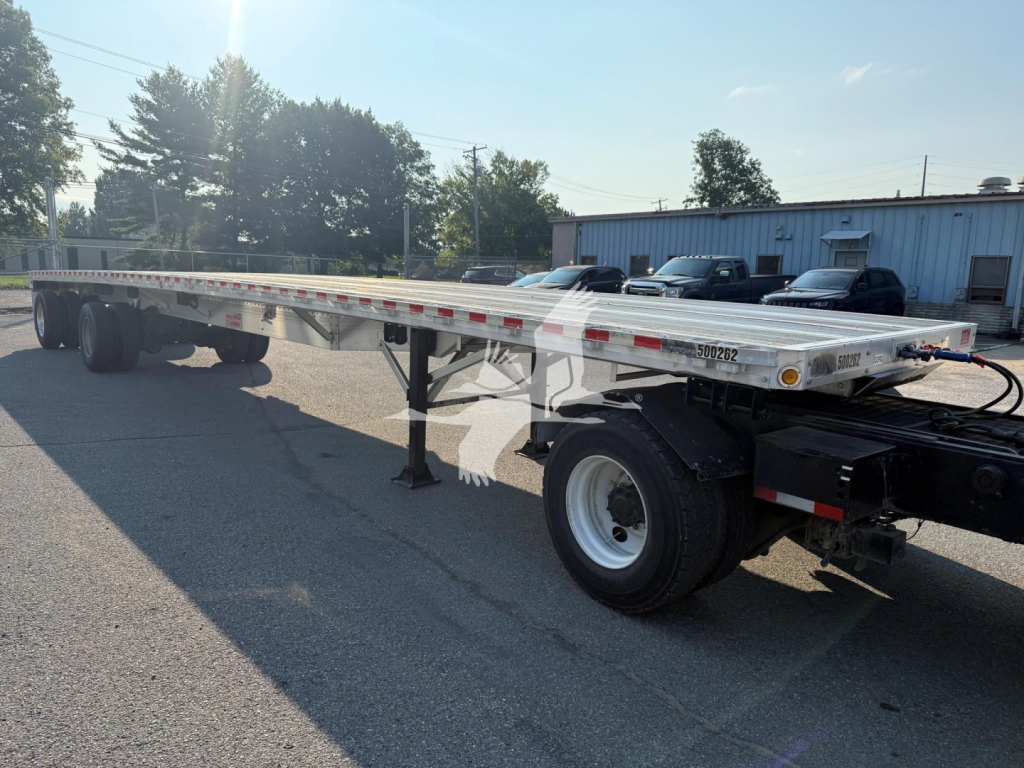
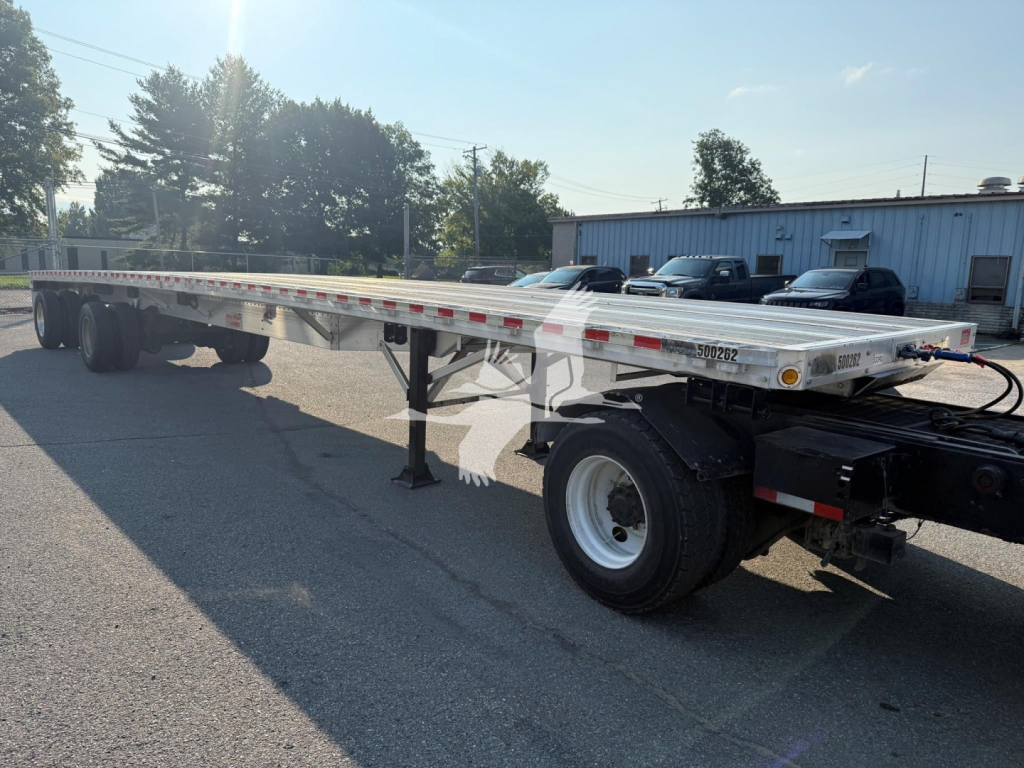
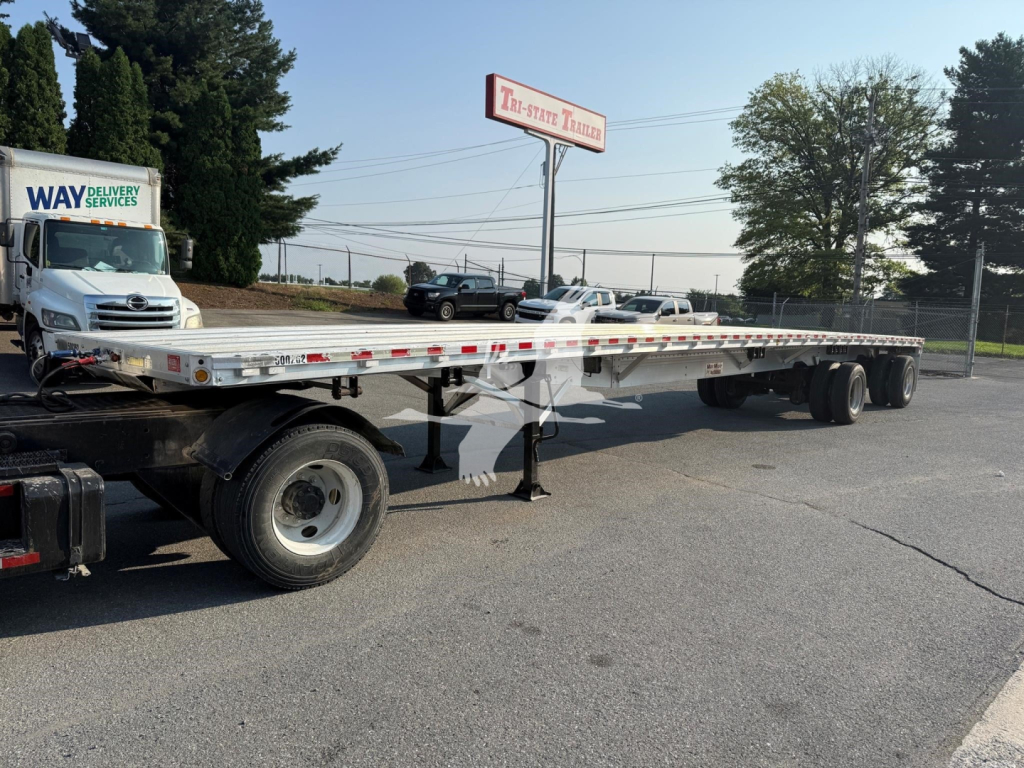
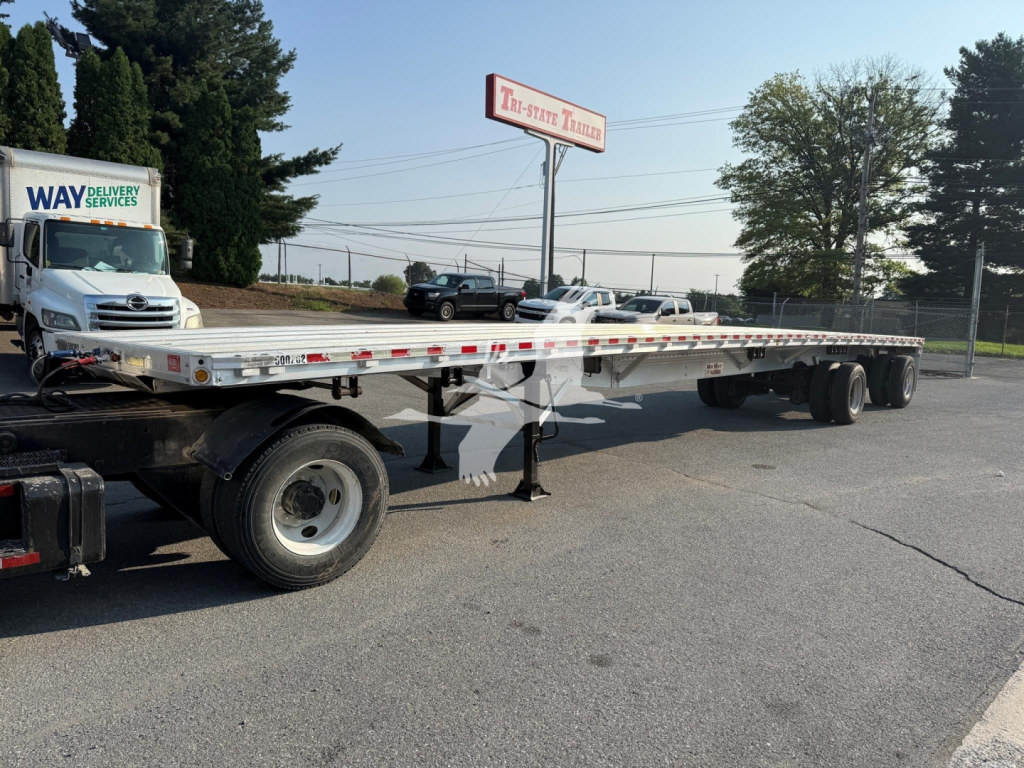
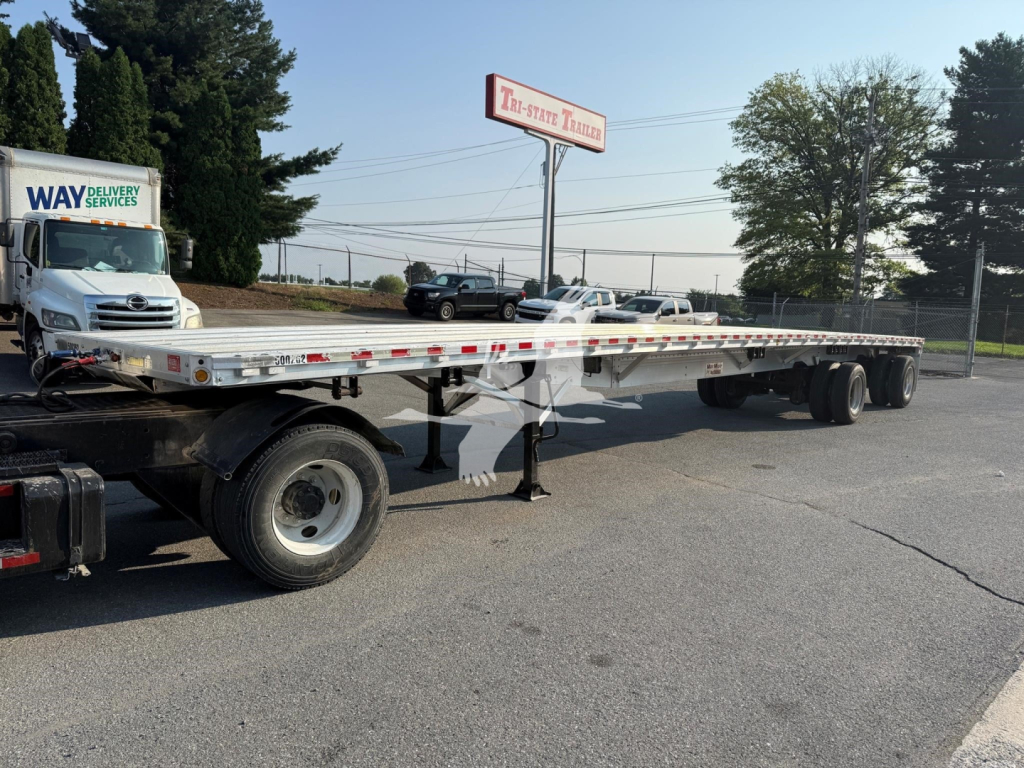
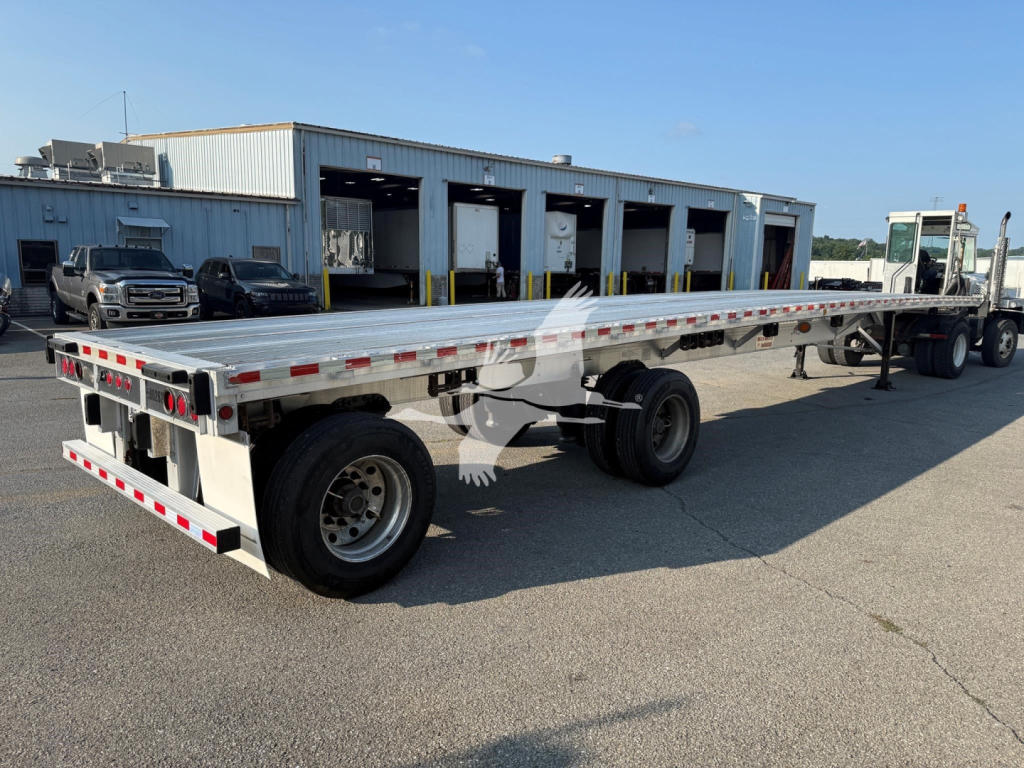
Showing 1 to 28 of 345 results
Selling a vanguard flatbed trailer? List your vanguard flatbed trailer for sale and reach thousands of commercial buyers.
Vanguard Flatbed Trailers
The biggest buying decision usually comes down to payload versus durability. Steel flatbeds generally weigh more than comparable aluminum models, but many operators prefer the toughness, lower repair complexity, and resistance to hard use around job sites, pipe yards, and distribution points. Important specs to compare include concentrated load rating, distributed load rating, camber, crossmember design, and the layout of stake pockets and rub rail. Buyers hauling mixed freight should pay close attention to stake pocket spacing, winch track availability, coil package options, and the condition or design of the trailer deck, since these details directly affect securement speed and freight compatibility.
Suspension and axle layout also deserve close review. Air ride suspension is common on late-model Vanguard flatbed trailers because it helps protect freight, improves ride quality, and is widely accepted in general freight service. Spread axle configurations can improve weight distribution and help with certain loads, but they also add tire scrub in tight turns and may affect bridge-law planning depending on the lane. Tandem and spread axle setups each have a place, so the right choice depends on the freight mix, regional routing, and loading dock environment. Wheel-end spec, brake type, tire size, and general undercarriage condition are all worth checking because maintenance cost on a flatbed is often driven more by running gear than by the deck itself.
For buyers comparing Vanguard flatbeds against other open-deck trailers, the value is usually in straightforward specs, practical durability, and compatibility with common freight lanes. Also known simply as a flatbed trailer or open-deck trailer, this equipment class is one of the most versatile trailer types in trucking. A well-matched Vanguard flatbed should be evaluated around legal payload needs, securement points, deck condition, suspension spec, and how easily it fits the freight you haul most often. If the trailer will spend time in steel service, construction supply, or regional building products, frame strength and deck hardware usually matter more than cosmetic details.
Frequently Asked Questions about Vanguard Flatbed Trailers
What freight is a Vanguard flatbed trailer commonly used to haul?
A Vanguard flatbed trailer is commonly used for freight that can be loaded from the side, top, or rear and does not need weather protection from a dry van. Typical loads include steel products, lumber, machinery, building materials, crated equipment, pipe, and palletized freight. The exact freight mix depends on deck rating, securement equipment, and axle configuration, but flatbeds are generally chosen for cargo that benefits from easy loading access and multiple tie-down points.
Is a steel Vanguard flatbed better than an aluminum flatbed?
A steel flatbed is usually favored for durability, lower repair complexity, and hard-use environments, while an aluminum flatbed is often chosen for lighter tare weight and higher potential payload. Steel can be a strong fit for operators hauling dense freight or working in rough loading conditions where impact resistance matters. The tradeoff is added trailer weight, so buyers should compare tare weight, frame rating, expected maintenance, and the type of freight they plan to haul most often.
What should I inspect on a used Vanguard flatbed trailer?
The most important inspection points are the frame, crossmembers, deck condition, suspension, wheel ends, brakes, tires, and all securement hardware. Look closely at stake pockets, rub rails, winch tracks, and landing gear for signs of damage or repeated heavy use. It is also smart to check for deck rot if wood is installed, uneven tire wear, corrosion around suspension hangers, and any evidence of frame repairs. On a working flatbed, structural condition and running gear matter more than appearance.
What is the advantage of a spread axle flatbed trailer?
A spread axle flatbed can improve load distribution and may help with certain weight-sensitive applications, especially when hauling heavier or longer freight. Many operators prefer spread axles for load stability and for meeting specific bridge or state weight requirements. The downside is increased tire scrub during tight turns, along with possible maneuverability challenges in crowded yards or urban delivery points. The best axle layout depends on your routes, freight profile, and loading environment.
Why does stake pocket spacing matter on a flatbed trailer?
Stake pocket spacing matters because it affects how easily and safely you can secure different load shapes and lengths. More frequent spacing gives drivers more tie-down options and can reduce wasted time trying to position chains, straps, and edge protection around awkward freight. For general freight operations, evenly spaced stake pockets and a usable rub rail setup make the trailer more flexible and more efficient across a wider range of loads.