
Used Wabash Dry Van Trailers For Sale in Pennsylvania
Used Wabash dry van trailers for sale in Pennsylvania: compare DuraPlate construction, salt corrosion, floor condition, and tandem operation before buying.
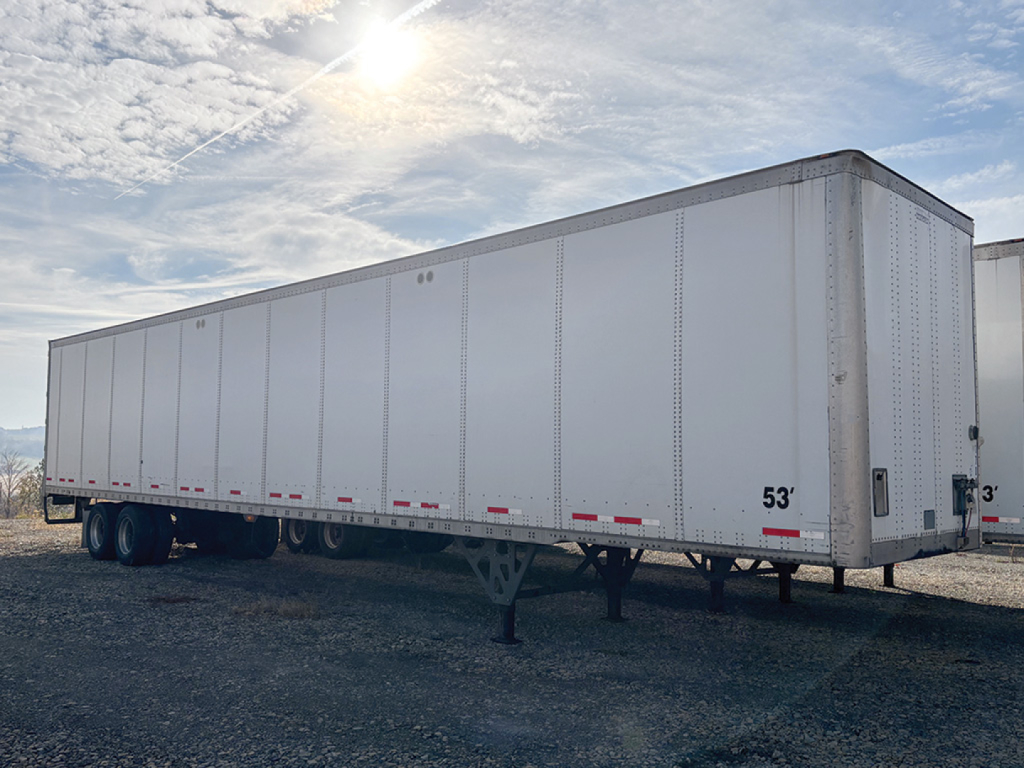
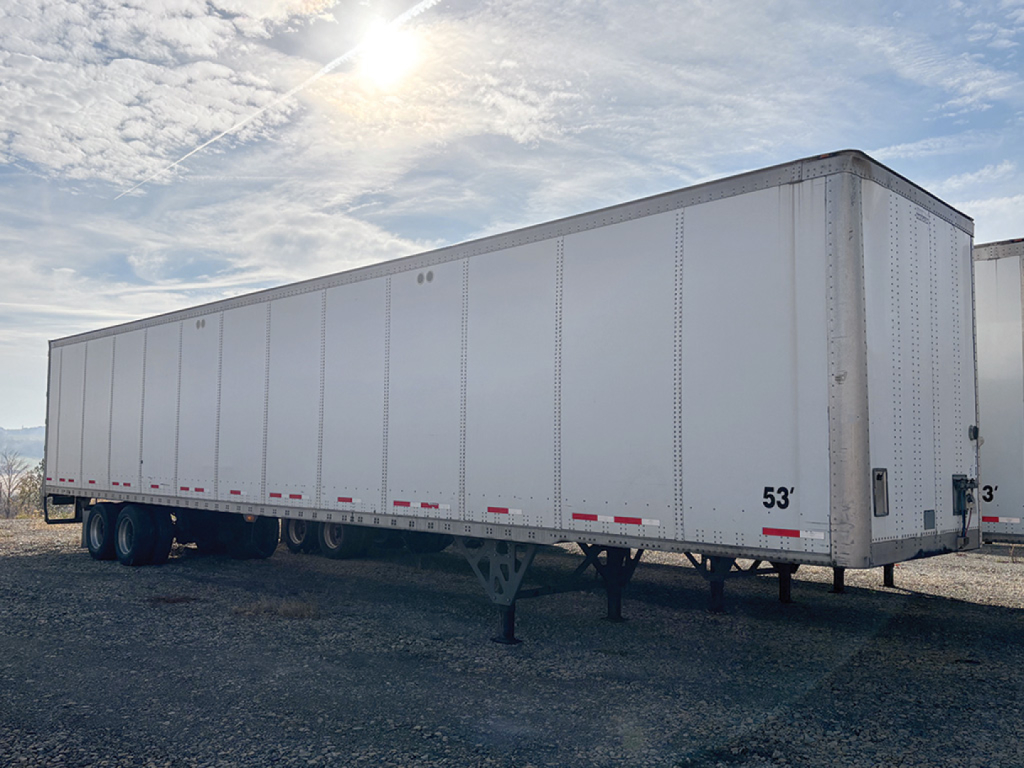
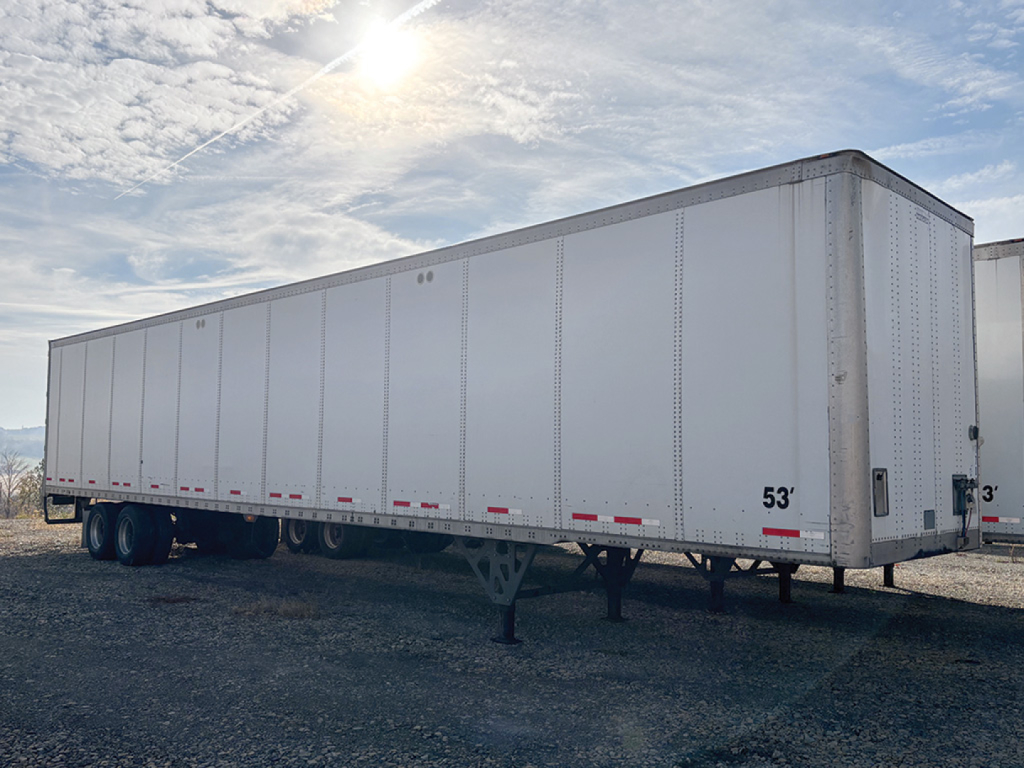
Selling a used wabash dry van trailer? List your used wabash dry van trailer for sale and reach thousands of commercial buyers.
Used Wabash Dry Van Trailers in Pennsylvania
A 53-foot, 102-inch-wide box trailer is a common fit for Pennsylvania warehouse distribution, packaged goods, and manufacturing freight. Confirm usable interior width, rear opening, and interior height because wall construction, scuff liners, and roof specifications change working clearance. DuraPlate composite-panel vans and conventional sheet-and-post construction should be compared by actual dimensions and condition, not exterior width alone. Swing doors maximize dock opening, while roll-up doors can suit frequent delivery stops but consume overhead clearance and introduce tracks, rollers, and spring hardware to maintain.
Floor condition separates a working van from an expensive rebuild. Inspect hardwood decking from above and below for soft spots, crushed boards, pulled fasteners, and dark staining around crossmembers. Examine roof sheets, bows, panel seams, and door seals for evidence of leaks or impact damage. Operate the landing gear and sliding tandem, verify every locking pin engages, and check air suspension for leaks. Request brake, wheel-end, tire, and structural repair records; confirm ABS operation and investigate uneven tire wear rather than assuming an alignment will cure it.
Pennsylvania's I-78 and I-81 distribution corridors favor highway vans, while industrial docks around Philadelphia and Pittsburgh can expose rear frames and thresholds to repeated impacts. Match suspension capacity, axle ratings, and tandem travel to loaded axle weights, not just total cargo weight. Check the intended route for trailer-length restrictions, bridge limits, and local access before assigning a 53-footer to deliveries. A road test with a compatible tractor helps reveal brake imbalance, tracking problems, and air-system faults that a parked inspection misses.
Frequently Asked Questions about Used Wabash Dry Van Trailers in Pennsylvania
How many pallets fit in a 53-foot Wabash dry van?
A 53-foot Wabash dry van typically carries 26 standard 48-by-40-inch pallets in a straight loading pattern, arranged two across and 13 rows deep. Actual capacity depends on usable interior dimensions, pallet overhang, and cargo clearance. Dense freight can reach legal axle or gross weight limits before every pallet position is filled.
How do I know whether a used Wabash trailer floor can handle my forklift?
The documented floor rating must accommodate the loaded forklift's concentrated axle load, not merely the cargo's total weight. Obtain the Wabash build specifications or floor-rating documentation and compare them with the forklift manufacturer's loaded axle weights. Previous floor repairs, damaged crossmembers, and deteriorated decking can compromise capacity even when the original specification was adequate.
Can I run a 53-foot Wabash dry van on every road in Pennsylvania?
No, a 53-foot Wabash dry van is not automatically legal on every Pennsylvania road. Trailer length, width, axle configuration, posted restrictions, and access rules determine the permitted route. Verify the complete trip against current PennDOT guidance and local restrictions, including the final approach to the receiver; an interstate-compatible trailer may still be unsuitable for a particular delivery road.
What makes a used Wabash dry van suitable for food freight?
A clean, dry, odor-free cargo compartment that meets the shipper's requirements is the starting point for food freight in a used Wabash dry van. Check previous cargo history, pest evidence, roof leaks, exposed wood damage, and contamination trapped behind liners. A seller's food-grade description does not establish universal acceptance, and a dry van cannot provide refrigerated temperature control.
Is automatic tire inflation worth having on a used Wabash dry van?
Automatic tire inflation is useful on a highway-operated Wabash dry van because maintaining specified pressure reduces underinflation-related wear and heat. Test the regulator, hub fittings, rotary unions, hoses, and warning indicator before assigning value to the system. Inflation equipment cannot correct overloads, alignment faults, damaged tires, or leaking wheel-end seals.