
Used Utility Flatbed Trailers For Sale in Ohio
Compare used Utility flatbed trailers for sale in Ohio by coil-load ratings, steel-and-aluminum construction, corrosion, axle spacing, and brake condition.
Selling a used utility flatbed trailer? List your used utility flatbed trailer for sale and reach thousands of commercial buyers.
Used Utility Flatbed Trailers in Ohio
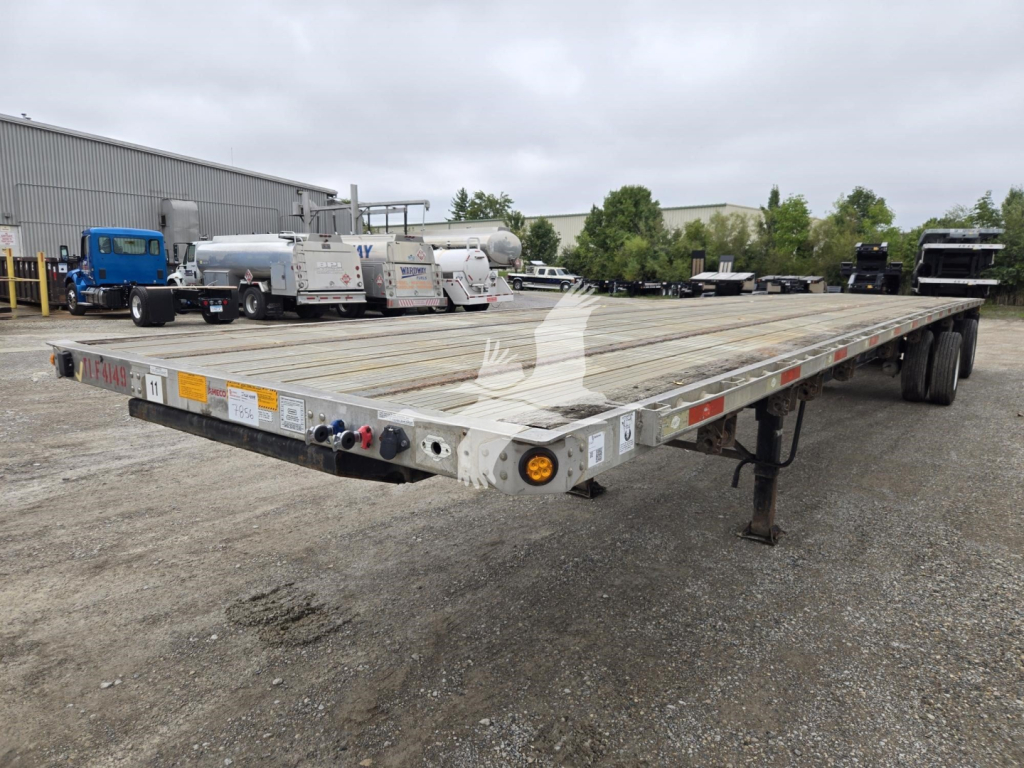
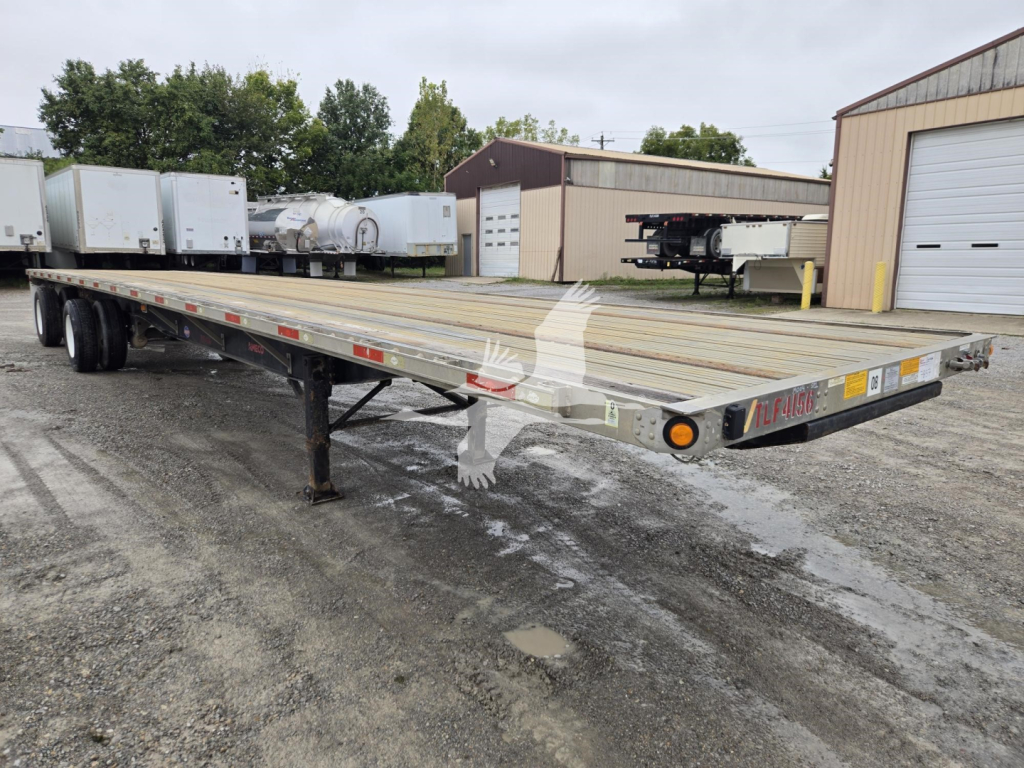
Road salt and trapped moisture make the underside inspection especially important on an Ohio-operated platform trailer. Examine steel beam flanges, suspension hangers, landing-gear attachments, and the upper coupler for section loss, cracks, or patch plates. Check steel-to-aluminum joints for corrosion and loose fasteners, then inspect the deck, nailing strips, side rails, winch tracks, and tiedown points for distortion. Review annual inspection paperwork, brake repairs, wheel-end service, and alignment records; fresh paint is not evidence of sound structure. Older trailers also warrant close checks of ABS wiring, air lines, chambers, and air springs, followed by brake, ABS, and lighting function tests before service.
A 48-foot or 53-foot deck and 102-inch width should fit the freight, delivery sites, and tractor combination, not just maximize deck space. Spread axles can improve legal load distribution but increase tire scrub in tight mill yards and building-supply sites. Verify axle ratings, suspension condition, kingpin setback, and fifth-wheel clearance against the planned tractor. Ohio axle limits, bridge restrictions, and posted routes still govern legal loads regardless of the trailer's structural capacity.
Frequently Asked Questions about Used Utility Flatbed Trailers in Ohio
What equipment do I need to haul steel coils on a used Utility flatbed?
A coil-rated Utility flatbed still needs suitable coil racks, blocking, protective materials, and rated tiedowns for the coil's weight and eye orientation. Federal metal-coil securement rules in 49 CFR 393.120 apply to coils weighing 5,000 pounds or more individually or grouped together. Confirm the trailer's concentrated-load rating and a compliant securement arrangement separately; an advertised coil package does not automatically provide everything needed to secure the load.
Can a 10-foot-2-inch spread axle carry more weight than a closed tandem in Ohio?
A properly rated 10-foot-2-inch spread can allow 40,000 pounds across its two axles on Ohio Interstate routes, compared with the usual 34,000-pound tandem limit. Each axle remains subject to the standard 20,000-pound single-axle limit. A used Utility flatbed must also satisfy tire and equipment ratings, the federal bridge formula, gross combination limits, and route restrictions. Spread spacing alone does not establish the combination's legal payload.
Do older Utility flatbed trailers need ABS?
Air-braked Utility semitrailers manufactured on or after March 1, 1998, generally must have ABS under federal manufacturing requirements. Confirm the build date from the certification label rather than relying only on the advertised model year. Verify the ABS warning-lamp sequence and retrieve fault codes where diagnostic access permits. An older trailer built without an ABS requirement is a different case from a trailer whose required ABS has been removed or disabled.
Which wear items should I budget for on a used Utility spread-axle flatbed?
Tires, wheel ends, and brakes are the first systems to budget for on a used Utility spread-axle flatbed. Inspect tire date codes as well as tread, and investigate irregular shoulder wear that can indicate scrub, misalignment, or worn suspension bushings. Check bearing play, hub leakage, drum or rotor condition, and air-system leaks. Replacing tires or isolated brake parts will not correct an underlying alignment or wheel-end problem.