
Used Trail King Belt Trailers For Sale in Nebraska
Used Trail King belt trailers for sale in Nebraska. Compare live bottom specs, capacity, suspension, liner, tarp, and discharge setup.
Learn more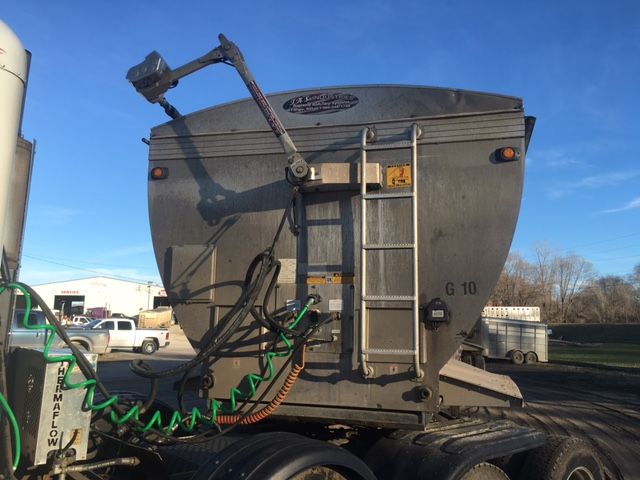
Have used trail king belt trailer to sell? List it here to reach thousands of buyers.
About Used Trail King Belt Trailers in Nebraska
On a Trail King belt trailer, buyers usually start with body size, belt construction, and suspension. Common checkpoints include overall length, side height, cubic yard capacity, liner condition, and whether the belt uses chain-driven segments or another conveyor design. Used units may be equipped with aluminum cross tubes, full liners, electric tarps, and air-ride suspension such as Hendrickson systems. Axle ratings, hub and drum specs, wheel material, and tire size also matter because they affect payload, service cost, and interstate compliance. On older used belt trailers, belt wear, splice condition, chain condition, floor tracking, and discharge gate operation deserve close inspection.
Application should drive the spec. Asphalt fleets often focus on belt smoothness, liner condition, tarp function, and clean discharge to keep material moving and temperature loss under control. Aggregate and dirt haulers may care more about durability, belt thickness, crossmember integrity, and how the trailer handles abrasive loads over time. A live bottom trailer can also improve safety and versatility in locations with overhead clearance limits because the body stays down during unloading. That makes this category attractive for municipal work, plant-to-site hauling, road building, and commercial material delivery where a tipper is not practical.
For a used Trail King belt trailer, structural condition is as important as the running gear. Check the frame rails, kingpin area, suspension mounts, rear impact structure, and body seams for signs of fatigue or prior repairs. Verify tarp operation, air system response, brake condition, and belt drive performance under load if possible. Buyers comparing listings in this category should look beyond model year and focus on how the trailer was used, what materials it hauled, and whether the conveyor, liner, suspension, and axle package match the job. A well-maintained Trail King live bottom trailer can be a productive choice for fleets that need precise unloading, reduced jobsite risk, and multi-material flexibility.
Frequently Asked Questions
What is the main advantage of a Trail King belt trailer compared with a dump trailer?
A Trail King belt trailer unloads by moving material out the rear on a conveyor floor, so the trailer body does not raise during discharge. That reduces the risk of rollover on uneven ground, in crosswinds, and in confined areas. It also allows more controlled material placement, which is useful for asphalt paving, shoulder work, and jobs with overhead clearance restrictions.
What should I inspect first on a used belt trailer?
Start with the belt system and the trailer structure. Inspect belt wear, splices, tracking, chain or drive components, rollers, and the condition of the liner. Then look closely at the kingpin area, frame rails, suspension mounts, axle alignment, brake components, and rear discharge section. These areas tell you how the trailer was maintained and whether it is ready for production work or likely to need immediate repairs.
Are Trail King live bottom trailers suitable for asphalt work?
Yes, many belt trailers in this class are used in asphalt service because they provide smooth, controlled unloading and help limit segregation during discharge. Buyers should pay close attention to liner condition, tarp operation, belt performance, and body configuration when evaluating an asphalt-spec trailer. A clean discharge path and reliable conveyor operation are especially important when hauling hot mix.
What specs matter most when comparing used Trail King belt trailers?
The most important specs usually include overall length, cubic yard capacity, axle rating, suspension type, tire size, wheel material, liner setup, and belt design. Capacity alone does not tell the full story. The right combination depends on the material being hauled, target payload, road regulations, and how often the trailer will be loaded and unloaded each day.
Why are belt trailers popular for Nebraska hauling applications?
Nebraska operators often work in a mix of highway construction, aggregate transport, agricultural support, and municipal projects where stable unloading is a real advantage. A belt trailer can discharge on surfaces and in locations that are less ideal for a dump trailer. That makes it useful for road shoulders, plant yards, rural sites, and other places where safety, clearance, and controlled delivery matter.