
Used Trail King Belt Trailers For Sale
Used Trail King belt trailers for bulk hauling, with live floor unloading, high-cube capacity, air-ride suspensions, and low-maintenance specs.
Learn more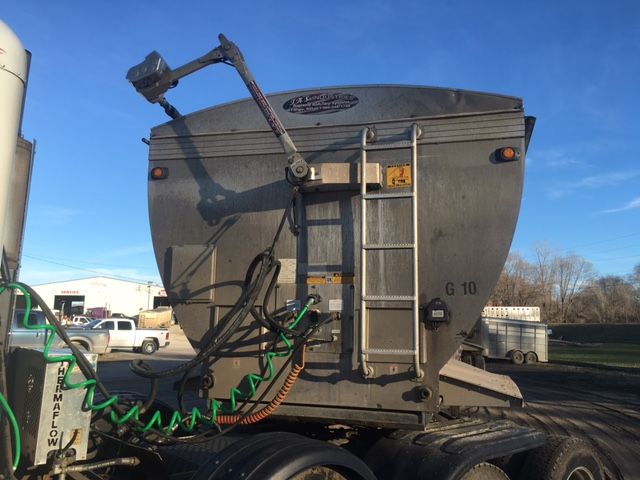
Have used trail king belt trailer to sell? List it here to reach thousands of buyers.
About Used Trail King Belt Trailers
On a Trail King belt trailer, buyers usually focus first on trailer length, sidewall height, cubic yard capacity, belt width, and floor construction. Many used units in this category are set up around 48 to 49 feet with high-volume bodies and live floor conveyor systems designed to move material consistently to the rear. Belt construction matters because it affects tracking, durability, and repair cost over time. Common details include multi-ply rubber belts, aluminum cross tubes, chain-driven belt sections, and full liner packages to protect the trailer body from abrasion and improve cleanout. If the trailer has been used in asphalt or other abrasive applications, check liner condition, belt wear, slat or cross-member condition, and the drive system for signs of uneven loading or missed maintenance.
Suspension and axle spec are just as important as the conveyor itself. Many Trail King belt trailers are equipped with tandem axle air-ride suspensions such as Hendrickson INTRAAX, often paired with 23,000-pound axles, aluminum wheels, and low-profile 24.5 tires. Air-ride helps protect the trailer structure and improves ride quality for sensitive loads. Buyers should also pay attention to hub and brake configuration, tarp system operation, and hydraulic requirements. A used belt trailer needs a strong, reliable discharge system, so it is worth inspecting the motor, chain drive components, rear door arrangement, belt tensioning system, and any gauges or controls tied to the unloading circuit. If your operation runs multiple tractors, confirm hydraulic compatibility and flow requirements before purchase.
The right used Trail King belt trailer depends on commodity type, haul distance, and unload environment. Higher-capacity trailers make sense for lighter materials like mulch or compost, while denser products such as sand, gravel, or asphalt may require more attention to legal payload and structural condition. Trail King has a solid reputation in heavy-duty trailer construction, so buyers often look at these units when they want a belt trailer that can handle repetitive jobsite use and municipal or paving work. A careful review of belt condition, liner integrity, suspension wear, axle alignment, and rear discharge components will tell you more than paint or appearance. For a buyer comparing listings, the best unit is usually the one with the cleanest maintenance history, the right body volume, and a conveyor system matched to the materials you haul every day.
Frequently Asked Questions
What is a Trail King belt trailer used for?
A Trail King belt trailer is used to haul and unload bulk materials through a live floor conveyor system instead of raising the trailer body. Common applications include asphalt, sand, gravel, grain, fertilizer, mulch, compost, salt, and other loose commodities. This design allows controlled unloading in areas with low overhead clearance and on surfaces where a dump trailer may be less stable.
What should I inspect first on a used belt trailer?
Start with the belt system, liner condition, and discharge components. Check the rubber belt for cuts, fraying, tracking issues, patch repairs, and uneven wear. Inspect cross tubes, chain drive parts, sprockets, rear seals, and the hydraulic drive system. After that, look closely at the trailer structure, suspension, axles, brakes, hubs, and signs of floor or sidewall damage from abrasive materials or overloading.
Are belt trailers better than dump trailers for some jobs?
Yes. Belt trailers are often the better choice when you need controlled material placement, safer unloading, or operation in areas with height restrictions. They can unload while moving forward, which is useful in paving and spreading applications. Dump trailers may still offer advantages for certain materials and simpler designs, but a belt trailer reduces the risk associated with raising a loaded body on uneven ground.
What specs matter most when comparing used Trail King belt trailers?
The most important specs are overall length, body height, cubic yard capacity, axle rating, suspension type, belt width, liner package, tire size, and hydraulic system setup. These details determine legal payload, unload speed, durability, and compatibility with your tractor. Capacity should always be matched to the density of the material you plan to haul, not just the trailer's advertised volume.