
Belt Trailers For Sale
Shop belt trailers built for clean, controlled unloading of ag, mulch, feed, aggregate, and asphalt with low-clearance live bottom operation.
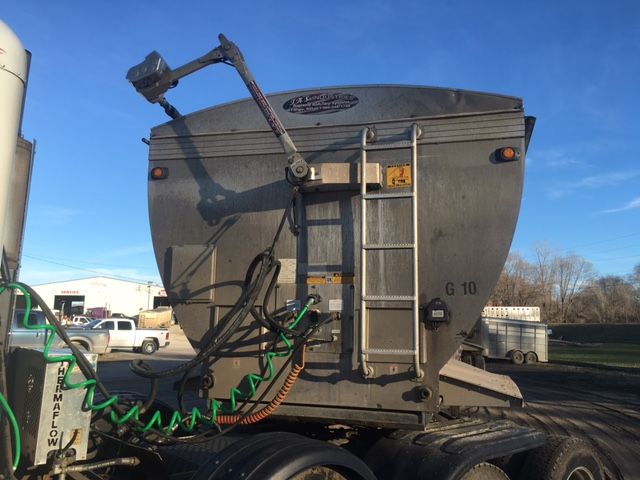
Selling a belt trailer? List your belt trailer for sale and reach thousands of commercial buyers.
Belt Trailers
A buyer usually starts with floor and belt design. Common specs include 48-inch belt systems, rubber belt construction, chain-driven belt sections, full-length liners, and aluminum cross tubes or slats depending on the build. Trailer length often falls in the upper-40-foot range with 102-inch width, tandem axle layouts, and air-ride suspension such as Hendrickson INTRAAX. Capacity is typically discussed in cubic yards and payload, so it is important to compare trailer weight against legal hauling targets in your state. Belt speed, gate design, rear discharge control, and tarp setup all affect how cleanly the trailer handles sticky, lightweight, or free-flowing material.
Frame and body construction should match the product being hauled. Aluminum belt trailers help maximize payload and resist corrosion, while steel components may be preferred in high-abuse environments. Full liners, scuff protection, and proper sealing around the discharge area reduce carryback and material leakage. On used units, pay close attention to belt tracking, splice condition, chain wear, cross member integrity, rear roller condition, hydraulic drive performance, suspension bushings, brake life, and signs of floor or sidewall damage from loaders. Tire size, wheel type, kingpin setting, axle spacing, and overall height also matter if the trailer will run in states with strict bridge or weight considerations.
For many operations, the main advantage of a belt trailer is versatility and jobsite safety. It can unload in low-clearance buildings, under power lines, along narrow shoulders, or while moving material gradually into a paver or stockpile. That controlled discharge reduces the tip-over risk associated with end dumps and helps protect soft surfaces. The best belt trailer choice comes down to material type, desired cubic capacity, empty weight, discharge speed, and how hard the trailer will be used day after day.
Also known as: Live Bottom Trailer, Conveyor Belt Trailer, Belt Unloader Trailer
Frequently Asked Questions about Belt Trailers
What is a belt trailer used for?
A belt trailer is used to haul and unload bulk materials through a moving floor belt rather than by raising the trailer body. Common loads include asphalt, gravel, sand, grain byproducts, feed ingredients, fertilizer, mulch, compost, and similar products that benefit from controlled rear discharge. The design is especially useful where low overhead clearance, uneven ground, or precise placement makes an end dump less practical.
What is the difference between a belt trailer and an end dump trailer?
A belt trailer unloads material horizontally with a conveyor-style floor, while an end dump unloads by lifting the body. Belt trailers are generally safer in low-clearance areas and on uneven jobsites because the trailer stays level during discharge. End dumps often offer fast unloading and high-volume aggregate use, but they require overhead clearance and can carry more rollover risk when dumping on unstable ground.
What should I inspect on a used belt trailer?
The most important inspection points are belt condition, belt tracking, splice quality, rear roller wear, chain or drive component wear, hydraulic motor performance, and the condition of the floor support structure. Buyers should also inspect the liner, gate seals, suspension, brakes, axle alignment, hub and drum condition, wheel ends, tarp operation, and any evidence of material leakage or frame cracking. A trailer that unloads smoothly under power and tracks the belt correctly will usually save significant downtime later.
Are belt trailers good for asphalt hauling?
Yes, belt trailers are widely used in asphalt service because they can feed material steadily and safely without lifting the body. That controlled discharge helps with paving operations and reduces the risk of instability near pavers or on tight road jobs. Buyers in asphalt service should look closely at liner condition, belt heat tolerance, insulation if required, gate design, and how evenly the trailer discharges material.
How do I choose the right belt trailer capacity and configuration?
Capacity should be matched to the density of the material, target payload, route restrictions, and legal axle weights. A lighter aluminum trailer may improve payload for lower-density products, while a heavier-duty build may be better for abrasive or high-impact materials. Length, kingpin setting, axle spacing, suspension type, belt width, and overall trailer weight all affect how efficiently the trailer fits the intended work.