
Used Tennant Others For Sale
Used Tennant other trucking equipment for sale, including industrial sweepers and specialty support machines built for yard, dock, and facility use.
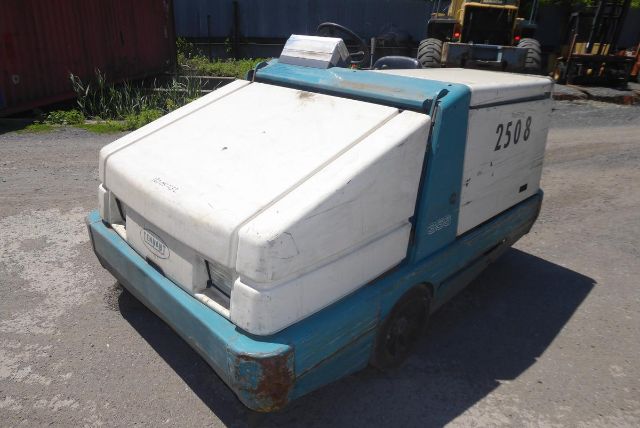
Selling a used tennant other? List your used tennant other for sale and reach thousands of commercial buyers.
Used Tennant Others
The key buying decision is matching the machine to the surface and debris type. A compact Tennant sweeper may be well-suited for dock aprons, warehouse floors, and light industrial yards where pallet chips, paper, dust, and grit build up quickly. Larger rider units are more useful on expansive paved lots, crossdock facilities, and manufacturing campuses where uptime and hopper capacity matter. Check sweeping path width, hopper volume, filter or dust-control system condition, side broom wear, tire type, and turning radius. If the unit is propane-powered, confirm tank compatibility and fuel system condition. If it is electric, battery age, charger type, and runtime are major cost factors.
On used Tennant equipment, condition matters more than model year alone. Hour meter readings help, but service history is more important on machines with brushes, hydraulic circuits, vac systems, and drive components that see constant stop-and-go use. Inspect the main broom chamber, skirts, suction system, frame, steering response, and any corrosion from chemical or moisture exposure. Buyers should also verify overall dimensions, machine weight, and clearance if the unit will operate inside trailers, under canopies, or through warehouse doors. Open operator stations are common on older units, and some machines may not have ROPS, so operating environment and site safety policy should be part of the purchase decision.
For fleet yards and logistics properties, a used Tennant machine can be a practical way to improve housekeeping, reduce airborne dust, and keep shipping areas presentable without adding a full-size road vehicle. Parts support and consumables availability are important, especially for older models where brushes, filters, wheels, hydraulic hoses, and drive components may need immediate attention after purchase. If the equipment will be used in a mixed indoor-outdoor role, prioritize machines with strong dust containment, easy service access, and a drivetrain that can handle frequent starts, tight turns, and uneven pavement.
Frequently Asked Questions about Used Tennant Others
What kind of equipment is usually found under used Tennant other trucking equipment?
This category commonly includes industrial sweepers, floor and pavement cleaning machines, and specialty support equipment used around freight terminals, warehouses, loading docks, and paved yards. Tennant is widely associated with commercial cleaning equipment, so these machines are typically purchased to manage dust, debris, and general site cleanliness rather than to haul freight.
What should I inspect first on a used Tennant sweeper or support machine?
Start with the broom system, hopper, dust-control components, drive system, and overall structural condition. Check for excessive wear on brushes, skirts, filters, tires, and hydraulic lines. Confirm the machine starts easily, steers correctly, and operates smoothly through its full sweep or cleaning cycle. Hour meter readings are useful, but maintenance history and actual operating condition usually tell you more.
Are propane-powered Tennant machines a good choice?
Propane-powered Tennant units can be a strong fit for facilities that already handle LPG equipment because refueling is fast and runtime is predictable. The buyer should verify the condition of the fuel system, regulator, hoses, and engine, and confirm that the correct tank setup is available. Indoor use may also require attention to ventilation and site safety rules.
How do I choose the right Tennant machine size for my operation?
Match the machine to the width of aisles or lanes, the type of debris, and the total area you need to clean per shift. Compact units work well in tighter dock areas and warehouse passages, while larger rider machines are better for open paved lots and high-square-footage facilities. Width, turning radius, hopper capacity, and runtime all affect productivity.
Do older used Tennant machines still make sense for fleet or warehouse properties?
Yes, if parts support is still available and the unit has been maintained properly. Many older Tennant machines are durable and mechanically straightforward, but buyers should budget for consumables and possible repairs to brushes, batteries, filters, drive components, or hydraulic systems. A clean test run and a careful inspection matter more than age alone.