
Tennant Others For Sale
Browse Tennant other trucking equipment, including industrial sweepers and support units with hydrostatic drive, compact dimensions, and propane power.
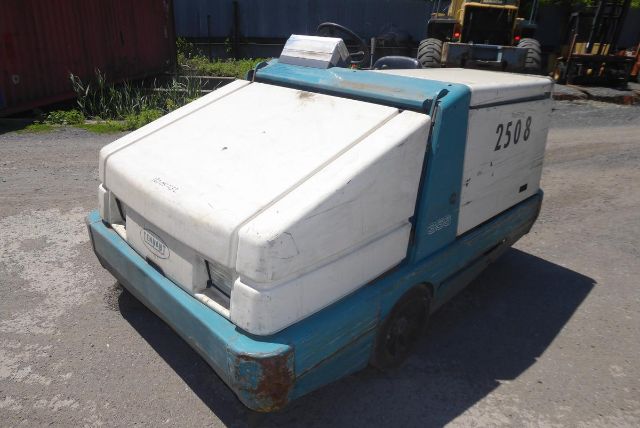
Selling a tennant other? List your tennant other for sale and reach thousands of commercial buyers.
Tennant Others
A typical Tennant sweeper in this class uses a hydrostatic drive, which gives smooth low-speed control and makes frequent starts, stops, and directional changes easier in tight work areas. Many older units are propane powered, often with a Ford industrial engine, which can be a practical setup for indoor-outdoor use if the machine is properly maintained and emissions requirements are understood. Buyers should pay close attention to hour meter readings, broom condition, hydraulic motor performance, vacuum or dust control operation, and overall parts support. On older machines, wear items and deferred maintenance matter more than appearance.
Size and layout are important in this category. Machines around the Tennant 355 footprint are narrow enough for confined lanes and facility access points, but still heavy enough to provide stable sweeping performance. Solid or semi-pneumatic tire setups are common on industrial sweepers because they reduce downtime from punctures, while open-operator configurations are typical on older equipment. If you are evaluating one for fleet support, confirm turning radius, overall width, operating height, and surface compatibility, especially if the machine will be used across concrete yards, asphalt lots, warehouse floors, or mixed environments.
The best buying decision usually comes down to application fit and serviceability. A Tennant sweeper in the other trucking equipment category is less about over-the-road transport and more about keeping transportation facilities productive, safe, and presentable. Check broom system wear, hopper condition, steering response, tire type, and parts availability before purchase. If the unit is propane powered, verify fuel system condition and tank compatibility. For operations that need reliable cleanup around terminals, maintenance facilities, truck parking areas, or loading zones, this equipment can be a cost-effective specialty asset.
Frequently Asked Questions about Tennant Others
What is Tennant other trucking equipment usually used for?
Tennant equipment in this category is commonly used for industrial sweeping and facility support work around trucking terminals, warehouses, maintenance shops, loading areas, and paved yards. These machines are designed to pick up dust, dirt, gravel, and light debris in places where a road-going sweeper or larger cleaning unit would be excessive. They are especially useful for keeping high-traffic work areas cleaner and safer.
What should I inspect first on a used Tennant sweeper?
Start with the broom system, hydraulic functions, and drive performance. On older sweepers, broom wear, weak hydraulic motors, inconsistent sweeping pressure, and hopper condition can tell you a lot about remaining service life. Also inspect the engine, fuel system, hour meter, steering response, tire condition, and any signs of structural repairs or corrosion. A machine that runs but has weak sweeping performance may need immediate repair to be fully useful.
Are propane-powered Tennant machines a good choice?
Propane-powered Tennant sweepers can be a solid choice for operations that want clean-running industrial equipment with simple fueling and good low-speed performance. They are often well suited to mixed indoor-outdoor environments, but the condition of the fuel system is critical. Buyers should confirm regulator condition, hose integrity, engine tune, and whether the correct propane tank setup is included or compatible with the machine.
Why is hydrostatic drive important on this type of equipment?
Hydrostatic drive is valuable because it gives precise speed control in confined work areas. Industrial sweepers spend much of their time maneuvering around parked trailers, dock doors, shop equipment, and curbs rather than traveling at road speed. A hydrostatic system makes that kind of stop-and-go work smoother and easier for the operator, but it should be tested carefully for responsiveness, noise, and consistent power under load.
How do I know if a Tennant sweeper is the right size for my operation?
Match the machine to your actual work area, not just to its engine or age. Check overall width, length, height, turning radius, and tire type against the surfaces and access points where it will be used. A compact sweeper is usually the better fit for narrow warehouse lanes, fenced yards, and shop aisles, while larger open lots may require more sweeping capacity and hopper volume. The right machine should clean your space efficiently without creating access or storage problems.