
Used Peterbilt Conventional Sleeper Trucks For Sale in New York
Browse used Peterbilt conventional sleeper trucks for sale, including 579 and 387 models with high-roof sleepers, aero specs, and fleet-ready setups.
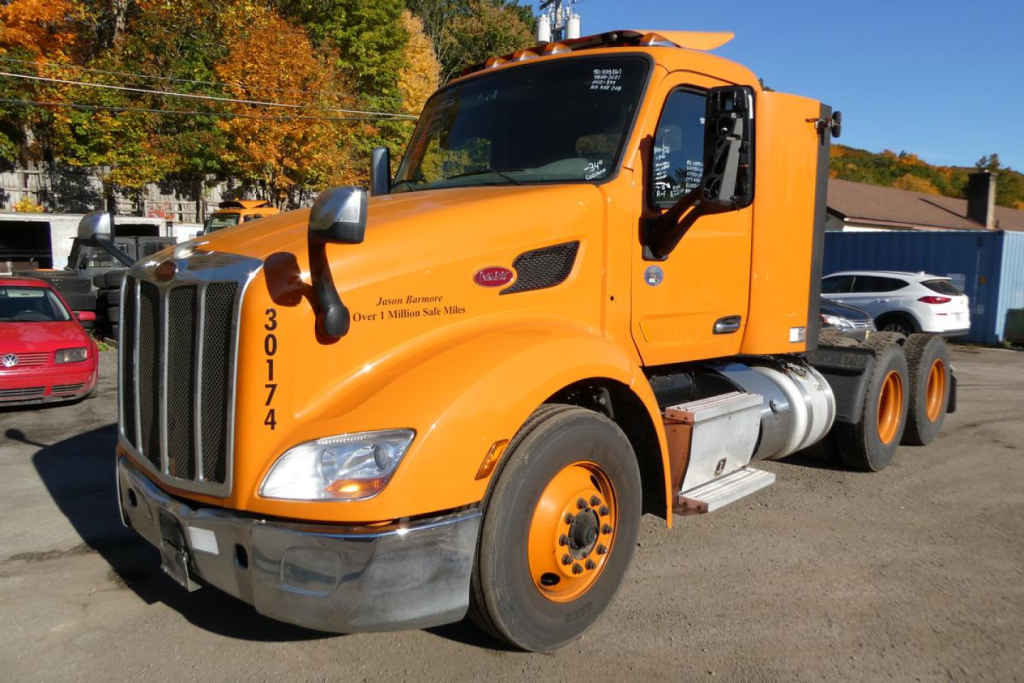

Selling a used peterbilt conventional sleeper truck? List your used peterbilt conventional sleeper truck for sale and reach thousands of commercial buyers.
Used Peterbilt Conventional Sleeper Trucks in New York
The biggest buying decisions usually come down to sleeper size, powertrain, and axle gearing. Common used specs include 67-inch to 72-inch high-roof sleepers, double-bunk layouts, air ride suspension, and wheelbases around the 228-inch to 240-inch range. Peterbilt 579 sleepers often show up with Cummins ISX15 power, 10-speed manual or automated transmissions, 40,000-lb rears, and highway-friendly ratios such as 2.47 or mid-3s depending on duty cycle. Older Peterbilt 387 models may carry Cat C15 or Cummins engines and can be attractive to buyers who want a simpler pre-emissions or early-emissions platform, but operating cost and parts planning should be reviewed carefully. Fuel tank capacity, APU installation, bunk heaters, refrigerator space, and fairing condition all affect how well a sleeper truck fits team service, refrigerated freight, or solo OTR operation.
A used Peterbilt sleeper should be evaluated as a complete operating package, not just by engine make and mileage. Look at the sleeper for water intrusion, worn bunk mounts, HVAC performance, inverter and APU operation, and signs of excessive idle hours. On the chassis side, check fifth wheel slide function, frame condition, suspension wear, steer tire pattern, and any uneven wear that may point to alignment or kingpin loading issues. Aero trucks like the 579 depend on intact fairings, cab extenders, and hood fitment to hold fuel economy. If the truck is spec'd for Northeast freight, verify bridge-law friendly wheelbase, front axle rating, and turning characteristics for tighter terminals and urban deliveries.
Peterbilt conventional sleepers remain a popular choice because they hold broad appeal across owner-operators and fleets. The 579 in particular is widely used as a modern on-highway sleeper with better aerodynamics and a quieter interior than older generations, while legacy models like the 387 can still suit buyers who prioritize lower acquisition cost and proven drivetrain combinations. A strong used spec in this category is one that matches the freight first: tall sleeper and large tanks for long stretches, practical gearing for cruise speed and fuel economy, and the right transmission for the driver pool and terrain. Buyers comparing listings should focus on maintenance history, emissions system health, sleeper equipment, and how the truck was originally ordered for its intended lane.
Frequently Asked Questions about Used Peterbilt Conventional Sleeper Trucks in New York
What are the most common used Peterbilt sleeper models in this category?
The most common used Peterbilt conventional sleeper trucks are the Peterbilt 579 and older models such as the 387. The 579 is the more modern aerodynamic highway tractor and is widely spec'd for fuel-efficient over-the-road service with high-roof sleepers, integrated fairings, and newer interior layouts. The 387 is an older conventional sleeper that may appeal to buyers looking for a lower purchase price or a truck with an older Cat or Cummins drivetrain.
What sleeper size is typical on a used Peterbilt conventional sleeper?
Many used Peterbilt conventional sleeper trucks are equipped with 67-inch or 72-inch high-roof sleepers, and double-bunk configurations are common in long-haul service. Larger sleepers improve driver comfort, storage capacity, and team-driver usability, but they also add weight and length. Buyers should match sleeper size to haul length, parking needs, and payload priorities.
What engines and transmissions are common in used Peterbilt sleeper trucks?
A large share of used Peterbilt conventional sleepers are powered by Cummins ISX15 engines, though older units may have Caterpillar C15 engines or other legacy options. Common transmissions include 10-speed manuals and automated manual transmissions, depending on model year and fleet spec. The right combination depends on terrain, maintenance preference, driver availability, and the truck's intended fuel economy target.
What should I inspect first on a used Peterbilt sleeper truck?
Start with maintenance records, engine hours, emissions system history, and any evidence of major drivetrain work. Then inspect sleeper condition, HVAC performance, bunk heater or APU operation, fairings, hood alignment, frame rails, suspension, and fifth wheel slide. On aerodynamic Peterbilts, damaged or missing exterior aero components can hurt fuel economy, and signs of heavy idle use inside the sleeper can tell you a lot about overall wear.
Is a used Peterbilt conventional sleeper a good fit for Northeast freight lanes?
It can be, provided the truck is spec'd correctly. Buyers in New York and the broader Northeast should pay attention to wheelbase, axle ratings, turning radius, emissions compliance, and corrosion exposure from winter road treatment. A sleeper tractor set up with practical wheelbase, sound HVAC, good visibility, and reliable idle-management equipment is well suited for regional-to-OTR freight moving through dense terminals and variable weather.