
Used Kenworth Cab and Chassis Trucks For Sale in New York
Browse used Kenworth cab and chassis trucks for sale in New York, including T-series models built for body upfits, municipal work, and delivery fleets.
No exact matches found for your search
Showing Used Cab and Chassis Trucks in New York instead.
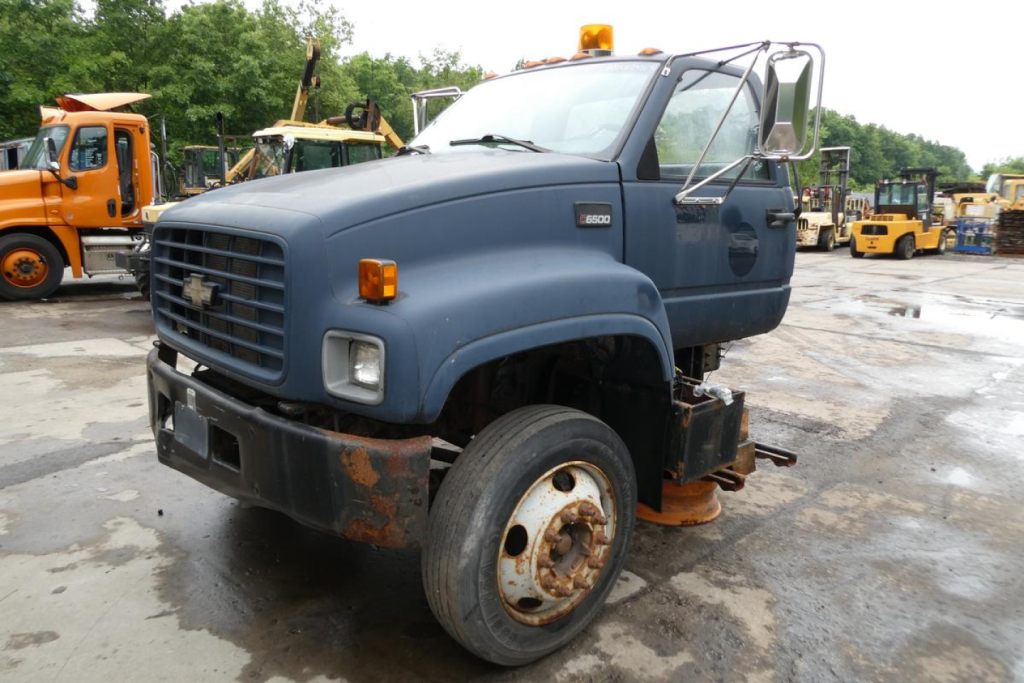
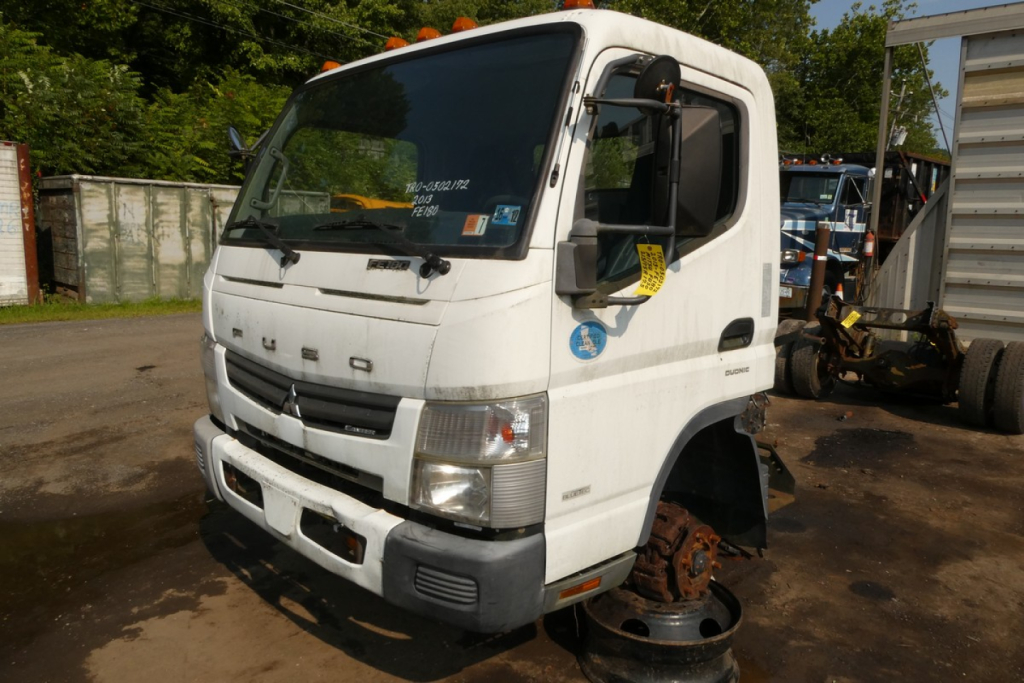
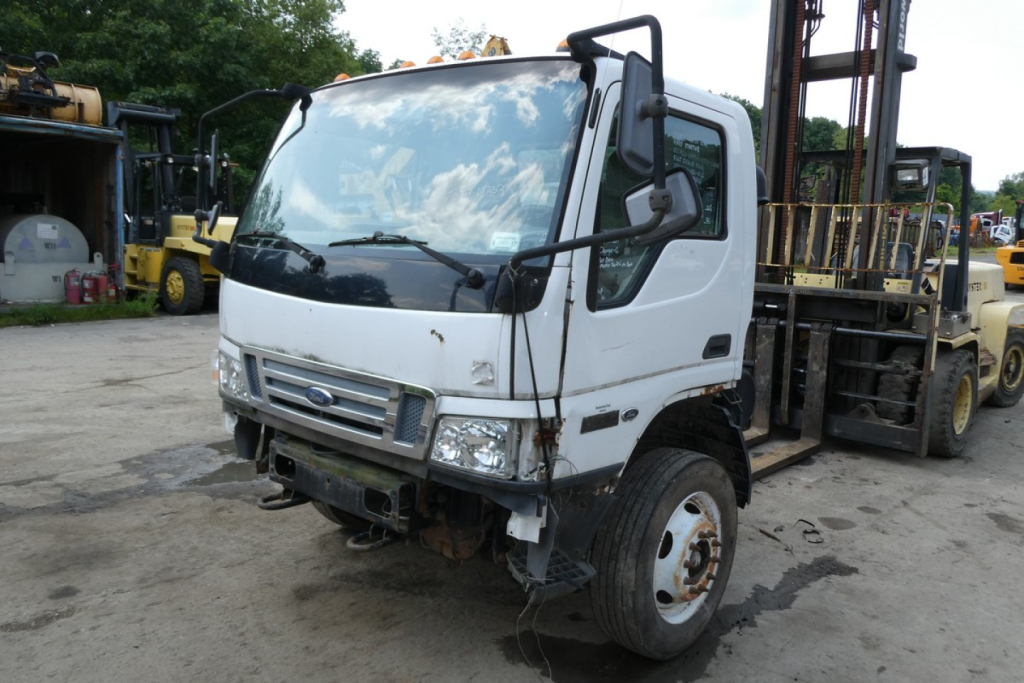
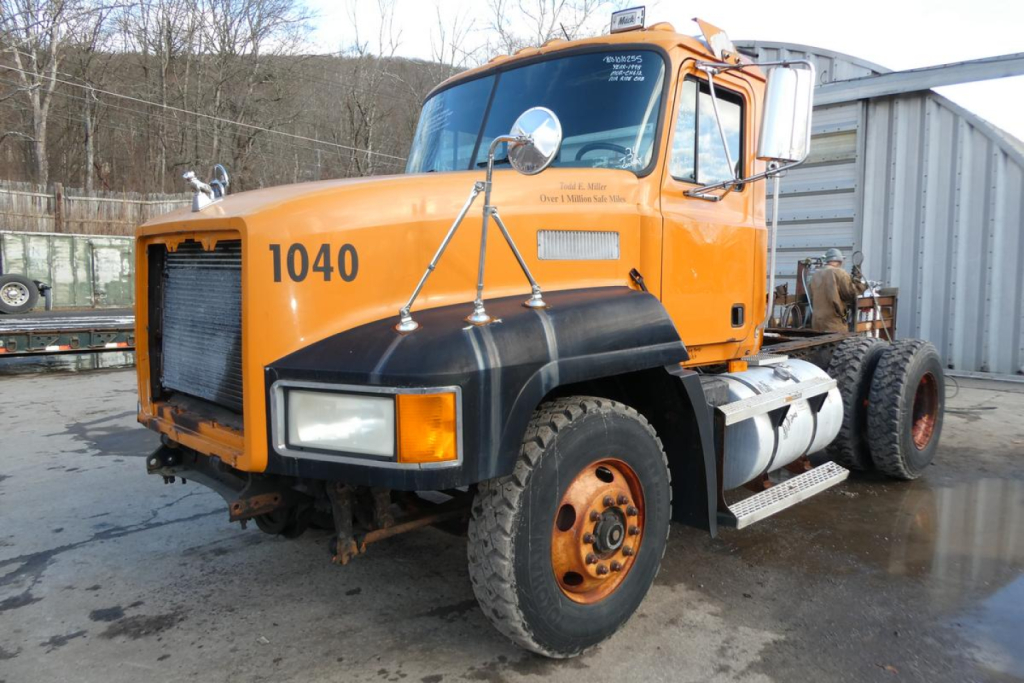
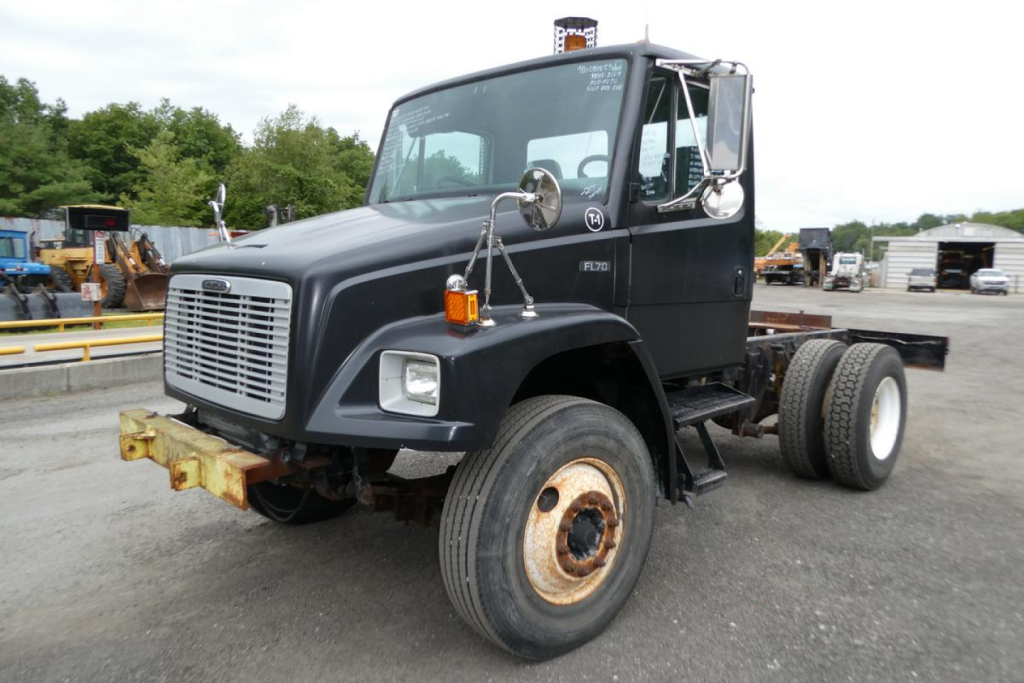
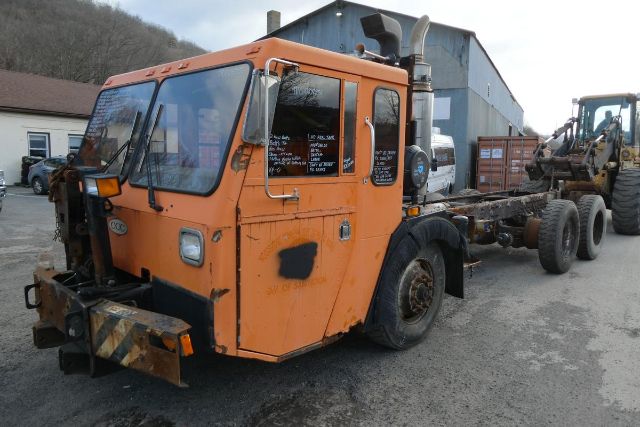
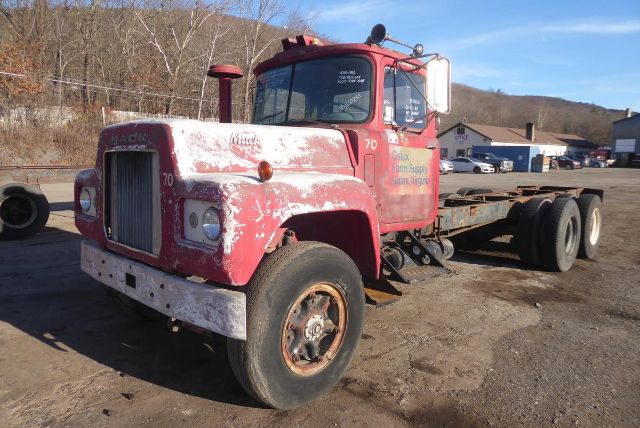
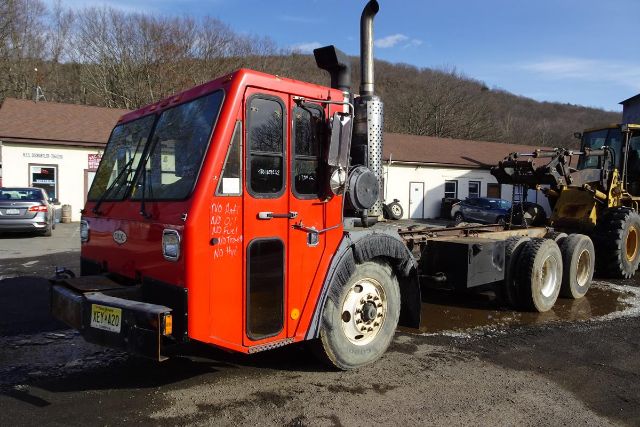
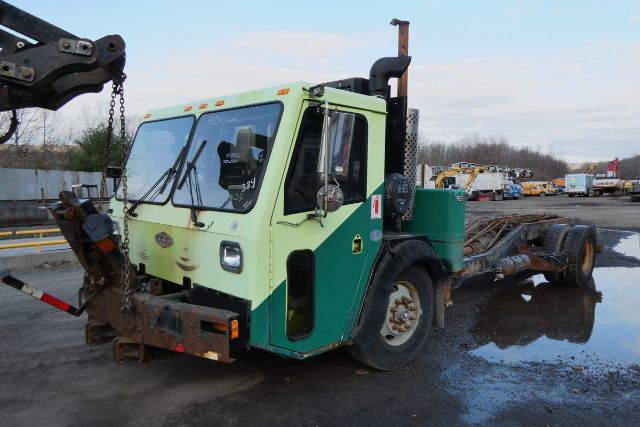
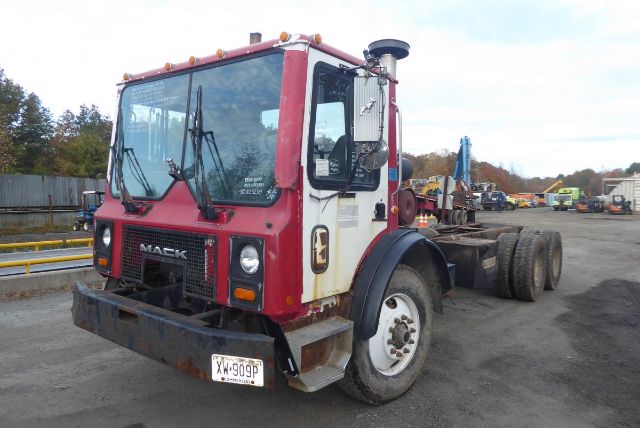
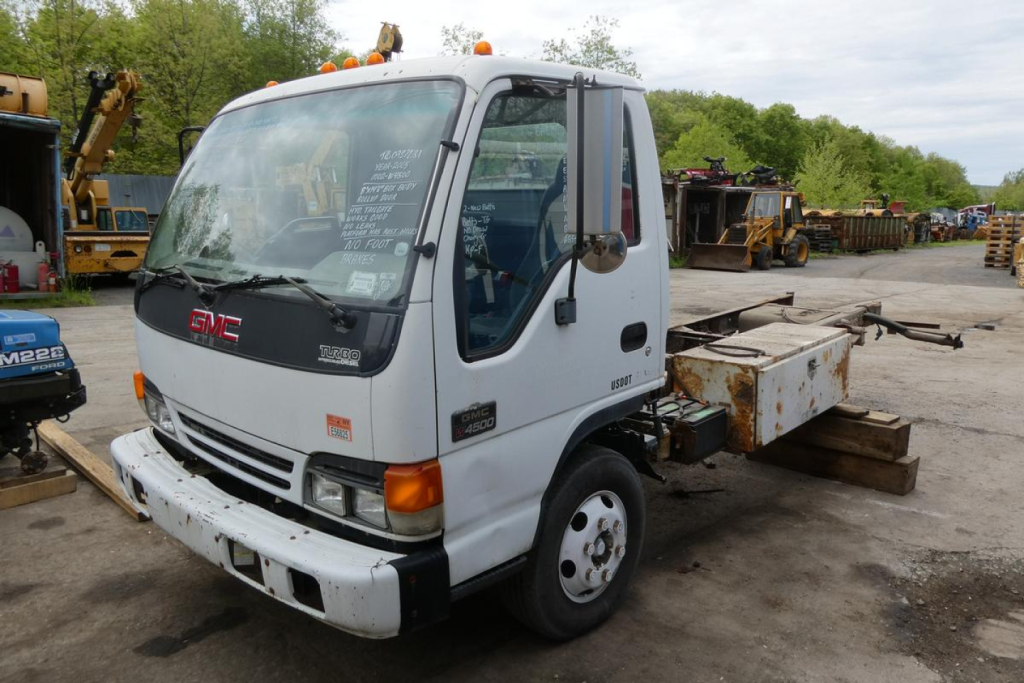
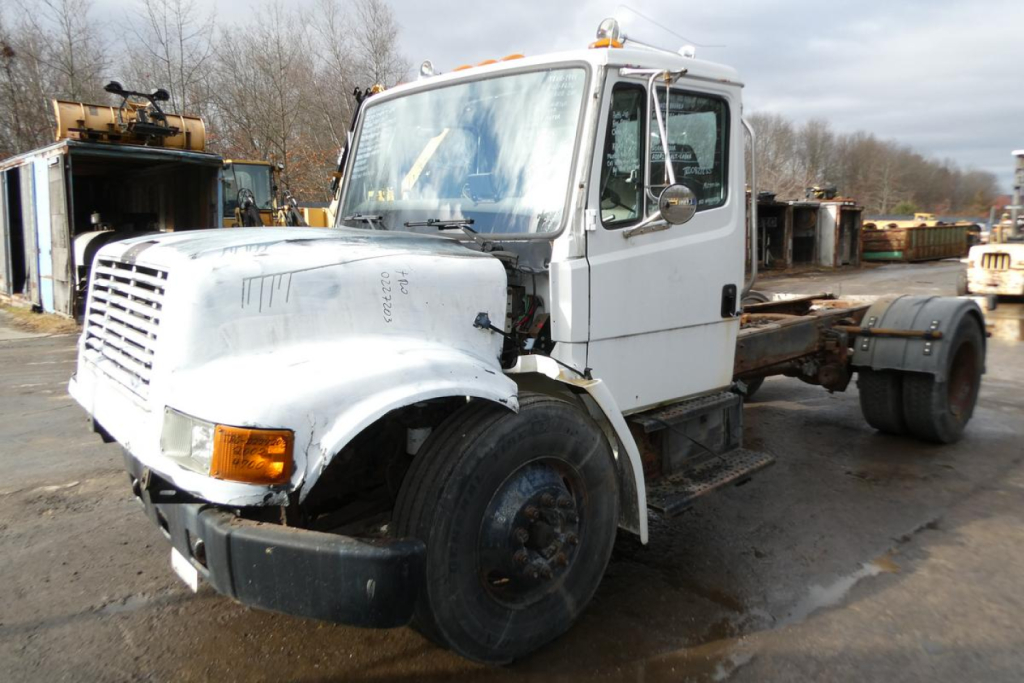
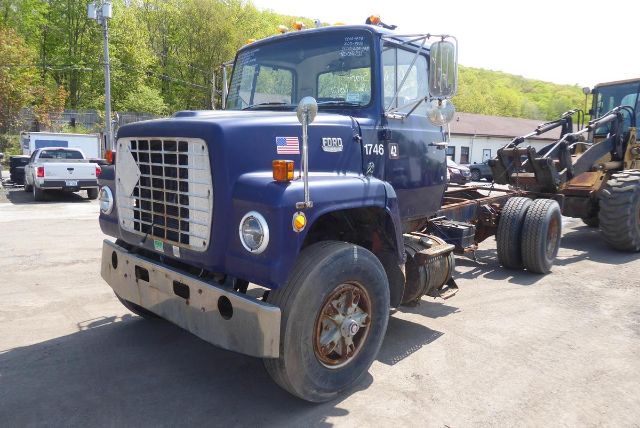
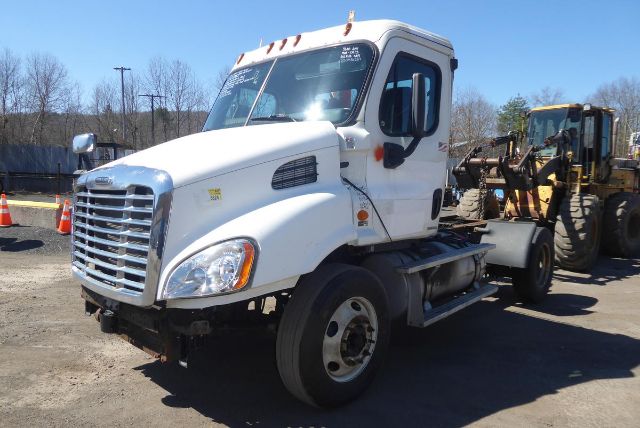
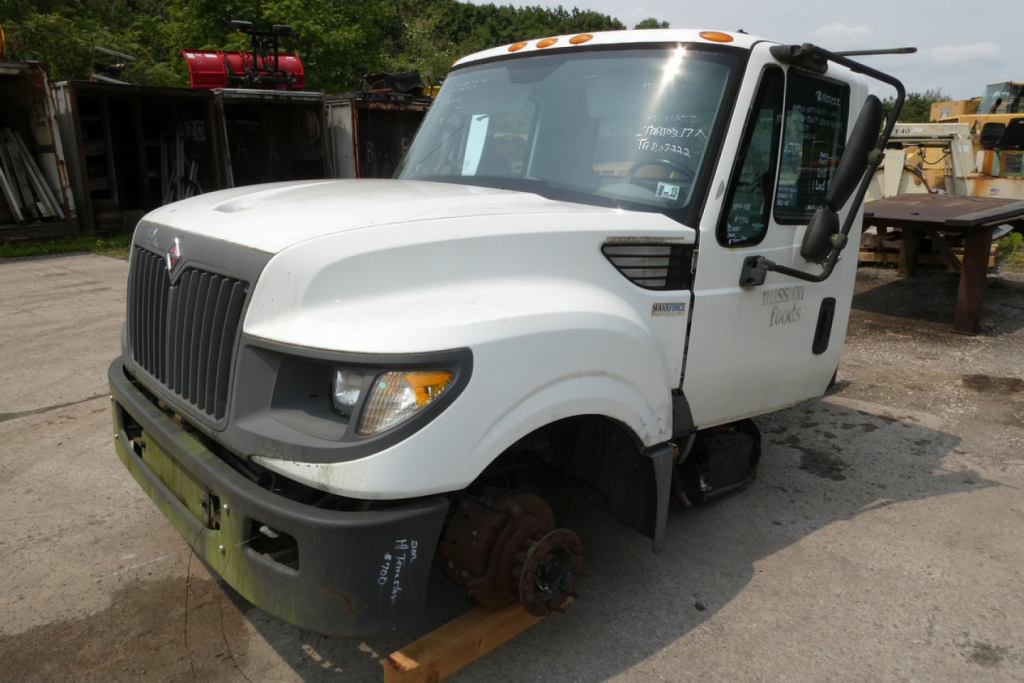
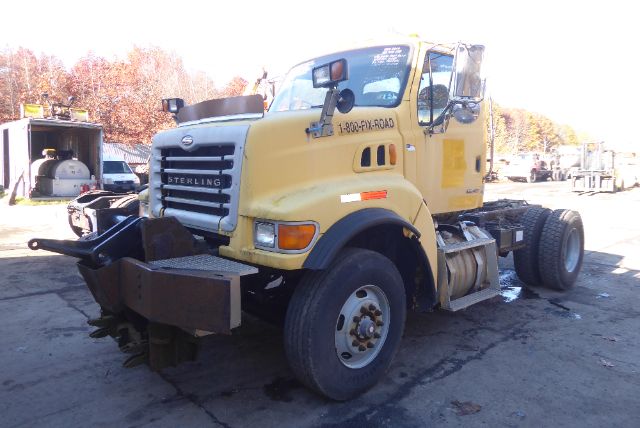
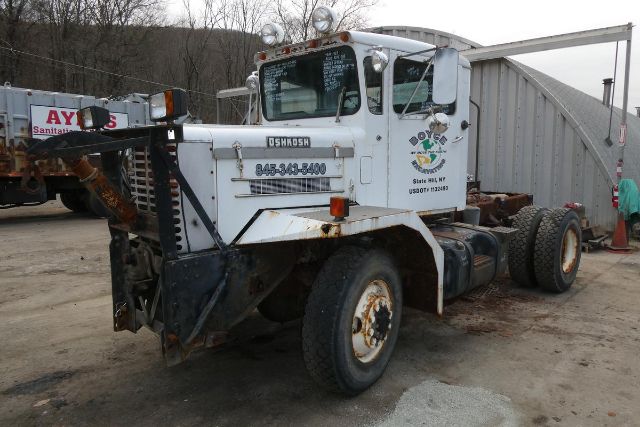
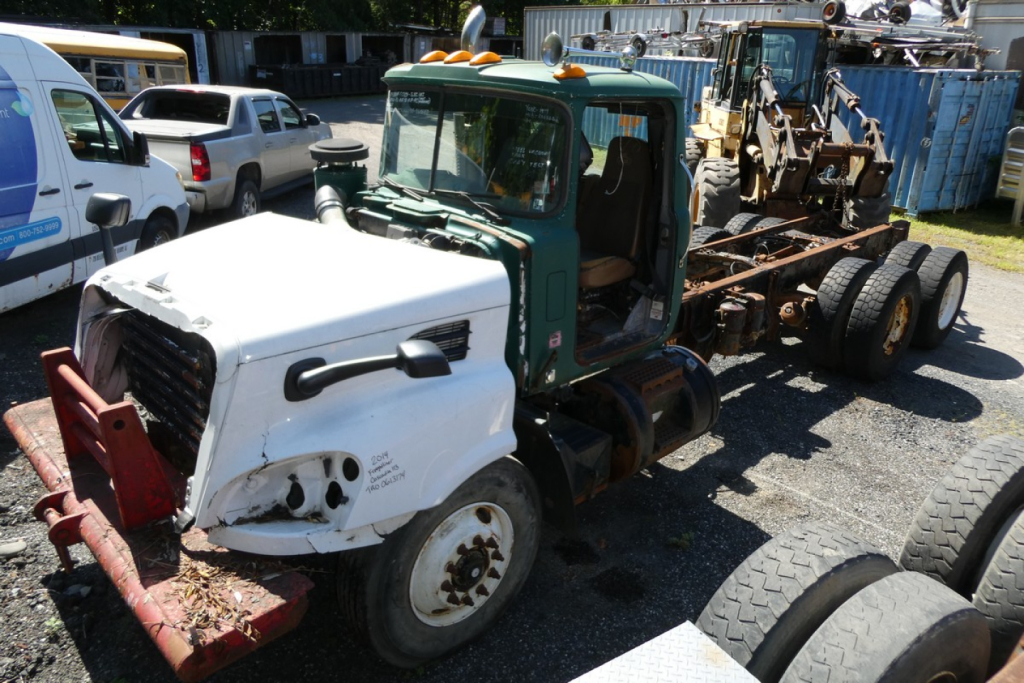
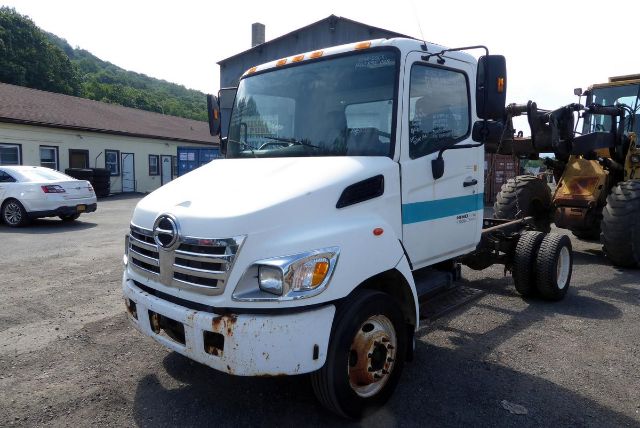
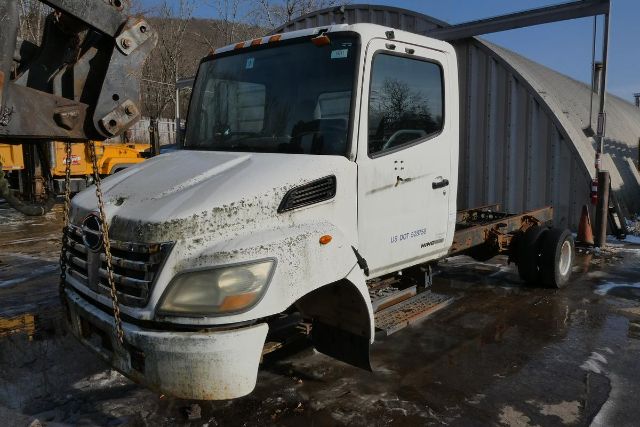
Selling a used kenworth cab and chassis truck? List your used kenworth cab and chassis truck for sale and reach thousands of commercial buyers.
Used Kenworth Cab and Chassis Trucks in New York
A buyer should start with the body plan and required axle capacity. Key numbers include wheelbase, cab-to-axle, cab-to-end-of-frame, rear axle rating, front axle rating, and GVWR. A single-axle spec may suit a dry freight box, reefer, or lighter municipal application, while heavier dump, crane, or sewer builds often need higher rear capacity, double-frame reinforcement, PTO provisions, and suspension choices matched to the job. Engines in this class often include PACCAR medium-duty diesels with horsepower ratings suited to stop-and-go work, regional hauling, and PTO operation. Transmission choice is just as important. An automatic can improve driver turnover and route efficiency, while an Allison automatic is often preferred for utility, plow, and refuse-type applications that demand constant shifting and PTO integration.
On a used Kenworth cab and chassis, frame condition and prior upfit history deserve close attention. Buyers should inspect for frame drilling patterns, corrosion around crossmembers, signs of body removal, and any evidence of overloaded service. In a Northeast truck, rust at spring hangers, brake components, fuel tank straps, battery boxes, and electrical connections can tell you a lot about long-term operating cost. Suspension type also changes the truck's best use case. Air ride can improve ride quality and help protect sensitive cargo or equipment, while spring suspension may be preferred for simpler vocational service. Interior condition, steering wheel adjustment, visibility, and HVAC performance also matter more than they seem on trucks assigned to city routes or all-day municipal work.
Kenworth remains popular in cab and chassis applications because the brand typically offers a solid driver environment, clean dash layouts for body control integration, and a frame platform that upfitters know well. For buyers comparing used units, the most important question is not just model year or mileage. It is how closely the chassis matches the body you intend to install, the terrain you run, and the legal payload you need to carry in New York. A properly matched Kenworth cab and chassis can reduce upfit complications, shorten downtime, and deliver a much better finished truck than a cheaper chassis with the wrong wheelbase or axle spec.
Frequently Asked Questions about Used Kenworth Cab and Chassis Trucks in New York
What should I check first when buying a used Kenworth cab and chassis truck?
Start with the chassis dimensions and weight ratings required for your body. Cab-to-axle, wheelbase, GVWR, front axle rating, rear axle rating, and frame height need to match the upfit plan before anything else. After that, inspect the frame rails for extra holes, cracks, corrosion, and evidence of previous body mounting. A used cab and chassis can look clean and still be a poor candidate for your build if the dimensions or frame condition are wrong.
Are Kenworth cab and chassis trucks good for upfitting?
Yes. Kenworth cab and chassis trucks are widely used for commercial and municipal upfits because they offer configurable wheelbases, vocational-friendly frame layouts, and a cab design that works well with PTO and body control installations. They are commonly used for dump bodies, van bodies, utility bodies, flatbeds, wreckers, and hooklift applications. The best result comes from matching the exact chassis spec to the body builder's requirements instead of trying to adapt a mismatched frame.
What engine and transmission specs are common in used Kenworth cab and chassis trucks?
Common specs in medium-duty Kenworth cab and chassis trucks include PACCAR diesel engines in horsepower ranges suited for local delivery, municipal work, and regional vocational service. Automatic transmissions are very common because they simplify stop-and-go operation and reduce driver fatigue. Some buyers specifically look for PTO-ready setups, engine brakes, and rear axle ratios that support low-speed work or heavier starts. The right combination depends on whether the truck will spend more time in city traffic, on secondary roads, or under body-driven equipment loads.
Does New York use affect what I should inspect on a used cab and chassis truck?
Absolutely. New York service often means exposure to road salt, tight urban maneuvering, and frequent idle or stop-start operation. Buyers should pay close attention to rust on the frame, brake lines, suspension hardware, fuel system components, and wiring. Steering wear, body mount areas, and signs of curb impact are also common inspection points on trucks that worked in dense city or municipal environments. A clean undercarriage and well-maintained electrical system can be more important than cosmetics on the cab.
Is a single-axle Kenworth cab and chassis enough for most applications?
A single-axle chassis is sufficient for many medium-duty applications, including box trucks, reefer bodies, service trucks, and some lighter dump or landscape builds. It usually offers better maneuverability, lower empty weight, and easier operation in urban areas. However, heavier bodies, higher payload targets, and severe-duty work may require more axle capacity, frame reinforcement, or a different suspension setup. The intended body and legal operating weight should decide the chassis, not the other way around.