
Used Fruehauf Pneumatic - Dry Bulk Trailers For Sale in Kentucky
Browse used Fruehauf pneumatic dry bulk trailers, including common specs, applications, tank capacities, valve setups, and inspection points.
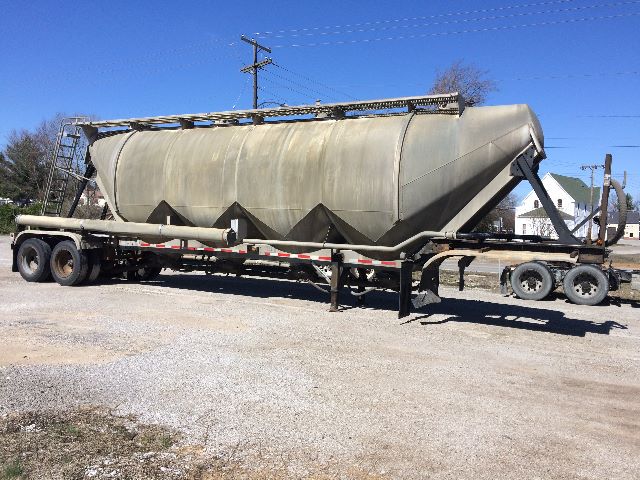
Have used fruehauf pneumatic - dry bulk trailer to sell? List it here to reach thousands of buyers.
Used Fruehauf Pneumatic - Dry Bulk Trailers in Kentucky
On older Fruehauf pneumatic trailers, condition matters more than age alone. Frame repairs, subframe replacement, barrel condition, suspension work, and air system updates can significantly affect service life. It is common to see rebuilt rear sections, replacement crossmembers, suspension components, axles, brakes, drums, slack adjusters, airlines, and wiring on well-maintained units. In Kentucky and surrounding states, corrosion exposure, prior commodity history, and shop documentation are especially worth reviewing. A buyer should inspect the tank shell, discharge plumbing, hopper transitions, manholes, gasket surfaces, and all weld areas around suspension mounts and landing gear.
Discharge layout is a major buying decision in a pneumatic dry bulk trailer, also known as a dry bulk tanker or bulker trailer. Valve size, number of hoppers, aeration system, and blower compatibility directly affect unload speed and product flow. Larger butterfly valves, such as 5-inch setups, can be a real advantage for certain commodities and customer systems. You should also confirm line routing, pipe diameter, relief valves, gauges, and whether the trailer is set up for your blower package and target PSI. If the trailer hauled a product like soda ash, cement, or lime, check for residual material buildup and verify the interior is suitable for your next commodity.
Fruehauf trailers remain relevant in the used market because many fleets value straightforward designs and repairable construction. The right unit depends on commodity type, legal payload targets, and how often the trailer cycles through unloads each week. A shorter, lighter-spec trailer may favor dense material and payload efficiency, while a larger cubic capacity trailer may be better for lighter products such as resin or food-grade powders, assuming the spec matches the application. Buyers comparing listings should focus on verified capacity, recent structural work, brake and suspension condition, tank integrity, and the completeness of maintenance records before making a decision.
Frequently Asked Questions about Used Fruehauf Pneumatic - Dry Bulk Trailers in Kentucky
What should I inspect first on a used Fruehauf pneumatic dry bulk trailer?
Start with the structure and the unload system. Check the frame, suspension mounts, axle alignment, landing gear supports, and welds around the rear section for signs of cracking, corrosion, or prior repairs. Then inspect the tank shell, hopper areas, discharge plumbing, butterfly valves, aeration lines, pressure relief components, and gauges. Service records for brake work, air bags, drums, slack adjusters, wiring, and frame or subframe replacement add real value because they help confirm how the trailer has been maintained.
How do I choose the right cubic capacity for a dry bulk trailer?
Capacity should match the density of the product you haul and the legal payload you want to achieve. Dense commodities such as cement, lime, or soda ash can gross out before the trailer is physically full, so a lower-cube trailer may be the better fit. Lighter products such as plastic resin or some food powders often need more cubic volume to maximize each trip. The right choice depends on product weight per cubic foot, axle spacing, tare weight, and the roads and bridge laws that affect your operation.
Are older Fruehauf pneumatic trailers still a good buy?
They can be, provided the structural condition and pneumatic system are sound. Many older Fruehauf trailers stay productive because key wear areas can be repaired or rebuilt, including suspension assemblies, brake components, discharge plumbing, and portions of the frame. The value is in verified condition, not just the model year. A documented rebuild on the rear frame, axles, brakes, and air system can make an older trailer more attractive than a newer unit with poor maintenance history.
Why do butterfly valve size and discharge configuration matter?
Valve size and plumbing layout affect unload speed, product flow, and compatibility with customer systems. A larger butterfly valve can improve discharge efficiency on some commodities, but the full system has to work together, including the hopper design, aeration, line size, and blower pressure. If the configuration does not match your product or your customers' air requirements, unload times can increase and product flow can become inconsistent. Buyers should confirm the trailer's valve and line setup against their typical commodity and delivery points.
What commodity history should I ask about before buying a used dry bulk trailer?
Ask what the trailer hauled, how often it hauled that commodity, and whether it was cleaned between loads. Commodity history matters because some products leave residue, promote corrosion, or create contamination concerns for the next use. Soda ash, cement, lime, and similar materials can leave buildup in the tank and plumbing if cleaning was inconsistent. If you plan to switch the trailer to another product, inspect the interior condition, discharge lines, valves, and seals closely to make sure the trailer is suitable for that change.