
Used Freightliner Conventional Daycab Trucks For Sale in Oregon
Used Freightliner conventional day cab trucks in Oregon. Compare engines, transmissions, axle ratios, and specs for regional haul, flatbed, and tanker work.
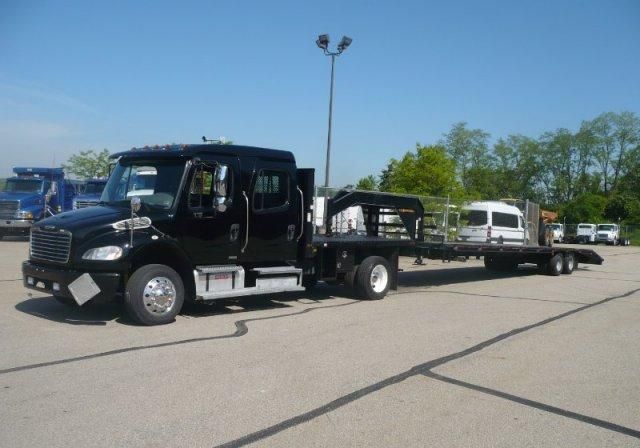
Selling a used freightliner conventional daycab truck? List your used freightliner conventional daycab truck for sale and reach thousands of commercial buyers.
Used Freightliner Conventional Daycab Trucks in Oregon
Chassis and axle layout should match duty cycle. A 12k to 13.2k steer axle with 40k rears is common on Cascadia day cabs, while 46k rears suit heavier vocational work or frequent chaining. Oregon winters favor 6x4 for traction, though 6x2 saves weight and fuel on highway lanes. Rear axle ratios from 2.47 to 2.85 work for light regional freight with large-step automatics, while 3.08 to 3.55 provides better launch and gradeability for heavy or mixed terrain, especially with 22.5 LP tires. Typical wheelbases run 170 to 230 inches. AirLiner or Hendrickson air ride smooths PNW pavement and protects cargo; steel spring is tougher off road. Sliding fifth wheels, 47 to 50 inch heights, and full-length frame liners matter when switching between flatbed, van, and tank. Tire decisions, including wide-base singles, affect weight and fuel but consider winter traction and chain clearance requirements.
Inside the cab, visibility and ergonomics help in tight Portland and Eugene docks. Cascadia day cabs are popular for aero efficiency, quiet cabs, and updated electronics. Features like Detroit Assurance collision mitigation, adaptive cruise, lane departure, and disc brakes reduce risk and downtime. Heated mirrors, robust HVAC and defrost, and good door seals matter in the Coast Range climate. For specialized work, check for factory or dealer wet kits, PTO provisions, and dash switches to power blowers or hydraulics. Fuel capacity typically ranges from dual 80 to 120 gallon tanks on regional specs. Freightliner rear axles and Detroit Connect telematics add diagnostic insight, useful when monitoring a used unit’s performance after purchase.
On a used truck, aftertreatment and service history are critical. Verify ash load and cleaning records for the DPF, inspect the SCR and doser for leaks, and check for frequent parked regens. Review overhead set intervals, oil analysis, and any one-box replacements on later Cascadias. Inspect frame rails for corrosion from deicers on mountain passes, look over crossmembers and fifth wheel jaws, and perform a full air leak and brake stroke check. If the truck will cross into California, confirm 2010 or newer emissions and CARB compliance. For Oregon bridge and weight compliance, aim for a light but durable spec with aluminum wheels, optimized wheelbase, and aero trim if your lanes are mostly highway. Buyers comparing used Freightliner daycabs in Oregon usually balance three priorities: gradeability for the mountains, maneuverability for city work, and total cost of ownership through fuel, tires, and fewer unscheduled repairs.
Frequently Asked Questions about Used Freightliner Conventional Daycab Trucks in Oregon
Which engines and transmissions are most common on used Freightliner daycabs and how do they compare?
Detroit DD13 and DD15 and Cummins X15 are the frequent finds. DD13 is lighter and fuel efficient for regional work. DD15 and X15 bring higher torque and better hill performance for tank, bulk, and flatbed. For gearboxes, Detroit DT12 and Eaton UltraShift automate shifts, keep the engine in its sweet spot, and reduce driver fatigue. Eaton Fuller 10, 13, and 18 speed manuals provide fine control on grades and with PTO-driven applications. Match the engine’s torque curve to your axle ratio and tire size so cruise RPM sits near peak efficiency without sacrificing launch and hill-climb capability.
What axle ratio works best for Oregon routes with both city and mountain driving?
For mostly highway and light to medium loads, 2.47 to 2.85 with an automated transmission and 22.5 LP tires offers good fuel economy and acceptable gradeability. If you frequently climb steep grades, haul heavy, or run PTO, 3.08 to 3.55 provides stronger starts and better control at low speed. Always evaluate the full combination of engine torque, transmission ratios, tire diameter, and governed road speed, not axle ratio alone.
What should I inspect on a used Freightliner daycab before committing to a sale?
Prioritize aftertreatment health by checking DPF ash load, regen history, and SCR dosing faults. Review maintenance records for oil changes, overhead sets, coolant service, and any one-box or turbo work. Inspect frame rails and crossmembers for corrosion and prior repairs, check fifth wheel condition and slide function, verify brake lining life and air leaks, and look for play in kingpins and suspension bushings. A long test drive with hill pulls will expose cooling, boost, and transmission issues. Scan for active and inactive fault codes and confirm all driver assist systems function as designed.
Can a Freightliner daycab be set up for tanker, dump, or flatbed work?
Yes. Many daycabs are factory ordered for specific roles. For tanker you may want a PTO or hydraulic pump drive and a lower fifth wheel height. For dump or lowboy, look for a wet kit, reinforced frame sections, higher capacity rears, full locking differentials, and possibly an 18 speed manual. Flatbed benefits from lightweight components, a sliding fifth wheel, and strong engine braking for mountain descents. Verify the electrical and air lines, hose trays, and deck plate layout match your trailers.
Will a used Freightliner daycab from Oregon be compliant for runs into California?
Compliance usually requires a 2010 or newer diesel with DPF and SCR to meet the CARB Truck and Bus Regulation. Many Cascadia daycabs meet this, but you must verify by VIN and emissions label, check for intact aftertreatment components, and ensure there are no tamper codes. California also has a periodic heavy-duty smog check program that targets OBD readiness and visible smoke. Confirm details with current CARB guidance before dispatching the unit interstate.