
Used Construction Trailer Specialist Trailers For Sale
Used Construction Trailer Specialist trailers for sale, including end dumps built for aggregate, asphalt, demolition, and heavy hauling work.
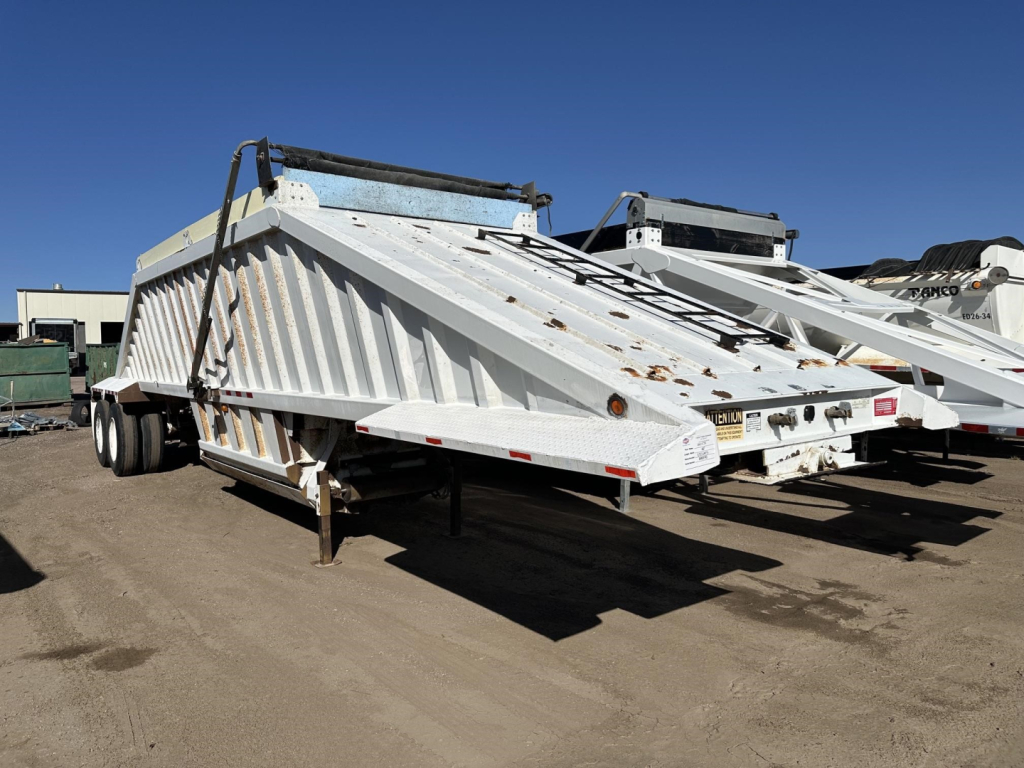
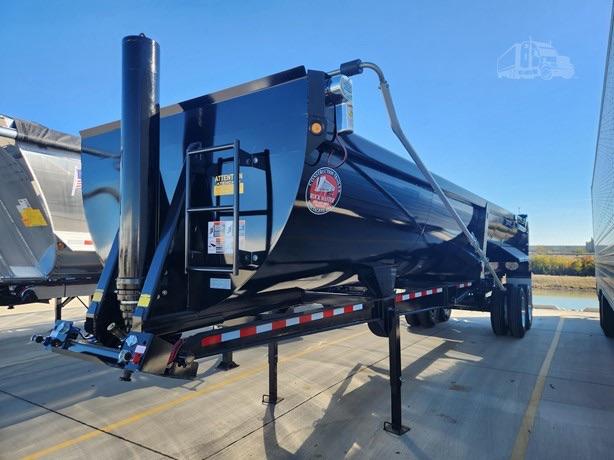
Selling a used construction trailer specialist trailer? List your used construction trailer specialist trailer for sale and reach thousands of commercial buyers.
Used Construction Trailer Specialist Trailers
On a Construction Trailer Specialist end dump, body length, side height, and material thickness tell you a lot about the trailer's intended job. A 34-foot steel end dump is a common size for balancing payload, maneuverability, and stability on uneven job sites. Steel bodies are usually preferred for rock, rubble, and scrap because they stand up better to impact than aluminum, though weight is higher. Buyers should look closely at the floor, crossmember area, rear frame, tailgate hinges, and hoist mounts for cracking, distortion, or weld repair. Suspension type also matters. Spring ride remains common in severe-duty work because it is simple and durable, while tire size, wheel spec, tarp system, and gate configuration can affect daily usability and operating cost.
A used construction trailer also needs to be evaluated for how it loads, dumps, and tracks, not just how it looks parked. Check hoist cycle speed, cylinder condition, electrical and tarp function, brake wear, bushing play, and signs of frame twist. On end dumps, stability under load is a major buying consideration, so tire condition, suspension alignment, and any evidence of previous tip-over damage deserve extra attention. If the trailer will run in asphalt, quarry, or demolition service, inspect for heat exposure, pitting, scuffing, and material buildup around the gate and body seams. Buyers hauling across varying road conditions should also consider axle spread, ride height, and compatibility with their tractors and state bridge rules.
Construction Trailer Specialist trailers appeal to operators who need straightforward severe-service equipment with specs that support real jobsite use. The best used trailer for this category is not just the cheapest one. It is the one with the right body construction, legal payload profile, and wear pattern for the material being hauled. Matching a trailer to the commodity is critical. Heavy rock and demo debris call for different body and suspension priorities than sand, gravel, or hot mix. A careful review of structural condition, dump gear, running gear, and previous application will usually tell you more than paint or age alone.
Frequently Asked Questions about Used Construction Trailer Specialist Trailers
What should I inspect first on a used Construction Trailer Specialist end dump trailer?
Start with the body, floor, hoist mounts, rear frame, and suspension. On a severe-duty dump trailer, structural condition is more important than appearance. Look for cracks, bent rails, patched floors, tailgate wear, uneven tire wear, and signs of hard impact loading. A close inspection of the cylinder, hinge points, bushings, brakes, and tarp system will also help show how the trailer was maintained.
Is a steel end dump better than an aluminum dump trailer for construction work?
For many construction applications, steel is the better choice when the load is abrasive, heavy, or prone to impact damage. Rock, demolition debris, and riprap can be hard on trailer bodies, and steel generally offers better resistance to puncture and abuse. Aluminum usually saves weight and can improve payload, but it is often less desirable in severe-duty environments where body life matters more than every pound of tare weight.
What length is common for a construction end dump trailer?
A 34-foot end dump is a common setup because it gives a useful balance of capacity, maneuverability, and jobsite practicality. Actual best length depends on the commodity, axle configuration, and legal requirements in the states where the trailer will run. Shorter trailers can be easier to position and may feel more stable in rough conditions, while longer bodies may offer more volume for lighter materials.
How do I know if a used dump trailer was overloaded or used in demolition service?
Wear patterns usually tell the story. Look for bowed sides, floor oil-canning, cracked welds near the hoist and rear frame, tailgate damage, denting from large chunks of material, and excessive slop in suspension components. Demolition service often leaves more impact damage, gouging, and body distortion than sand or gravel work. Tire wear, brake condition, and repeated structural repairs can also indicate a trailer that lived a very hard life.