
Used Atlas Copco Air Compressors For Sale
Used Atlas Copco air compressors for sale. Compare portable diesel models by CFM, PSI, engine type, hours, towability, and jobsite use.
Selling a used atlas copco air compressor? List your used atlas copco air compressor for sale and reach thousands of commercial buyers.
Used Atlas Copco Air Compressors
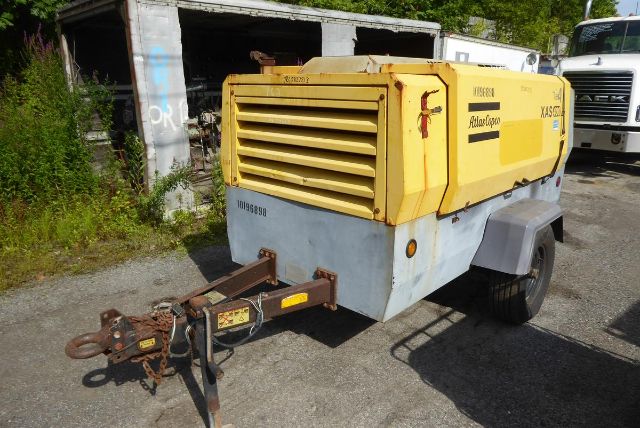
A model such as the Atlas Copco XAS400JD7 shows the kind of specs many buyers look for in this segment: roughly 400 CFM at 125 PSI, multiple discharge connections, and a diesel engine package designed for steady field use. On used units, engine make matters because it affects parts support, technician familiarity, and cold-start performance. John Deere-powered compressors are common in this class, and buyers should also review hour meter readings, service records, cooling system condition, and whether the compressor still builds pressure cleanly under load. Portable air compressors live hard lives, so the condition of the canopy, running gear, tires, brakes, hitch, jack, and air end is just as important as the paint.
For trucking and fleet use, transport details deserve close attention. Check overall length, width, height, and operating weight to make sure the compressor matches your tow vehicle, trailer regulations, yard storage, and jobsite access. Tire size, wheel pattern, and axle condition affect serviceability on the road, while outlet configuration matters if your crews run different hose sizes or need to feed more than one tool circuit. A used compressor that runs well but has worn seals, oil carryover, neglected filters, or marginal aftercooling can become expensive quickly, so it is smart to verify startup behavior, warm operating temperature, air delivery consistency, and shutdown condition before making a buying decision.
Buyers shopping used Atlas Copco air compressors typically want a balance of airflow, fuel efficiency, portability, and long-term support. The best fit depends on the application. A lighter tow-behind unit may be ideal for mobile service or municipal work, while a higher-output machine is better suited for heavy construction and continuous demand. Focus on rated CFM, PSI, engine hours, compressor condition, and ease of towing first. Those factors usually tell you more about real-world value than age alone.
Frequently Asked Questions about Used Atlas Copco Air Compressors
What should I check first on a used Atlas Copco air compressor?
Start with rated output, engine hours, and proof that the machine builds and holds working pressure under load. Then inspect the air end, engine, cooling system, hoses, filters, trailer components, and outlet fittings. A compressor can start and idle normally but still have weak air delivery, oil carryover, overheating issues, or expensive wear in the air end.
What does 400 CFM at 125 PSI mean on a portable air compressor?
It means the compressor is rated to deliver 400 cubic feet of air per minute at a working pressure of 125 pounds per square inch. That rating is important because pneumatic tools are sized by airflow demand and pressure requirement. If the compressor does not meet both numbers, tool performance drops and crews lose productivity.
Are Atlas Copco tow-behind compressors good for fleet and contractor use?
Atlas Copco portable compressors are widely used in construction, road work, utilities, industrial maintenance, and mobile field service. They are popular because they are built for transport, continuous duty, and outdoor jobsite conditions. Buyers still need to evaluate each used unit carefully because maintenance history and operating hours have a major impact on remaining life.
Why does the engine make matter on a used diesel air compressor?
The engine make affects service network access, parts availability, technician familiarity, and total operating cost. Many buyers prefer widely supported diesel engines because repairs are easier to schedule and parts are easier to source. On a used machine, the engine condition is tied directly to cold starts, fuel efficiency, and dependable compressor performance in the field.
How important are tires, hitch components, and trailer dimensions on a portable compressor?
They are very important because portability is a major part of the machine's value. Tire condition, wheel bearings, axle integrity, coupler wear, safety chains, jack operation, and overall dimensions all affect towing safety and legal transport. A compressor with strong air output but poor running gear can create downtime and added cost before it ever reaches the jobsite.