
Used 2016 Kalmar Ottawa Yard Trucks For Sale
Browse used 2016 Kalmar Ottawa yard trucks, including T2 terminal tractors built for trailer spotting, port work, and distribution yard moves.
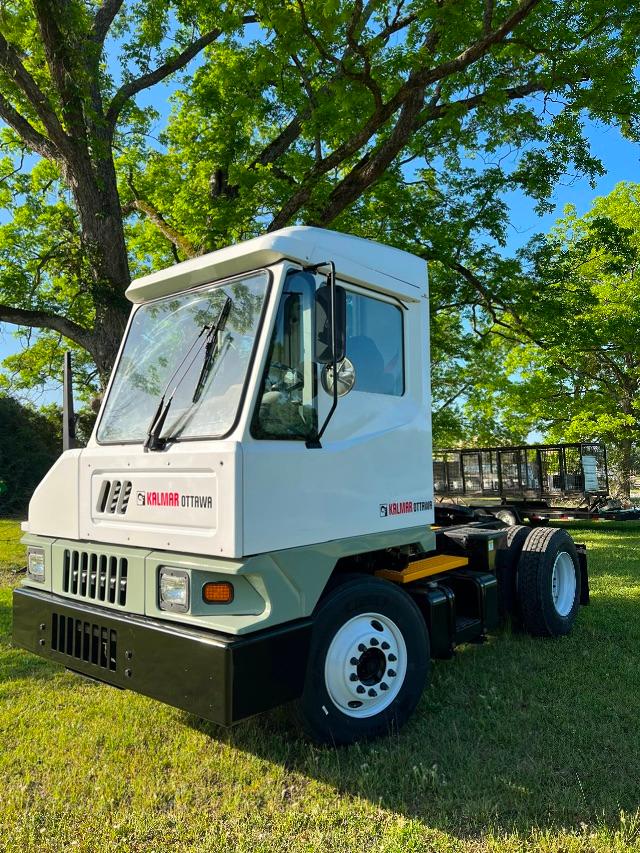
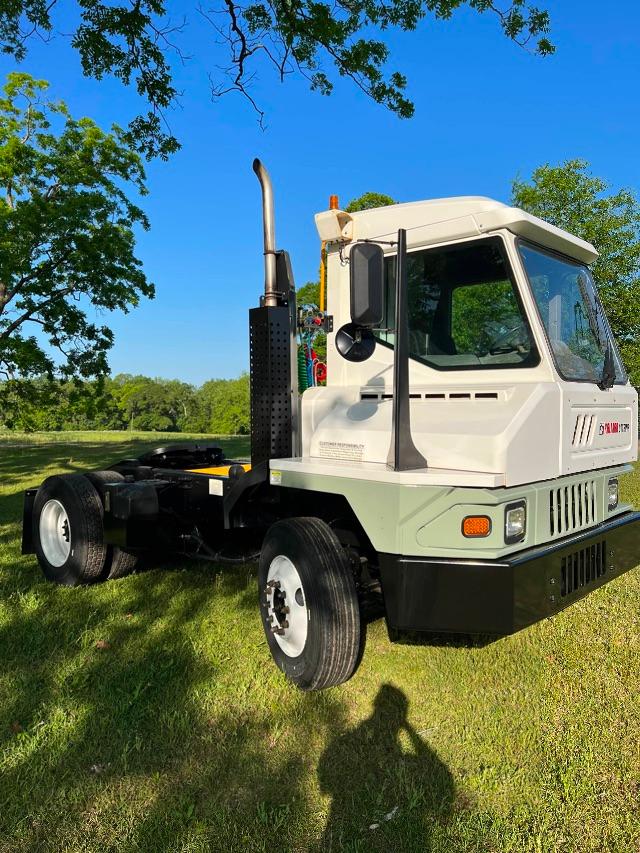
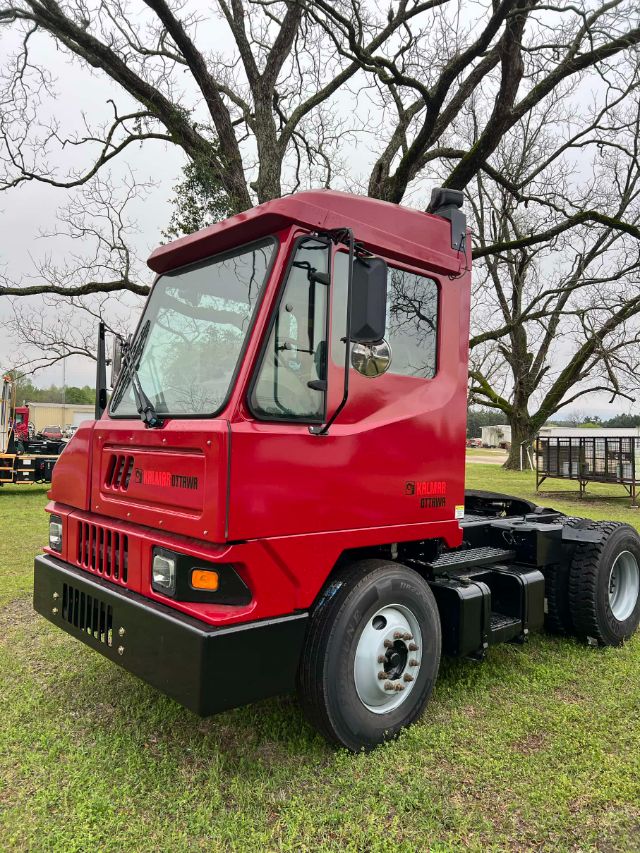
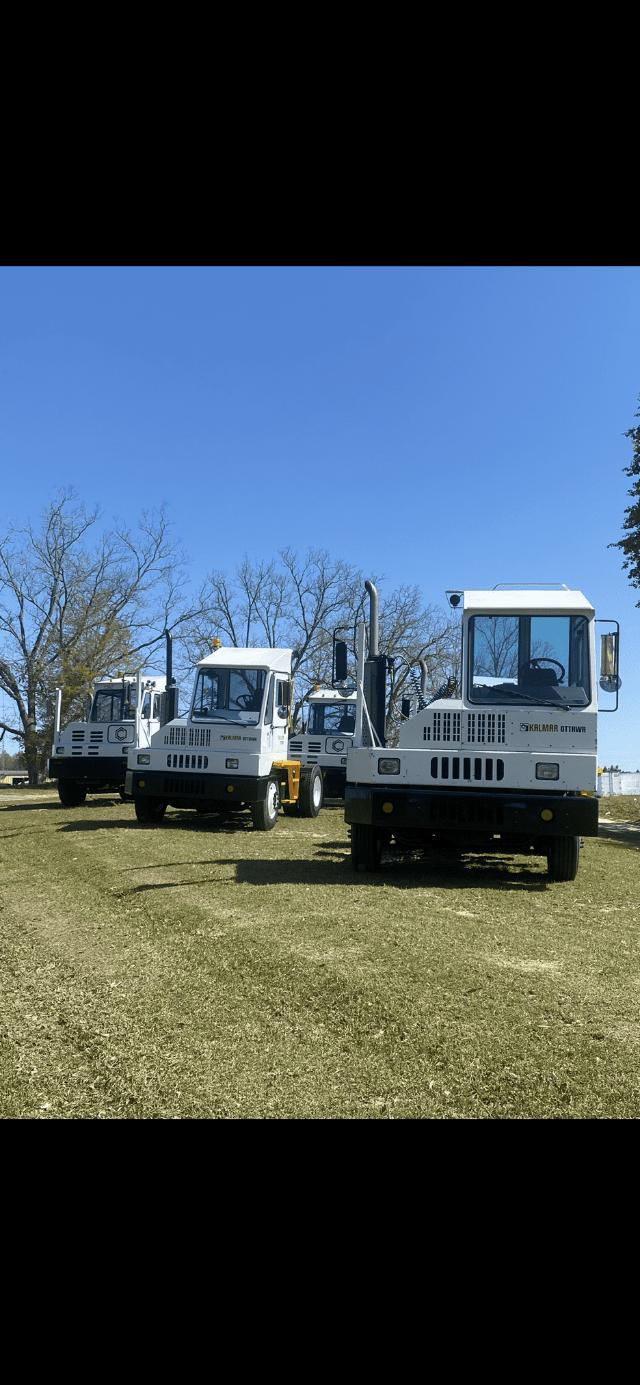
Selling a used 2016 kalmar ottawa yard truck? List your used 2016 kalmar ottawa yard truck for sale and reach thousands of commercial buyers.
Used 2016 Kalmar Ottawa Yard Trucks
Kalmar Ottawa models from this era commonly feature a Cummins diesel engine, Allison automatic transmission, 4x2 configuration, and a hydraulic fifth wheel for rapid trailer coupling. The hydraulic lift capacity, wheelbase, and rear axle rating matter because they directly affect how well the tractor handles loaded trailers, uneven pavement, and constant backing cycles. A DOT or highway-capable spec can be important if the tractor needs to cross public roads between yard locations, while an off-road-only configuration may be enough for private property use and can simplify buying decisions for closed-facility operations. Buyers should also look closely at cab condition, A/C performance, hours, frame and crossmember wear, suspension condition, and the operation of the fifth wheel slide and lift system.
The 2016 Kalmar Ottawa T2 is known for its high-visibility cab layout, low step-in height, and operator-friendly controls, all of which matter on shifts with frequent stops and trailer swaps. In a busy yard, those features translate into less driver fatigue and quicker repositioning times. Common spec items include air ride seating, dual rear windows, mirrors set up for blind-side visibility, and 11R22.5 tires or similar commercial rubber depending on the application. Because yard trucks live a hard life of short runs, curb contact, and constant coupling impact, maintenance history is often more important than cosmetic appearance. Check for kingpin plate wear, hydraulic leaks, brake condition, steering play, electrical issues from repeated start-stop use, and evidence of corrosion around the cab, frame, and fifth wheel structure.
For the right operation, a used 2016 Kalmar Ottawa can be a cost-effective way to add yard capacity without stepping into a new terminal tractor price point. The best unit depends on trailer weights, surface conditions, required road legality, and how many shifts the truck will work each day. A lighter-duty warehouse yard may prioritize maneuverability and cab comfort, while port, rail, and heavy industrial work may put more emphasis on structural condition, hydraulic performance, cooling system health, and drivetrain durability. Buyers evaluating this category should focus on hours, service records, engine and transmission behavior under load, and how well the truck's spec matches the exact trailer handling demands of the facility.
Frequently Asked Questions about Used 2016 Kalmar Ottawa Yard Trucks
What is a 2016 Kalmar Ottawa yard truck used for?
A 2016 Kalmar Ottawa yard truck is used for moving semi-trailers around distribution centers, warehouses, ports, rail yards, and industrial facilities. Its main purpose is trailer spotting, dock positioning, and short-distance transfer work inside a yard. Compared with a road tractor, a yard truck is built for constant backing, fast hookups, tight turning, and repeated stop-and-go cycles.
What should I inspect first on a used Kalmar Ottawa T2 or similar yard tractor?
Start with the hydraulic fifth wheel system, engine hours, transmission operation, brakes, steering, and frame condition. The fifth wheel must lift and lock smoothly because that system is central to yard productivity. After that, inspect for hydraulic leaks, excessive kingpin contact wear, cab corrosion, suspension wear, cooling system condition, and signs of hard use around the rear frame and trailer contact points. Service records are especially valuable on yard trucks because operating conditions are severe even when mileage is low.
Are all Kalmar Ottawa yard trucks highway legal?
No. Some Kalmar Ottawa yard trucks are off-road-only units intended strictly for private property, while others are spec'd for DOT or limited highway use. If the truck needs to cross public roads, move between facilities, or operate outside a closed yard, verify that it meets the required road-use equipment and registration standards in your state. Buyers should confirm lighting, braking, speed capability, emissions compliance, and title status before purchase.
Why do hours matter more than mileage on a yard truck?
Hours often tell the real story because yard trucks spend much of their life idling, creeping, backing, and making short repetitive moves rather than accumulating highway miles. A terminal tractor can show modest mileage but still have significant wear on the engine, cooling system, transmission, hydraulics, cab entry points, and brake components. For this equipment class, hours combined with maintenance history usually give a better picture of remaining service life than mileage alone.
What makes the 2016 Kalmar Ottawa T2 attractive to buyers?
The 2016 Kalmar Ottawa T2 is attractive because it combines a modern cab layout with the durability expected from a dedicated terminal tractor. Buyers often look for its visibility, easy entry and exit, automatic transmission setup, and compatibility with high-frequency trailer spotting work. In operations where drivers are constantly in and out of the cab, those ergonomic advantages can improve productivity and reduce fatigue over a full shift.