
Autocar Yard Trucks For Sale in Texas
Browse Autocar yard trucks for sale in Texas, including XSpotter terminal tractors built for trailer spotting, port work, and distribution yards.
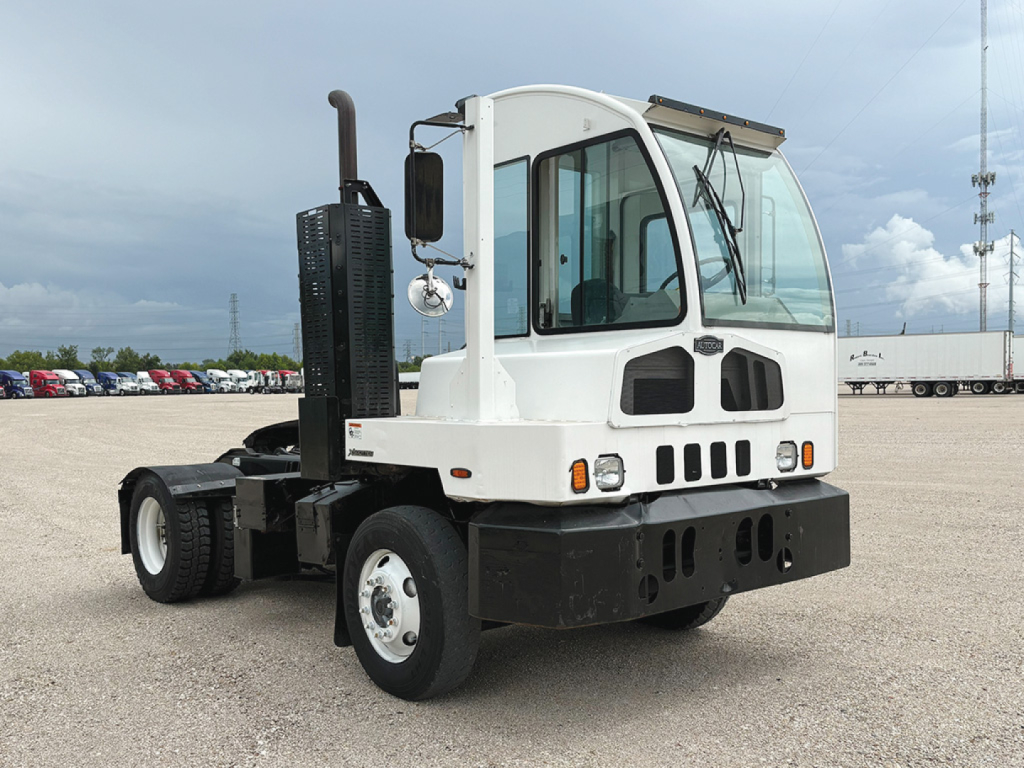
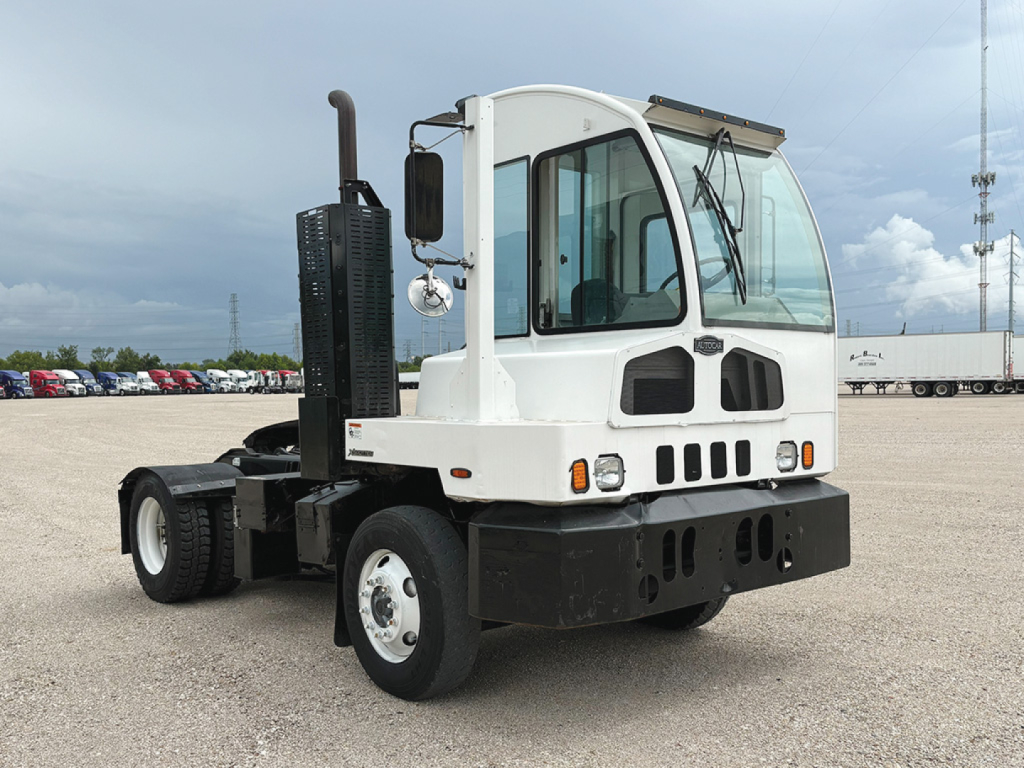
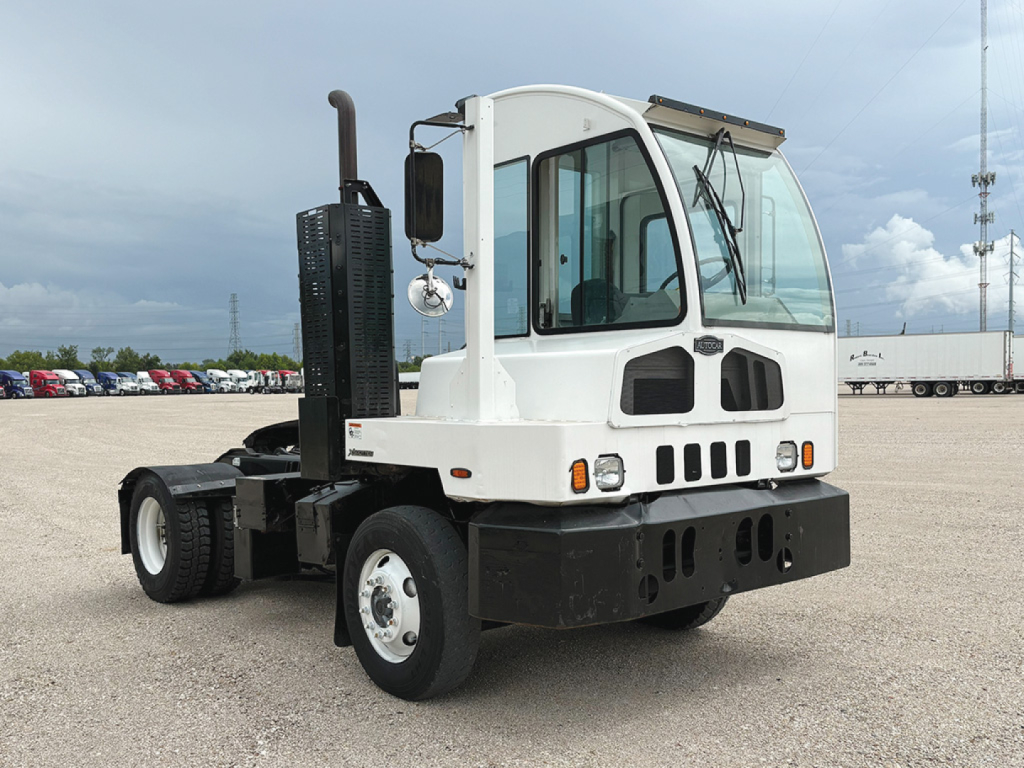

Have autocar yard truck to sell? List it here to reach thousands of buyers.
Autocar Yard Trucks in Texas
The first buying decision is usually duty cycle. Some Autocar yard trucks spend their lives on private lots shuttling dry vans a few hundred yards at a time, while others handle heavier containers, longer internal runs, or near-port work with round-the-clock shifts. Common specs to review include engine size, horsepower, automatic transmission setup, wheelbase, single-axle configuration, tire size, and fifth wheel lift capacity. Buyers should also look closely at cab access, sightlines to both trailer sides, brake type, steering effort, and how well the truck is configured for frequent driver entry and exit. An Allison automatic is common in this class because smooth low-speed control matters more than highway gearing.
Condition matters differently on a yard truck than on an over-the-road day cab. Hours, start-stop wear, hydraulic fifth wheel function, cooling system health, transmission engagement, and front suspension condition can tell you more than appearance alone. Frame integrity, kingpin engagement, air and electrical hookups, and how quickly the unit builds air are all worth checking. In Texas, heat management is a real operating concern, so radiator condition, fan performance, cab HVAC, and overall cooling efficiency deserve extra attention on any used Autocar yard tractor.
A well-matched Autocar yard truck can reduce trailer handling time, lower driver fatigue, and improve yard throughput. Buyers comparing models should focus on turning radius, cab layout, service access, parts support, and the exact trailer types moved most often. If the operation involves loaded vans, refrigerated trailers, container chassis, or uneven yard surfaces, those details should drive the spec. The best yard truck is not the one with the highest road-style spec sheet. It is the one built to survive repeated coupling cycles, short-haul yard movement, and constant low-speed work with minimal downtime.
Frequently Asked Questions about Autocar Yard Trucks in Texas
What is an Autocar yard truck used for?
An Autocar yard truck is used to move semi-trailers around a yard, terminal, warehouse complex, plant, or intermodal site. It is designed for frequent trailer spotting, docking, and repositioning rather than long highway runs. The key advantage is fast coupling and uncoupling through a hydraulic lifting fifth wheel, plus a cab layout that supports constant entry, exit, and low-speed maneuvering.
What should I inspect first on a used Autocar XSpotter or terminal tractor?
Start with the hydraulic fifth wheel, transmission operation, engine cooling system, brake performance, and overall frame condition. On a yard truck, repeated stop-start cycles and constant trailer hookups create wear patterns that are different from road tractors. It is also smart to inspect kingpin lock function, air lines, electrical connections, suspension components, steering response, and how quickly the truck builds and holds air pressure.
Are Autocar yard trucks street legal in Texas?
Some Autocar yard trucks can be configured for limited on-road use, but many are intended primarily for off-road or private property operations. Street legality depends on the exact unit specification, registration status, lighting, safety equipment, emissions compliance, and local or state requirements. Buyers in Texas should verify the title status and intended use before purchase, especially if the truck may need to cross public roads between facilities.
Why do many yard trucks use automatic transmissions and lower horsepower engines?
Yard trucks are built for torque delivery, smooth low-speed control, and durability in repetitive short moves, not sustained highway speed. Automatic transmissions, including common Allison setups, simplify operation and reduce driver fatigue during hundreds of forward-reverse cycles per shift. Lower horsepower ratings can still be effective in yard service because gearing, traction, and fifth wheel lift capability matter more than road-speed performance.
How do I choose the right Autocar yard truck spec for my operation?
Match the truck to trailer weight, surface conditions, shift length, and the number of daily trailer moves. A lighter-duty warehouse yard may prioritize maneuverability and cab access, while a busy industrial or intermodal operation may need stronger cooling capacity, heavier-duty components, and a fifth wheel setup suited for loaded trailers or container chassis. The right spec depends on duty cycle, not just model year or engine rating.