
Used Workhorse Trucks For Sale
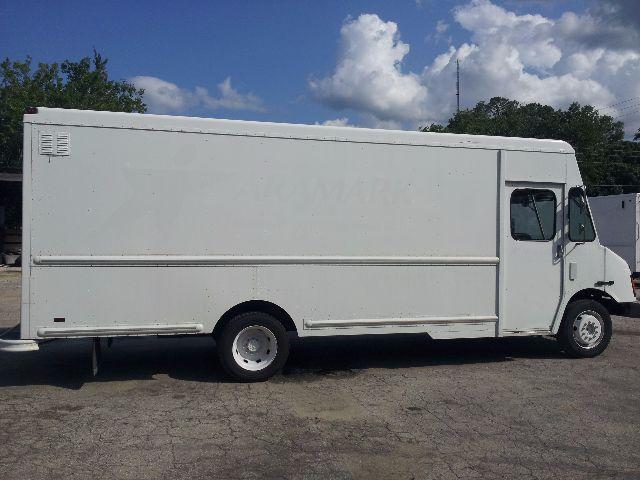
Have used workhorse truck to sell? List it here to reach thousands of buyers.
Used Workhorse Trucks
The Workhorse chassis is built for stop-and-go duty with simple, serviceable components. Most use gasoline V8s or midrange diesels paired to automatic transmissions, commonly Allison or similar. Gas engines keep acquisition and maintenance costs down for short routes with frequent idle time. Diesels offer more torque, stronger engine braking and better mpg on heavier or longer regional runs, at the cost of aftertreatment upkeep on late-model units. Expect leaf-spring suspensions, 19.5 inch rubber, hydraulic brakes with ABS and straightforward electrical architecture. Parts availability is strong for common wear items, and body components are widely supported in the aftermarket.
Bodies are typically aluminum or FRP from Utilimaster, Morgan Olson and similar builders. Look for interior height that matches your operators, curbside doors with solid rollers, and a tight roll-up or swing rear door. Shelf packages, e-track, LED cargo lighting, translucent roof panels, scuff liners and non-slip floors improve productivity and reduce damage. Many units are spec’d with curbside sliding doors for rapid egress, rear ramps or tuck-under liftgates for carts, and high-visibility mirrors with backup cameras. A flat, walk-through cab and low step-in height are core advantages over conventional box trucks when stops per hour matter.
Trade-offs are practical to weigh. Step vans are boxy, so highway fuel economy trails a low-profile dry van. Ride quality is work-focused, not plush. In rust belt regions, inspect frame rails, step wells, door tracks and the rear crossmembers. On high-stop routes, check kingpins, spring bushings, brake wear, door latches and floor integrity over the rear axle. In CARB states, confirm emissions compliance and labeling. For diesels from 2010 and newer, review DPF service history and DEF system health. For gasoline units, pay attention to hot-idle oil pressure, cooling performance and transmission service intervals. Maintenance records and hour meters tell the story on parcels per day better than odometer alone.
Frequently Asked Questions about Used Workhorse Trucks
What size Workhorse step van is best for last-mile parcel delivery?
For dense parcel routes, 16-20 foot bodies on 14,500-19,500 GVWR chassis balance cube and maneuverability. They stay below the CDL threshold in many states and offer enough payload for parcels plus shelving. Tight urban routes may favor a 14-16 foot body with a shorter wheelbase to improve turning radius and curb access.
Should I choose a gasoline or diesel Workhorse chassis?
Pick based on duty cycle. Gasoline V8s are cost-effective for short, stop-and-go routes with lots of idle time and lower average speeds. They have simpler emissions systems and generally lower repair costs. Diesels make sense for heavier payloads, hilly terrain or mixed highway use. They deliver more torque and better fuel economy on longer runs, but add aftertreatment components that require periodic service.
What should I inspect on a used Workhorse truck before buying?
Check for even tire wear and straight tracking, play in the steering linkage, kingpin or ball joint wear, brake pad and rotor condition, and evidence of frame or crossmember corrosion. Operate curbside and rear doors for smooth travel and latch function, inspect floor panels for soft spots, and verify lighting and HVAC in the cargo area if fitted. Review service records for transmission fluid changes, cooling system work, and any DPF or DEF repairs on diesel models.
Are parts and service still readily available for Workhorse step vans?
Yes. While corporate ownership has changed over time, service parts for the chassis, brakes, steering and common driveline components are well supported through national distributors. Body components from major builders like Utilimaster and Morgan Olson are also widely available. Most independent truck shops and fleet service providers are familiar with these platforms.
Can a Workhorse walk-in van be converted for food service or mobile workshops?
Many buyers repurpose step vans thanks to the flat floor, standing headroom and wide side access. For food service, plan for compliant insulation, ventilation, fire suppression, plumbing and power. For mobile workshops, add inverter or generator power, e-track, shelving and workbenches. Confirm GVWR reserves after the upfit to maintain safe payload and braking performance.