
Workhorse Trucks For Sale
Workhorse step vans and walk-in delivery trucks: specs, powertrains, GVWRs, and options to match parcel, service, and last-mile routes.
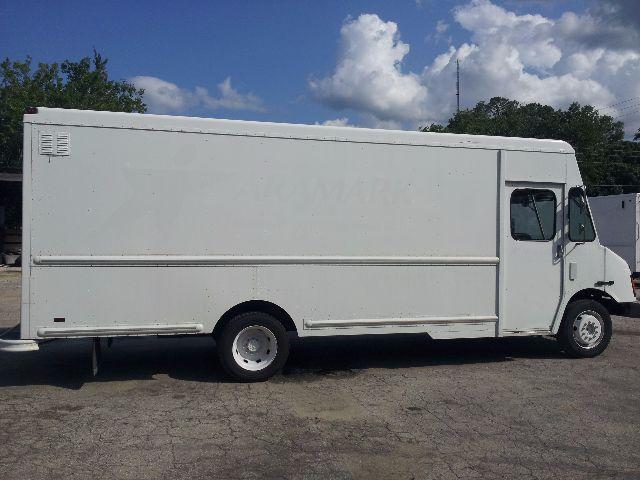
Selling a workhorse truck? List your workhorse truck for sale and reach thousands of commercial buyers.
Workhorse Trucks
Powertrains run the gamut from gasoline V8s with automatic transmissions to diesel platforms with robust torque for hilly territory and high stop counts. Gas units offer simpler emissions systems and lower acquisition cost; diesel units trade that for fuel economy and longevity under heavy loads. Electric last-mile variants from Workhorse emphasize quiet operation and reduced maintenance with regenerative braking and zero tailpipe emissions. Expect real-world range to swing with battery size, route topography, HVAC use, and ambient temperature. Most fleet buyers plan Level 2 charging for overnight dwell and add DC fast charging only where turn times are tight. Keep in mind that batteries add mass, so verify payload after upfitting.
Bodies are usually aluminum by Morgan Olson or Utilimaster for corrosion resistance and repairability, with options for FRP sidewalls in some builds. Rear access can be roll-up or swing doors, and a curbside sliding door with a lockable bulkhead is common for parcel security. Interior choices that affect productivity include adjustable shelves, E-track, scuff liners, LED cargo lighting, non-slip floors, and rear step bumpers. If you plan a reefer or food service conversion, assess insulation, electrical capacity, and remaining payload before adding a refrigeration unit, generator, or cooking equipment. For service contractors, look for 3-point locks, additional 12V circuits, inverter packages, ladder racks, and exterior boxes that do not compromise wall integrity.
On used units, component commonality matters. Workhorse chassis typically leverage widely supported parts from suppliers like Allison, Dana, Meritor, Bendix, and GM powertrain, and body components such as hinges, rollers, and latches are standard fare. Inspect roof seams and rivets for leaks, bulkhead and slider tracks for wear, floor integrity over the rear axle, frame and crossmember corrosion in salted regions, brake condition, and tire age. For diesel models, confirm aftertreatment service history. For electric vans, review battery state of health, charger compatibility, and any OEM software updates. CDL needs hinge on GVWR at 26,001 and above, and some states require an air brake endorsement if the truck is equipped with air brakes, even below CDL thresholds.
Frequently Asked Questions about Workhorse Trucks
What GVWR and body length should I target for parcel or route delivery?
Match GVWR and wheelbase to your daily cube and stop count. Urban routes with dense stops often run 14,000 to 19,500 GVWR with shorter wheelbases for maneuverability and quick curbside access. Heavier regional or mixed routes may need low-20k GVWR, longer wheelbases, and larger bodies to carry more cube, shelves, and a liftgate without overloading the rear axle. Always verify payload after upfitting, not just the base chassis rating.
How do gasoline, diesel, and electric Workhorse step vans compare on total cost and performance?
Gasoline units usually cost less to buy and have simpler emissions hardware, making them attractive for moderate mileage and lighter loads. Diesel delivers better fuel economy and torque for steep grades or heavy payloads but adds aftertreatment complexity. Battery-electric vans cut fuel and brake wear, run quietly, and can reduce maintenance, but range varies with route profile and weather, and payload can be lower due to battery mass. Evaluate real duty cycle energy use, charging dwell, and expected mileage when comparing TCO.
Do I need a CDL to operate a Workhorse step van?
A CDL is generally required at 26,001 GVWR and above. Many step vans fall under that threshold, but confirm the exact GVWR on the door tag. If the unit has air brakes, some states require an air brake endorsement even if the GVWR does not trigger CDL. Commercial insurance, DOT numbers, and local permitting still apply based on your operation.
What should I look for when inspecting a used Workhorse truck?
Check for water intrusion at roof seams and marker lights, play in curbside and bulkhead door tracks, floor softness above the rear axle, frame and crossmember corrosion, and uneven tire wear that points to suspension or alignment issues. Road test for transmission shift quality and braking performance. For diesel units, review DPF/SCR service records; for electric, verify battery state of health, charger type, and software updates. Ensure shelves, E-track, and any liftgate or ramp operate safely and do not compromise payload limits.
Are parts and service still available for older Workhorse chassis and bodies?
Yes. Core components are sourced from mainstream suppliers such as Allison transmissions, GM gasoline powertrains, and common axles and brake systems, which simplifies parts sourcing. Body hardware and panels from Morgan Olson and Utilimaster remain widely supported. Use the VIN and body serial numbers to cross-reference parts, and confirm any recalls or service bulletins that apply to the specific chassis series.