
New Ram Winch Trucks For Sale
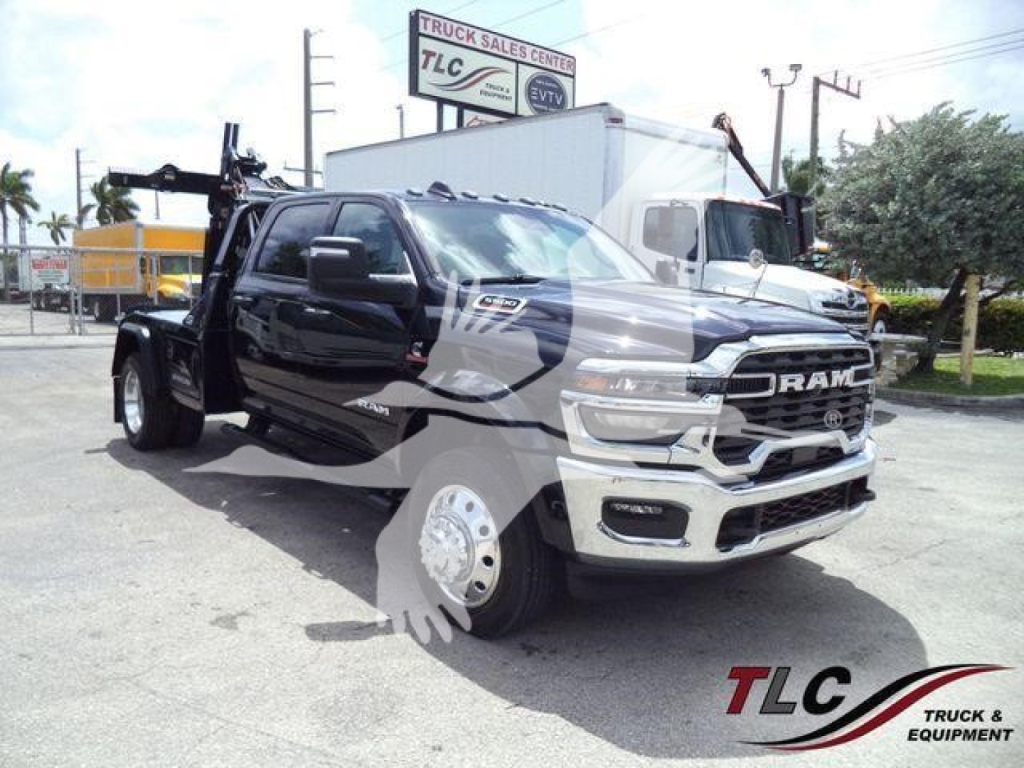
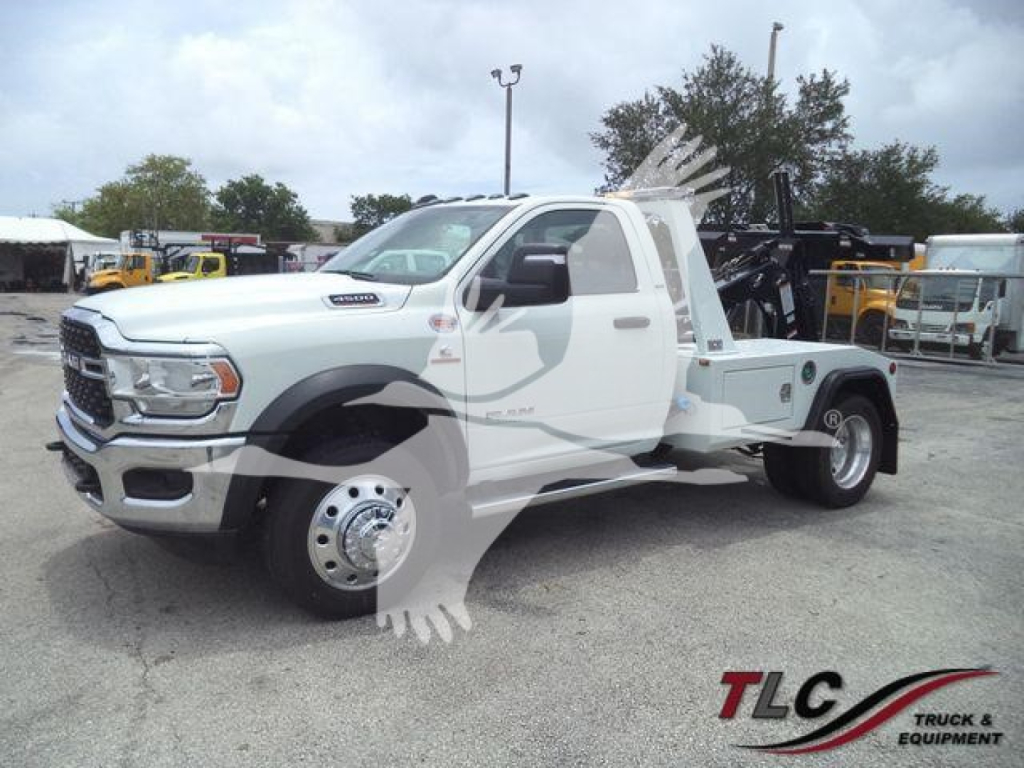
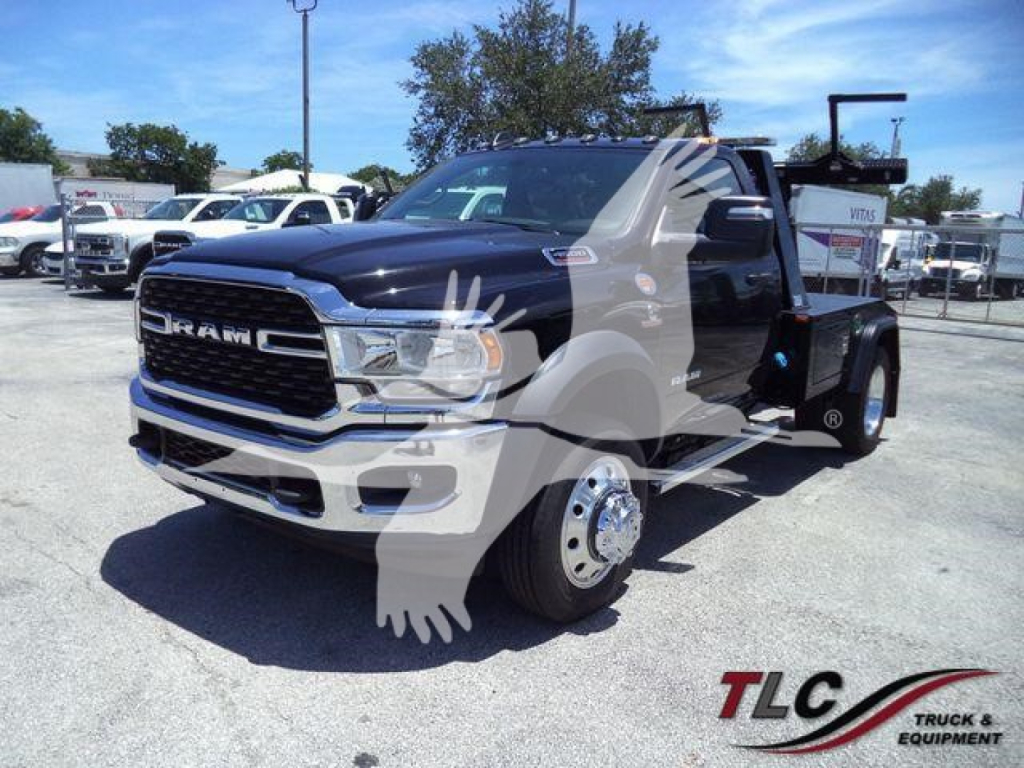
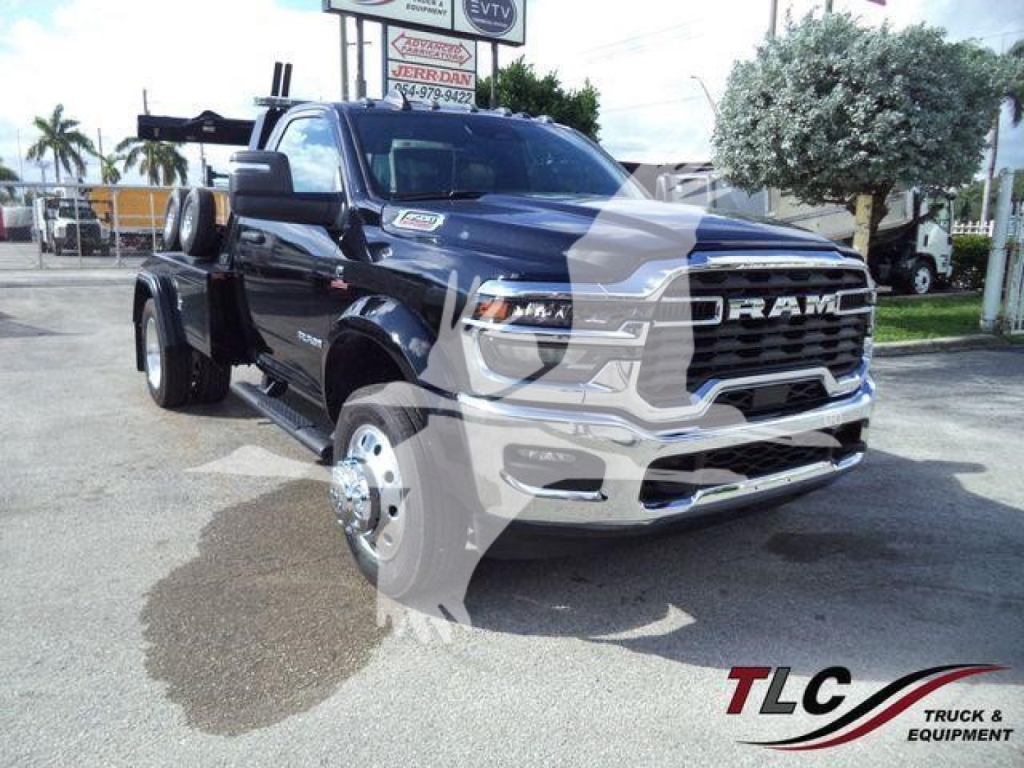
Showing 1 to 24 of 44 results
Have new ram winch truck to sell? List it here to reach thousands of buyers.
New Ram Winch Trucks
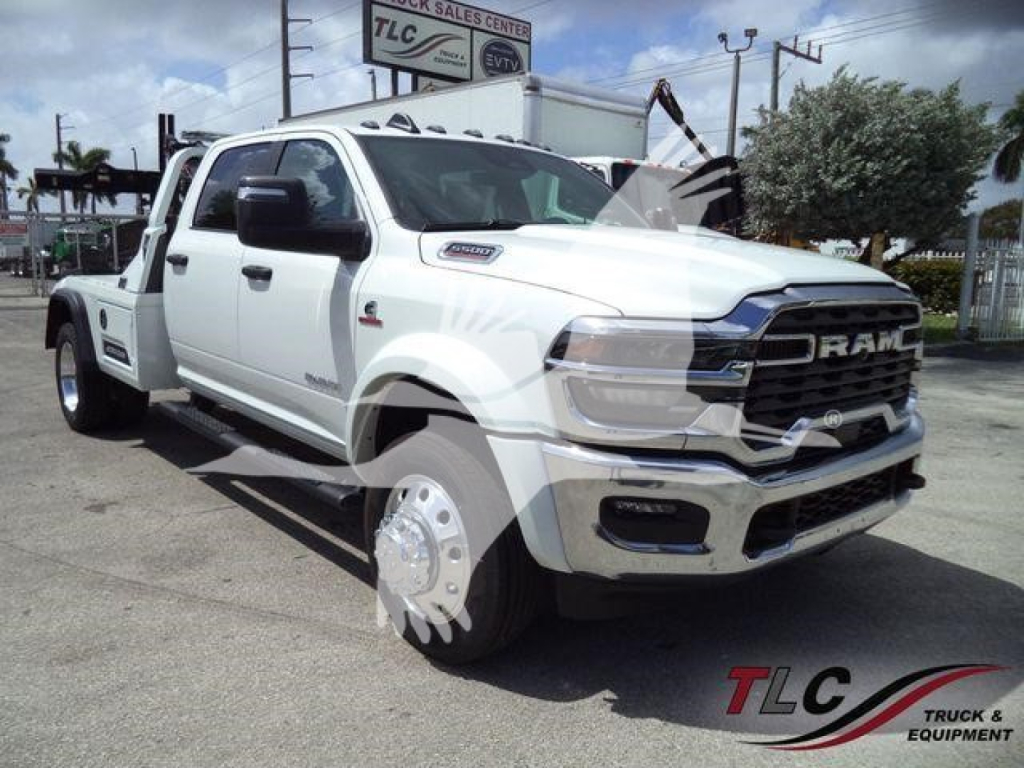
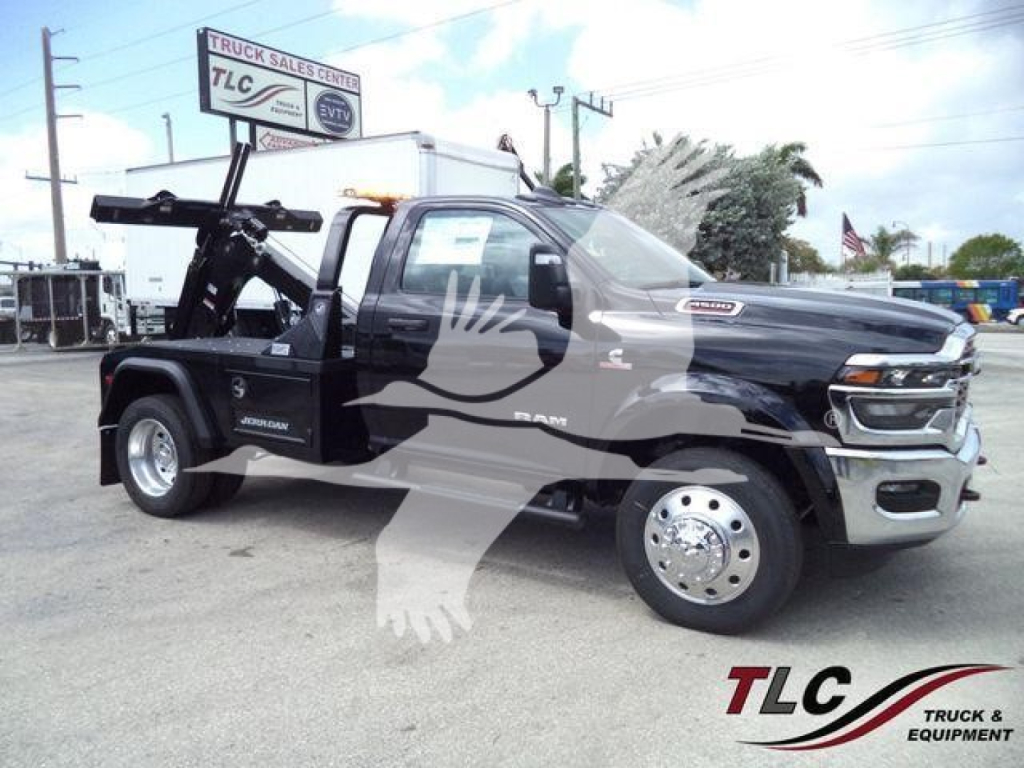
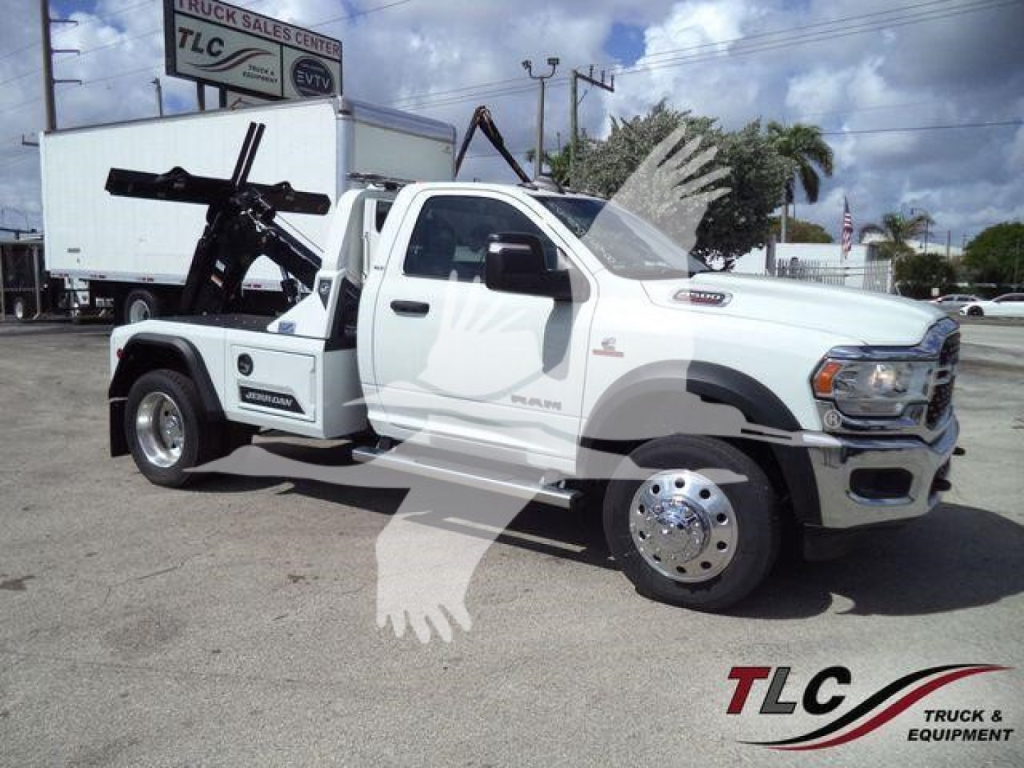
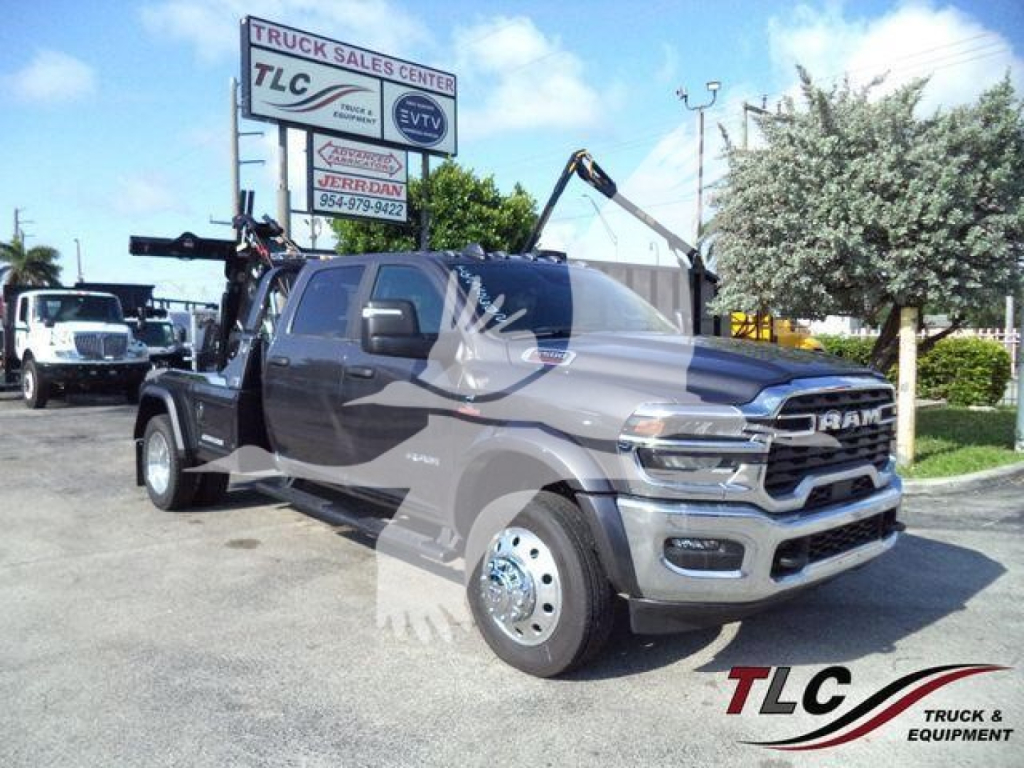
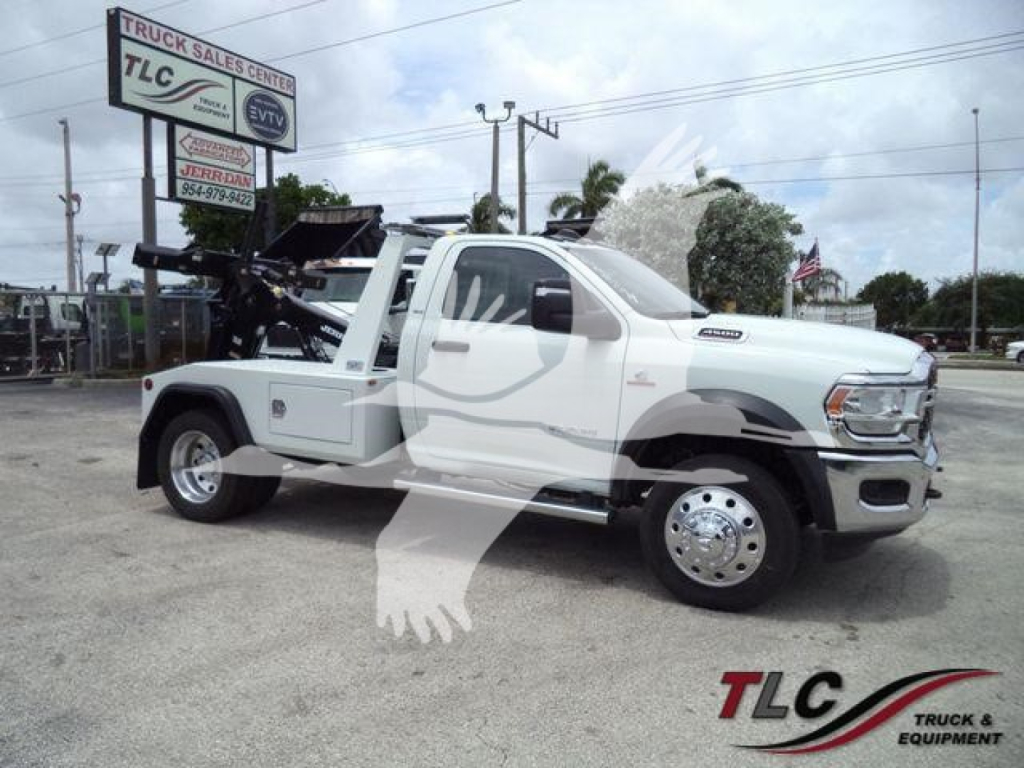
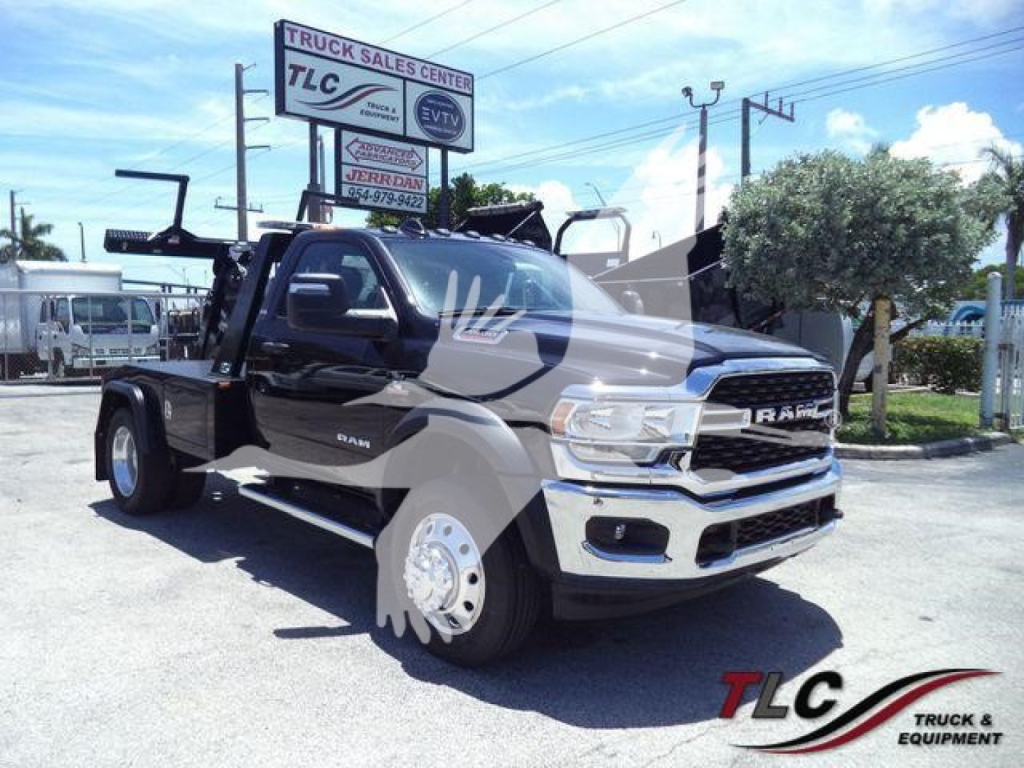
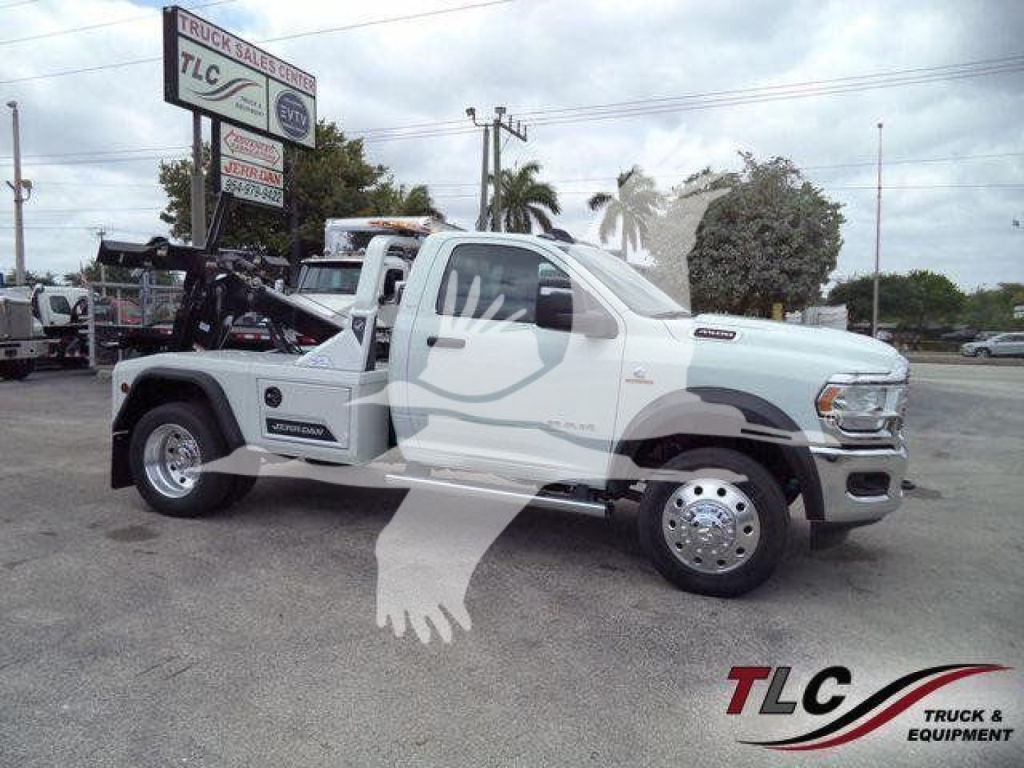
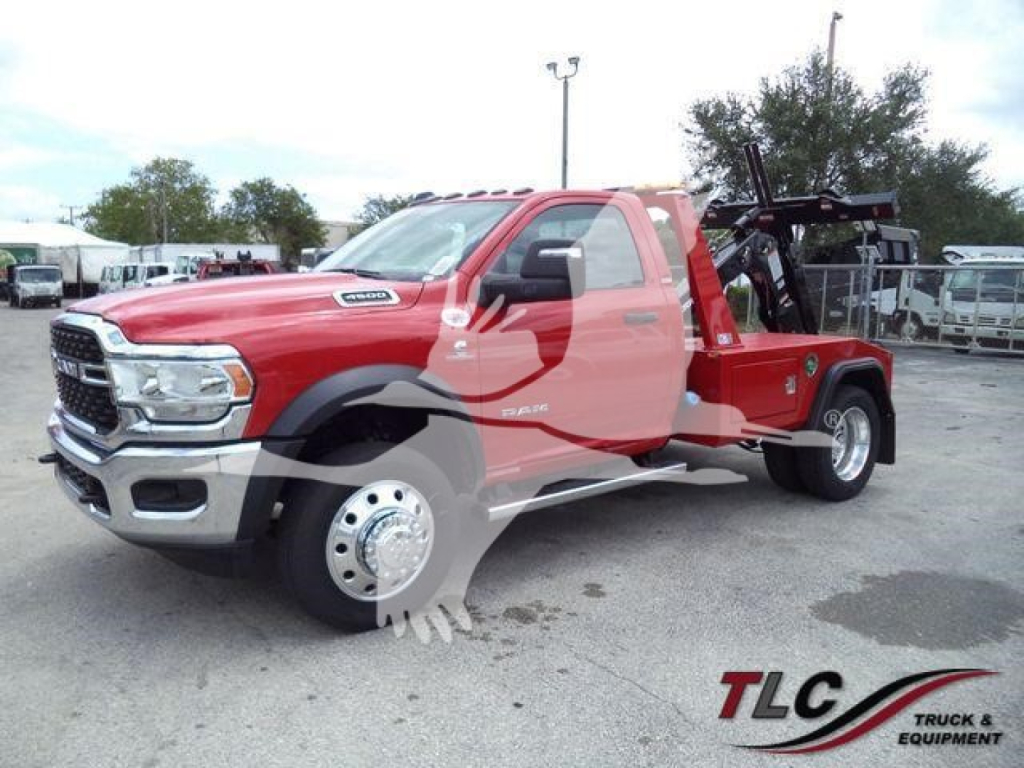
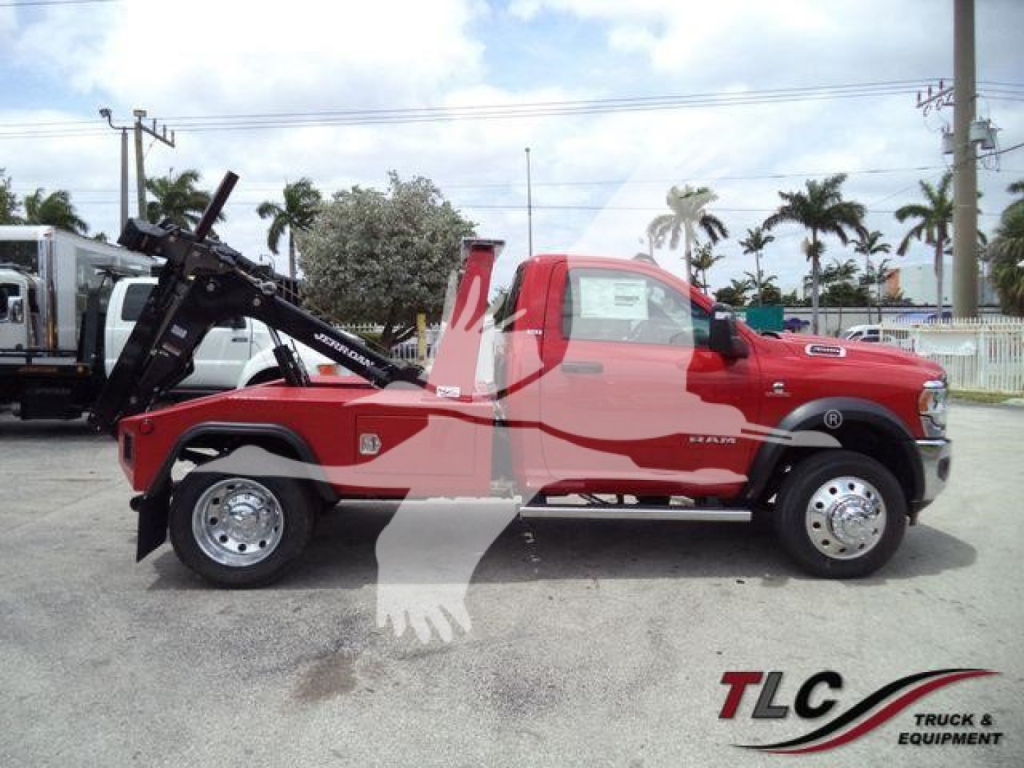
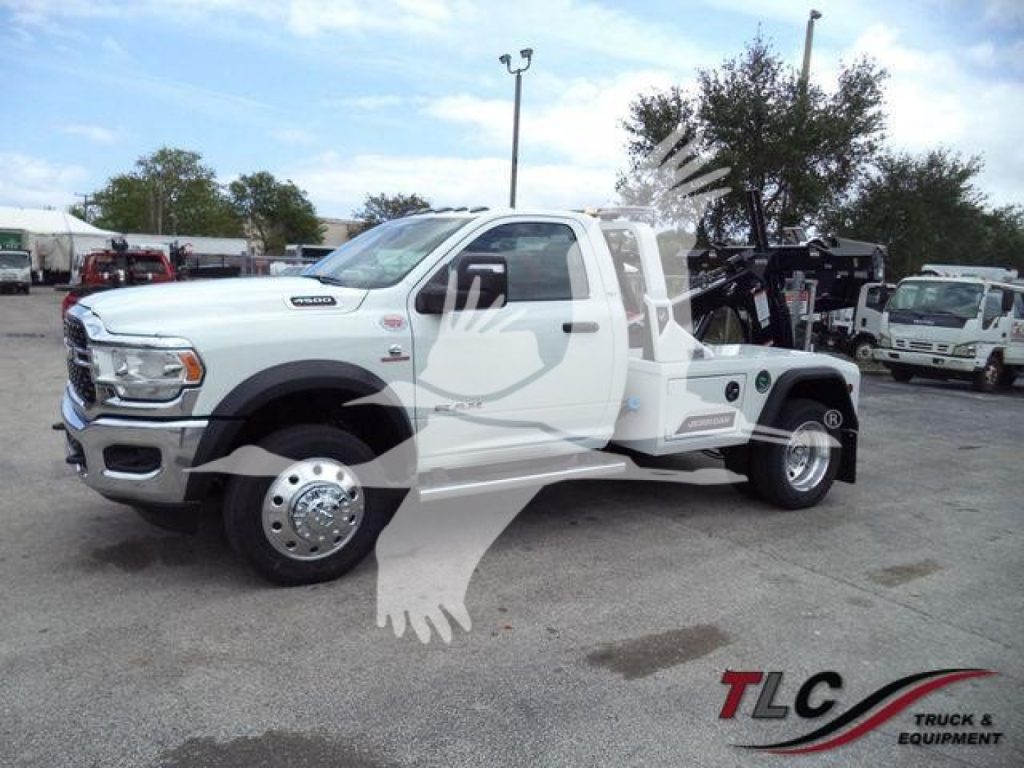
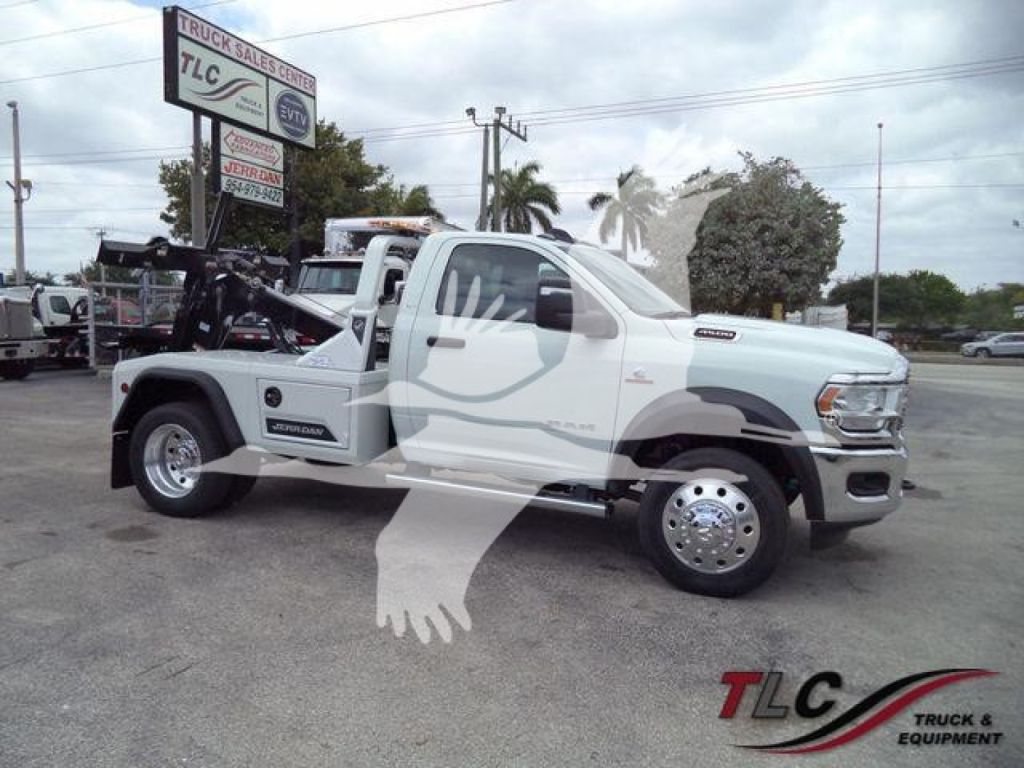
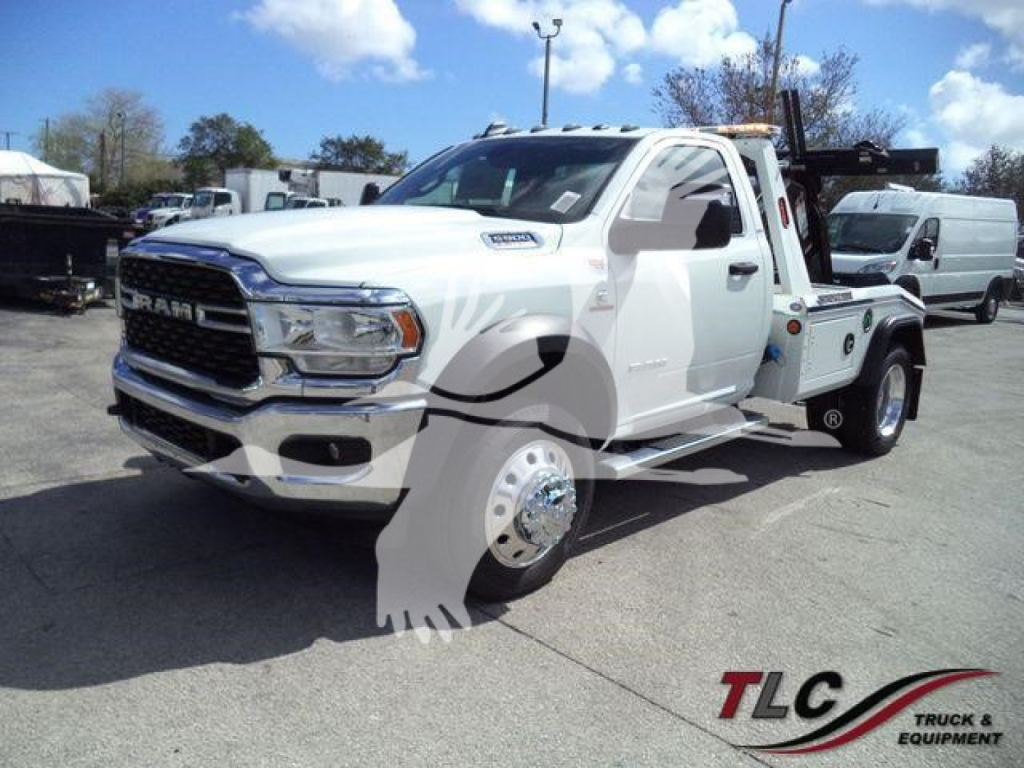
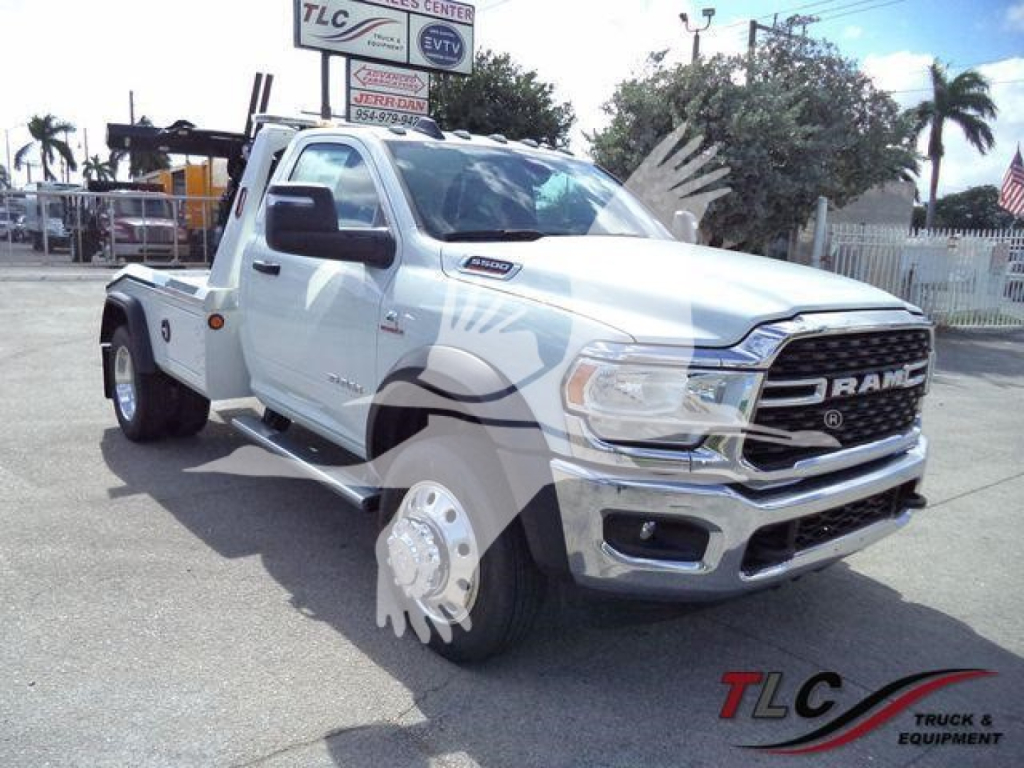
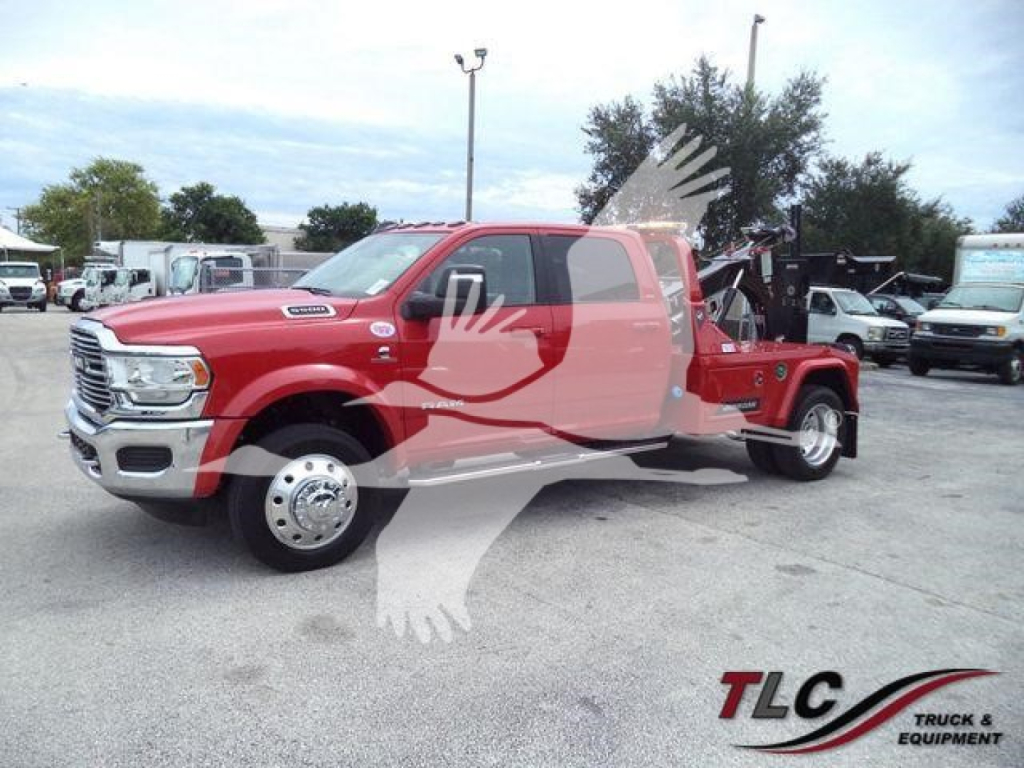
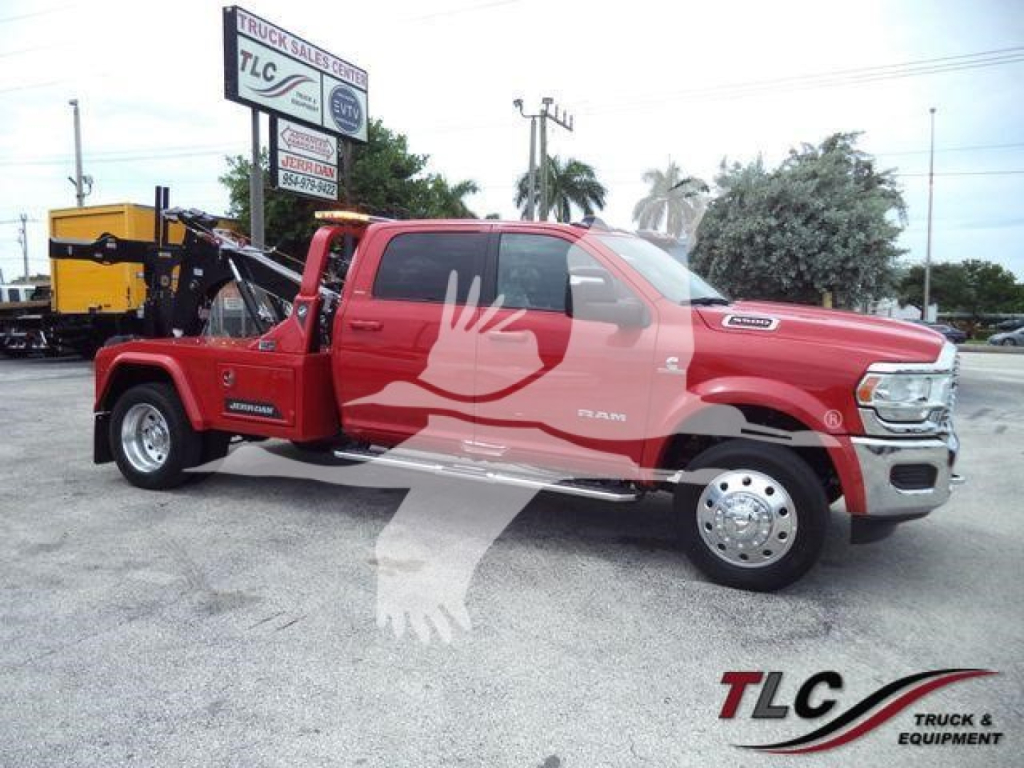
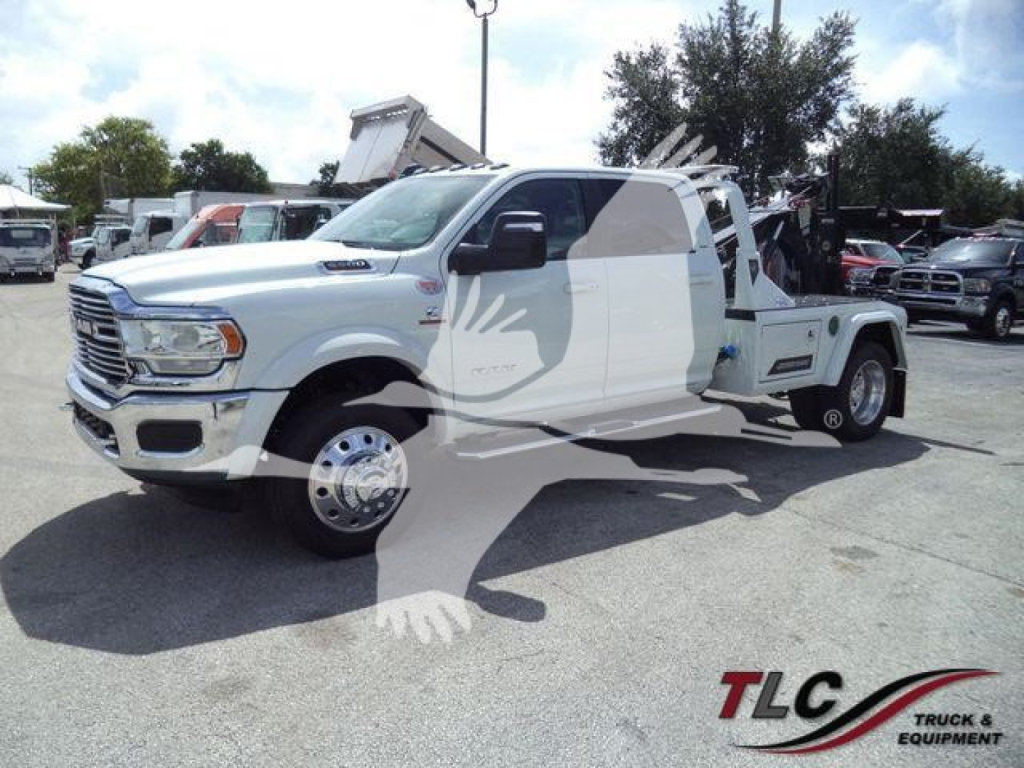
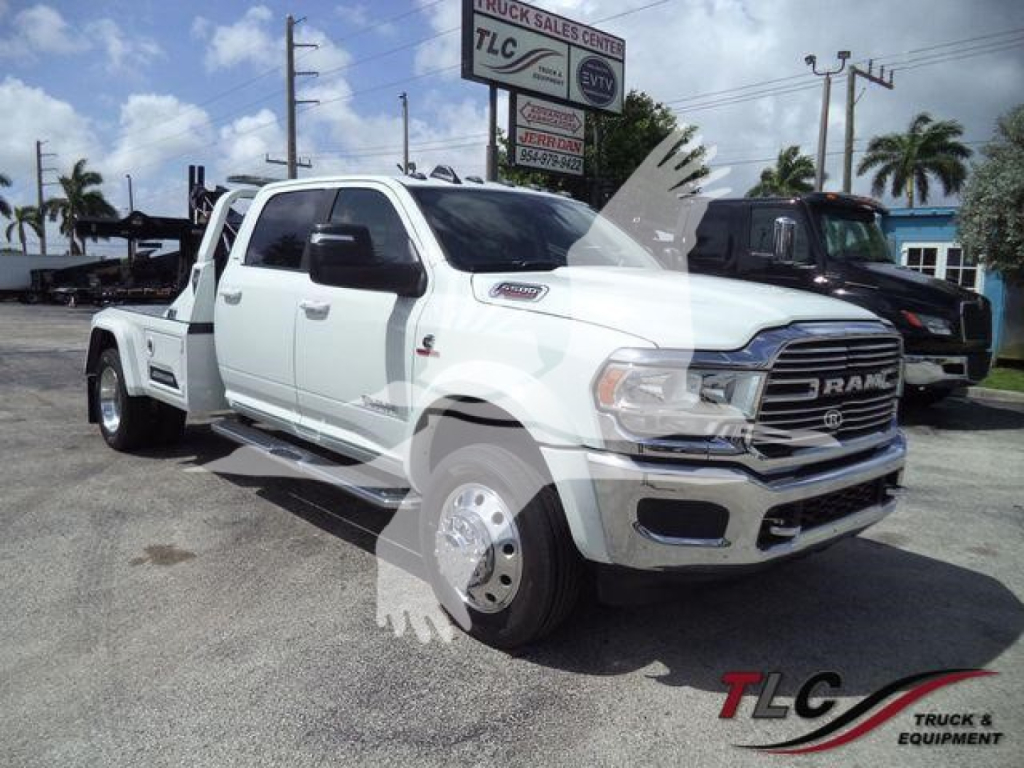
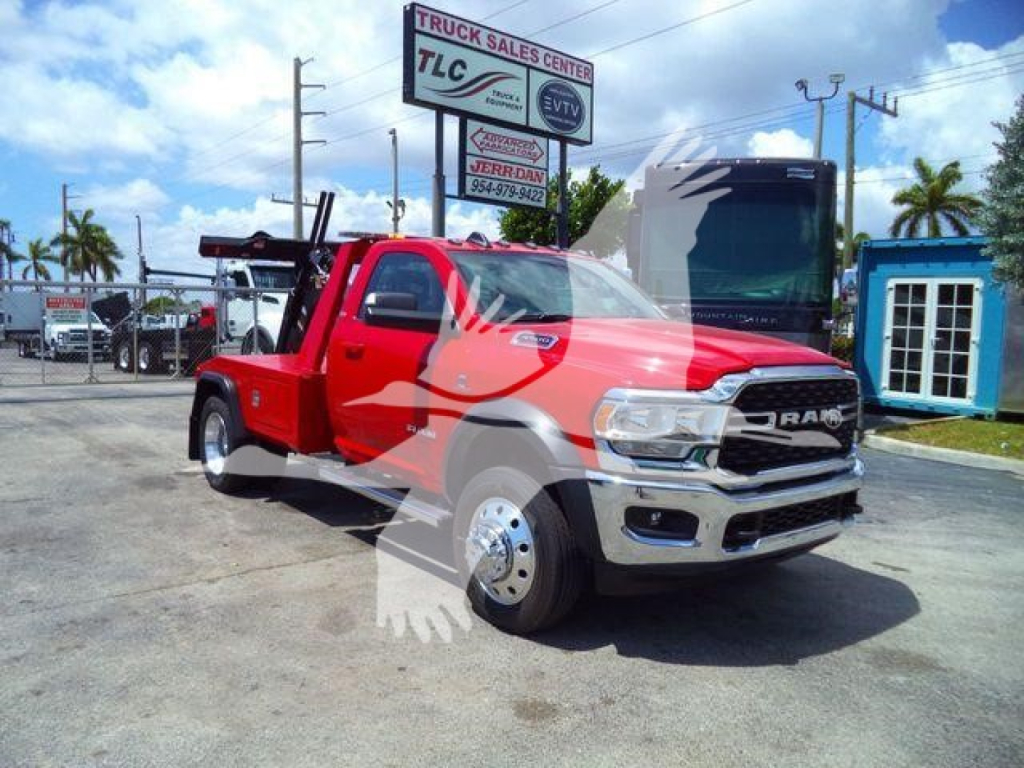
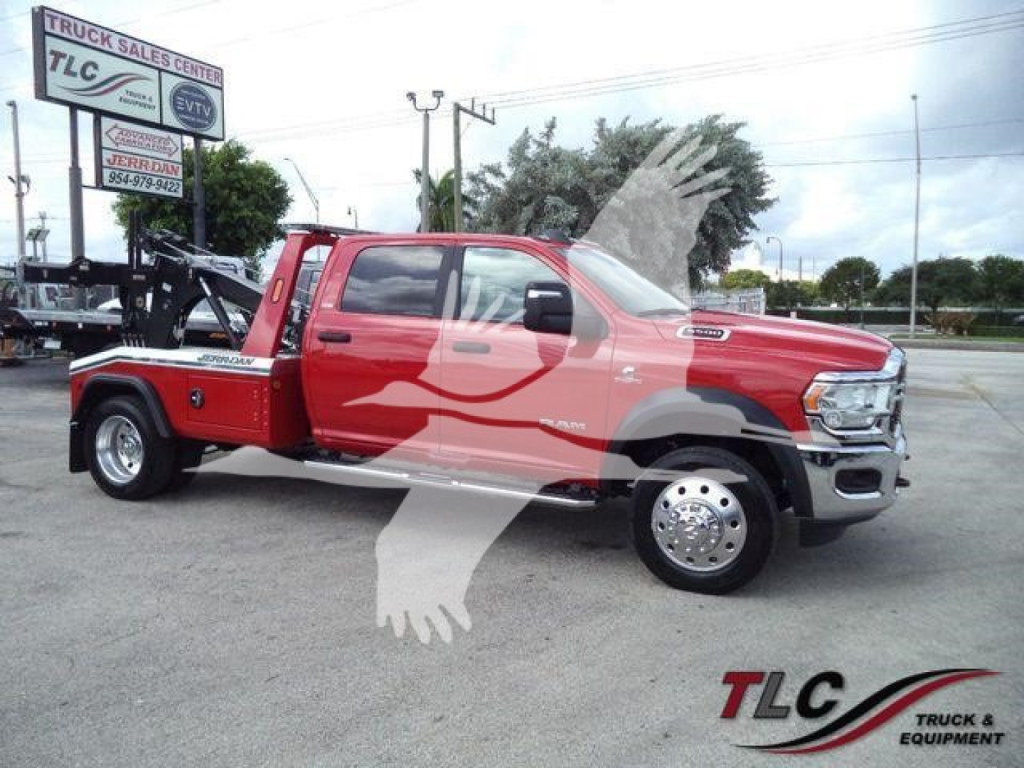
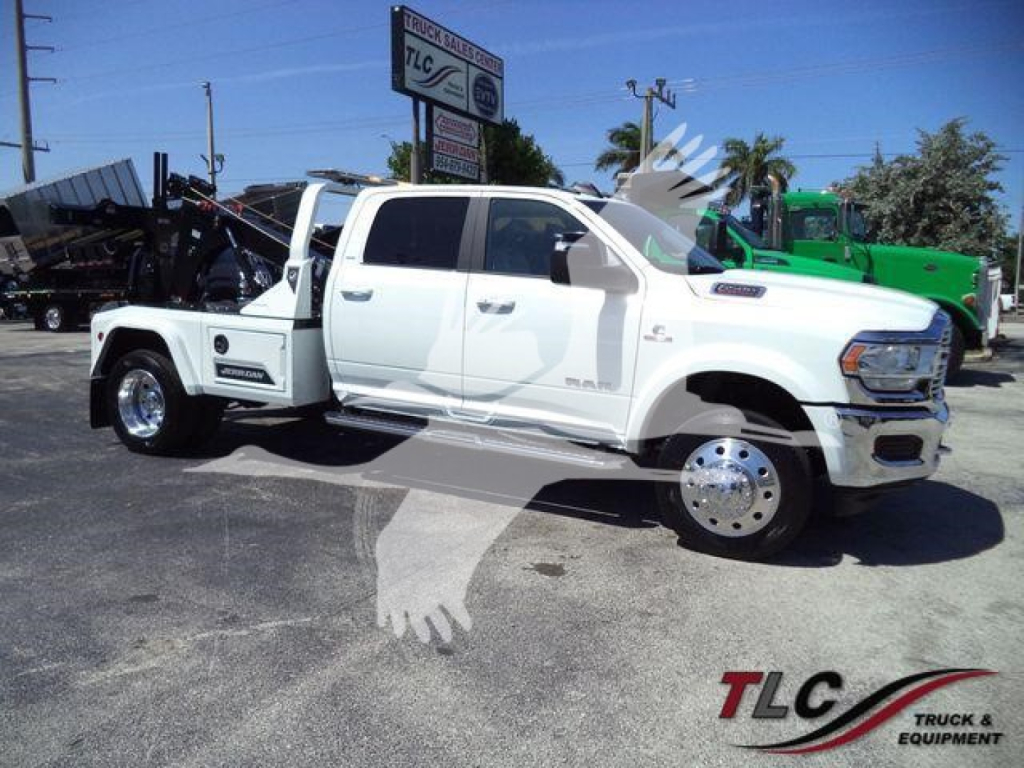
On the body side, many Ram winch trucks in this category carry Jerr-Dan MPL-NG or MPL-40 self-loading wrecker bodies. These are designed for quick hookup, short scene times, and repeat-cycle use. Common specs include a 4,000-lb self-loading underlift, roughly 48-inch retracted reach, about 79-inch extended reach, tilt capability for loading angle control, and tow ratings around 7,500 lbs depending on configuration. Drag winches are often rated at 8,000 lbs, with some heavier Ram 5500 builds equipped with dual 8,000-lb winches and an integrated recovery boom. Features like underlift stop assist, self-loading wheel grids, wired controls, backup alarms, DOT lighting, and rear work lights are standard items buyers should expect on a professional tow build.
A buyer comparing new Ram winch trucks should look closely at cab style, drive layout, and body construction. Regular cab 4x2 trucks usually suit high-volume city work where wheelbase and turning radius are critical. Crew cab 4x4 trucks make more sense for operators carrying additional personnel, running in bad weather, or working rural and mixed-surface routes. Steel bodies tend to favor durability and lower initial cost, while aluminum or composite body designs can reduce corrosion and save weight. Toolbox layout, camera systems, amber warning lights, and wheel-lift tie-down equipment also matter because they affect daily efficiency, not just spec-sheet appeal.
The strongest value in a new Ram winch truck is that it fills the gap between a standard rollback and a larger medium-duty wrecker. It is well suited for repossession work, accident recovery of passenger vehicles and light trucks, dealership towing, impounds, and private property enforcement. Buyers should verify GVWR, front and rear axle ratings, wheelbase, PTO or hydraulic setup, and the actual upfit capacity rather than relying only on model names. On a tow truck, the body manufacturer, underlift geometry, and winch configuration are just as important as the chassis badge. A properly matched Ram 4500 or 5500 winch truck can deliver strong uptime, easier service access, and the versatility to handle daily towing without stepping up into a much larger recovery platform.
Frequently Asked Questions about New Ram Winch Trucks
What is the difference between a Ram 4500 and Ram 5500 winch truck?
A Ram 4500 winch truck is generally chosen for lighter weight, tighter maneuvering, and city-oriented towing. A Ram 5500 provides more chassis capacity for heavier upfits, larger cabs, dual winches, and recovery boom packages. For buyers planning to tow heavier vehicles more often or carry more equipment, the 5500 usually offers a better margin on axle ratings and body capacity.
What kind of upfit is most common on a new Ram winch truck?
Most new Ram winch trucks in this category are fitted with self-loader wrecker bodies, often called auto loaders or light-duty wreckers. Common examples include Jerr-Dan MPL-NG and MPL-40 units. These typically include a self-loading wheel lift, drag winch, underlift stop assist, work lights, tool storage, and towing accessories needed for passenger car and light-truck recovery.
How much can a Ram winch truck tow?
Actual towing capacity depends on the chassis, axle ratings, wheelbase, body model, and local operating rules. Many light-duty self-loader setups in this class have underlift ratings around 4,000 lbs and tow capacities around 7,500 lbs, while recovery equipment and drag winches may be rated separately. Buyers should confirm the body manufacturer's ratings and compare them against the truck's GVWR and rear axle capacity before making a decision.
Is 4x2 or 4x4 better for a Ram winch truck?
A 4x2 Ram winch truck is often the best fit for pavement-based towing, repossession, and dense urban routes because it can be lighter, simpler, and easier to maintain. A 4x4 truck is valuable when the operation includes snow, gravel lots, rural roads, steep approaches, or off-pavement recoveries. The right choice depends on route conditions more than headline horsepower or trim level.
What features matter most on a new self-loader tow truck?
The most important features are usually underlift rating, winch capacity, wheel-lift geometry, body construction, lighting, and controls. Buyers should also pay attention to backup camera coverage, toolbox access, tie-down equipment, and whether the body uses corrosion-resistant materials or no-lube components. These details directly affect hookup speed, operator safety, and long-term maintenance cost.