
Western Star Trucks For Sale in Georgia
Browse Western Star trucks for sale in Georgia, including 47X, 49X, and 4900 models built for vocational, regional, and long-haul work.
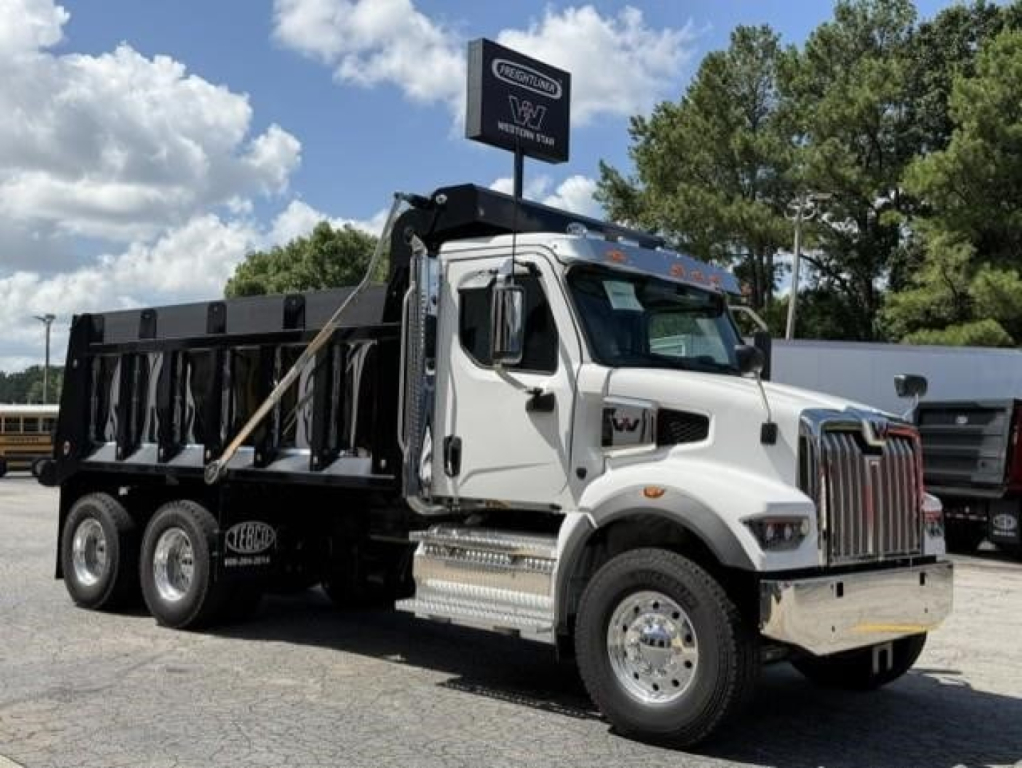
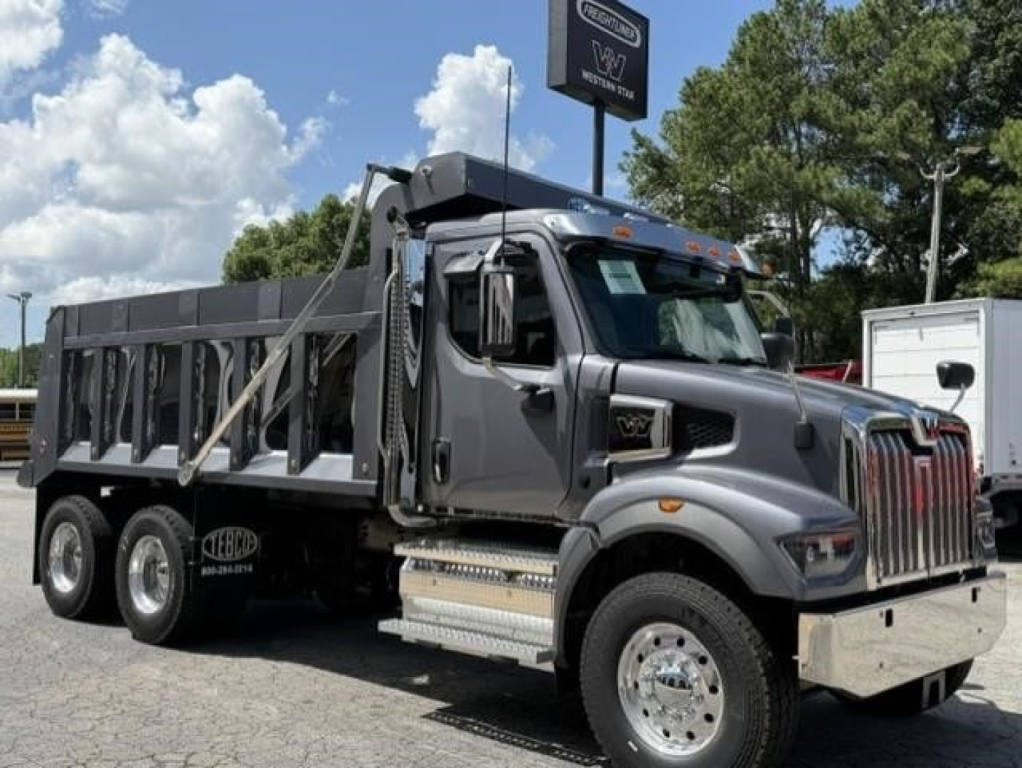
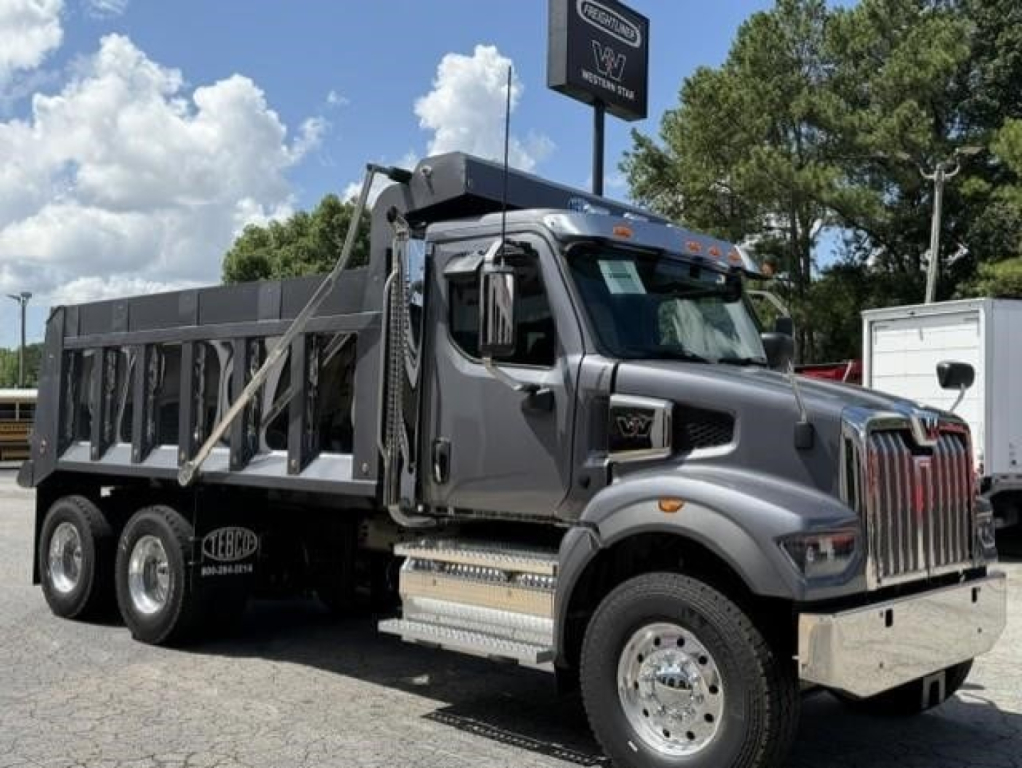
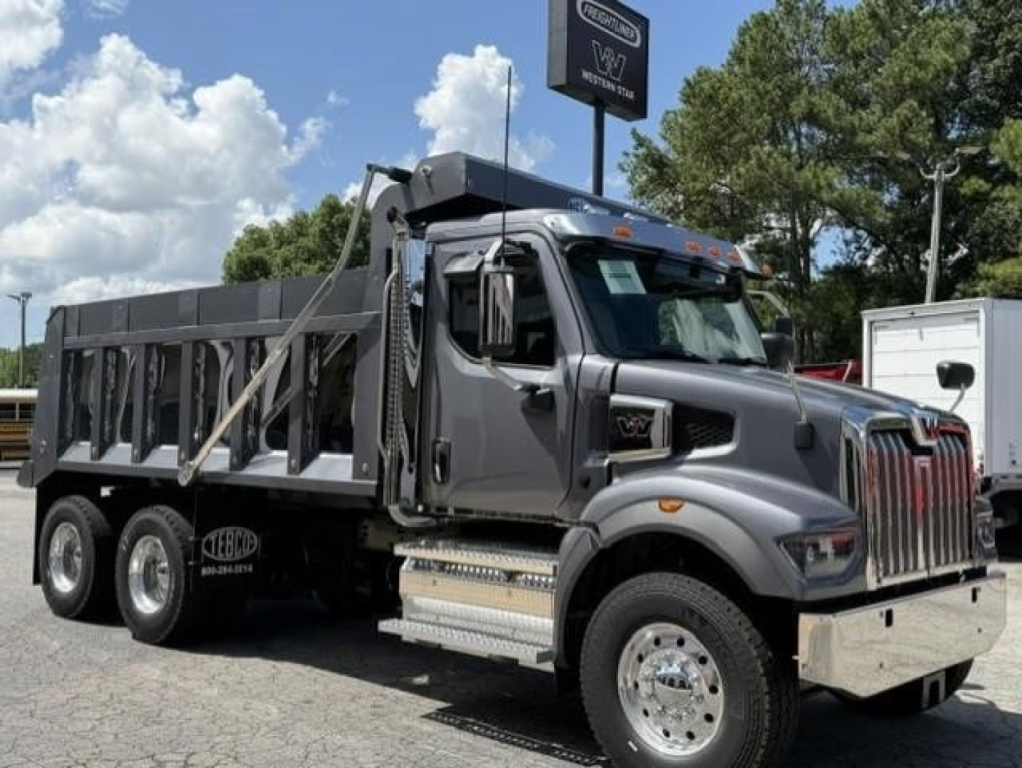
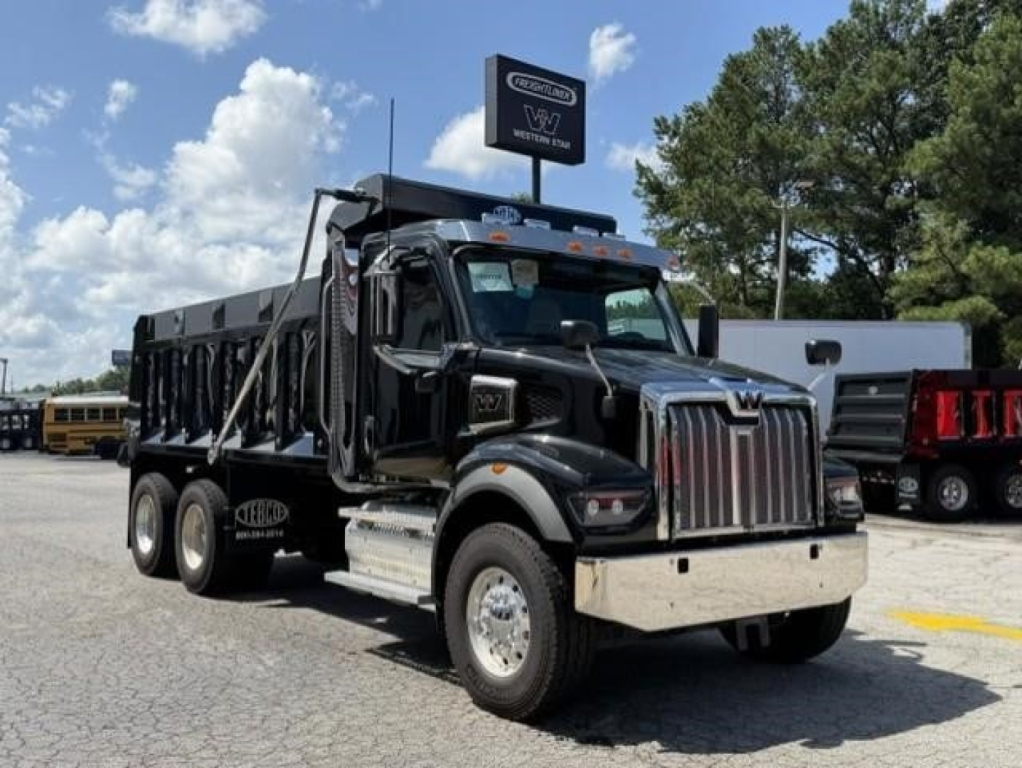
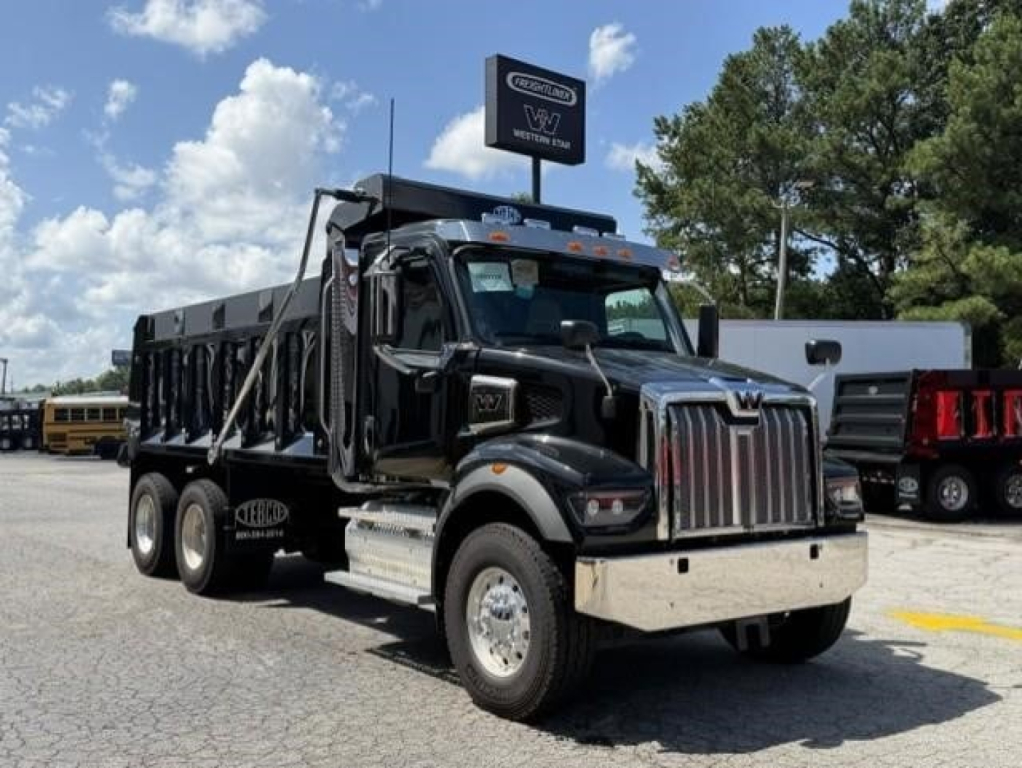
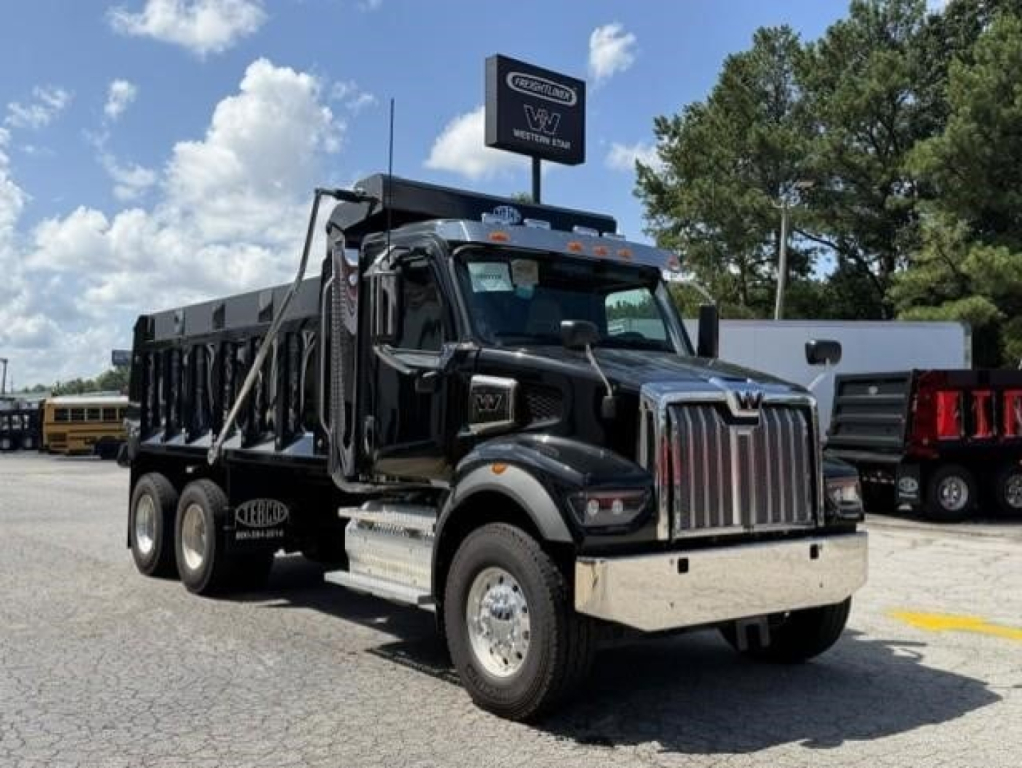
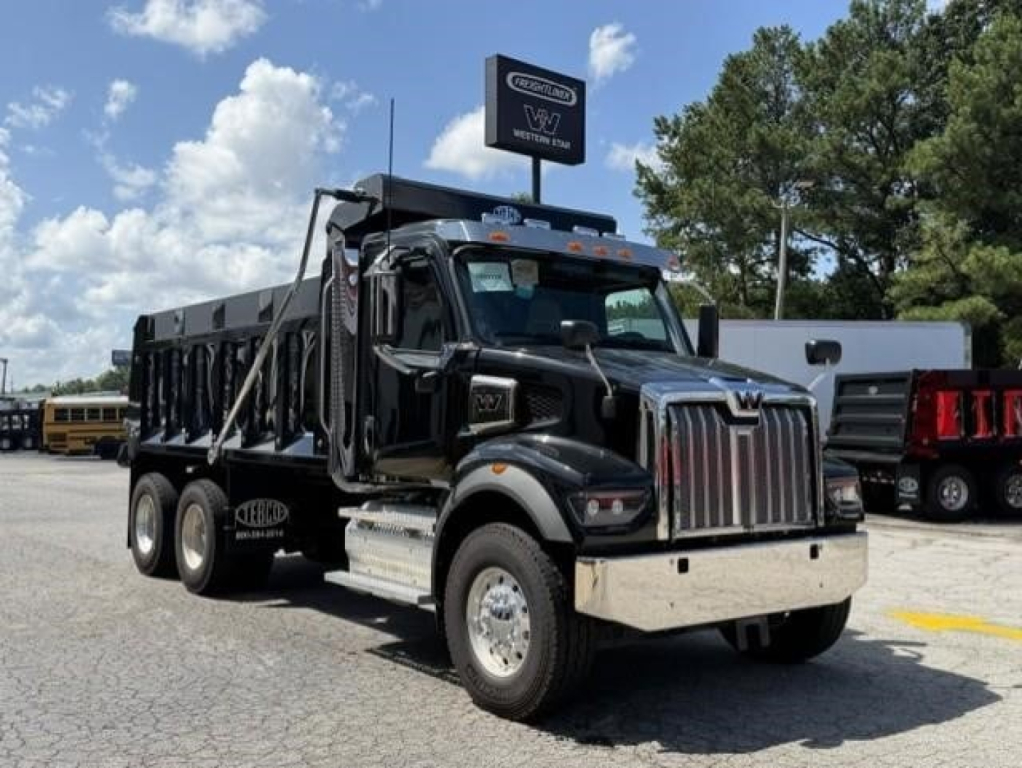
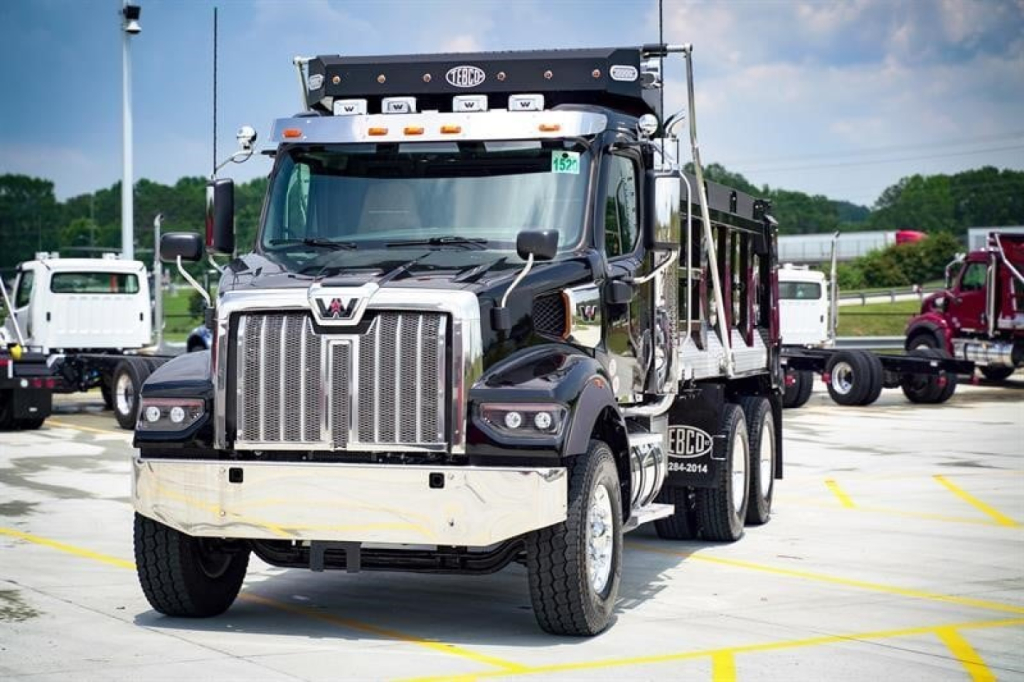
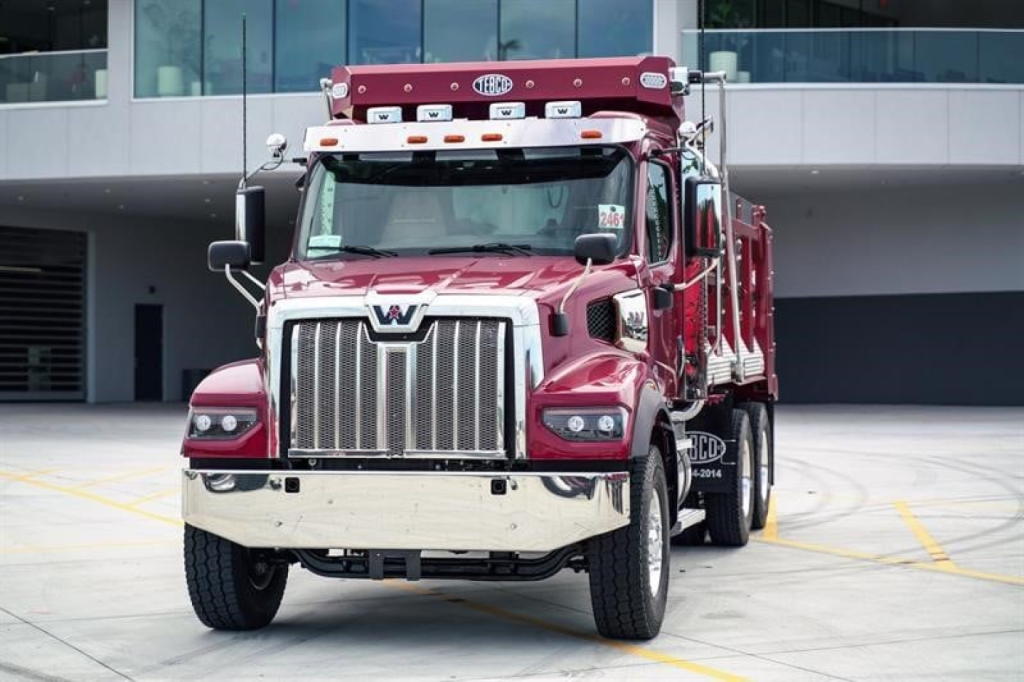
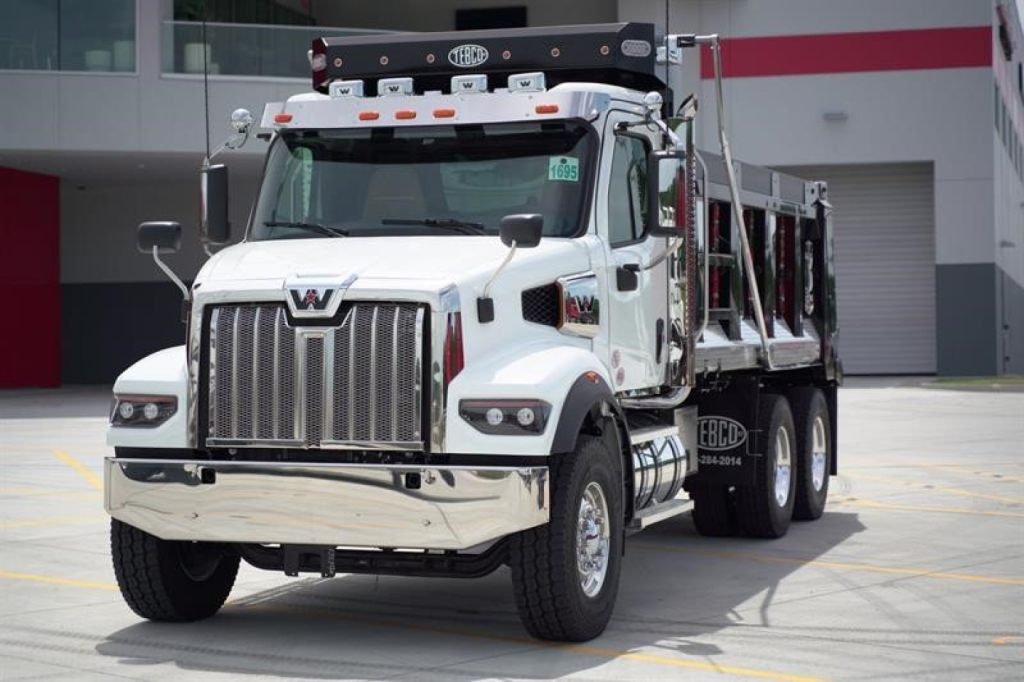
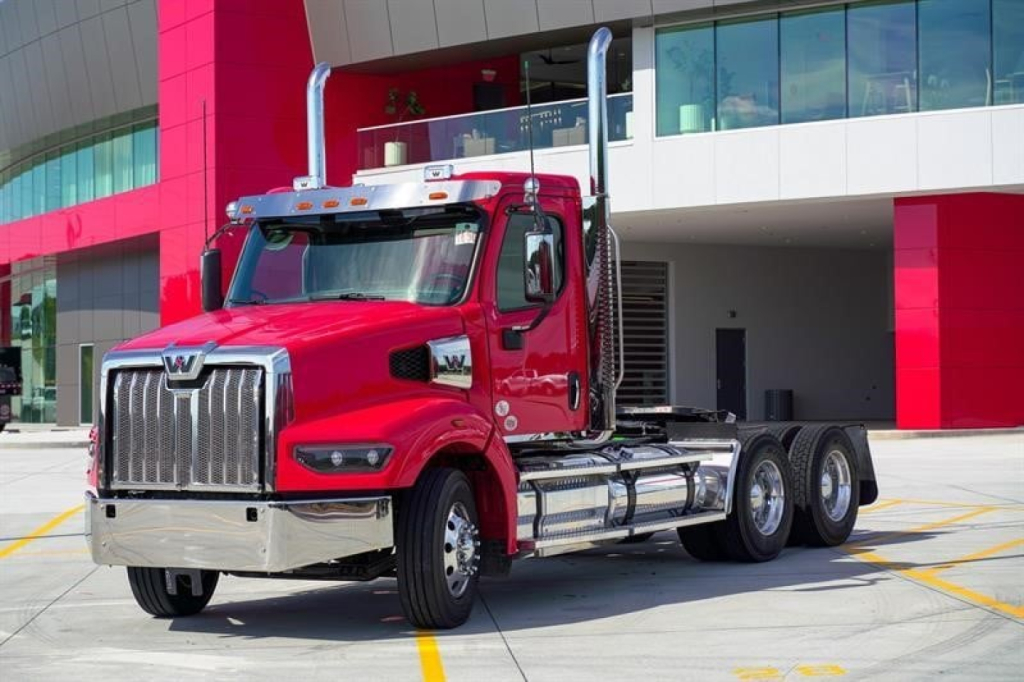
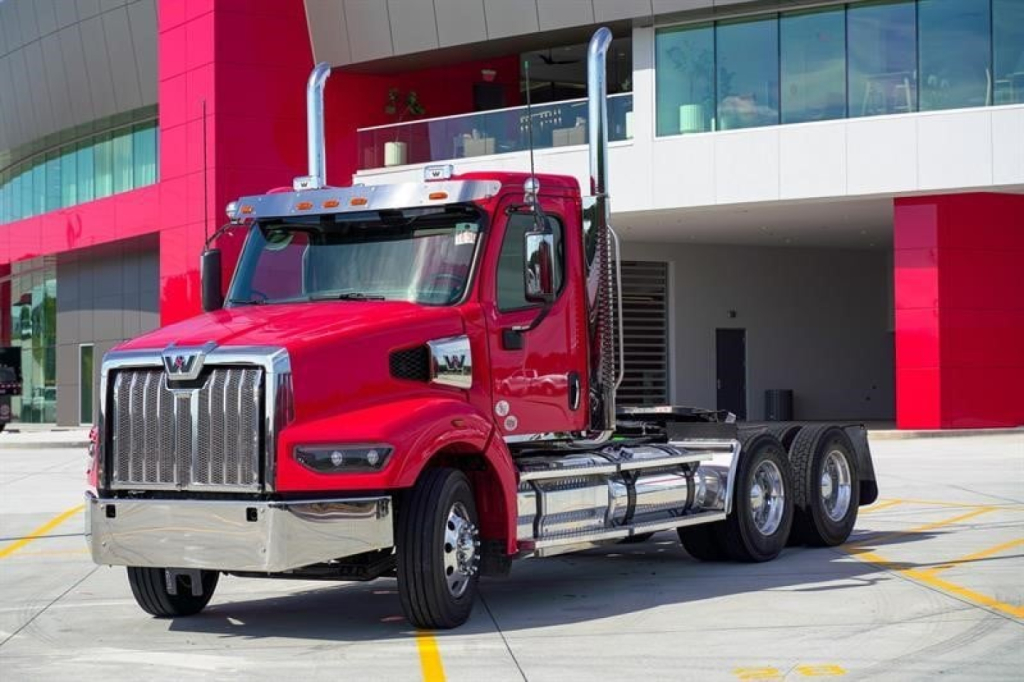
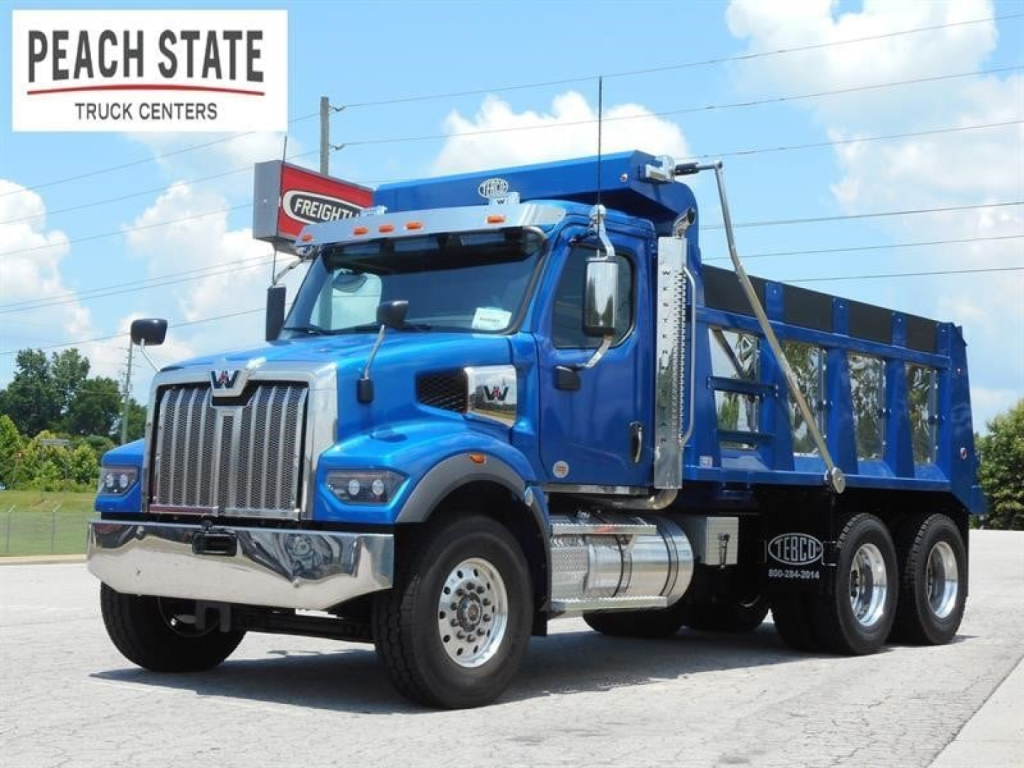
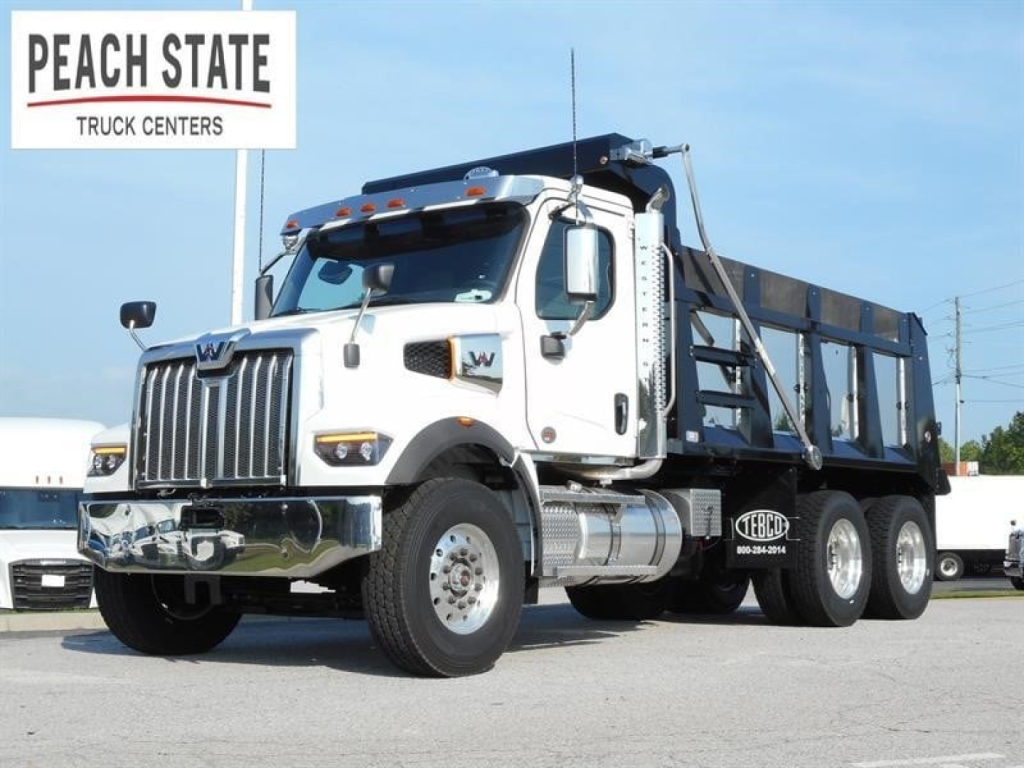
Showing 29 to 56 of 93 results
Selling a western star truck? List your western star truck for sale and reach thousands of commercial buyers.
Western Star Trucks in Georgia
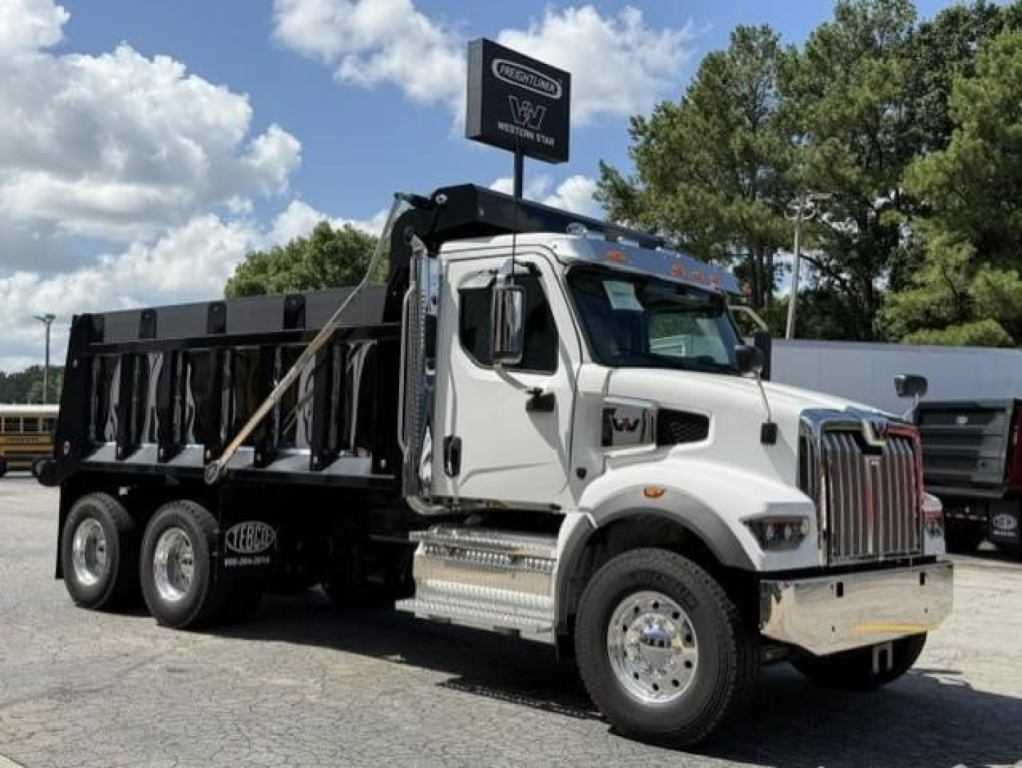
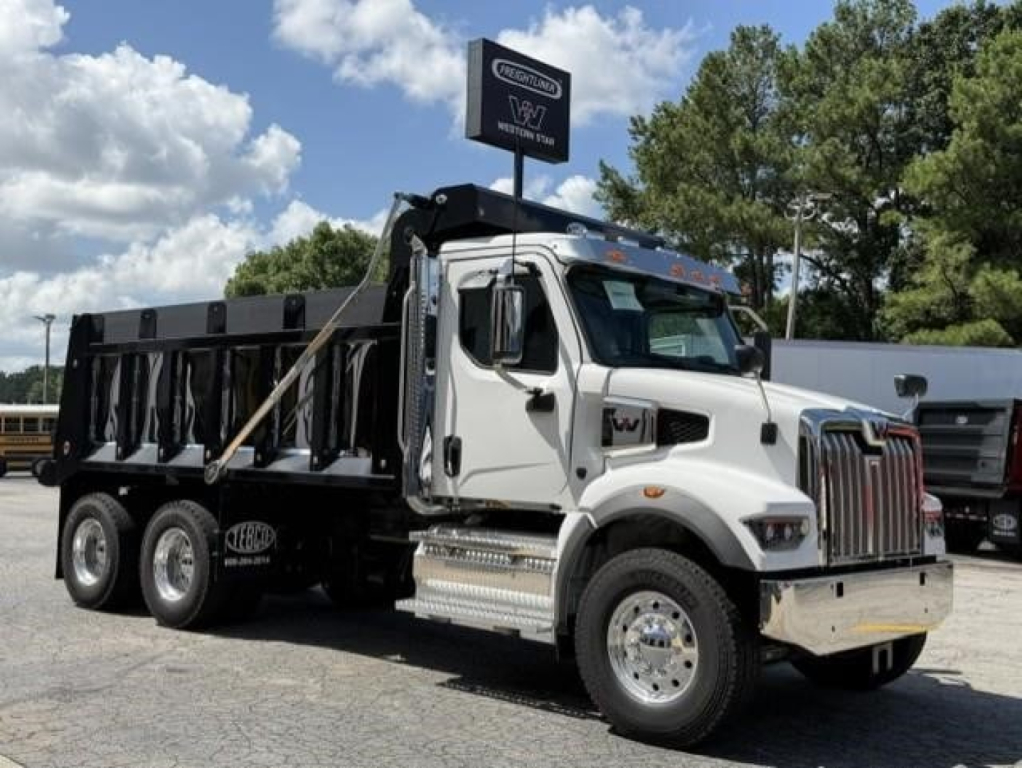
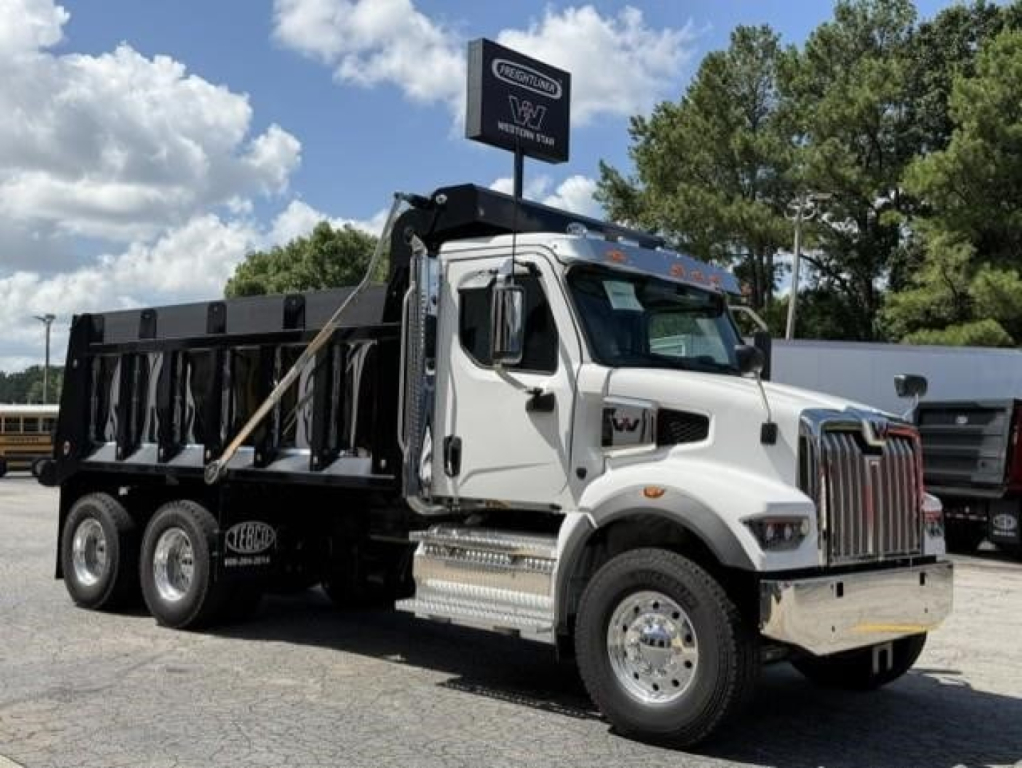
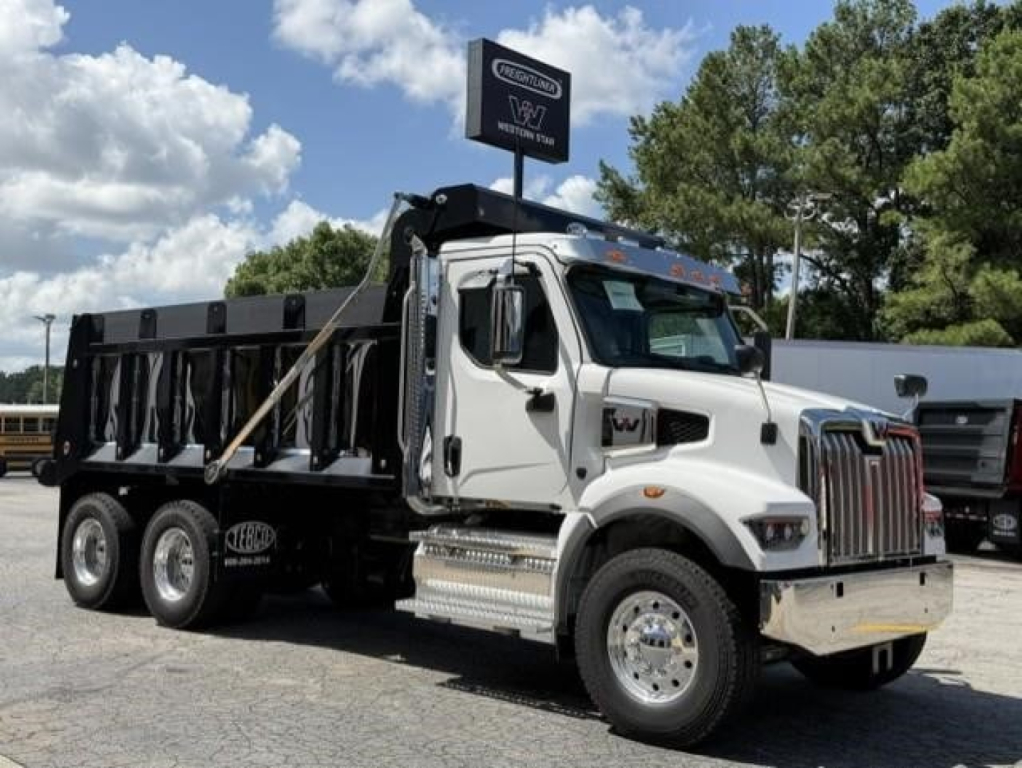
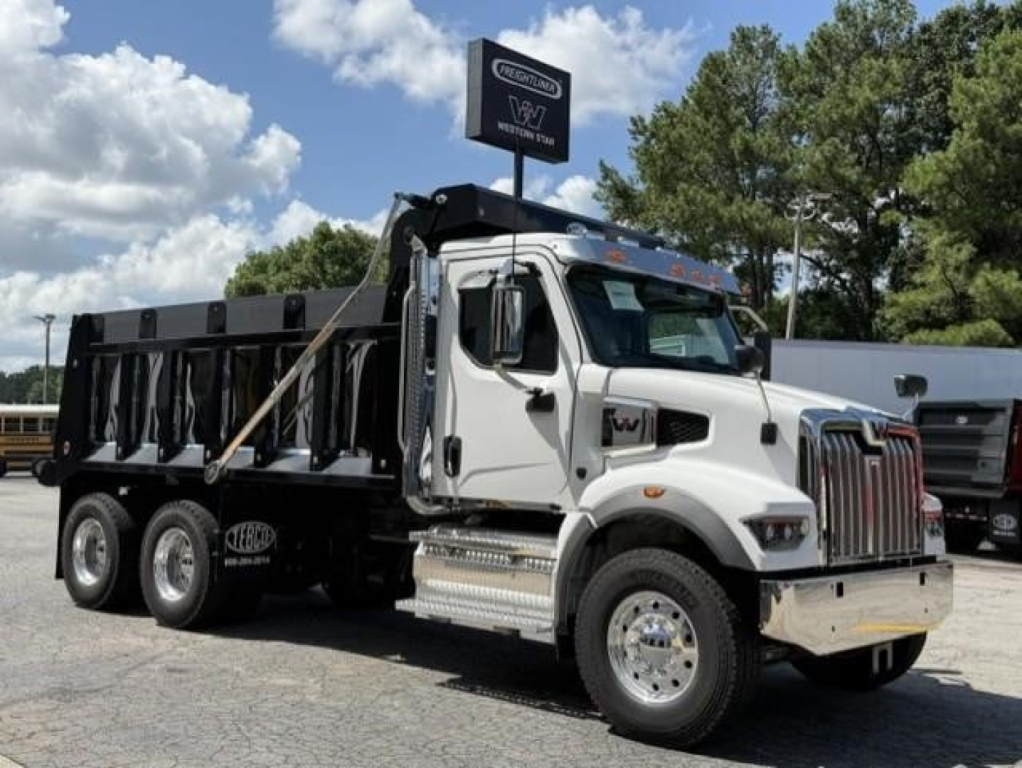
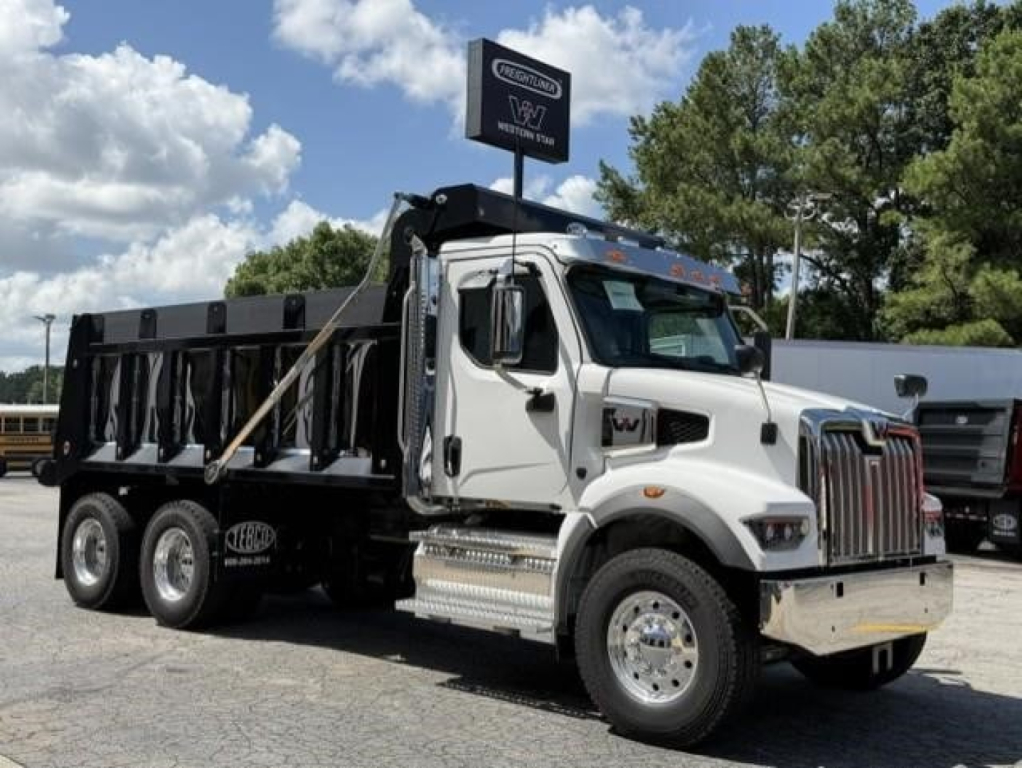
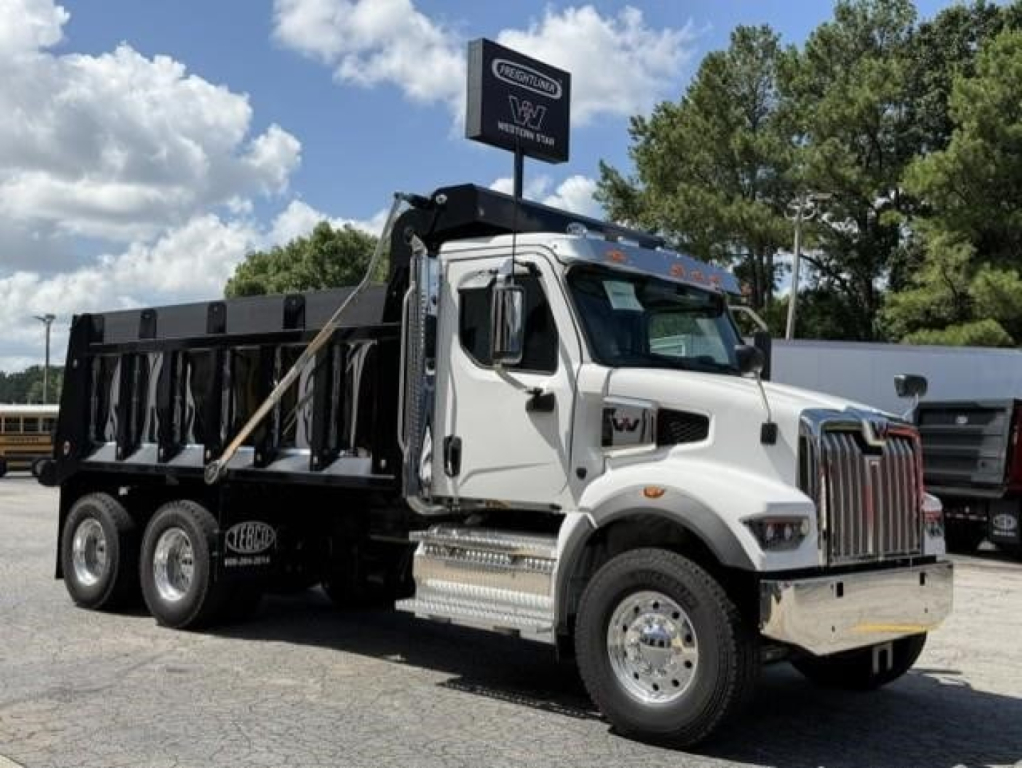
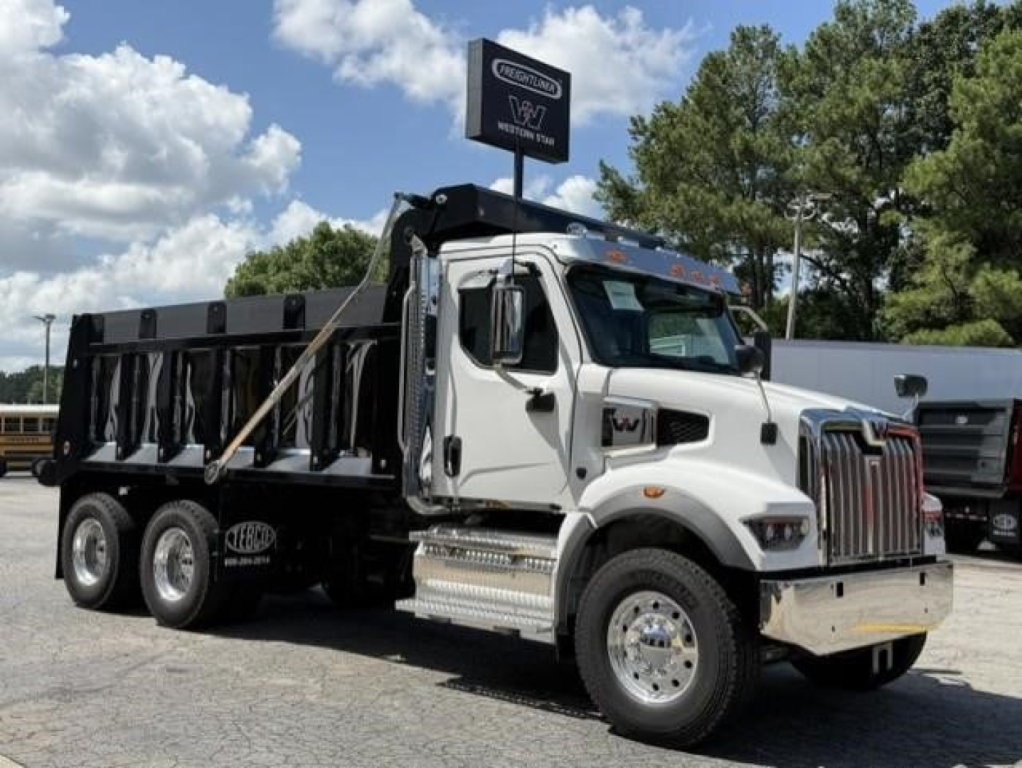
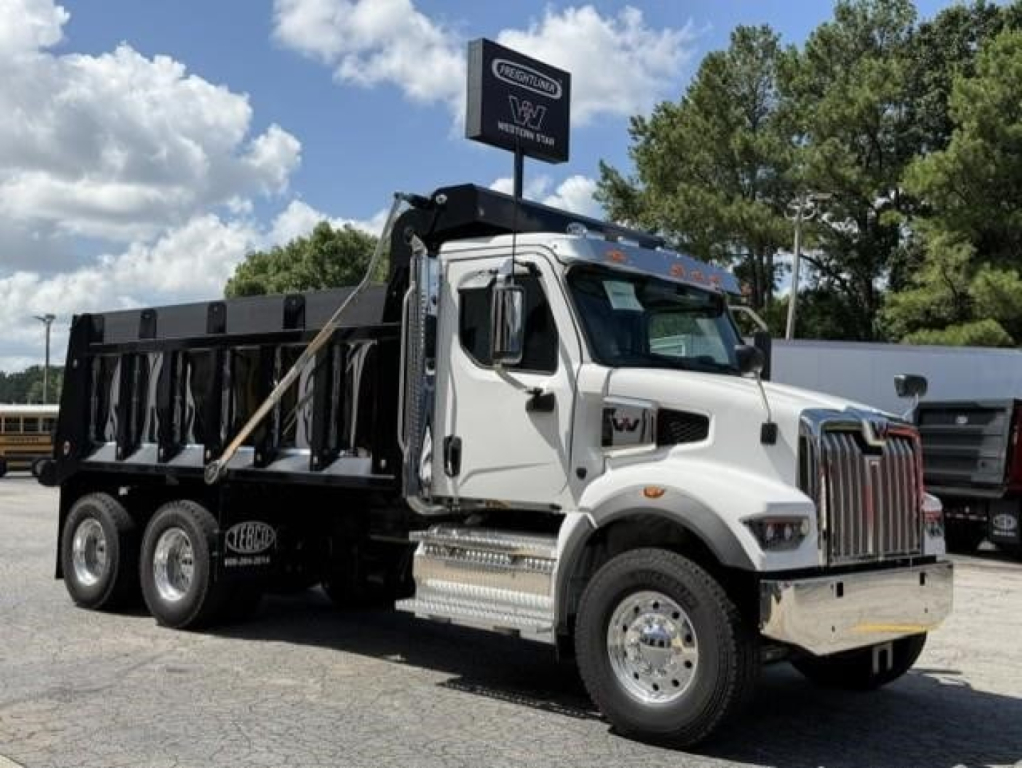
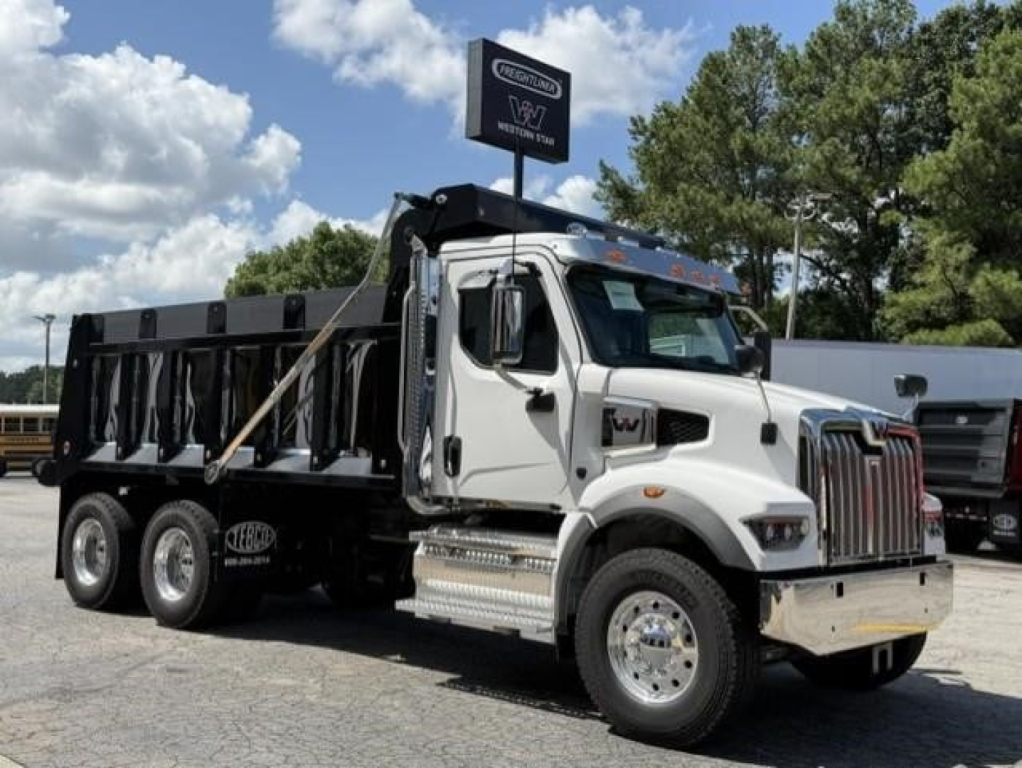
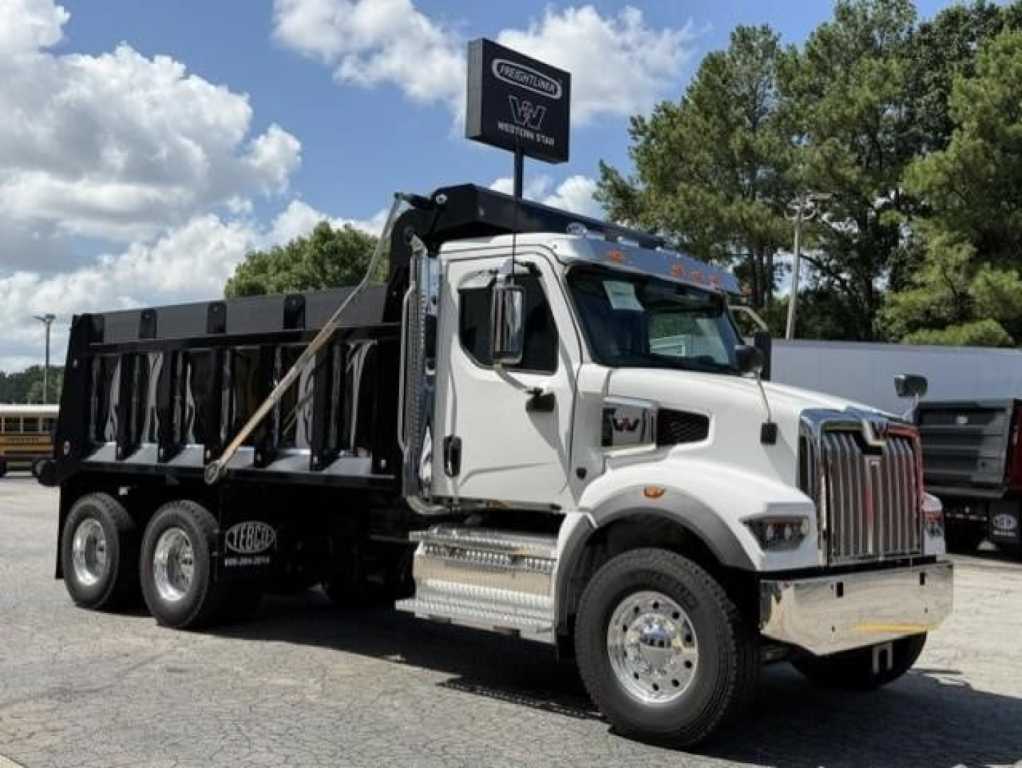
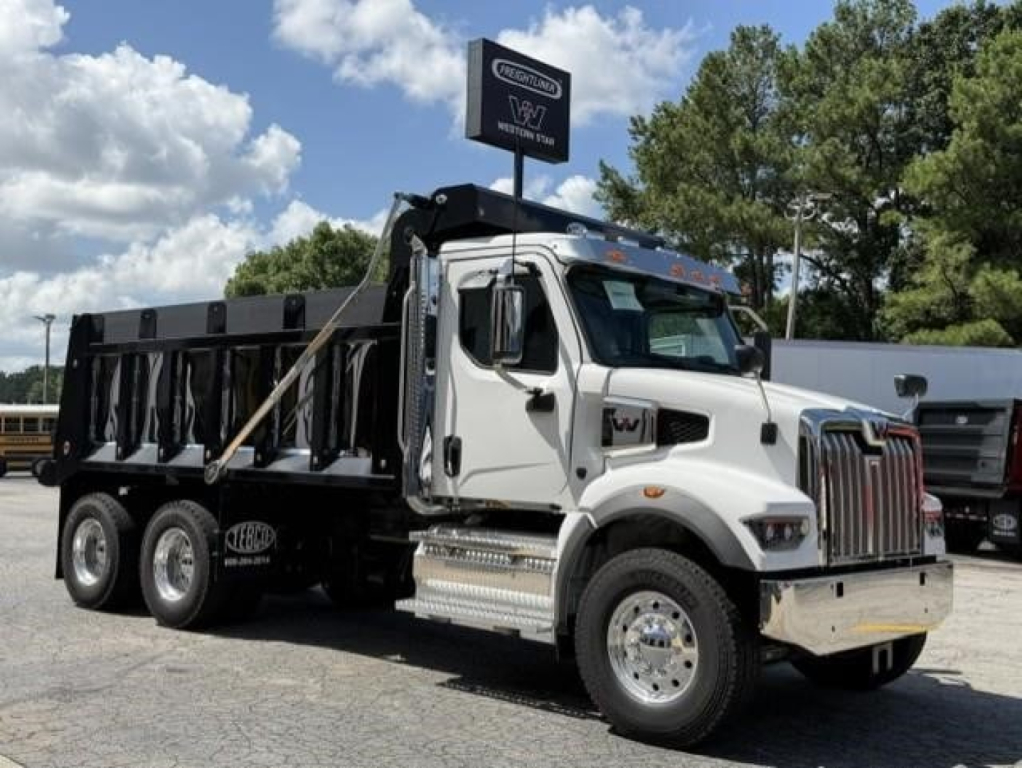
The first decision is usually application. A 49X day cab or sleeper is a common fit for regional haul, heavy vocational work, and highway service where buyers want a premium cab with modern safety systems and Detroit power. A 47X is often selected for dump, mixer, municipal, and severe-duty work because it can be spec'd for high front axle ratings, heavy rear axles, spring or air suspensions, PTO-ready drivetrains, and body-builder flexibility. Older 4900 models still attract attention because they were frequently ordered with long wheelbases, larger sleepers, heavy frames, and big horsepower for specialized hauling. Common engine choices include Detroit DD13 and DD15 platforms, typically paired with Detroit DT12 automated manuals or Allison automatic transmissions depending on whether the truck is intended for highway efficiency or stop-and-go vocational work.
Buyers should pay close attention to axle ratings, wheelbase, suspension, transmission type, and intended body or trailer use. For dump and construction work, a 6x4 tandem with a 20,000-pound front axle and 44,000-pound rears is a common severe-duty setup, especially when paired with spring suspension and an Allison RDS automatic. For highway tractors, 13,200-pound front axles, 40,000-pound rears, air ride suspension, and 3.08 or similar rear ratios are common in fuel-conscious specs using a DD15 and DT12. Sleeper buyers should compare sleeper length, raised-roof versus mid-roof layout, number of bunks, and fifth wheel setup. Day cab buyers should look at wheelbase and frame space if PTO equipment, wet kits, headache racks, or other upfits are planned.
Western Star trucks tend to appeal to fleets and owner-operators who want a premium heavy-duty truck without giving up serviceability. Newer X-Series models often include collision mitigation, modern dash layouts, and integrated driver-assist systems, while still keeping the brand's vocational backbone. On used units, focus on maintenance records, engine hours, aftertreatment history, transmission calibration and clutch data on AMTs, suspension wear, and frame condition around body mounts or fifth wheel areas. In Georgia, buyers running Atlanta regional lanes, port freight through Savannah, or off-road vocational routes should also consider cooling package spec, gearing for mixed terrain, and cab configuration that matches daily driver time versus overnight use.
Frequently Asked Questions about Western Star Trucks in Georgia
What is the difference between a Western Star 47X and 49X?
The 47X is generally positioned as a more vocationally focused platform, often used for dump, mixer, municipal, and severe-duty applications where heavier front axles, body-builder options, and rugged chassis specs matter most. The 49X covers a broader range and is commonly spec'd as both a vocational truck and an on-highway tractor, including day cabs and sleepers. In practical terms, buyers usually compare them based on axle ratings, wheelbase, cab layout, transmission choice, and how much of the truck's life will be spent on pavement versus jobsites.
Are Western Star trucks good for heavy vocational work?
Yes. Western Star has long been associated with severe-duty and vocational applications because the trucks can be ordered with heavy frame specs, high-capacity front and rear axles, PTO-compatible drivetrains, and suspension choices suited to rough service. Models used for dump and construction work are often equipped with components such as 20,000-pound front axles, 44,000-pound rears, spring suspension, and Allison automatic transmissions. The key is to confirm the exact truck was spec'd for the job, because not every Western Star is built the same way.
What engines and transmissions are common in Western Star trucks?
Detroit powertrains are among the most common, especially the DD13 and DD15 in modern Western Star trucks. For highway and regional hauling, the Detroit DT12 automated manual is a frequent pairing because it supports fuel economy and consistent shift logic. In vocational trucks such as dumps, buyers often look for Allison automatic transmissions, including RDS series units, because they perform well in stop-and-go work and on uneven terrain. The right combination depends on route profile, payload, PTO needs, and driver preference.
What should I check when buying a used Western Star truck?
Start with the truck's original application and compare it to your intended use. Review service records, engine and aftertreatment history, fault codes, transmission software and clutch learn data on AMTs, suspension condition, and signs of frame stress around body mounts, hoists, or fifth wheel areas. On vocational units, inspect for corrosion, cracked brackets, and wear from off-road loading cycles. On highway tractors, pay close attention to mileage, idle hours, tire wear patterns, and any evidence that gearing or wheelbase does not match the freight you plan to haul.
Is a Western Star sleeper a good choice for long-haul work?
A Western Star sleeper can be a strong long-haul option for buyers who want a premium heavy-duty truck with a more rugged feel than many standard highway tractors. Sleeper-equipped 49X and 4900 models are often found with DD15 engines, 12-speed automated manuals, aerodynamic highway specs, and raised-roof sleeper layouts in sizes such as 72 inches. The best fit depends on fuel economy expectations, interior space needs, wheelbase requirements, and whether the truck will stay in linehaul service or also handle specialized freight.