
Water Trucks For Sale in Oklahoma
Water trucks for sale in Oklahoma, including common tank sizes, spray systems, chassis specs, and jobsite uses for dust control and water hauling.
No exact matches found for your search
Showing Water Trucks instead.
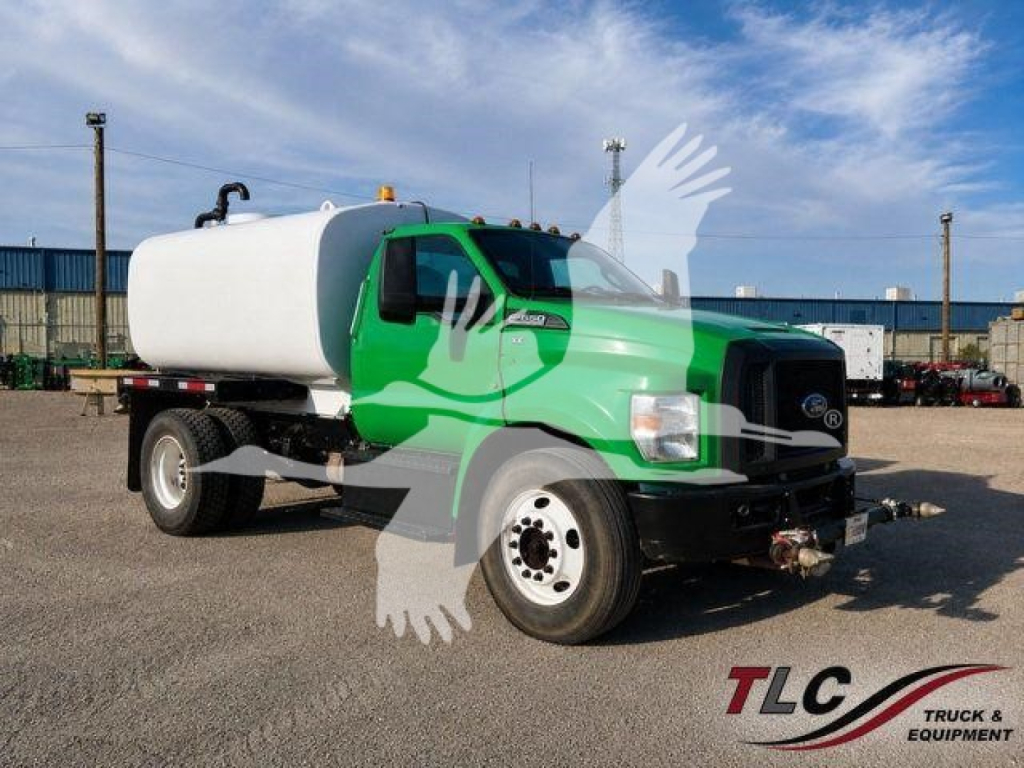
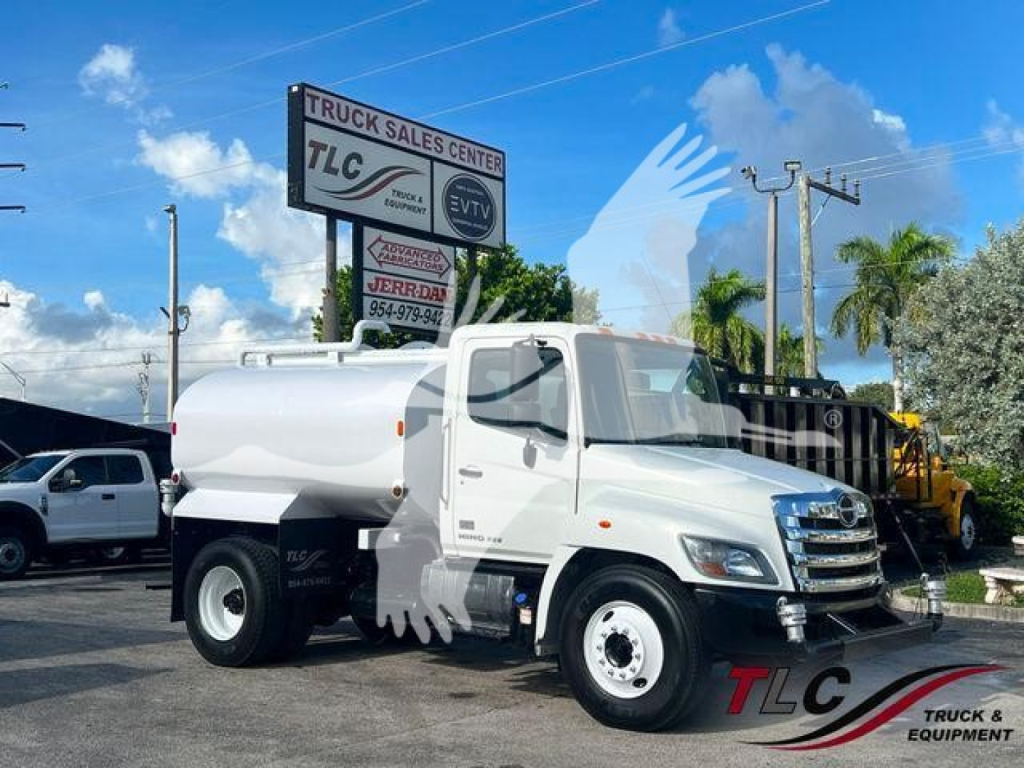
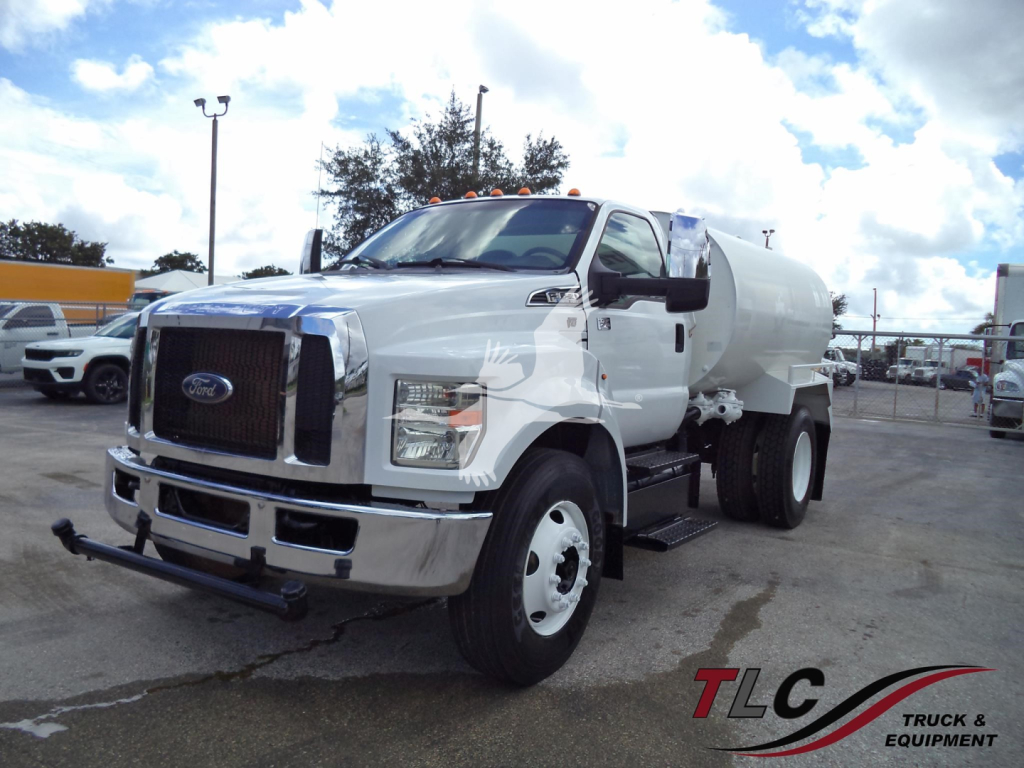
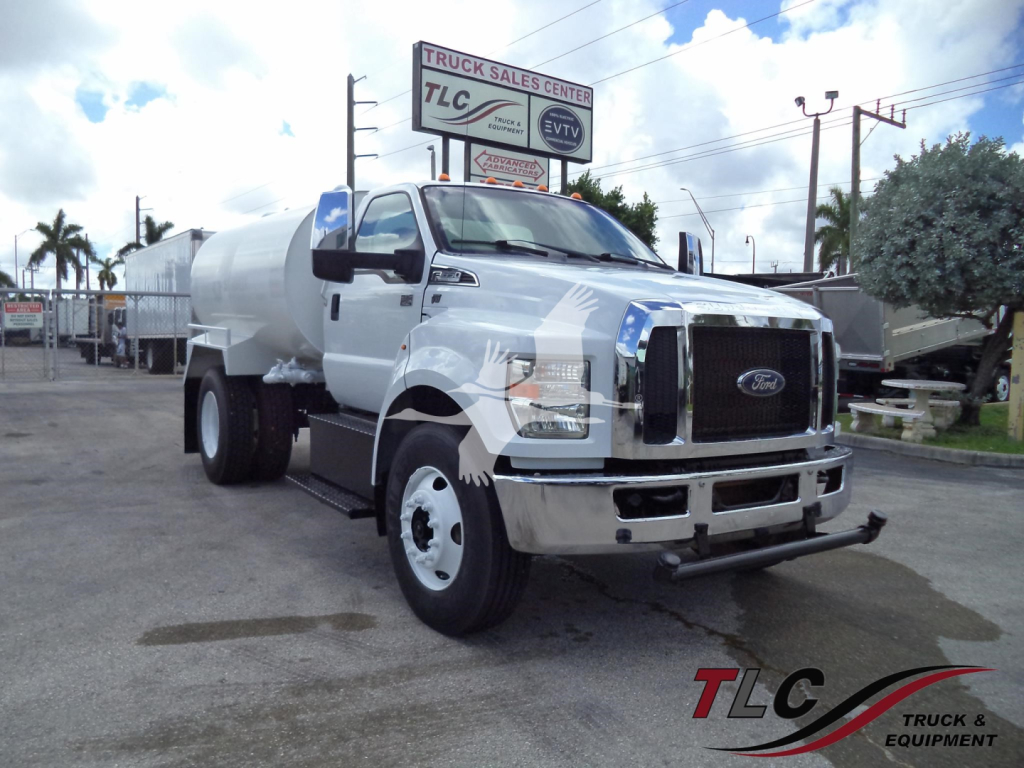
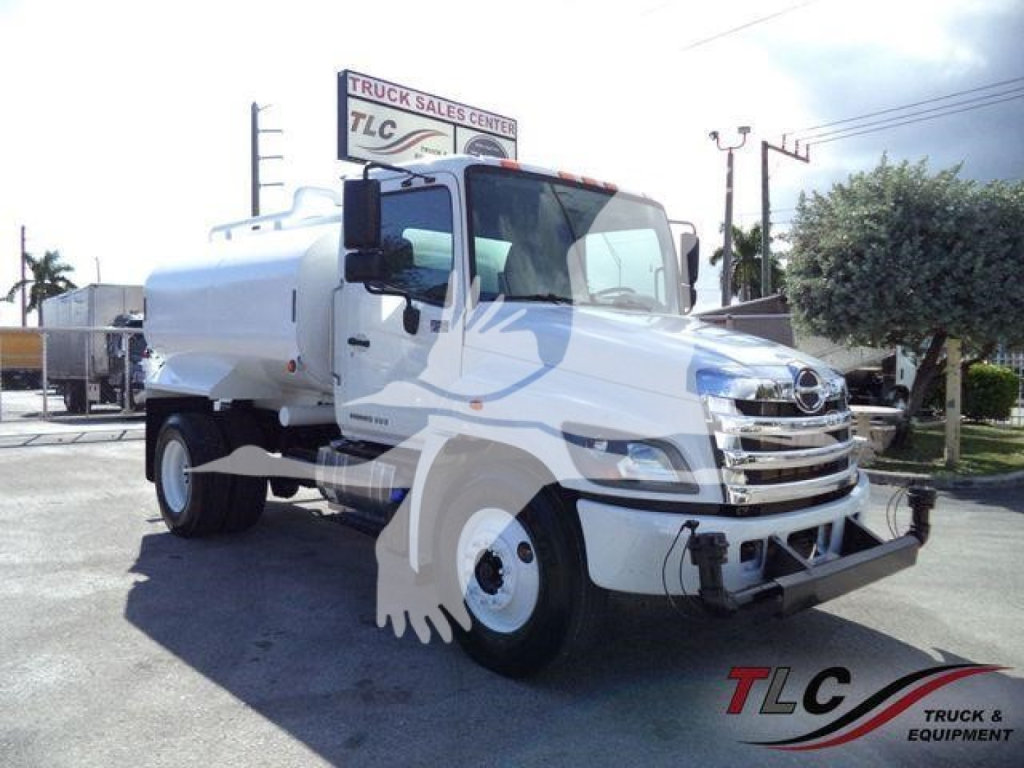
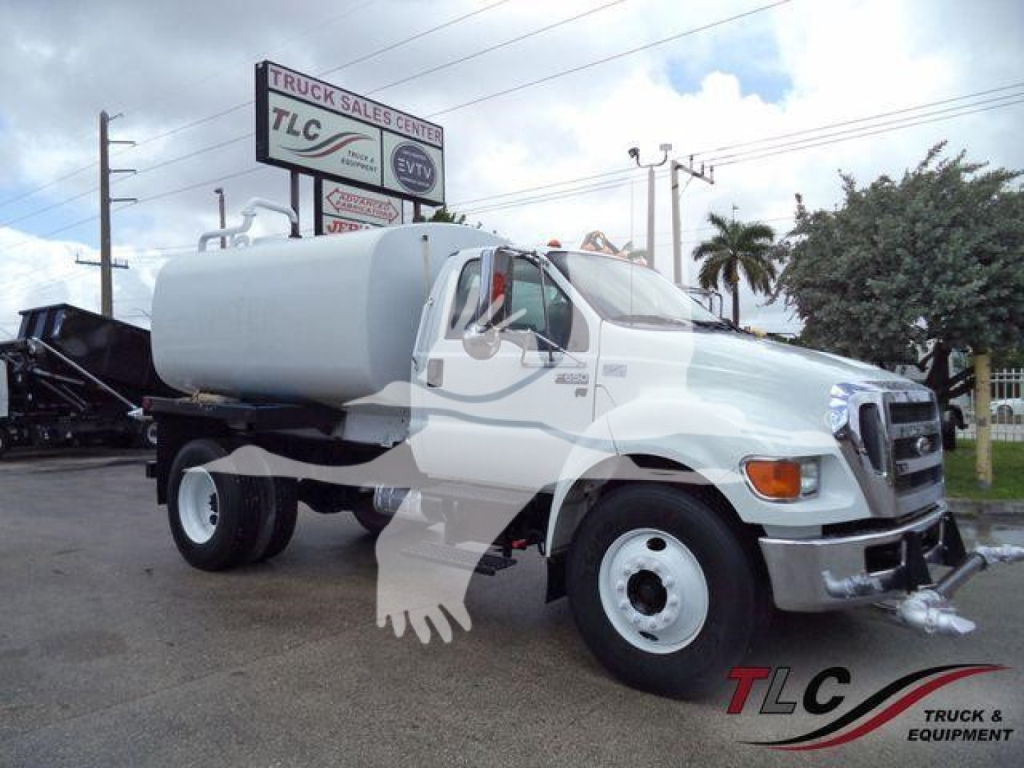
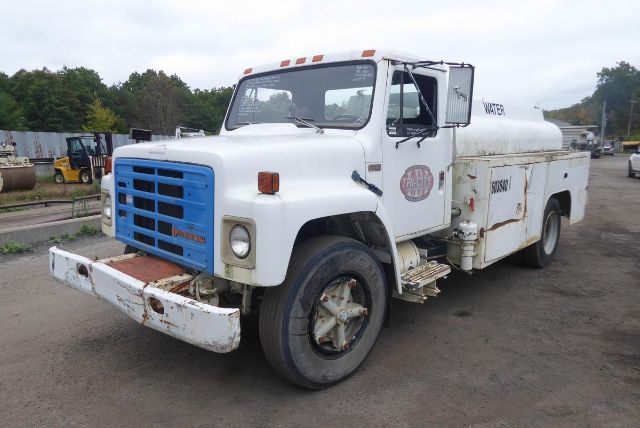
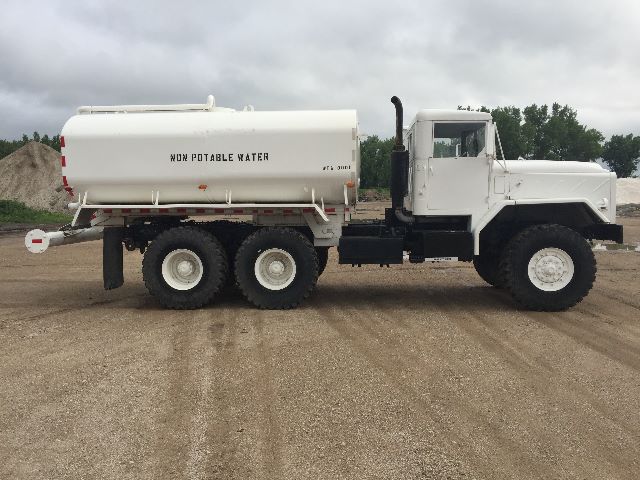
Selling a water truck? List your water truck for sale and reach thousands of commercial buyers.
Water Trucks in Oklahoma
Tank construction and plumbing matter more than many first-time buyers expect. Steel tanks are common for rugged vocational service and can hold up well in construction and aggregate environments, while internal baffles are important for controlling water surge and improving handling when the tank is partially full. Buyers should look closely at pump type, spray head count, hose reels, gravity dump capability, and whether the truck is plumbed for a water cannon or spray bar system. A practical water truck for road and site work usually includes front sprays for dust control while driving, rear sprays for lane coverage, and accessible controls that are easy to operate from the cab or at the pump station.
Chassis spec is just as important as the tank body. Medium-duty and heavy-duty water trucks are commonly built on vocational platforms from Mack, Freightliner, International, Kenworth, and Peterbilt, often with diesel engines in the mid-range horsepower band and Allison automatic transmissions for stop-and-go operation. Key numbers to compare are GVWR, front and rear axle ratings, wheelbase, suspension type, and rear axle ratio. A single-axle truck can be a strong fit for tighter sites and lighter capacities, while a tandem-axle configuration may be the better choice for higher gallon capacity and more demanding terrain. Ground clearance, brake setup, PTO-driven pump compatibility, and turning radius also affect day-to-day performance.
For Oklahoma buyers, application drives the right spec. Construction contractors may prioritize reliable spray coverage and simple service access, while municipalities and rural road departments may need a durable chassis that can handle frequent starts, stops, and seasonal use. Oilfield and lease-road work often calls for tougher vocational components, better traction, and tank systems that stand up to rough surfaces. The best water truck is not just the one with the largest tank. It is the one with the right balance of capacity, legal weight, pump output, and spray control for the job cycle you run every day.
Frequently Asked Questions about Water Trucks in Oklahoma
What size water truck is best for construction or dust control work?
The right size depends on haul distance, refill access, and how much spray time the job requires. A smaller single-axle water truck in the 2,000-gallon range is often a practical fit for tighter jobsites, municipal work, and shorter duty cycles. Larger tandem-axle units are better suited for extended dust control runs, wider road coverage, and projects where downtime for refilling needs to be minimized. Buyers should match tank capacity to legal GVWR, axle ratings, and the terrain the truck will see, not just choose the biggest tank available.
What features should I look for on a water truck spray system?
A useful spray system starts with the basics: front sprays, rear sprays, a dependable pump, and internal tank baffling for better control on the road. From there, buyers should consider hose reels, side sprays, gravity discharge, in-cab controls, and whether the truck is plumbed for a water cannon. The right configuration depends on the work. Dust suppression on roads often benefits from broad rear coverage and front nozzles, while site service work may require a hose reel or cannon for targeted application.
Are steel water tanks better than other tank materials?
Steel tanks are common on vocational water trucks because they are rugged and well suited for construction, quarry, and road maintenance environments. They generally handle jobsite abuse well and are widely supported for repair and fabrication. The tradeoff is weight, which affects payload and chassis requirements. Tank material should be considered alongside baffle design, corrosion protection, mounting method, and the type of water or additives being carried.
Is a single-axle or tandem-axle water truck better?
A single-axle water truck is often easier to maneuver, simpler to operate in confined areas, and well matched to moderate tank capacities. A tandem-axle truck typically supports more water volume, distributes weight better, and is often preferred for larger projects or rougher terrain. The better choice comes down to required capacity, site access, road conditions, and the legal weight limits that apply to the routes where the truck will operate.
What chassis specifications matter most on a used or new water truck?
GVWR, axle ratings, wheelbase, suspension, transmission type, and rear axle ratio are core specifications because they affect carrying capacity, stability, and drivability. Buyers should also review engine horsepower and torque, PTO compatibility for the pump system, brake configuration, and serviceability of the chassis. A water truck body can only perform as well as the truck underneath it, so the chassis needs to be matched to both the tank size and the daily work environment.