
New 2025 Volvo Trucks For Sale
Shop new 2025 Volvo trucks including VNL and VHD models. Compare sleeper and day cab specs, D13 power, I-Shift transmissions, and axle ratings.
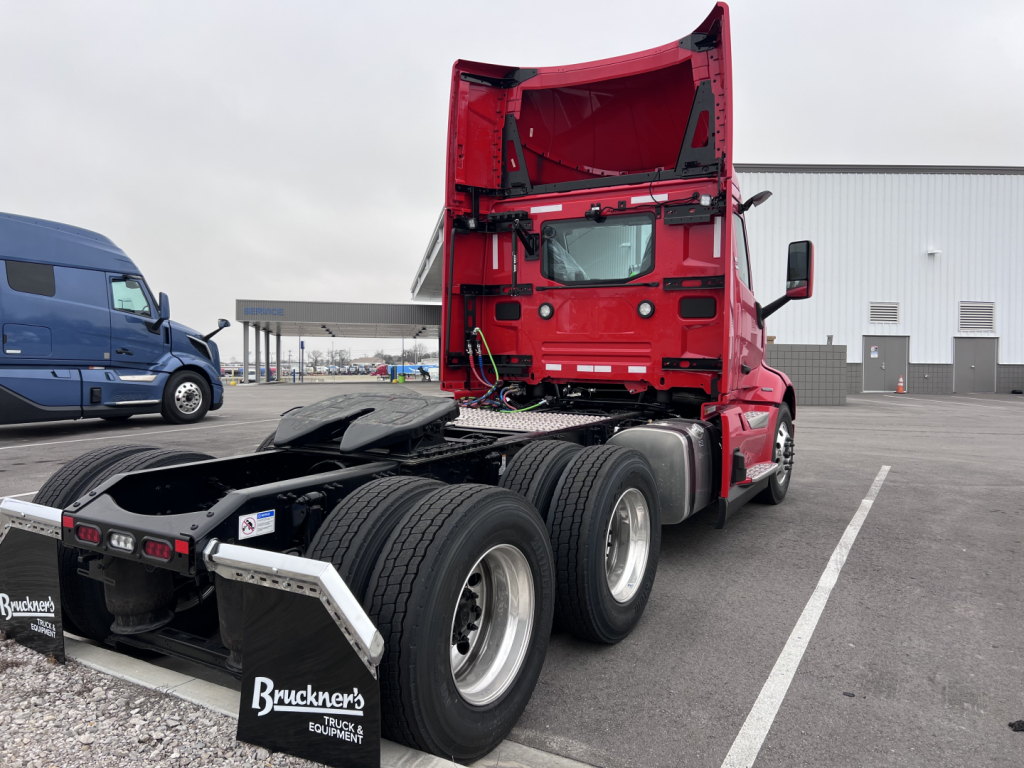
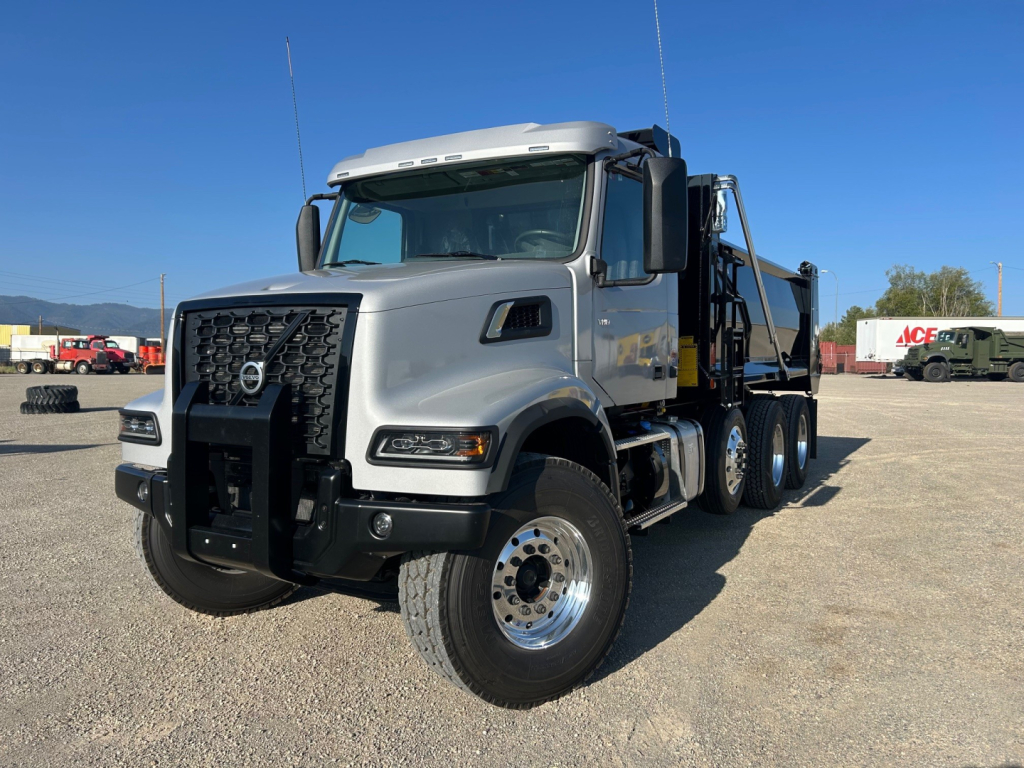
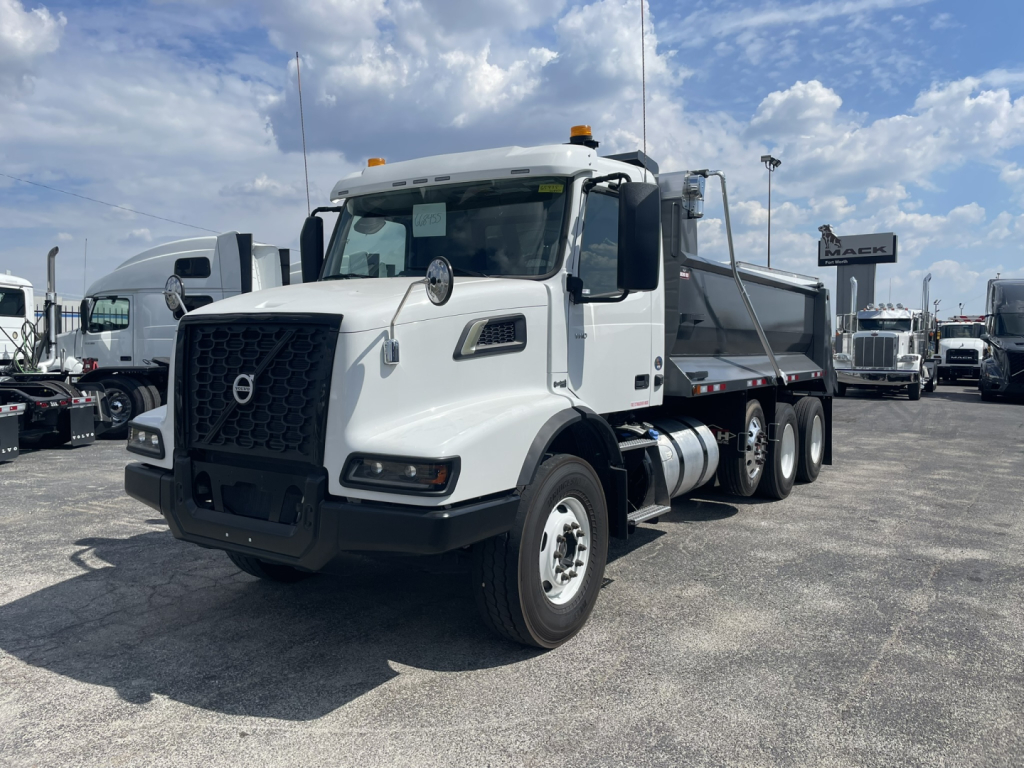
Selling a new 2025 volvo truck? List your new 2025 volvo truck for sale and reach thousands of commercial buyers.
New 2025 Volvo Trucks
Frequently Asked Questions about New 2025 Volvo Trucks
What is the difference between a Volvo VNL and a Volvo VHD?
The Volvo VNL is primarily a highway tractor platform built for regional and long-haul freight, with aerodynamic bodywork, day cab and sleeper options, and driveline specs focused on fuel economy and driver comfort. The Volvo VHD is a vocational and severe-duty platform designed for heavier front axle loads, more rugged chassis requirements, and jobsite or construction applications. If the truck will spend most of its time on the interstate pulling van, reefer, or general freight, the VNL is usually the better fit. If it needs to handle heavier vocational loads, PTO work, or rougher operating conditions, the VHD is the more appropriate chassis.
What engines and transmissions are common in new 2025 Volvo trucks?
The Volvo D13 remains the core engine choice in many new Volvo truck specs, commonly paired with the Volvo I-Shift automated manual transmission. In highway tractors, buyers often look at ratings around 455 horsepower with torque packages matched to fuel economy goals and gross combination weight requirements. In vocational applications, higher horsepower and different gearing may be used to improve startability, grade performance, and PTO compatibility. The I-Shift is popular because it reduces driver fatigue, supports consistent shift quality, and integrates well with modern safety and powertrain controls.
How do axle ratings and rear ratios affect a new Volvo truck spec?
Axle ratings and rear ratios have a direct impact on payload, legal capacity, startability, cruising RPM, and intended duty cycle. A common tandem highway tractor spec may include a 13,200-pound front axle and 40,000-pound rears, which fits many sleeper and day cab fleet applications. Lower numerical rear ratios such as 2.15 or 2.47 are often chosen for fuel-efficient highway use, especially when paired with direct-drive or overdrive automated transmissions. Higher numerical ratios like 3.36 are more common when the truck needs stronger low-speed pulling power, heavier vocational performance, or more demanding route conditions.
What should buyers look for in a new Volvo sleeper truck?
A new Volvo sleeper truck should be evaluated on sleeper size, wheelbase, drivetrain match, fuel capacity, and driver comfort features. Long-haul buyers often focus on high-roof configurations, storage layout, bunk design, idle reduction equipment, and climate control options such as parking coolers or auxiliary HVAC systems. The right sleeper spec also depends on freight lanes and trailer type, because wheelbase, fairing setup, and fifth wheel position can affect trailer gap and bridge law flexibility. For team operations or extended runs, interior livability and noise control matter just as much as horsepower.
Are new Volvo day cab trucks a good fit for regional and local hauling?
Yes, Volvo day cab trucks are a strong fit for regional haul, dedicated routes, port work, and local freight where overnight accommodations are not necessary. They typically offer shorter wheelbases for better maneuverability, easier docking, and lower curb weight than a comparable sleeper. Buyers should still pay close attention to axle spread, suspension type, brake spec, and gearing, because a day cab can be set up for anything from fuel-efficient regional van service to heavier-duty tractor work. A well-matched day cab spec can improve uptime, simplify maintenance planning, and lower operating cost in short-haul service.