
Van Trucks For Sale in Illinois
Browse van trucks for sale in Illinois, including cargo vans and service vans with common specs, body options, and fleet-ready features.
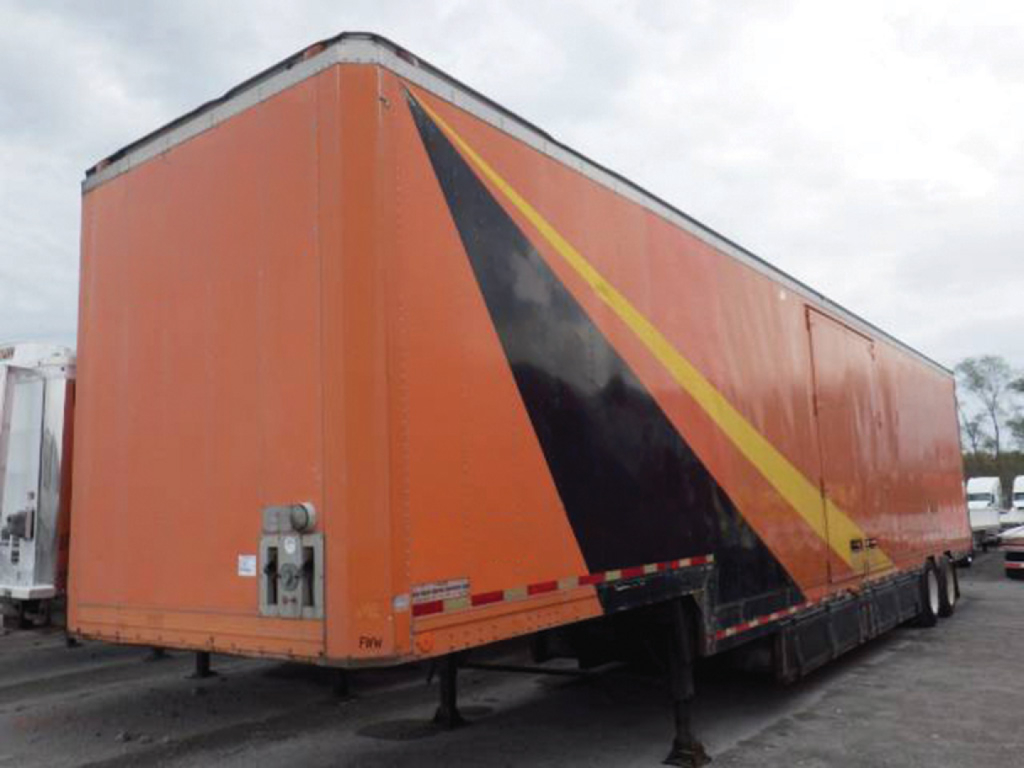
Looking for the easiest place to sell your van truck? List it here to reach thousands of buyers.
Van Trucks in Illinois
One of the first buying decisions is body length, roof height, and door configuration. A shorter wheelbase van is easier to park, back into alleys, and work through dense commercial districts, while a longer wheelbase gives you more cubic capacity for parcels, tools, shelving, or service parts. High-roof configurations matter if crews need to stand and move inside the cargo area, but a standard-roof van may fit better in parking garages and municipal structures. Rear swing doors, sliding curb-side doors, and low load floors all affect daily efficiency, especially for delivery fleets making repeated stops.
Powertrain and operating cost are just as important as cargo volume. Most vans in this category use gasoline engines paired with automatic transmissions, which keeps maintenance familiar for mixed fleets and works well for lighter payload cycles. Buyers should compare GVWR, axle ratings, tire size, braking setup, and wheelbase against the actual job. Interior upfit condition also matters. Shelving, ladder racks, partitions, rubber cargo flooring, and bulkheads can add value if they match the application, but a clean empty cargo area gives more flexibility for custom service body installation. For fleet use, look closely at door wear, cargo area damage, idle hours, and signs of repeated overload.
For Illinois buyers, rust exposure and seasonal use deserve extra attention. Snow, road salt, and freeze-thaw cycles can show up in rocker panels, door bottoms, underbody brake and fuel lines, hinges, and rear step areas. A good van truck should offer easy access, dependable cold-weather starting, stable highway manners, and enough interior volume to keep tools or freight secure and out of the weather. If the route involves city deliveries, contractor calls, telecom work, plumbing, HVAC, or mobile repair, this category remains one of the most practical and cost-effective choices in the commercial truck market.
Frequently Asked Questions about Van Trucks in Illinois
What is the difference between a van truck and a cargo van?
In most commercial marketplaces, the terms van truck, cargo van, and commercial van are often used interchangeably for enclosed light-duty work vehicles designed to carry tools, parcels, equipment, or service inventory. Some buyers use van truck more broadly to include service-oriented enclosed vans used in fleet applications, while cargo van usually refers to the enclosed body style without passenger seating. The important distinction is not the label, but the wheelbase, roof height, payload rating, and door layout that fit the intended job.
What should I check first when buying a used van in Illinois?
Start with rust, body condition, and cargo-area wear. Illinois vans often see winter salt exposure, so inspect rocker panels, door seams, hinges, underbody components, brake lines, and suspension mounting points. After that, verify mileage, idle time if available, transmission operation, tire wear patterns, and signs of heavy fleet use such as damaged flooring, bent shelving mounts, or repeated rear-door impact. Service records are especially useful on vans that have spent years in delivery or contractor service.
Which is more important on a commercial van, wheelbase or roof height?
That depends on the route and cargo. Wheelbase affects turning radius, parking ease, and total cargo length, so it is often the first spec to match to delivery density or jobsite access. Roof height matters more when technicians need to stand inside the van, use interior shelving efficiently, or reduce time spent climbing in and out. For dense city routes, a shorter wheelbase can improve daily productivity. For mobile service work, a high-roof layout can improve ergonomics and organization.
Are gas engines common in van trucks?
Yes. Gasoline engines are very common in this category, especially in light-duty cargo vans used for local delivery, service calls, and contractor work. Gas power is familiar to most maintenance departments, works well in cold weather, and generally makes sense for lower-GVWR vans with frequent stop-and-go use. Buyers should still compare fuel economy, service history, and drivetrain condition, but gas vans remain a standard choice for many commercial fleets.
What upfits add the most value in a used commercial van?
Useful upfits are the ones that match the next owner’s operation. Shelving packages, bulkhead partitions, ladder racks, cargo mats, and interior lighting can save setup time for electricians, plumbers, HVAC contractors, and telecom fleets. The value drops if the layout is too specialized, damaged, or poorly installed. Many buyers prefer either a clean factory cargo area or a professional upfit that is ready to work without major reconfiguration.