
2004 Van Trucks For Sale
Compare 2004 van trucks for sale by payload, body condition, engine history, and emissions compliance to choose a box truck suited to your routes.
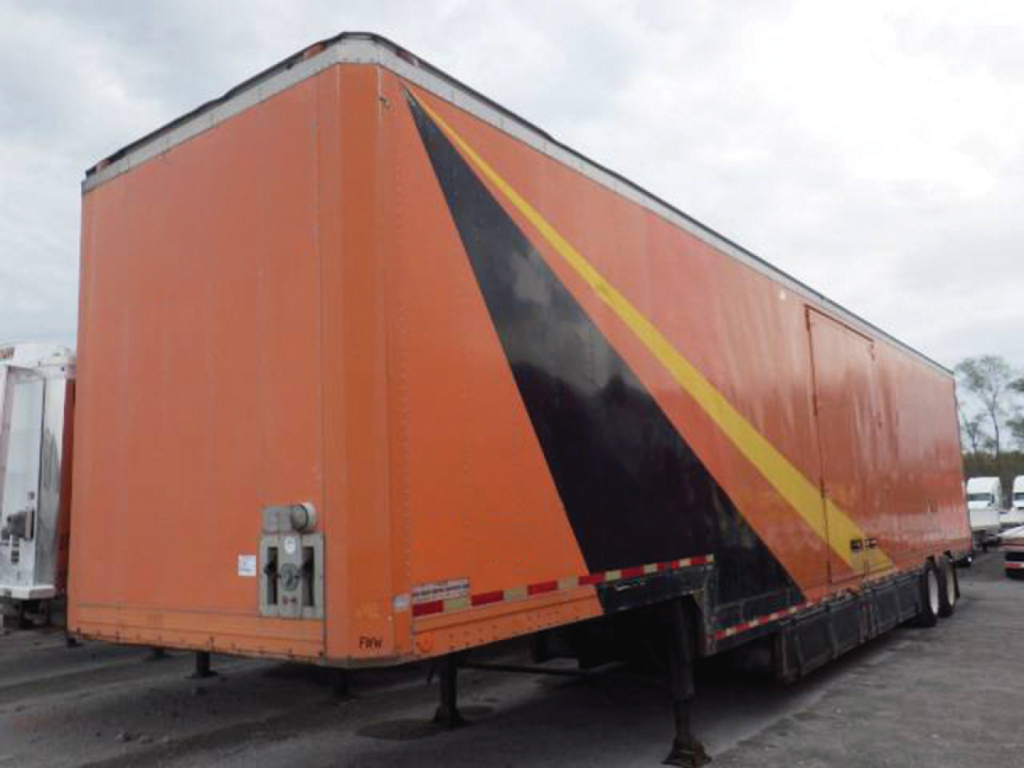
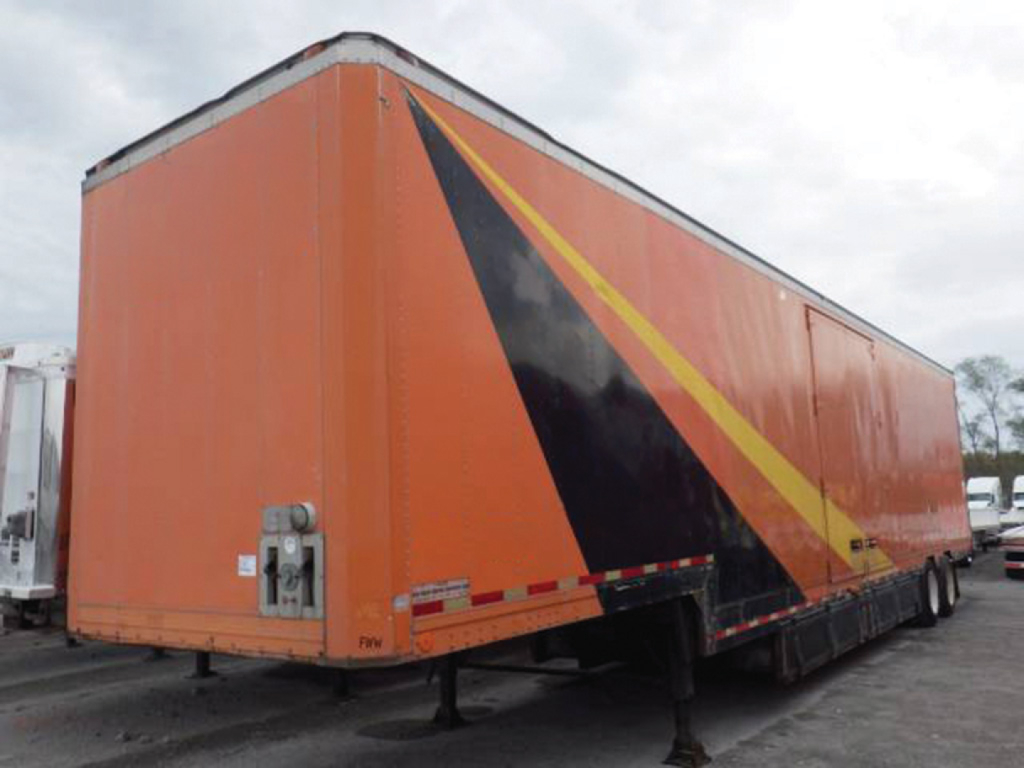
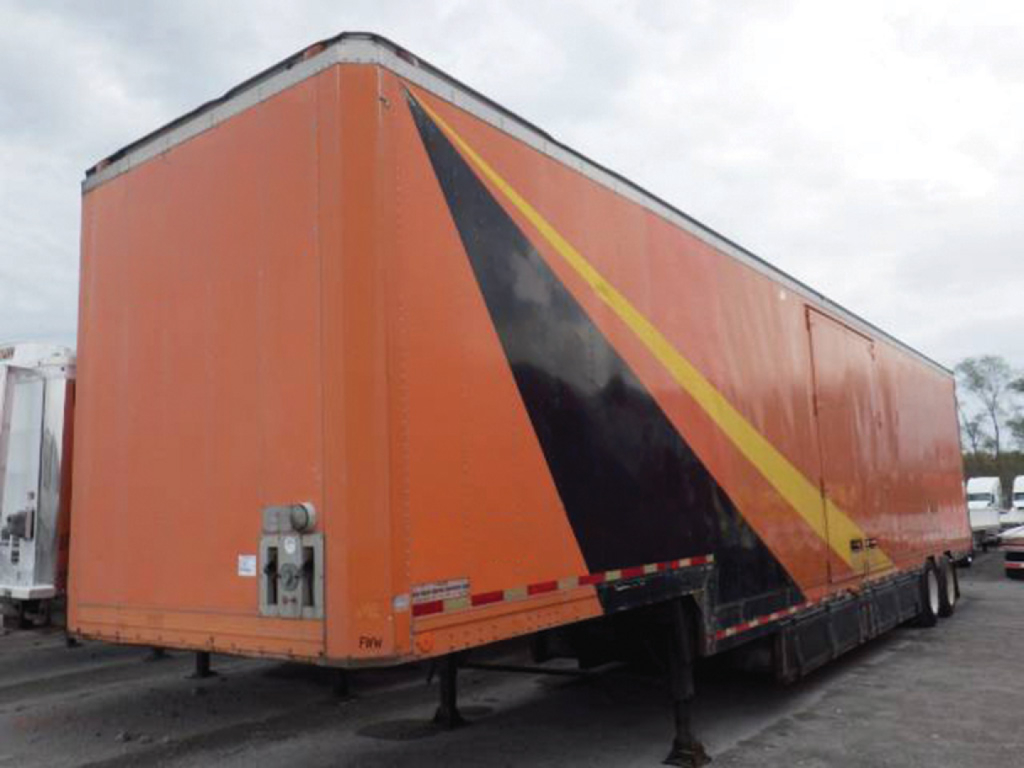
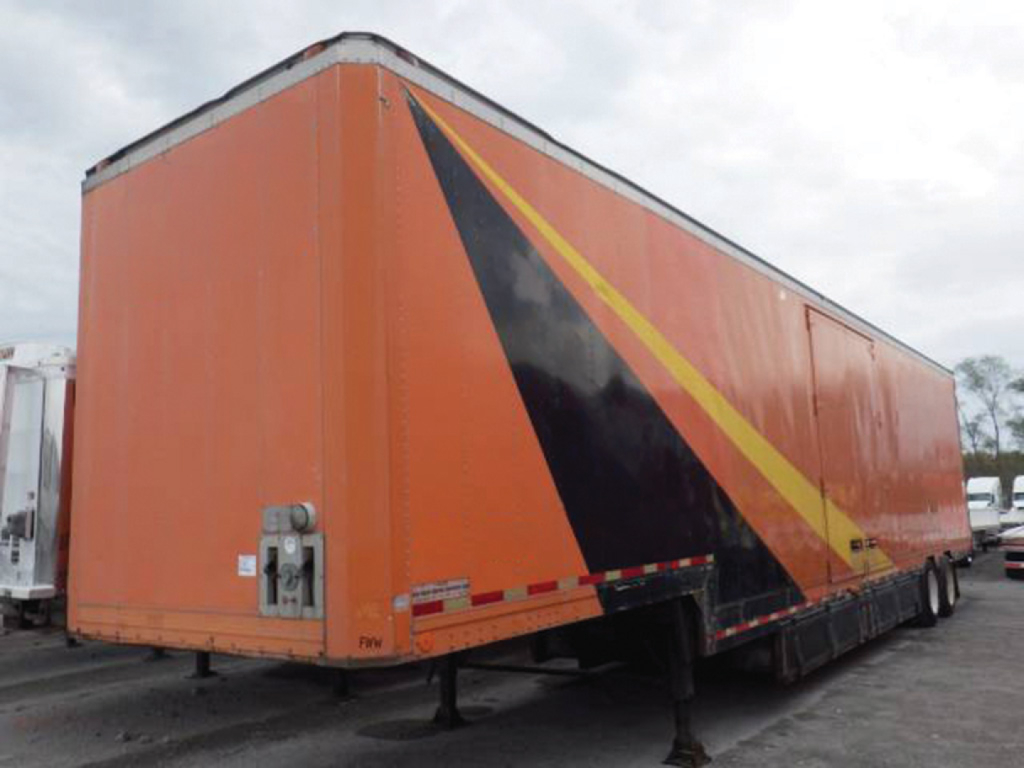
Looking for the easiest place to sell your 2004 van truck? List it here to reach thousands of buyers.
2004 Van Trucks
Ford E-Series cutaways and Chevrolet Express or GMC Savana cutaways suit smaller cube bodies, while Isuzu NPR and NQR cabovers offer compact packaging for urban delivery. Larger 2004 configurations include International 4300 trucks with DT466 diesels and Freightliner Business Class M2 chassis. Compare the actual engine, transmission, axle ratings, and wheelbase rather than assuming every truck within a model family has the same capacity. Scale the completed truck with its liftgate, fuel, and normal equipment aboard; available payload is limited by GVWR, individual axle ratings, tire capacity, and applicable road limits.
On used trucks, inspect cold-start behavior, blowby, coolant condition, oil leaks, transmission engagement, and braking performance under load. Retrieve fault codes and ECM mileage or hours where supported, then compare those readings with service records and the odometer. Inspect frame rails, spring hangers, cab mounts, body subframes, floor crossmembers, and liftgate mounting points for corrosion or repairs. Water stains below roof seams can reveal leaks that have weakened plywood floors or wall structure. A low-mileage 2004 truck can still need hoses, belts, brake lines, door cables, seals, and tires replaced because of age.
Salt exposure across northern U.S. states and Canadian provinces makes underside inspection especially valuable, while hot-climate trucks need close checks of cooling systems, roof sealants, and rubber components. Measure overall height and verify local weight restrictions before assigning dock, urban, or rural routes. Registration, commercial inspection, and emissions requirements vary by jurisdiction; a 2004 diesel chassis should not be assumed compliant simply because it runs well.
A 2004 truck described as new or unused needs storage records and the same age-related inspection as a used truck. Verify the chassis year separately from the body year, since replacement boxes do not change the truck's identity. Confirm any written warranty, its start date, and exclusions rather than assuming original factory coverage remains. For a qualifying heavy truck sold as new in the United States, establish whether the 12% federal excise tax applies; the tax does not apply universally to every box truck.
Frequently Asked Questions about 2004 Van Trucks
Do I need a CDL to drive a 2004 box truck?
A U.S. box truck with a GVWR or actual gross weight of 26,001 pounds or more generally requires a Class B CDL when operated without a qualifying heavy trailer. Towing can change the required license class, and hazardous materials can trigger separate requirements. Air brakes affect testing and license restrictions but do not alone trigger a CDL requirement. Canadian buyers must verify provincial licensing rules for the truck's weight and brake system.
Can a 2004 diesel box truck operate in California?
Most diesel box trucks over 14,000 pounds GVWR need a 2010-or-newer engine to meet California's Truck and Bus Regulation. A 2004 chassis with its original diesel engine is generally not compliant for covered operation. Verify an approved engine replacement or documented CARB exemption before purchasing for California work; a DPF retrofit alone does not satisfy the final engine-year requirement. Check engine serial numbers and compliance records, not merely registration status.
What liftgate capacity do I need on a 2004 van truck?
A van truck's liftgate rating must cover the heaviest loaded pallet plus the pallet jack and any operator permitted on the platform. Check the manufacturer's load-center requirements because capacity can decrease when weight sits farther from the truck. Platform dimensions must accommodate the complete load safely. On a 2004 installation, inspect pins, bushings, hydraulic cylinders, electrical connections, and the supporting body structure, then test the gate under load.
Is a 2004 furniture van a truck or a trailer?
A furniture van can be either a powered box truck or a semitrailer; the chassis and running gear determine the equipment type. A straight truck has its own cab, engine, and cargo body on one chassis. A furniture semitrailer has a kingpin and landing gear and requires a tractor. For a 2004 furniture van, verify the title, equipment identification, and whether the stated model year belongs to the powered chassis or trailer.
Should I choose a gasoline or diesel engine in a 2004 cube truck?
Gasoline usually suits a 2004 cube truck used for short, lightly loaded routes; diesel better suits sustained loaded operation. Compare route mileage, grades, payload, and service support rather than fuel type alone. An older diesel's injection, turbocharger, and cooling-system condition can outweigh its fuel-economy advantage. A gasoline truck still needs compression, ignition, fuel-system, and transmission checks before being assigned regular delivery work.