
Used 2013 Vacuum Trucks For Sale
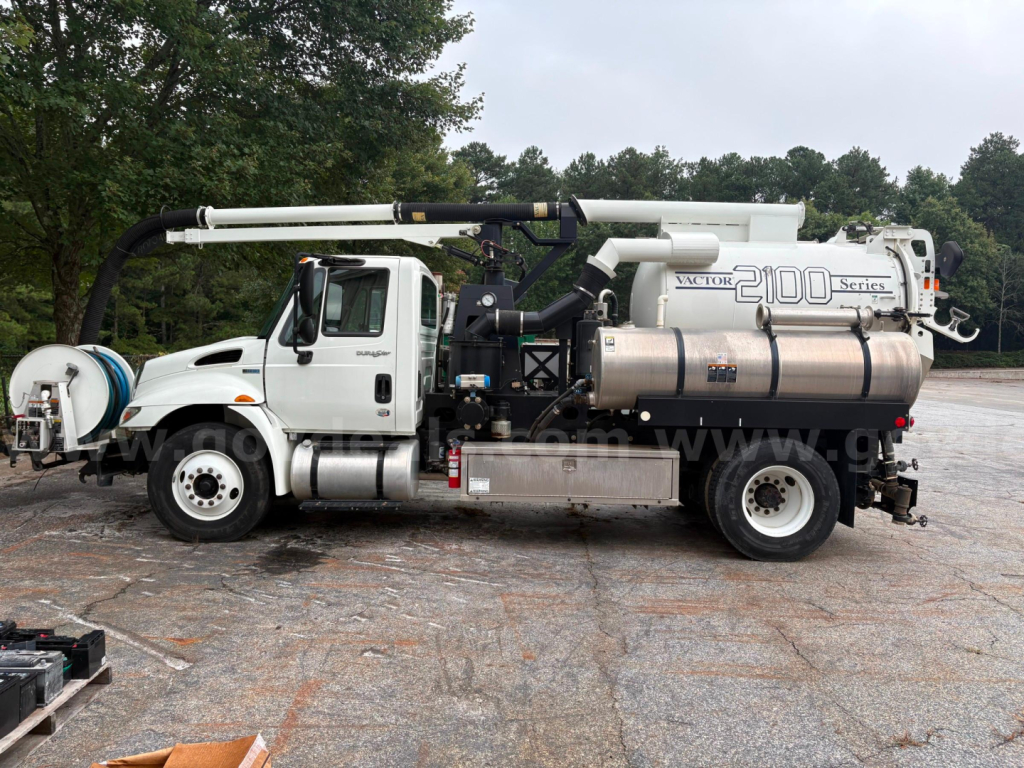
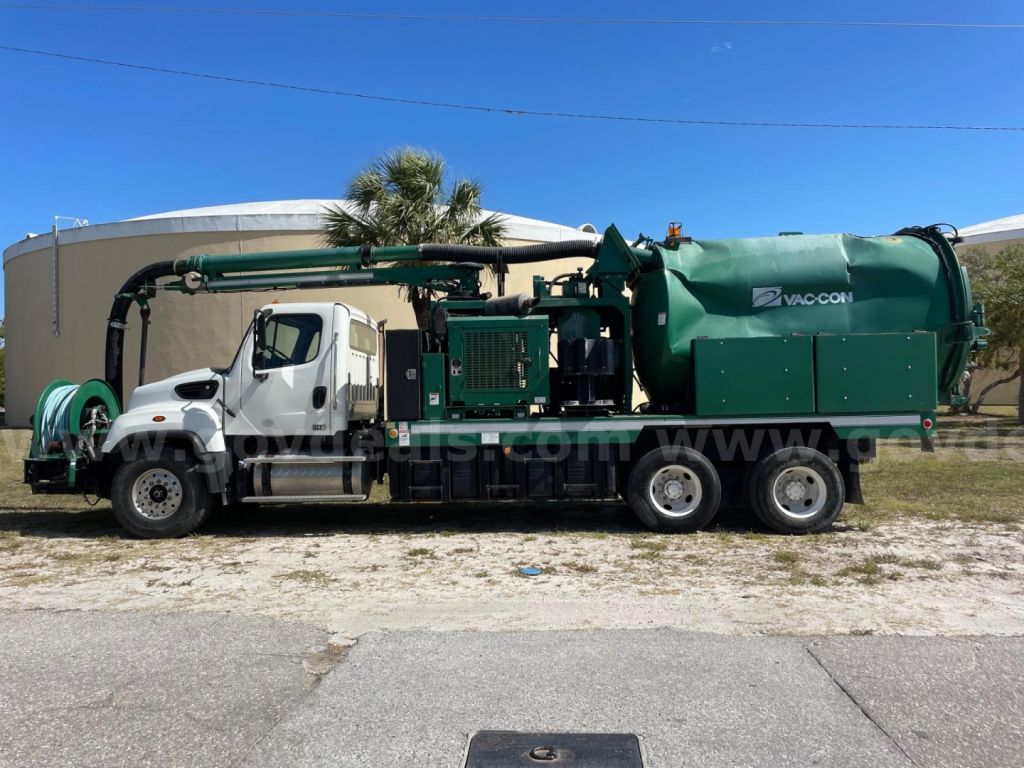
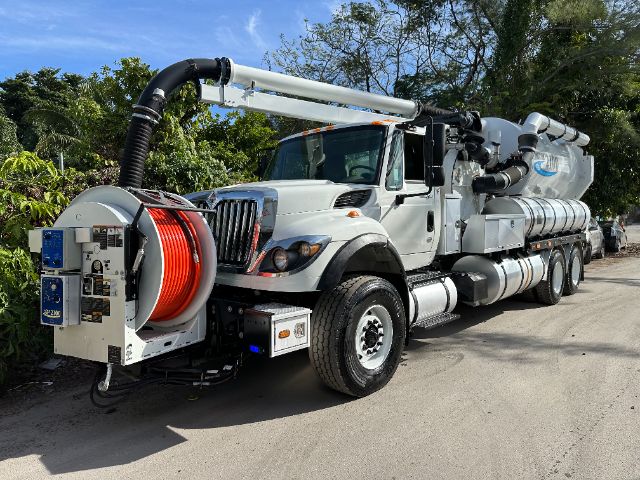
Have used 2013 vacuum truck to sell? List it here to reach thousands of buyers.
Used 2013 Vacuum Trucks
The first decision is usually application-specific: sewer line maintenance versus general vacuum recovery. If the truck will clean sanitary or storm lines, the water system matters as much as the vacuum side. Common pump ratings in this class run roughly 60 to 80 GPM with pressure around 2,000 to 2,500 PSI, which is enough for routine municipal jetting and line flushing. On the vacuum side, buyers should compare blower CFM, inches of mercury vacuum rating, boom reach, hose diameter, and debris tank design. A telescoping boom, dual cyclone separator, final filtration, hydraulic rear door, and dump angle all affect productivity, cleanup speed, and how well the truck handles heavier sludge or routine basin material.
Condition matters more than age on a 2013 vacuum truck because the expensive components are the vacuum body, water system, and controls, not just the chassis. A buyer should inspect the debris tank for corrosion, cracking, prior weld repairs, or implosion damage, especially on municipal units that have seen years of repetitive loading cycles. Check the blower, water pump, valves, hose reel drives, tailgate seals, hydraulic cylinders, boom pivot points, and control panel functions. Ask for engine hours, PTO hours, service records, winterization history, and any evidence of freeze damage in the water system. It is also worth confirming whether the unit has been used in daily sewer maintenance, industrial vacuum service, or intermittent public works duty, since application history affects wear patterns.
A 2013 model can still be a strong value if the body and support systems are sound. Severe-duty chassis from this era are generally straightforward to service, and many operators prefer proven mechanical layouts over newer emissions complexity. Pay attention to axle configuration, GVWR, wheelbase, turning radius, and local bridge or road weight limits if the truck will work in older neighborhoods or congested urban routes. For many buyers, the best unit is not the one with the highest tank capacity, but the one with the right balance of water volume, debris capacity, hose reach, blower performance, and documented maintenance.
Frequently Asked Questions about Used 2013 Vacuum Trucks
What should I inspect first on a used 2013 vacuum truck?
Start with the debris tank, blower, and water pump, because those are usually the highest-cost systems to repair. Look for tank corrosion, implosion damage, cracked welds, leaking tailgate seals, weak hydraulic functions, and excessive blower noise or oil contamination. On combo units, confirm the jetting system builds and holds pressure, the hose reel operates correctly, and the boom extends and rotates smoothly. Chassis condition still matters, but the vacuum body and sewer cleaning components usually determine the real value of the truck.
What is a typical spec range for a 2013 combo vacuum truck?
Many 2013 combo sewer cleaner trucks fall into a familiar range of 9 to 15 yards of debris capacity and 1,000 to 1,500 gallons of freshwater. Water pumps are commonly rated around 60 to 80 GPM at roughly 2,000 to 2,500 PSI, while vacuum systems often use positive displacement blowers sized for municipal line and basin work. Buyers will also commonly see hydraulic dump bodies, telescoping booms, hose reels with several hundred feet of jet hose capacity, and automatic transmissions on severe-duty chassis.
Are ex-municipal 2013 vacuum trucks a good choice?
They can be, especially when maintenance records are available and the truck was part of a scheduled fleet replacement cycle. Municipal units often have predictable use patterns and regular preventative maintenance, but they may also have high engine hours, PTO hours, and body wear from frequent short-route service. The key is to separate cosmetic wear from structural and system condition. A clean service history, functional jetting system, solid tank, and responsive hydraulics usually matter more than appearance alone.
How do I choose between a vacuum-only truck and a combination jetter-vac?
A vacuum-only truck is better suited for material recovery, cleanup, and some industrial applications where high-pressure water is not the primary task. A combination jetter-vac truck is designed for sewer and storm system maintenance because it can jet lines and vacuum debris in one pass. If the truck will spend most of its time on municipal collection systems, catch basins, and drain cleaning, the combo configuration is generally the better fit. If the work is focused on dry or wet material removal without regular line jetting, a vacuum-only setup may be simpler and less expensive to maintain.
Why do engine hours and PTO hours matter on a used vacuum truck?
Vacuum trucks often spend long periods operating the body systems while stationary or moving slowly, so mileage alone does not tell the full story. Engine hours and PTO or blower hours give a better picture of how much actual work the truck has done. High hours are not automatically a problem if maintenance has been consistent, but they should lead to closer inspection of the blower, pump, hydraulics, PTO driveline, and cooling system. On this type of equipment, usage history is often more important than odometer reading.