
Vacuum Trucks For Sale in Colorado
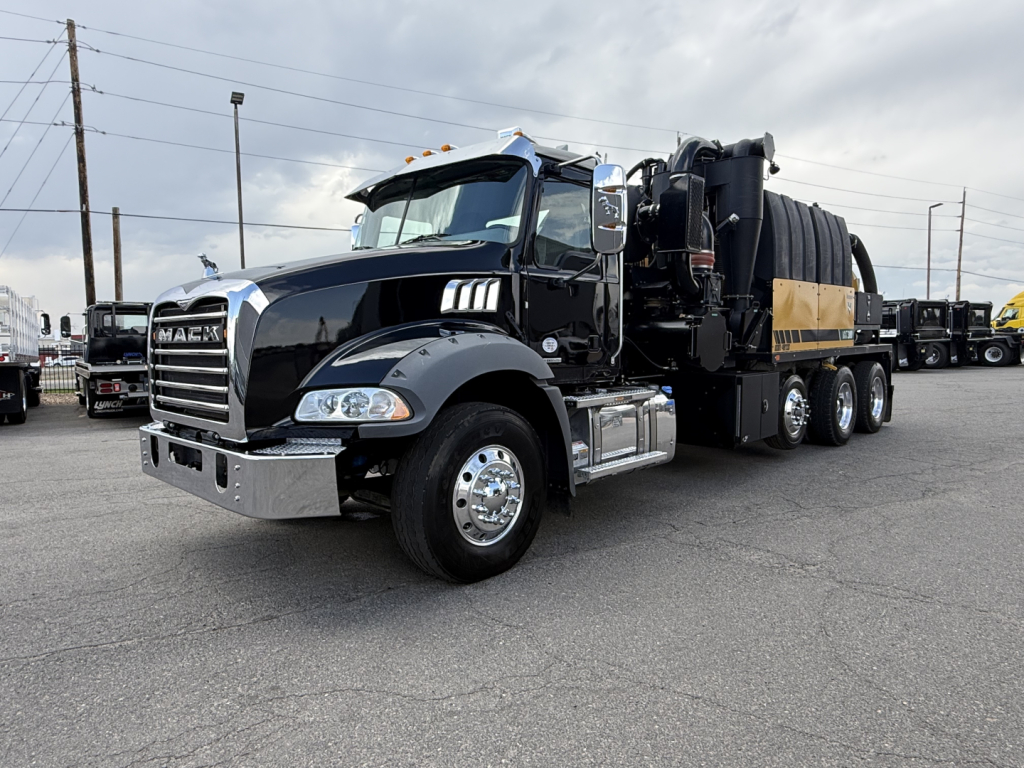
Shop vacuum trucks for sale in Colorado. Compare liquid and dry vac specs, tank capacity, PTO systems, axle ratings, and application fit.
Selling a vacuum truck? List your vacuum truck for sale and reach thousands of commercial buyers.
Vacuum Trucks in Colorado
Tank construction and vacuum system design matter as much as chassis brand. Typical units use carbon steel, stainless steel, or aluminum tanks, with common features including full-opening rear doors, hydraulic hoists, internal washout, cyclonic separators, filtration systems, and primary and secondary shutoffs. Liquid vacuum trucks are usually set up for septic, grease trap, waste hauling, and sewer work, while vacuum loaders for dry material are built to pull powders, drilling spoil, ash, sand, and other bulk debris. Buyers should look closely at tank gallon rating, water capacity if equipped for jetting or flushing, CFM and vacuum rating, hose storage, boom setup, and PTO-driven versus auxiliary engine-driven systems. In higher-elevation markets like Colorado, pump performance and engine power deserve extra attention because altitude can affect vacuum efficiency and overall jobsite productivity.
Chassis selection drives operating cost and usability. Most vacuum trucks are built on medium-duty or heavy-duty platforms with tandem or single rear axles depending on tank size and payload target. Wheelbase, axle ratings, suspension, transmission choice, and PTO compatibility all affect body balance and serviceability. For mountain grades, mixed pavement and jobsite access, buyers often prioritize diesel torque, engine brake performance, traction, and stable weight distribution. Front axle capacity is also important on units with front-mounted hose reels, booms, or heavier pumping equipment. If the truck will see municipal or contractor use, details like backup cameras, work lights, tool storage, heated components, and cold-weather plumbing protection can make a meaningful difference in day-to-day uptime.
A good vacuum truck match is less about the newest unit and more about duty cycle, material type, and compliance requirements. Buyers should confirm tank certifications, pump or blower hours, valve condition, hose condition, hydraulic system health, and signs of corrosion or abrasive wear inside the tank and plumbing. For regulated waste or industrial service, compatibility with liners, filtration, pressure protection, and disposal procedures can be just as important as raw suction performance. On used vacuum trucks, service records and evidence of proper cleanout matter because maintenance discipline often predicts remaining life better than mileage alone.
Frequently Asked Questions about Vacuum Trucks in Colorado
What is the difference between a liquid vacuum truck and a dry vacuum truck?
A liquid vacuum truck is designed to collect and transport water, sludge, sewage, grease, and similar wet material, typically using a sealed tank and vacuum pump system. A dry vacuum truck, often called a vacuum loader, is built for powders, ash, sand, soil, and other dry bulk material and usually relies on different filtration, air handling, and discharge systems. The choice affects tank design, blower setup, unloading method, and the type of jobs the truck can handle efficiently.
What tank size is common on a vacuum truck?
Tank size varies widely by chassis class and application, but many vacuum trucks fall into medium to large gallon capacities suited to septic, sewer, industrial, or oilfield work. The right size depends on payload laws, material weight, route length, and how often the truck can dump or unload during a shift. A larger tank can improve productivity, but only if axle ratings and local road limits allow the truck to carry that volume legally.
Are vacuum trucks suitable for mountain and high-altitude work in Colorado?
Yes, but high altitude can reduce engine output and affect vacuum system performance, so specification matters. Buyers operating in Colorado should pay close attention to horsepower, PTO setup, blower or pump capacity, cooling performance, and grade-climbing ability. Trucks working in mountain regions also benefit from strong engine braking, dependable traction, and cold-weather protection for plumbing and hydraulic components.
What should I inspect on a used vacuum truck before buying?
The most important areas are the tank interior, pump or blower condition, PTO operation, valves, hoses, hydraulic components, and any signs of corrosion, cracking, or abrasive wear. Buyers should also verify tank certifications, maintenance records, body mounts, rear door seals, filtration components, and hour readings if the vacuum system is metered separately from chassis mileage. A truck with moderate mileage but strong maintenance history is often a better buy than a lower-mile unit with poor tank and pump condition.
Can one vacuum truck handle septic, sewer, and industrial cleanup work?
Some can, but many are optimized for one primary duty cycle. A septic configuration may work well for liquid waste and basic pump-out service, while industrial cleanup may require heavier filtration, different hose and valve setups, stronger vacuum performance, or materials compatible with corrosive waste. Buyers should match the truck to the most demanding job it will perform rather than assuming every vacuum truck is interchangeable.