
Used Trucks For Sale in Vermont
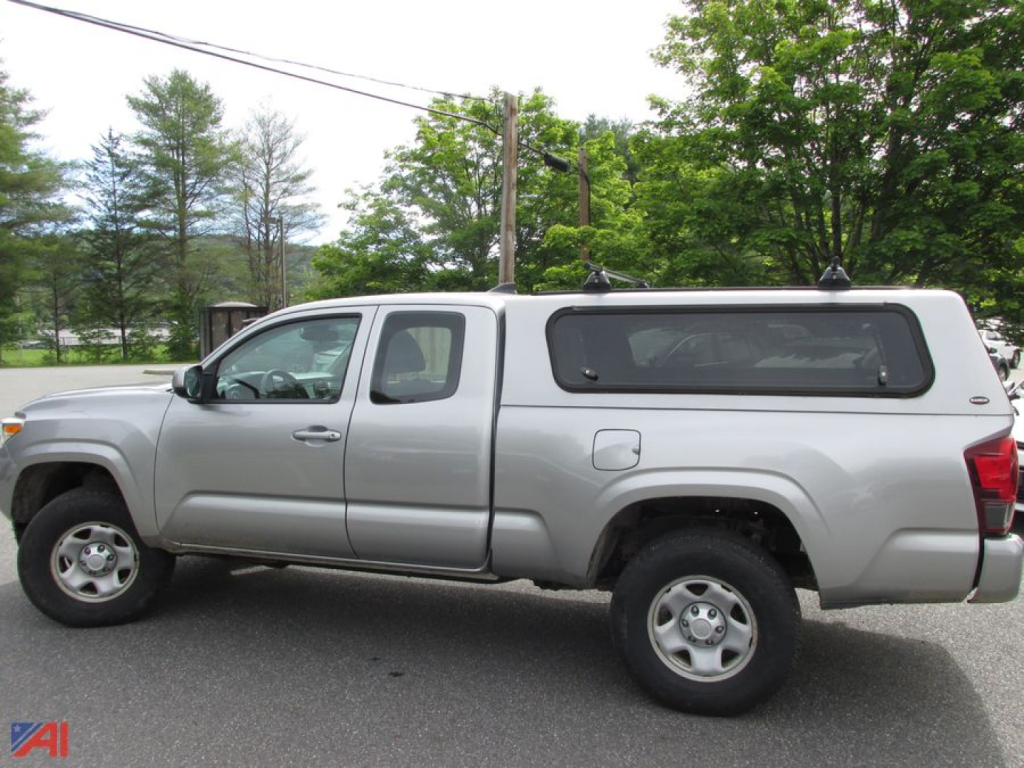
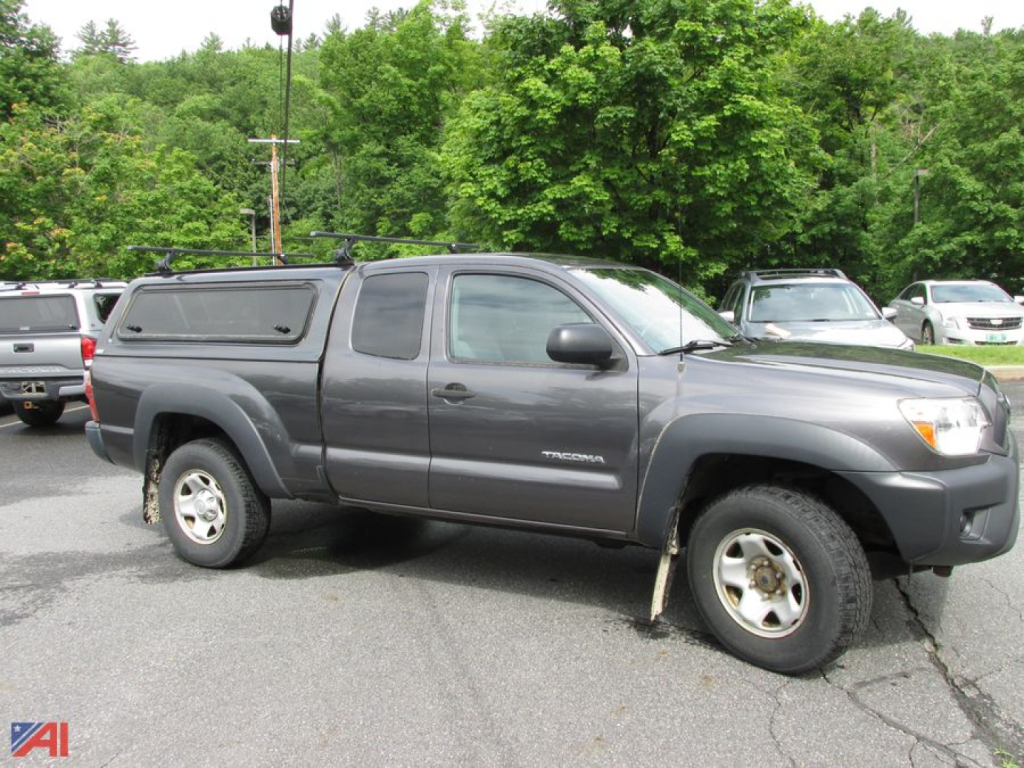
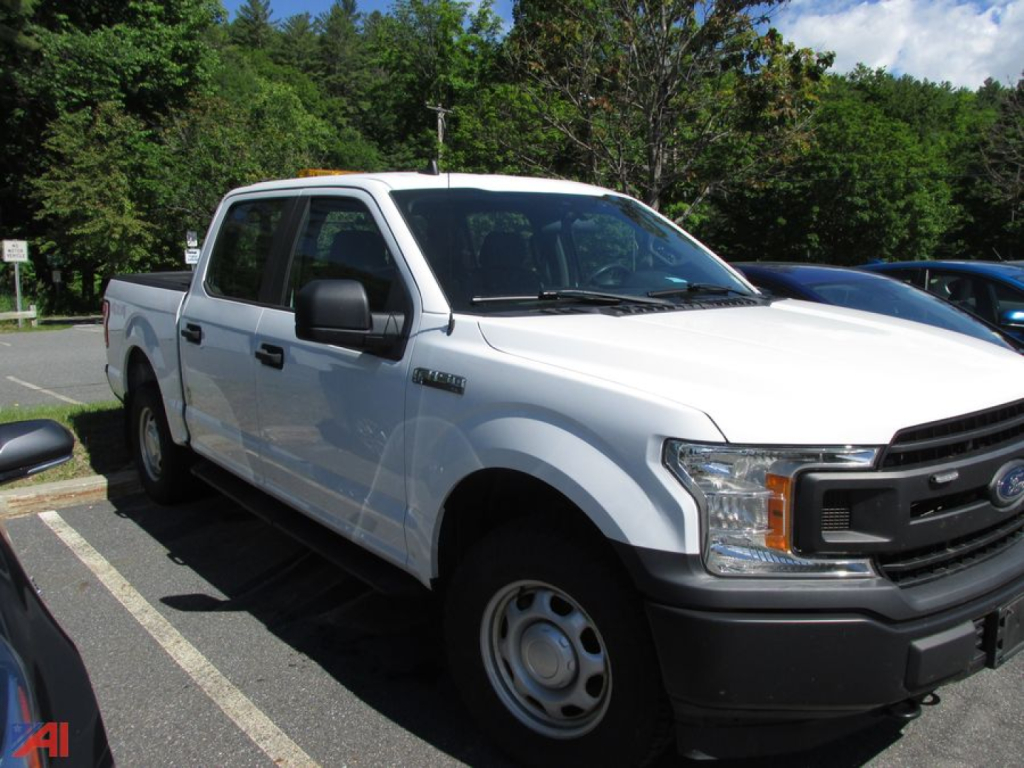
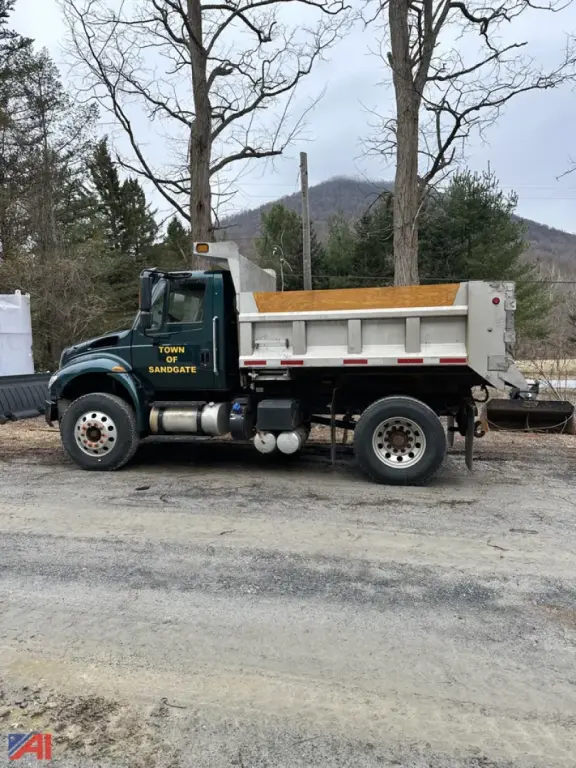
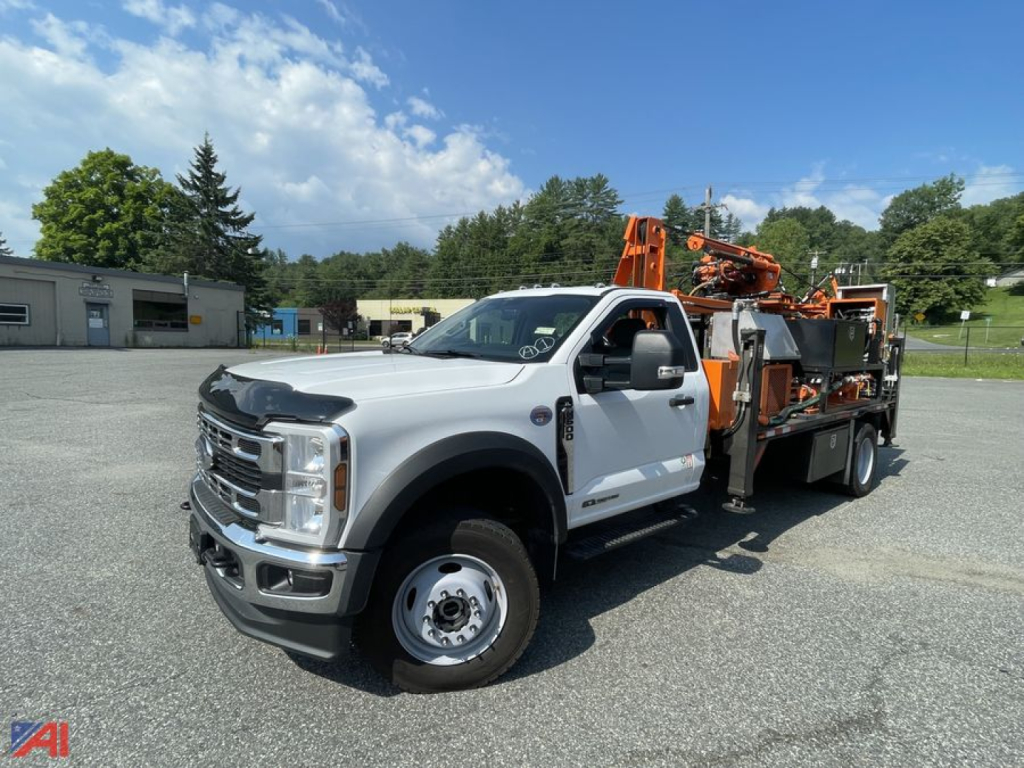
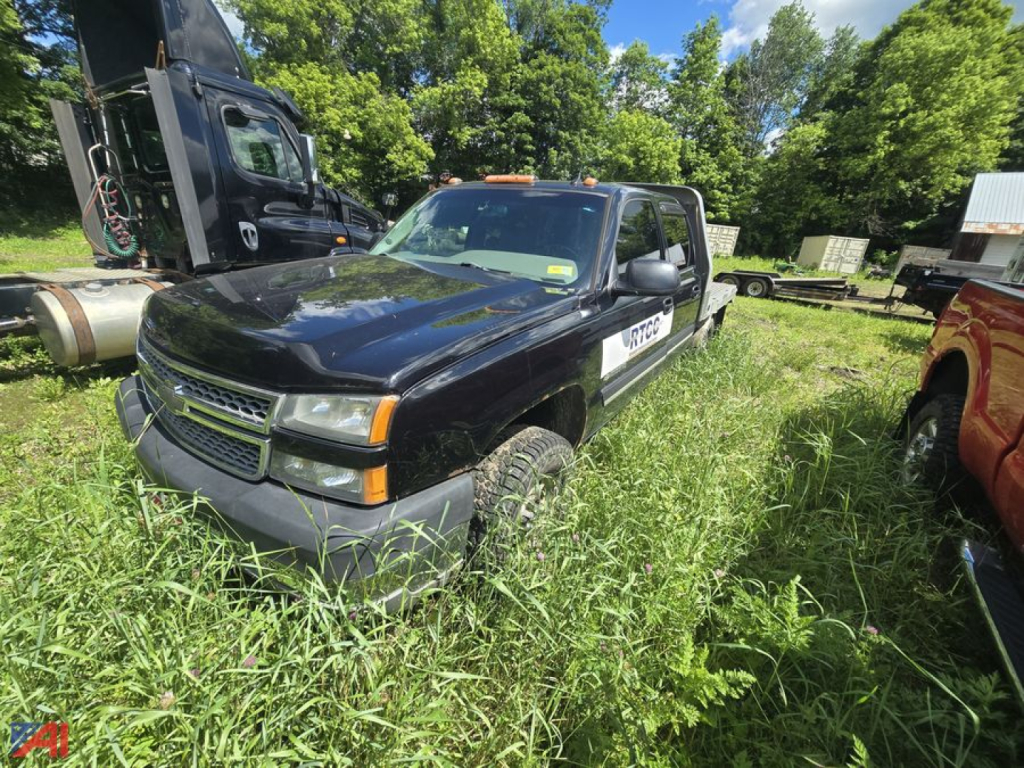
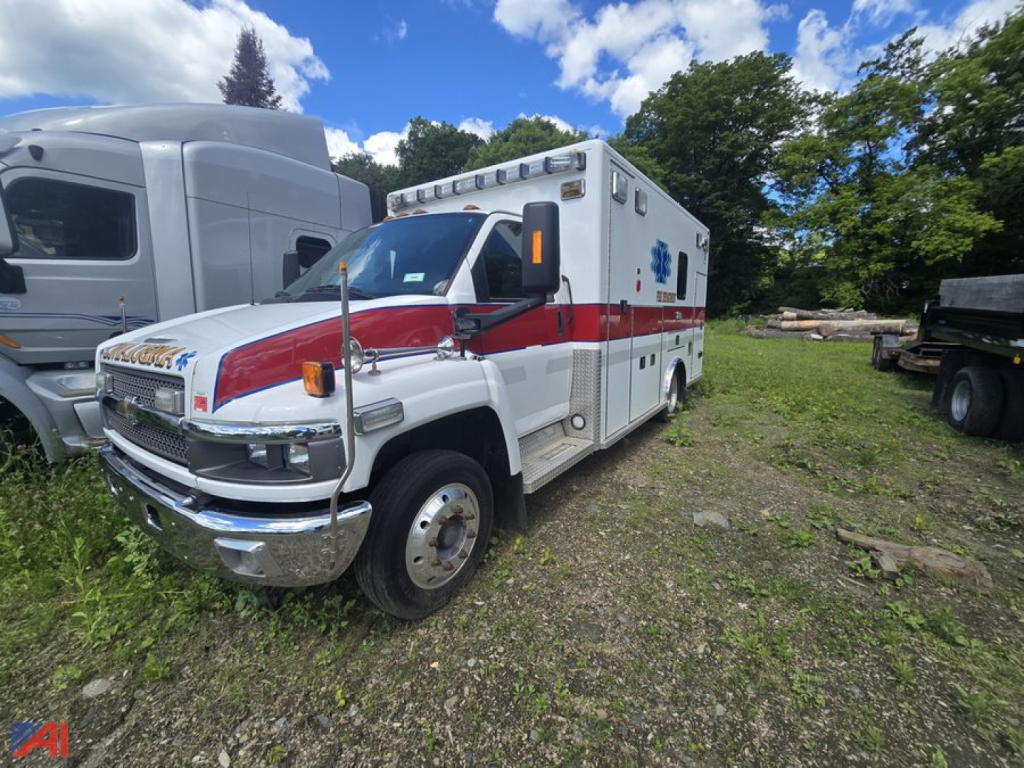
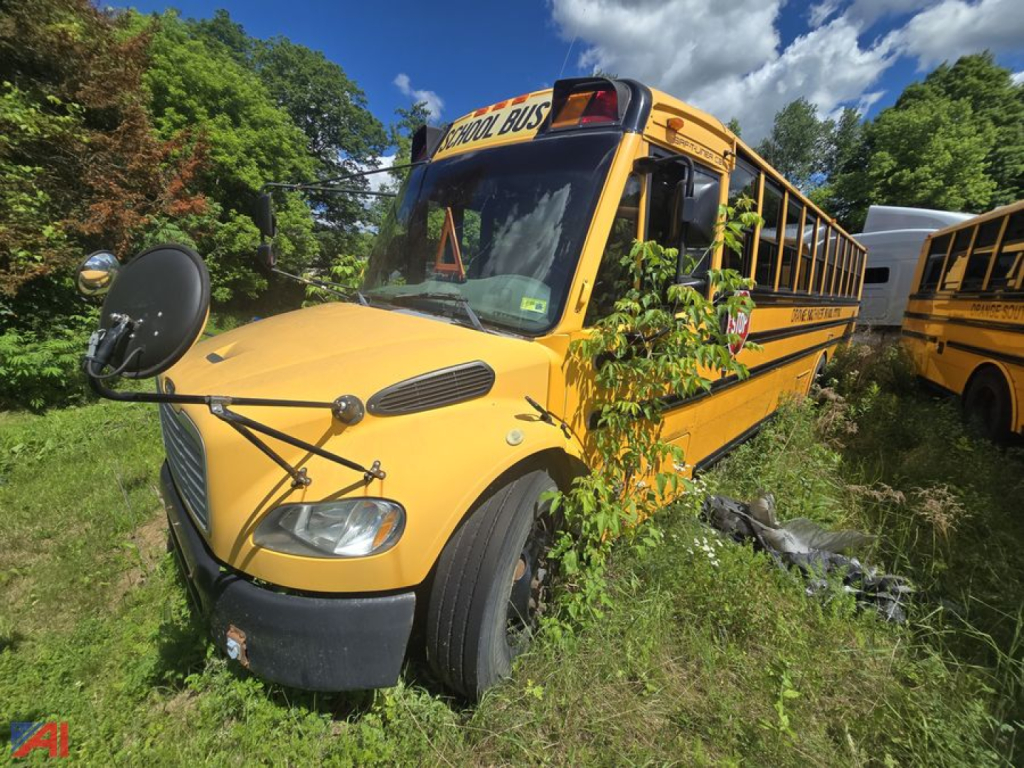
Have used truck to sell? List it here to reach thousands of buyers.
Used Trucks in Vermont
For used dump trucks, key details include GVWR, body size, hoist condition, tailgate design, and whether the truck has a central hydraulic system for plows, wing plows, or spreaders. Single-axle models are common for municipal and site work where maneuverability matters, while heavier tandem setups are better suited for material hauling and higher legal payloads. On used flatbed trucks, buyers should pay attention to deck length, bed material, stake pockets, rub rail condition, and tie-down usability. If the truck has been used with a plow or other front-mounted equipment, front axle ratings, steering component wear, and charging system condition deserve a close look.
In Vermont, many used trucks come from town departments, utility fleets, landscaping companies, and local contractors. That can be a positive if the truck has a documented service history and the right vocational equipment already installed. It can also mean high idle hours, winter duty, and corrosion in the cab corners, brake lines, dump body crossmembers, and underbody electrical connections. Diesel buyers should also confirm emissions system condition, especially on mid-2000s and newer trucks with EGR, DPF, or DEF systems. On older trucks, transmission type, rear axle ratio, spring capacity, and PTO engagement can have a bigger impact on day-to-day usefulness than brand alone.
The best used truck is the one matched to the route, load, and operating season. A smaller Class 3 to Class 5 truck can make sense for property maintenance, local delivery, and snow work, while Class 6 to Class 8 trucks are a better fit for heavier hauling, municipal service, and construction support. Buyers comparing trucks in Vermont should think beyond mileage and focus on rust exposure, cold-weather starting, heater and defroster performance, hydraulic function, and how easily the truck can be put to work without reconfiguration. A truck with the right spec usually costs less to own than a cheaper truck that needs major body, hydraulic, or corrosion repair before it can earn.
Frequently Asked Questions about Used Trucks in Vermont
What should I check first when buying a used truck in Vermont?
Start with frame and cab corrosion, brake and fuel line condition, suspension wear, and underbody electrical integrity. Vermont trucks often see snow, salt, and freeze-thaw cycles, so rust can be a bigger issue than mileage. If the truck has hydraulics, inspect the PTO, pump, hoses, cylinder seals, and reservoir condition. Service records, idle hours, and evidence of seasonal municipal use are also important because they help explain wear that may not show on the odometer.
Are used dump trucks a good fit for Vermont contractors and towns?
Used dump trucks are often a strong fit for Vermont because they can handle road maintenance, aggregate hauling, snow operations, and general construction work. The right choice depends on axle configuration, body capacity, hoist type, and whether the truck is already plumbed for a plow or spreader. Buyers should confirm that the truck's GVWR, axle ratings, and hydraulic setup match the intended workload, especially if the truck will be used year-round.
What matters most on a used flatbed truck?
Deck length, payload rating, tie-down points, bed condition, and chassis integrity are usually the most important items. A flatbed used by contractors or property maintenance crews may also need tool storage, a hitch setup, or plow capability. In a used unit, look closely at the bed mounts, crossmembers, wiring, and rear suspension, since these areas often show the effects of repeated loading and exposure to winter road treatment.
Is mileage or engine hours more important on a used work truck?
Both matter, but engine hours can be especially important on vocational trucks that spend time idling at jobsites or during snow operations. A truck with moderate mileage and very high idle hours may have more engine wear, PTO use, and charging system stress than the odometer suggests. Evaluating mileage together with engine hours, service records, and the type of work performed gives a more accurate picture of the truck's remaining service life.
What truck class should I look for for local hauling or property maintenance?
That depends on payload, body style, and road conditions. Class 3 to Class 5 trucks are commonly used for lighter flatbed work, landscaping, utility service, and snow removal, especially where maneuverability is important. Class 6 to Class 8 trucks are better suited for dump applications, municipal work, and heavier material hauling. The right class should leave enough legal payload and equipment capacity without putting you into a larger truck than the route or job actually requires.